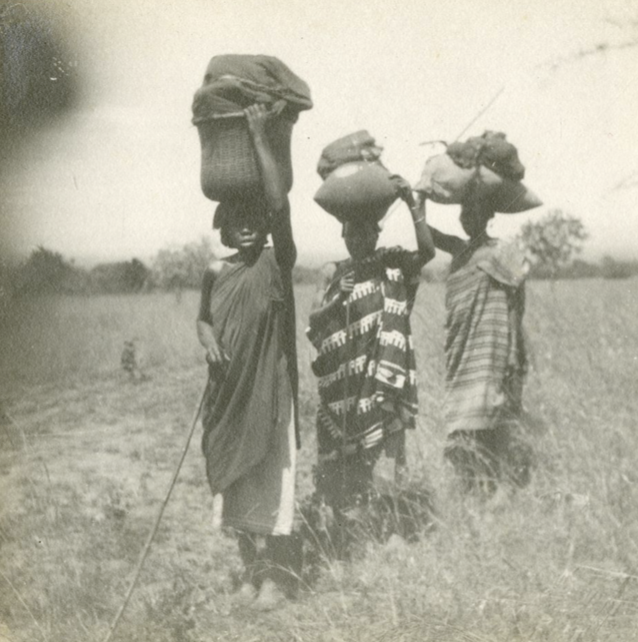
The Nubian People
Origins / Location : From the Nile Valley region of Nubia in southern Egypt around Aswan and northern Sudan along the Nile, extending from the First Cataract south toward Khartoum
Names : Nubians (colonial name) / Nòòbíí / Noban / Mahas / Halfawi / Sikkotawi / Fadicca / Danagla / Kenzi
Languages : Nubian languages such as Nobiin / Andaandi / Kenzi / Old Nubian / Meroitic / Hill Nubian languages / Sudanese Arabic / Egyptian Arabic / Modern Standard Arabic
Religion : Islam (majority) / Christianity (minority) / Indigenous Nubian beliefs centered on ancestors, spiritual forces, and older cosmologies
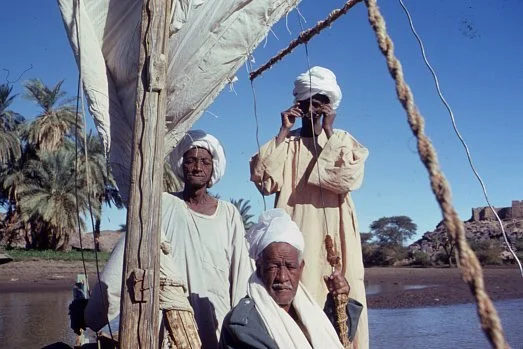
"Nubians in boat - Kulubnarti." Nubian men aboard a traditional river vessel along a palm-lined shoreline. Emery, J. (Photographer). (Untitled photograph). Flickr. © James Emery. Licensed under the Creative Commons Attribution 2.0 Generic (CC BY 2.0) license: https://creativecommons.org/licenses/by/2.0/ No changes were made to the original image. This use does not imply endorsement by the creator.
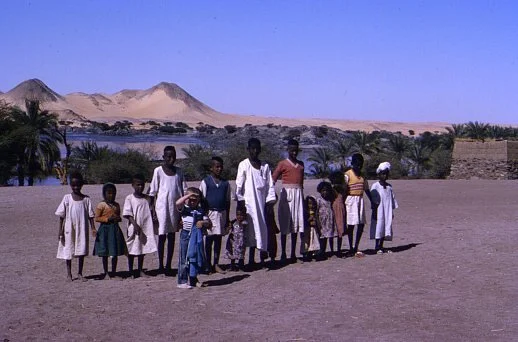
"Nubian youngsters, Sonqi." A image of a group of Nubian children standing in a desert village landscape. Emery, J. (Photographer). (Nubian youngsters, Sonqi). Flickr. © James Emery. Licensed under the Creative Commons Attribution 2.0 Generic (CC BY 2.0) license: https://creativecommons.org/licenses/by/2.0/ No changes were made to the original image. This use does not imply endorsement by the creator.
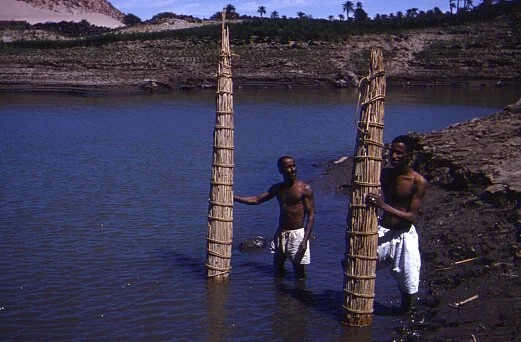
Nubian swimmers with straw “rafts,” Sena. Emery, J. (Photographer). Nubian swimmers with straw “rafts,” Sena. Flickr. © James Emery. Licensed under the Creative Commons Attribution 2.0 Generic (CC BY 2.0) license: https://creativecommons.org/licenses/by/2.0/ No changes were made to the original image. This use does not imply endorsement by the creator.
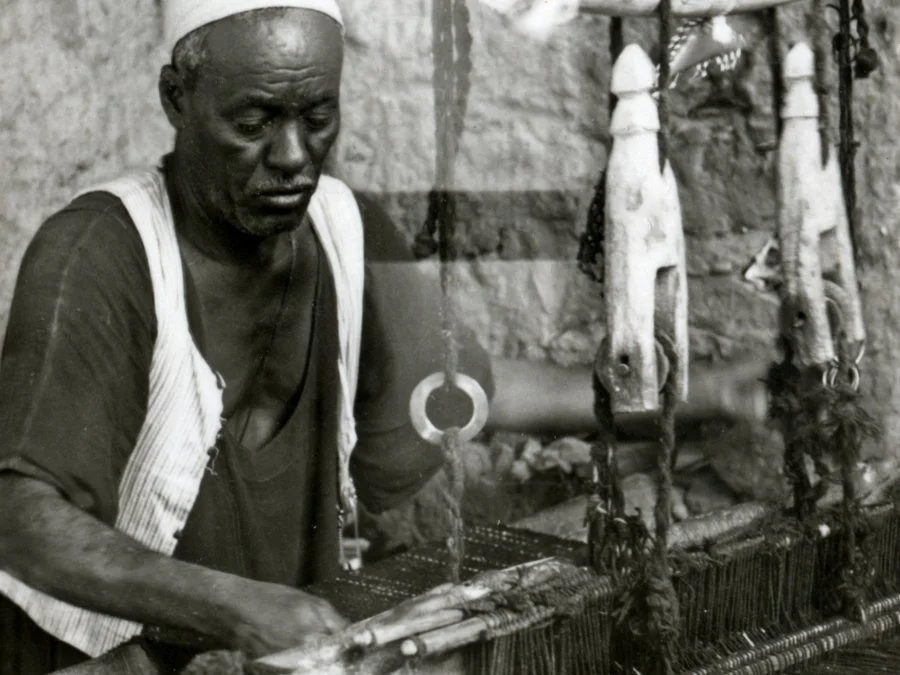
Nubian Man Weaving. Source: Photographs by Abdel-Fattah Eid, The Cairo Review of Global Affairs.
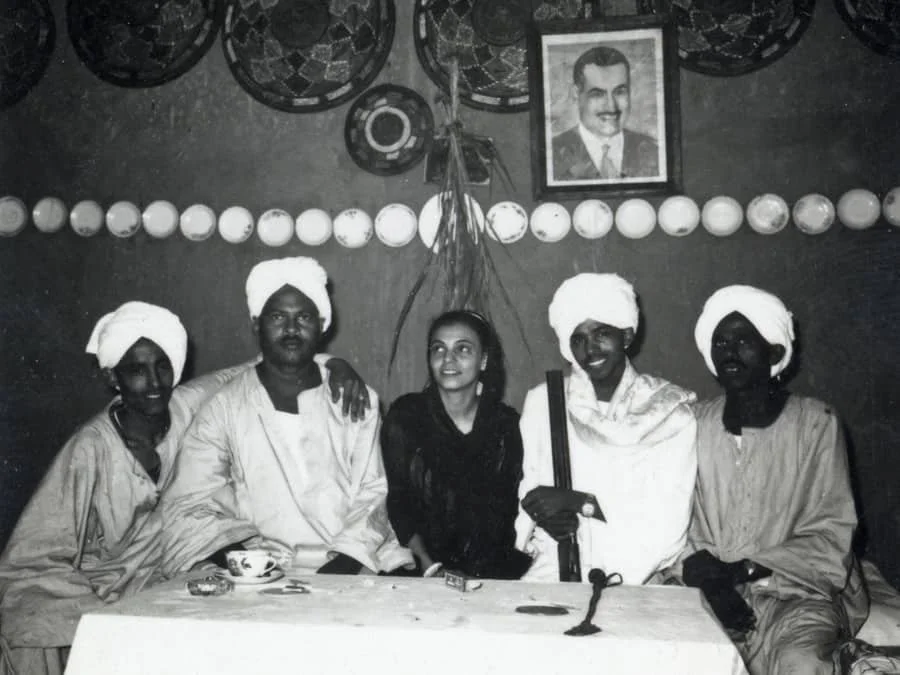
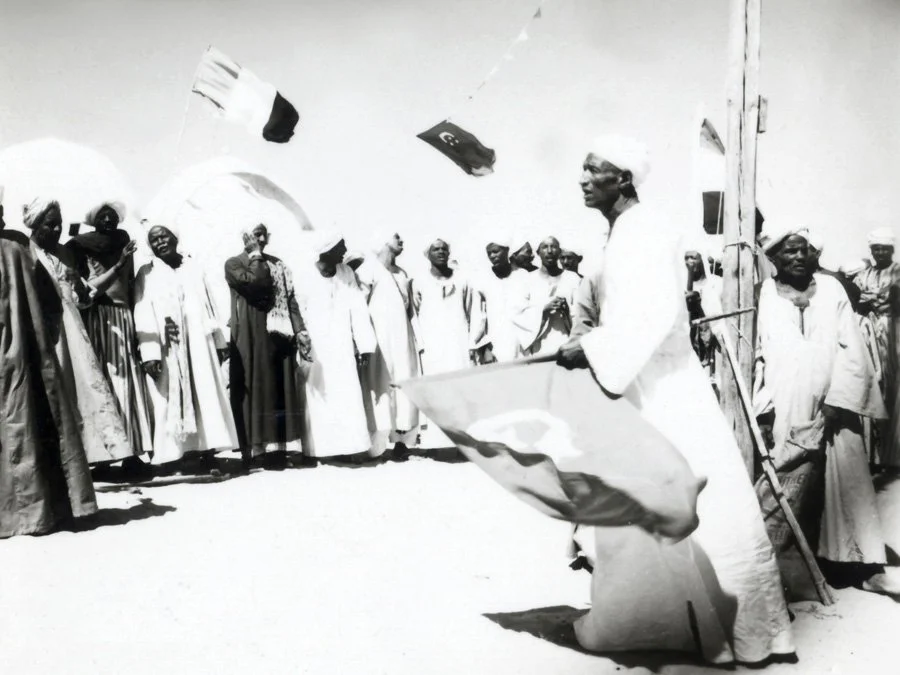
Source: Photographs by Abdel-Fattah Eid, The Cairo Review of Global Affairs.
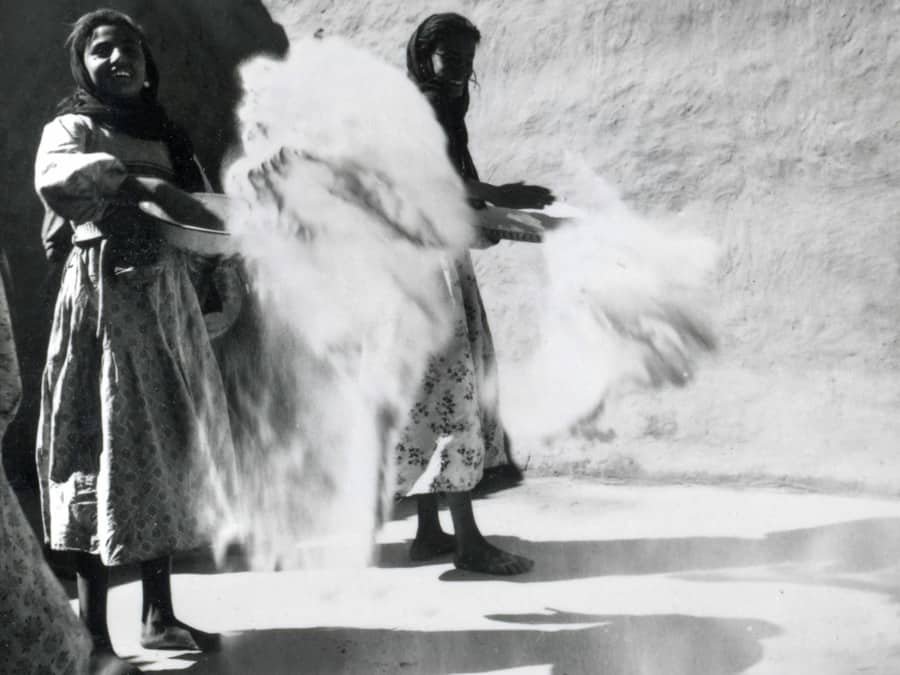
Source: Photographs by Abdel-Fattah Eid, The Cairo Review of Global Affairs.
Source: Photographs by Abdel-Fattah Eid, The Cairo Review of Global Affairs.
![Women from the southern villages in Egyptian Nubia | Mousa, Adel. and Saleh, Mohie El-Din, 2012. Ayam Nubiya: 'An Rihlet Professor Anna Hohenfarth [Nubian Days: On professor Anna Hohenfarth Journey]. Cairo: General Egyptian Book Organisation](https://images.squarespace-cdn.com/content/v1/65b41067c4042363cf11625f/1197f073-1b83-462d-ad0f-844f85322021/24.png)
Women from the southern villages in Egyptian Nubia | Mousa, Adel. and Saleh, Mohie El-Din, 2012. Ayam Nubiya: 'An Rihlet Professor Anna Hohenfarth [Nubian Days: On professor Anna Hohenfarth Journey]. Cairo: General Egyptian Book Organisation
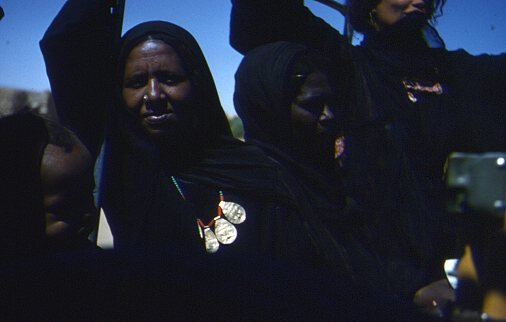
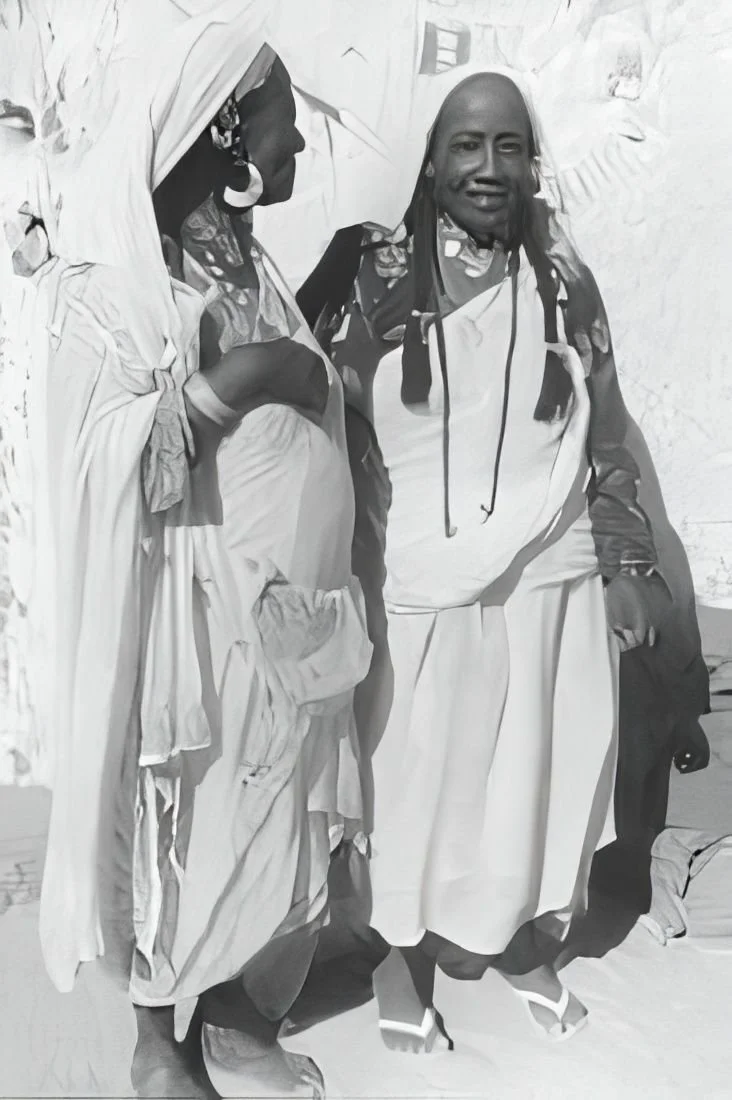
More women at Faras. Emery, J. (Photographer). More women at Faras. Flickr. © James Emery. Licensed under the Creative Commons Attribution 2.0 Generic (CC BY 2.0) license: https://creativecommons.org/licenses/by/2.0/ No changes were made to the original image. This use does not imply endorsement by the creator.
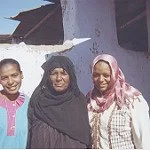
Three Nubian women together. Emery, J. (Photographer). Untitled. Flickr. © James Emery. Licensed under the Creative Commons Attribution 2.0 Generic (CC BY 2.0) license: https://creativecommons.org/licenses/by/2.0/ No changes were made to the original image. This use does not imply endorsement by the creator.
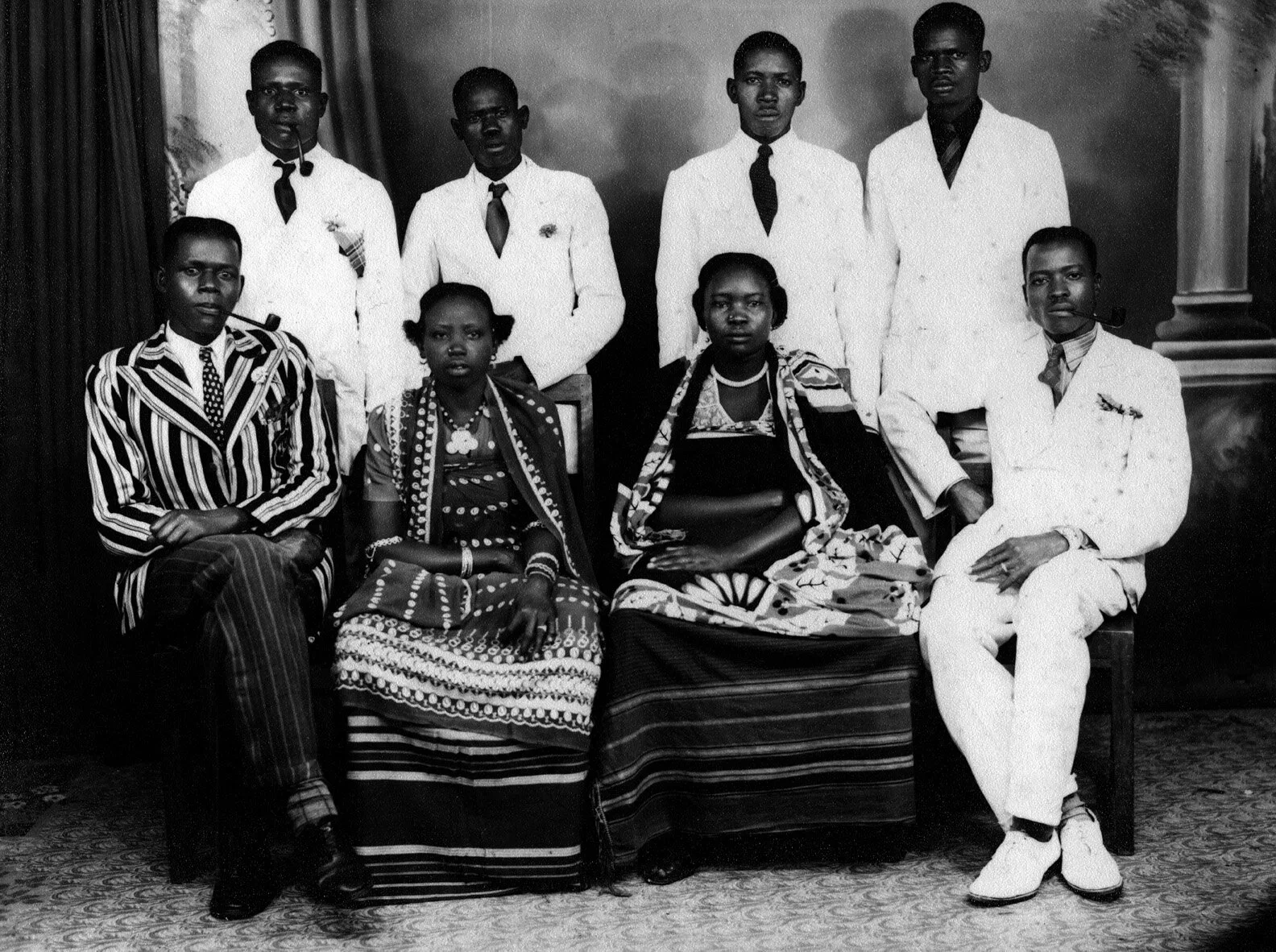
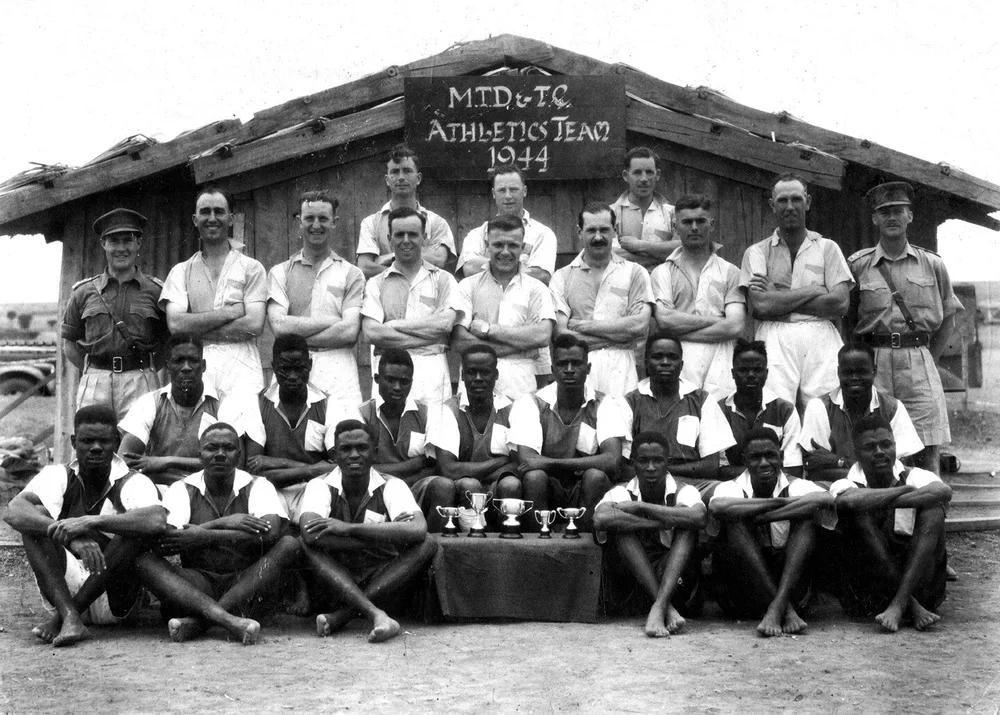
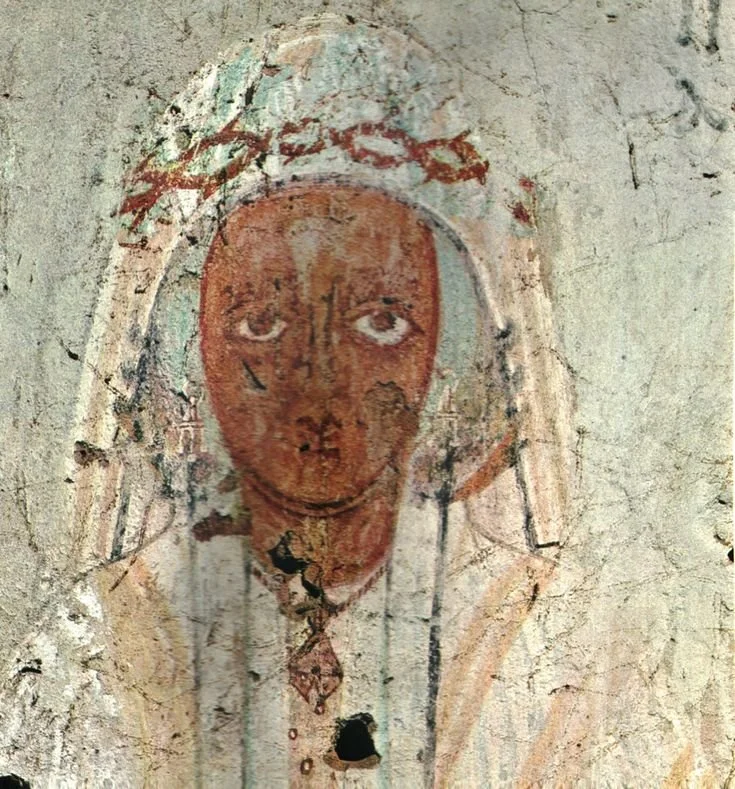
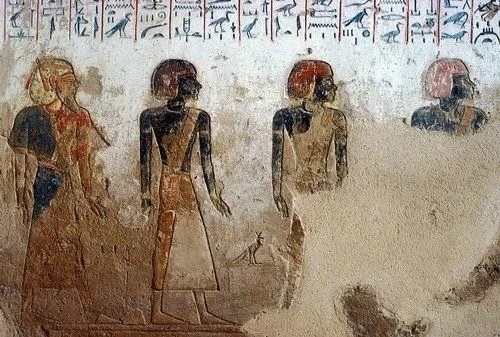
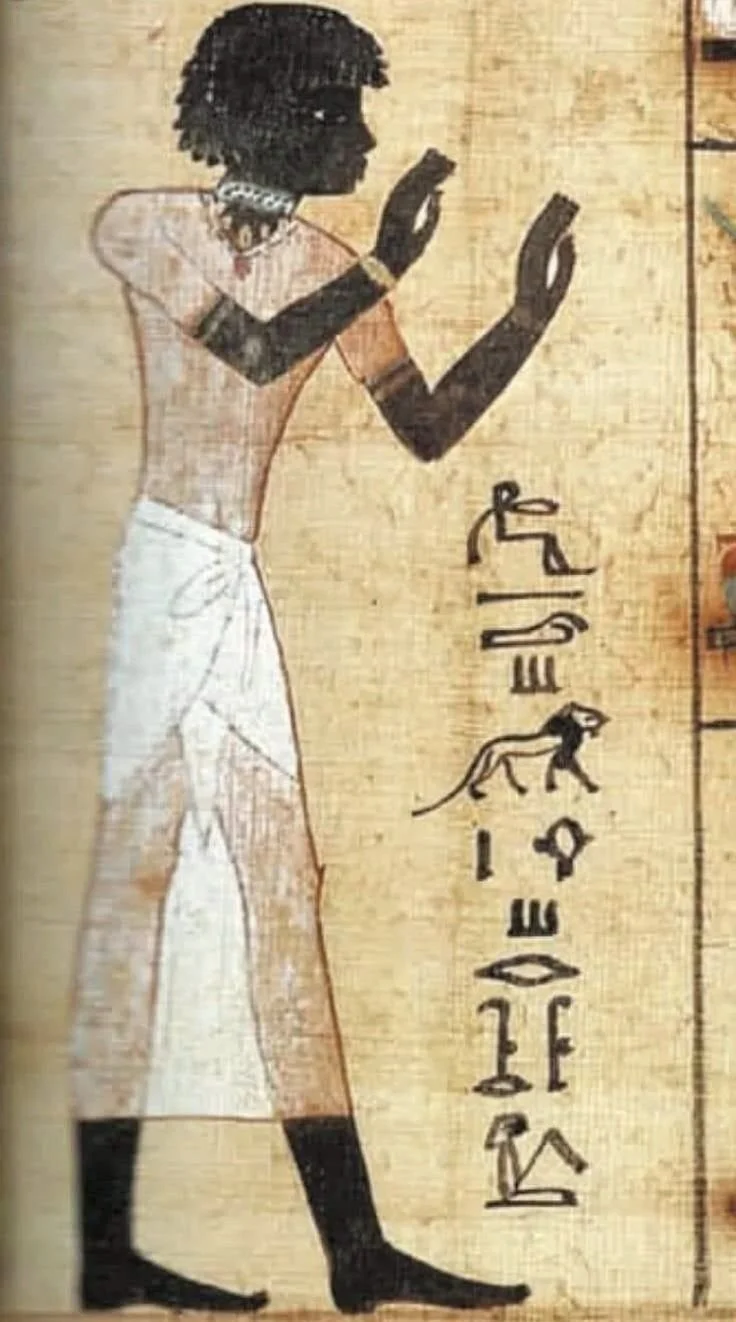
Nubians in worship, relief depicting Nubian figures in devotional scenes within ancient Egyptian temple art. Source: Nubia and the Noba People, Black History Month UK.
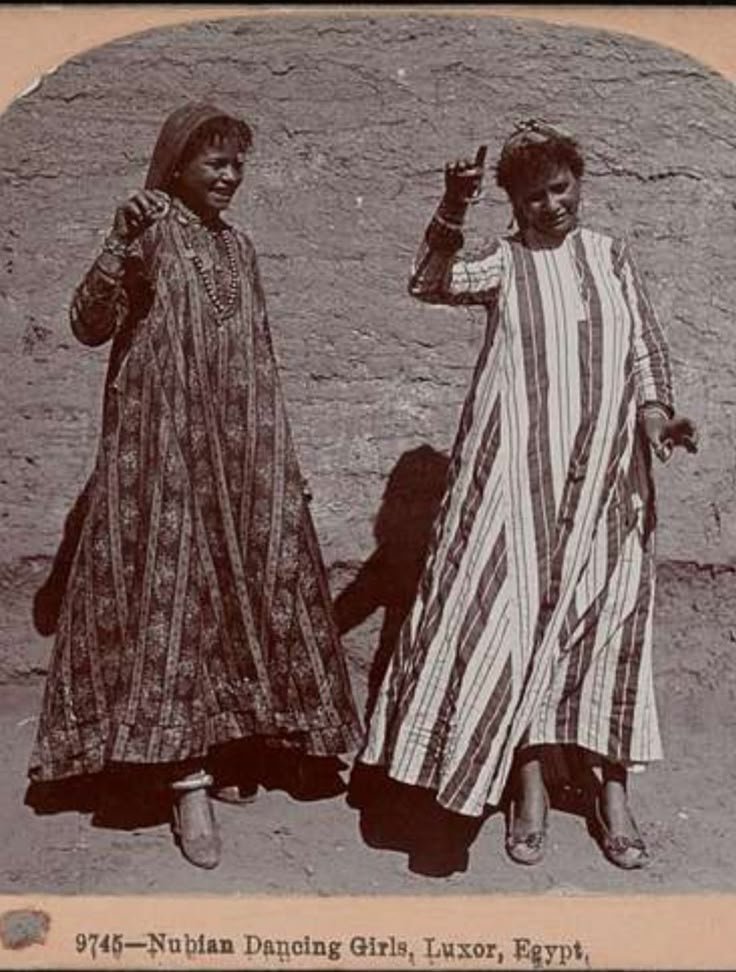
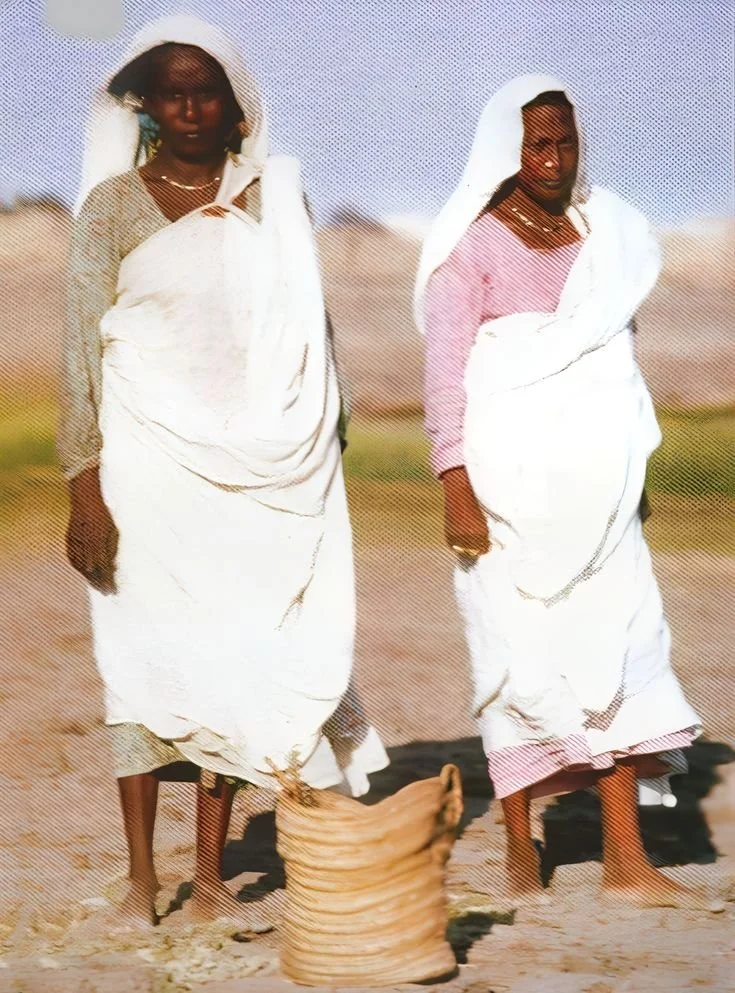
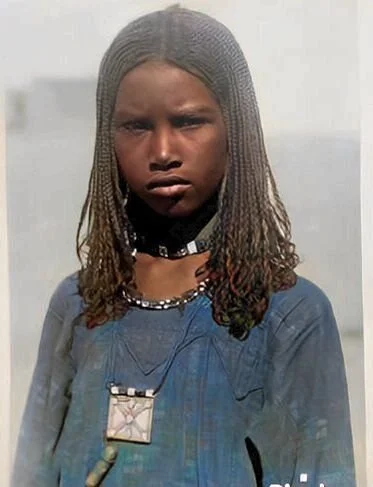
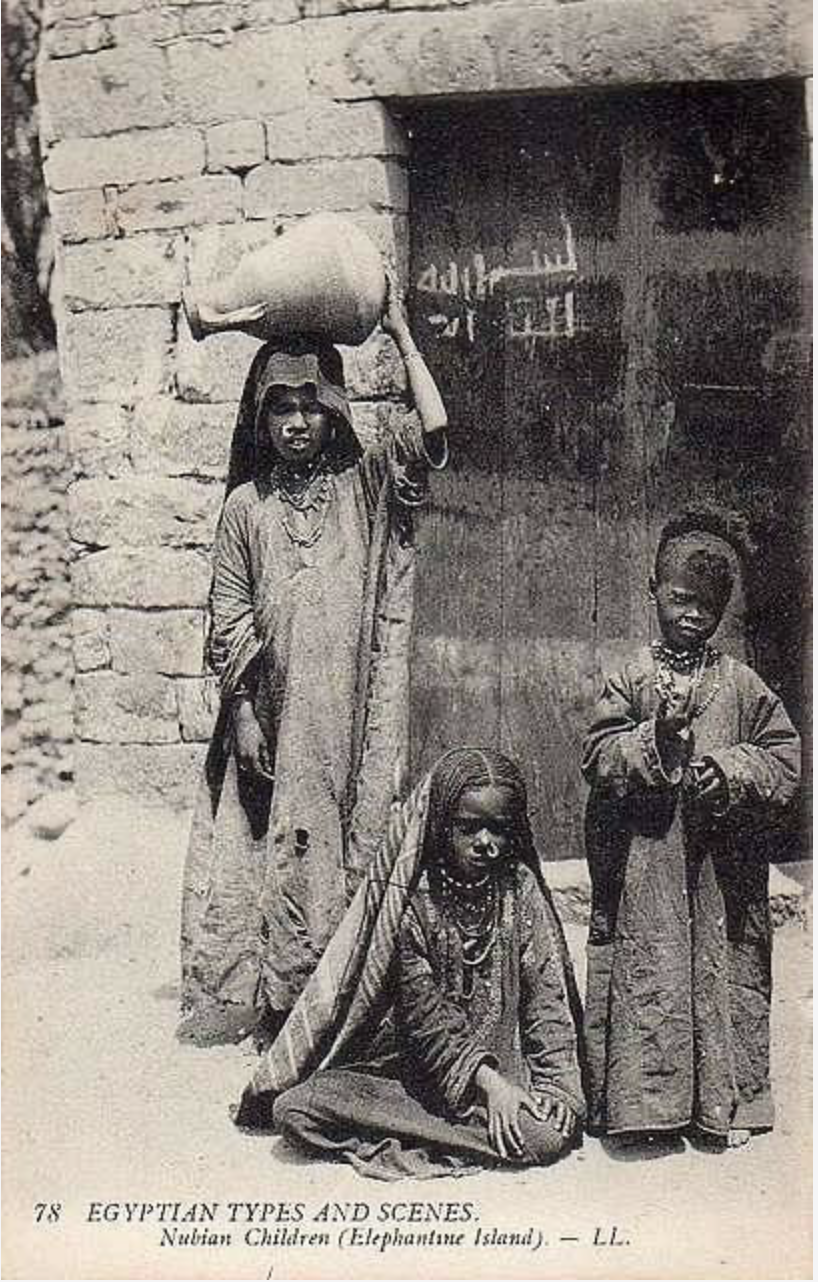
Nubian Children, ca. 1890. Library of Congress, Frank and Frances Carpenter Collection.
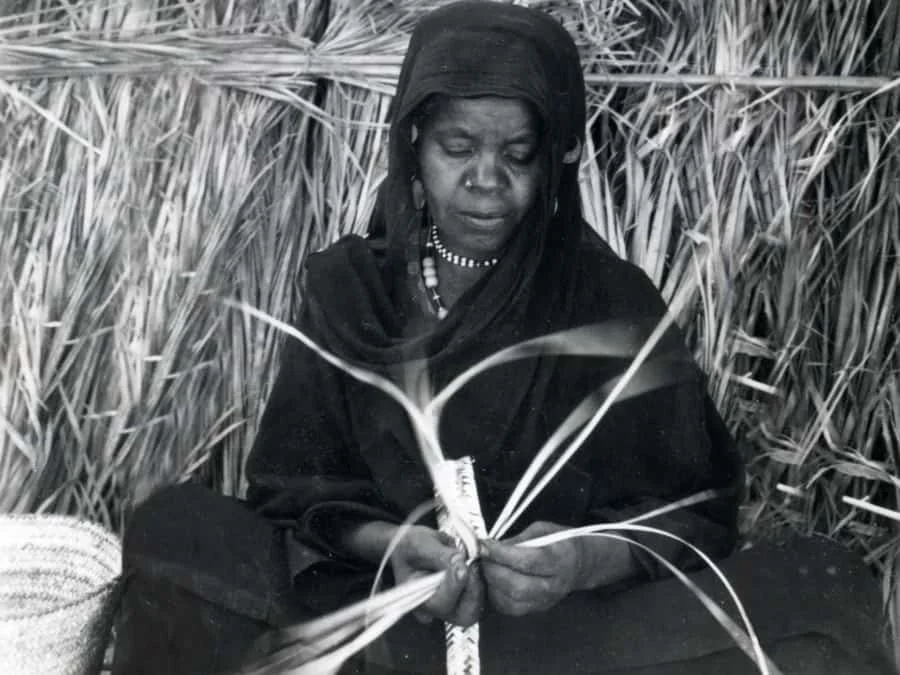
Nubian Woman Weaving, Source: Photographs by Abdel-Fattah Eid, The Cairo Review of Global Affairs.
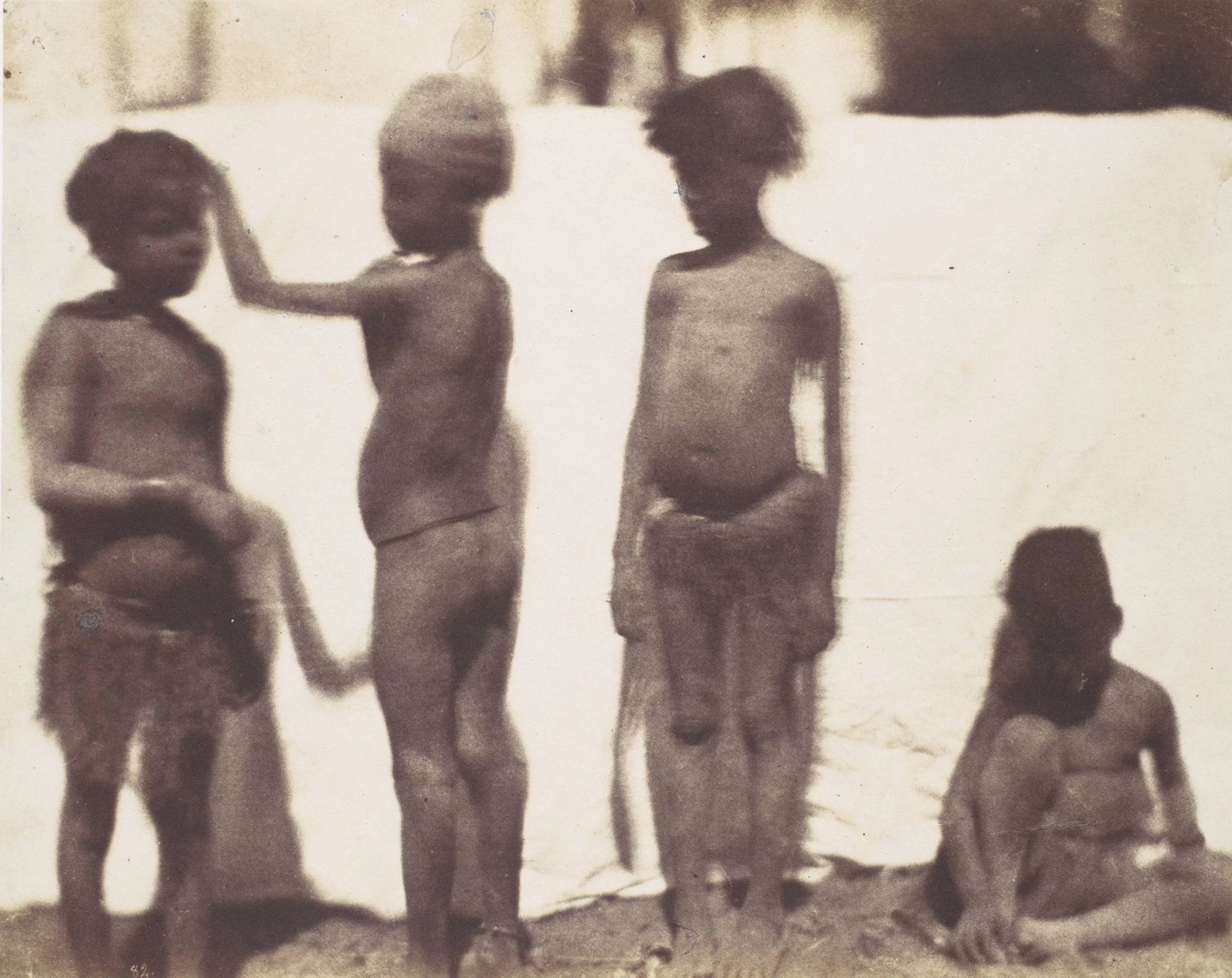
Children from the village of Kalabshah, Nubia, photograph by Ernest Benecke, 1852, salted paper print, Metropolitan Museum of Art.
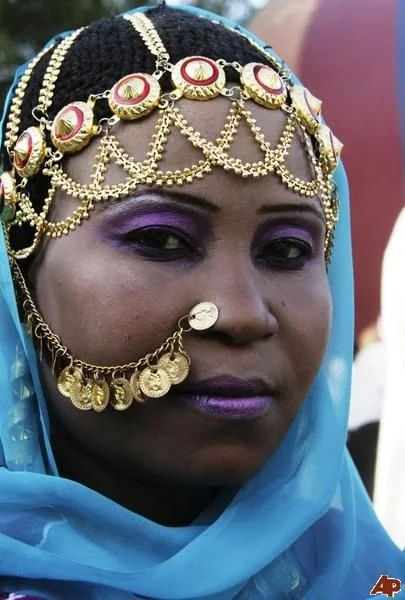
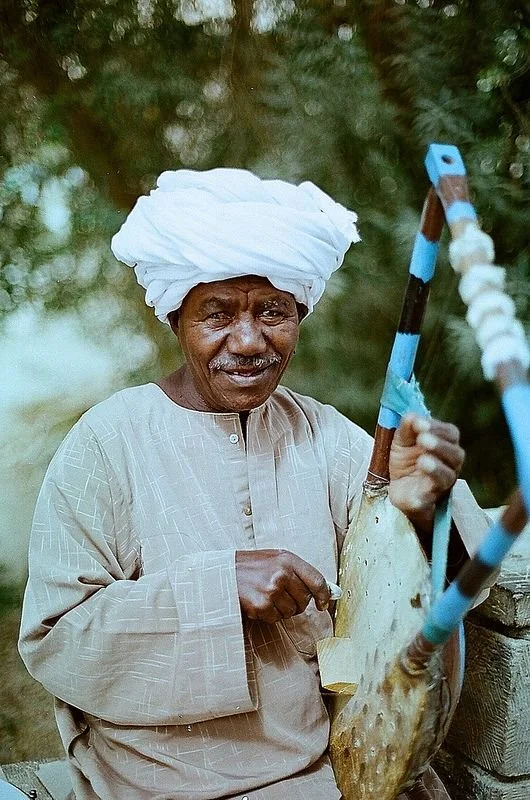
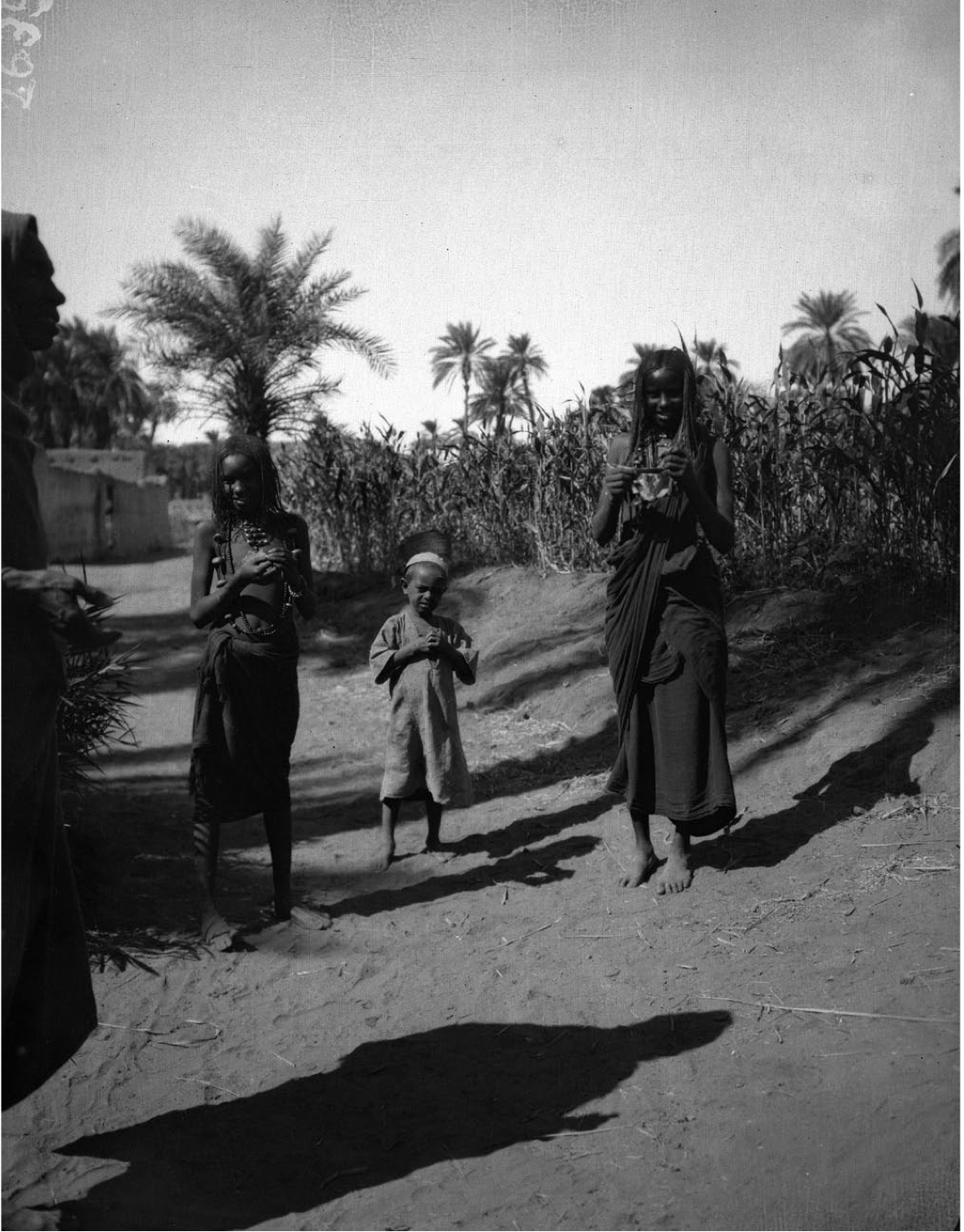
Nubian Children from Barkal Village, 1906. Oriental Institute, University of Chicago. P. B872
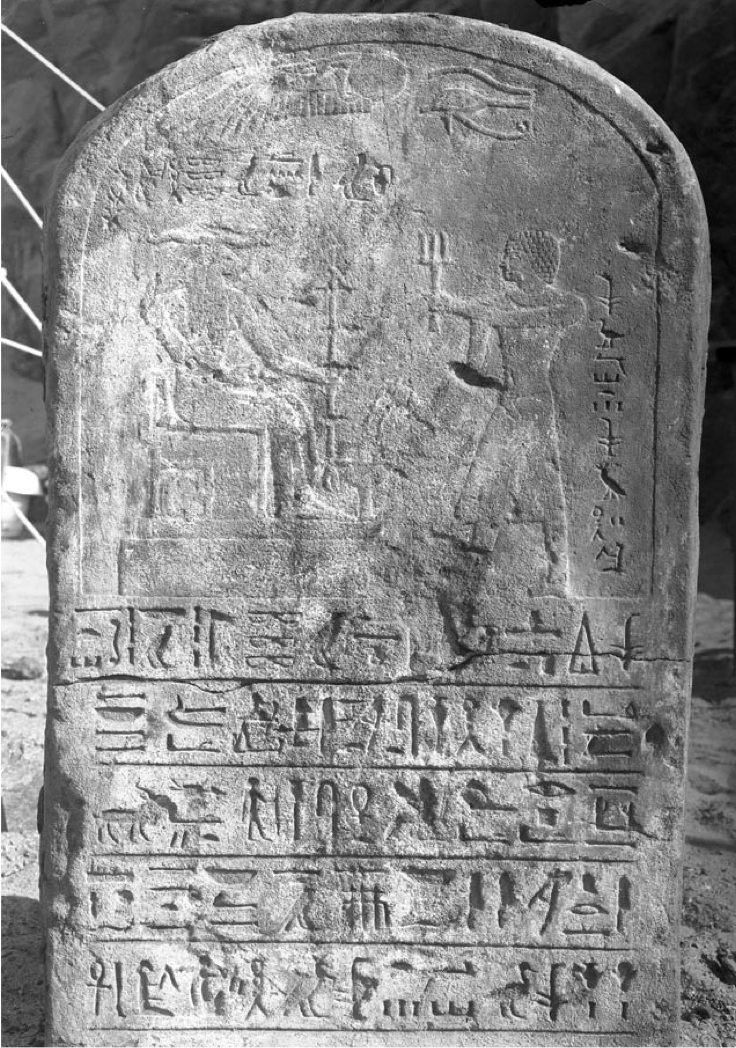
The Votive Stela of Nehi, Viceroy of Nubia, Oriental institute, University of Chicago. P.3329
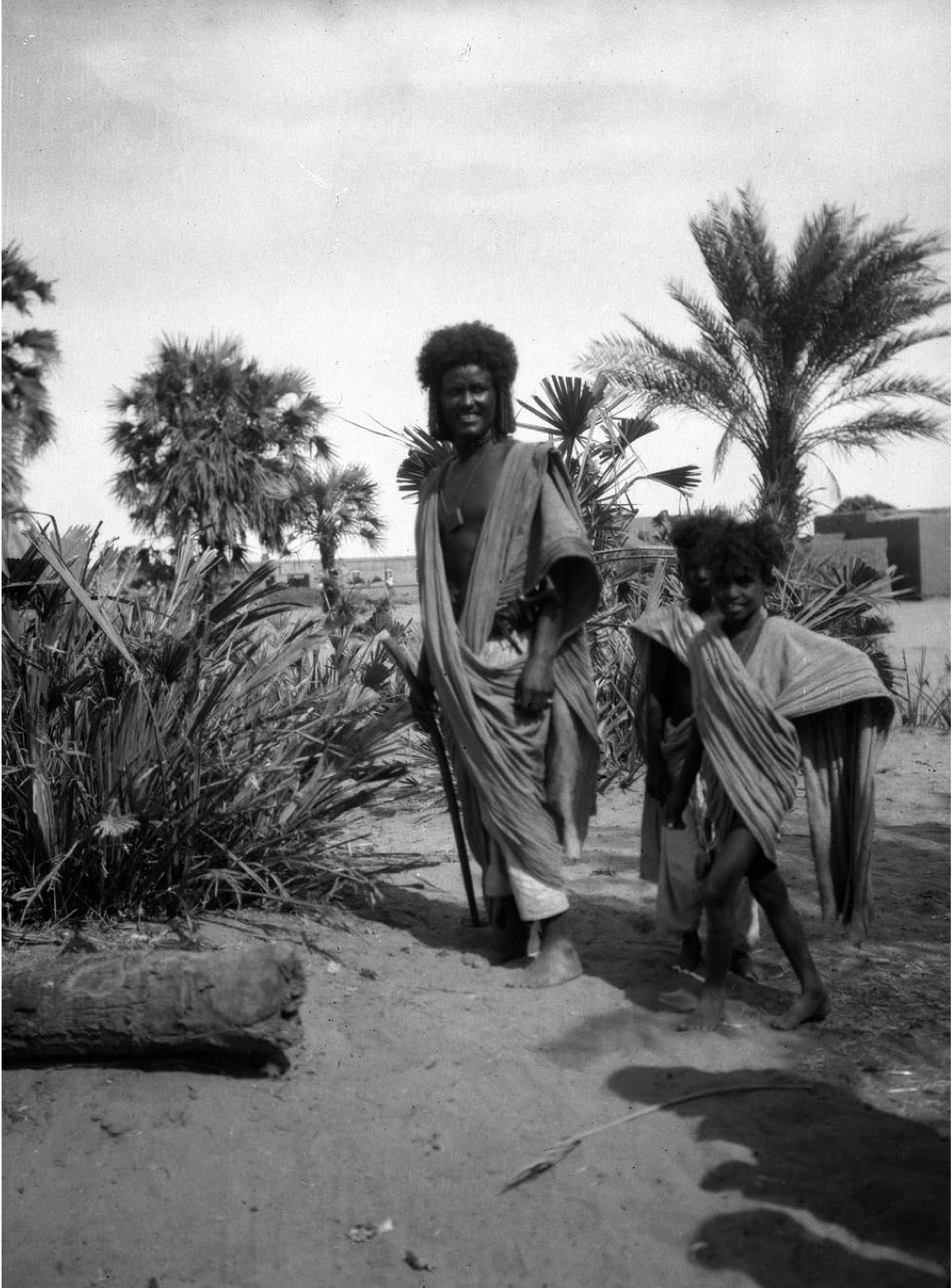
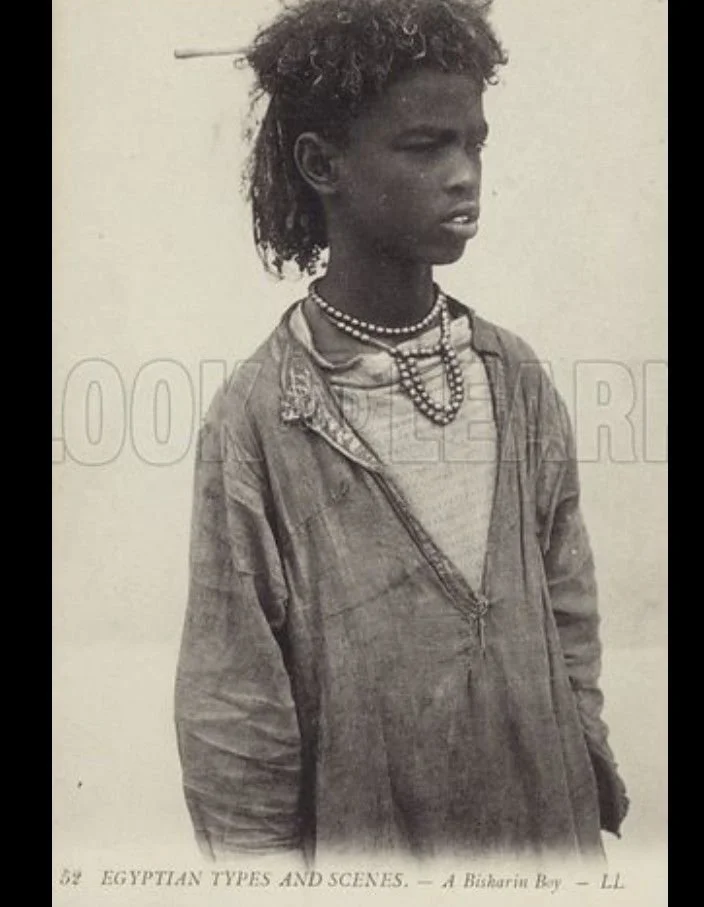
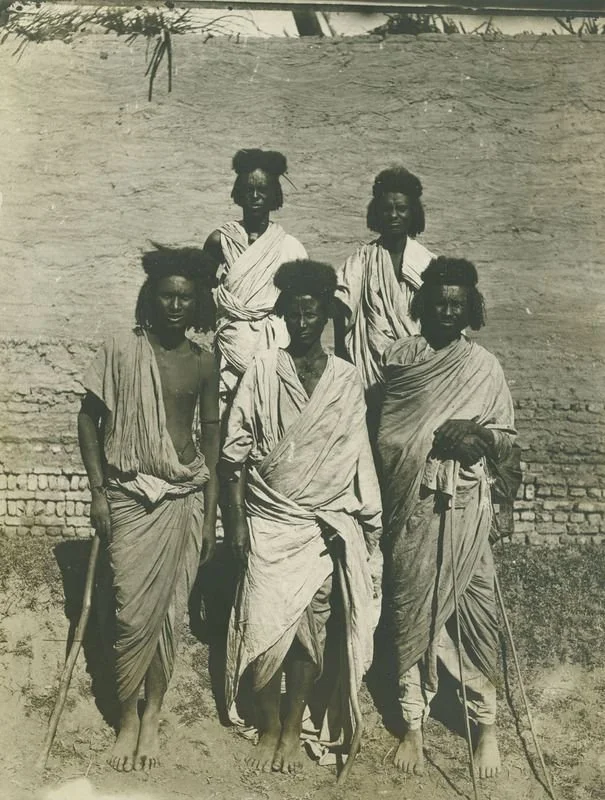
A Bishari Camel Driver and His Sons,1906. Oriental Institute, University of Chicago. P. B786
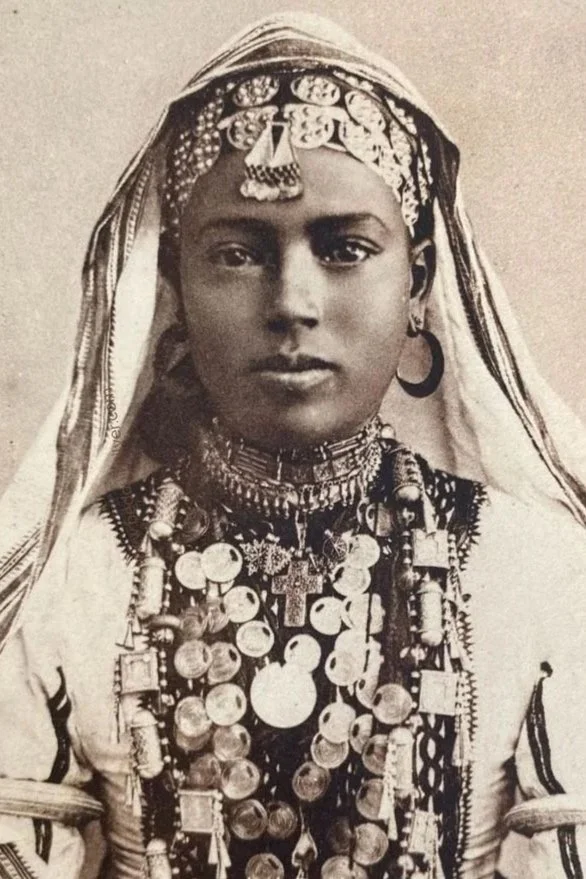

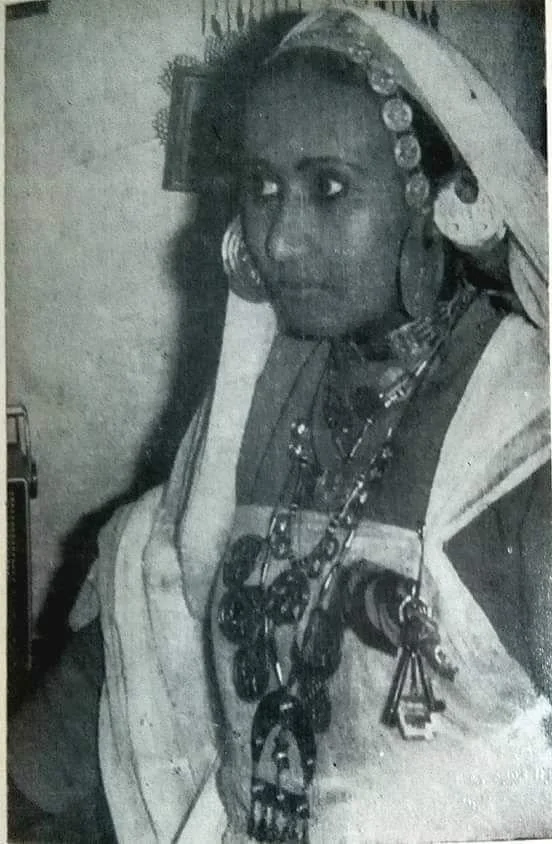
![Women from Korosko: Riad, M. and Abd El -Rasoul, K. (2010). Rehla fi Zaman Al Nuba [Journey in the Time of Nubia]. 2nd ed. Cairo: General Egyptian Book Organisation.](https://images.squarespace-cdn.com/content/v1/65b41067c4042363cf11625f/da0b2233-589b-4163-bf07-9472eb77f438/23.png)
Women from Korosko: Riad, M. and Abd El -Rasoul, K. (2010). Rehla fi Zaman Al Nuba [Journey in the Time of Nubia]. 2nd ed. Cairo: General Egyptian Book Organisation.
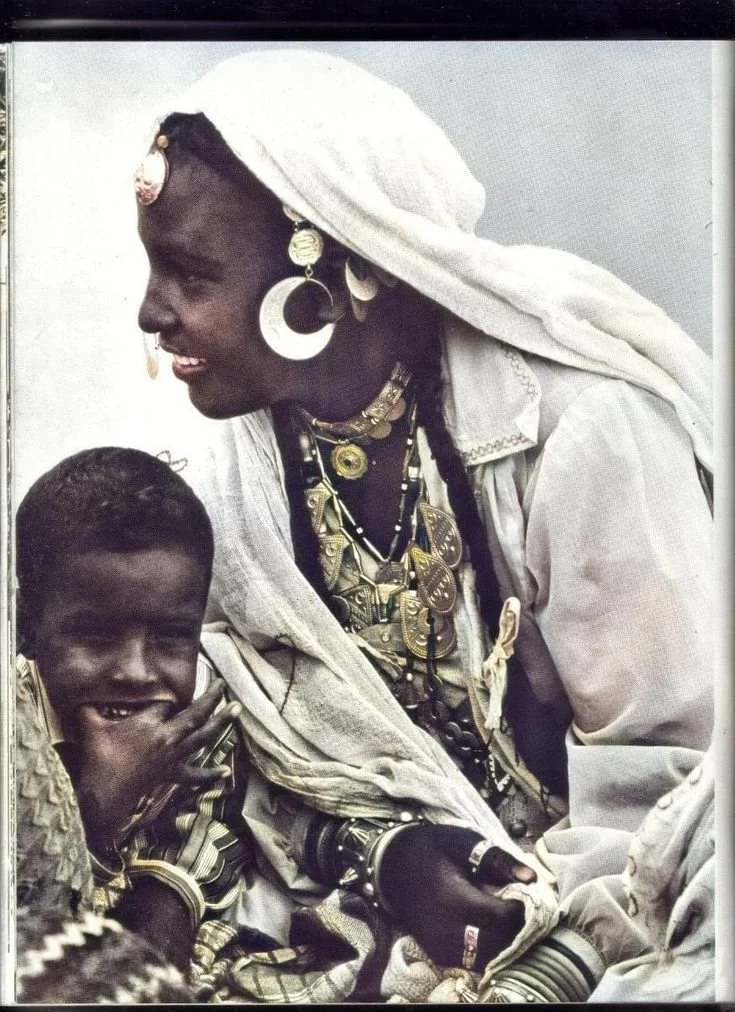
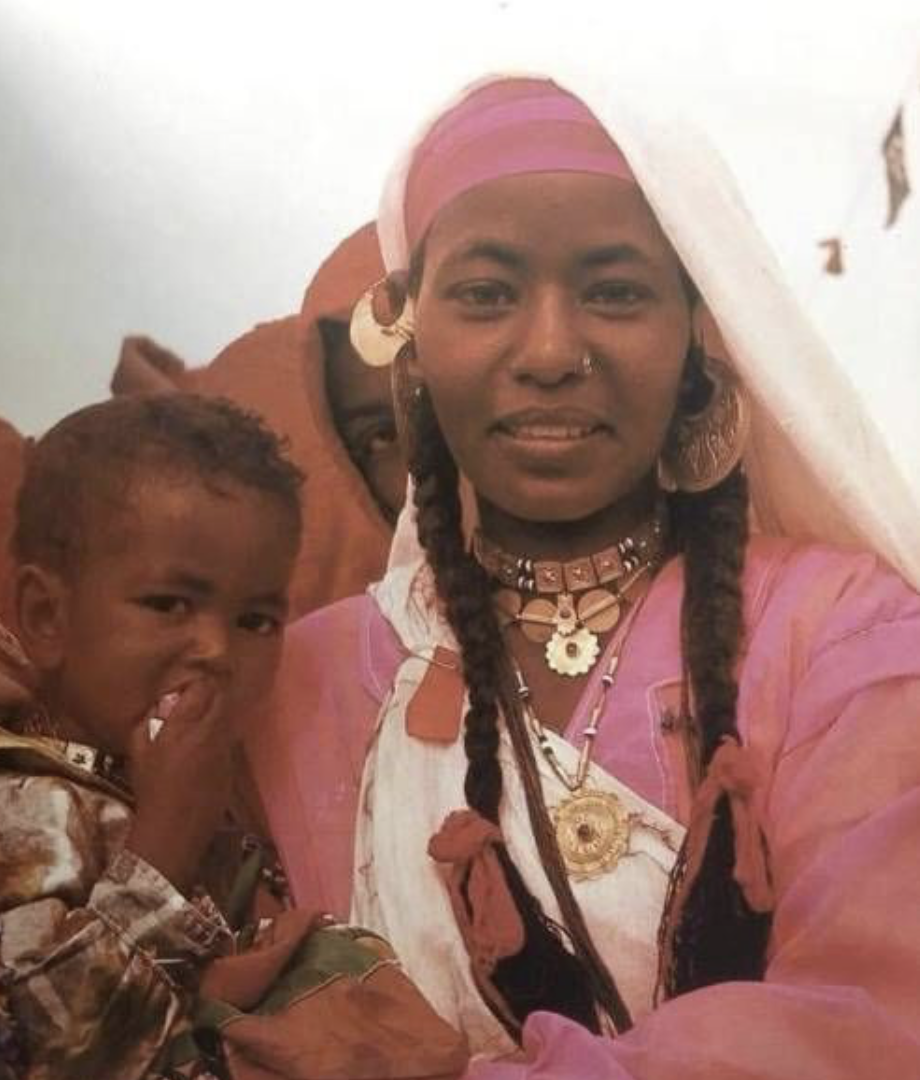
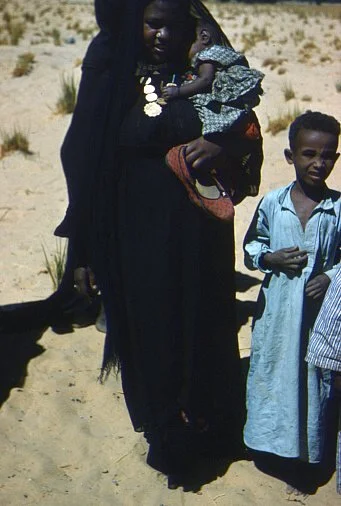
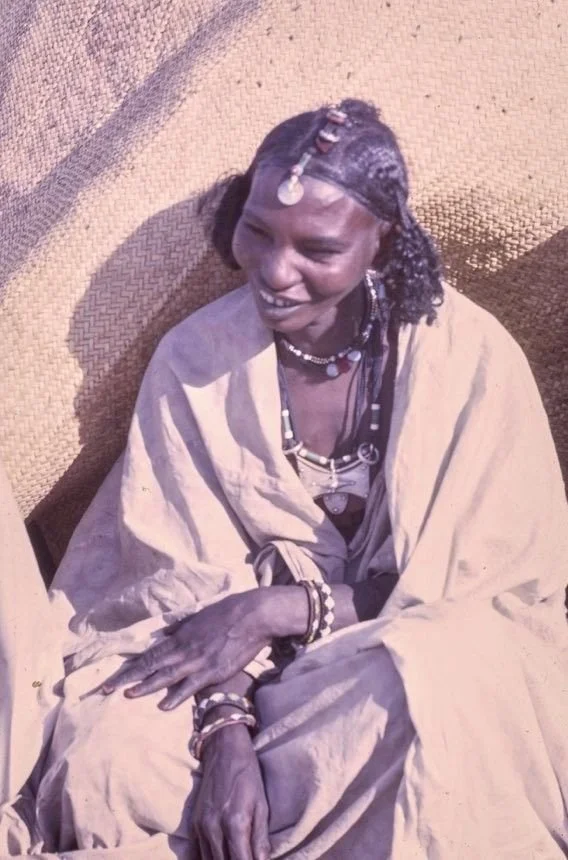
"Woman + child - Faras." A Nubian woman carrying her child with accompanying children in a desert landscape. Emery, J. (Photographer). (Woman + child - Faras). Flickr. © James Emery. Licensed under the Creative Commons Attribution 2.0 Generic (CC BY 2.0) license: https://creativecommons.org/licenses/by/2.0/ No changes were made to the original image. This use does not imply endorsement by the creator.
!["Planting palm trees." A Nubian farmer stands in cultivated fields along the Nile, preparing to plant palm trees in fertile soil carved out of the surrounding desert. Torres, J. (n.d.). Planting palm trees [Photograph]. Against the Compass. https://a](https://images.squarespace-cdn.com/content/v1/65b41067c4042363cf11625f/7a8ef429-75ad-49c8-a368-86faf1443528/Screenshot+2026-03-18+at+23.11.41.png)
"Planting palm trees." A Nubian farmer stands in cultivated fields along the Nile, preparing to plant palm trees in fertile soil carved out of the surrounding desert. Torres, J. (n.d.). Planting palm trees [Photograph]. Against the Compass. https://againstthecompass.com/en/nubian-people-sudan/
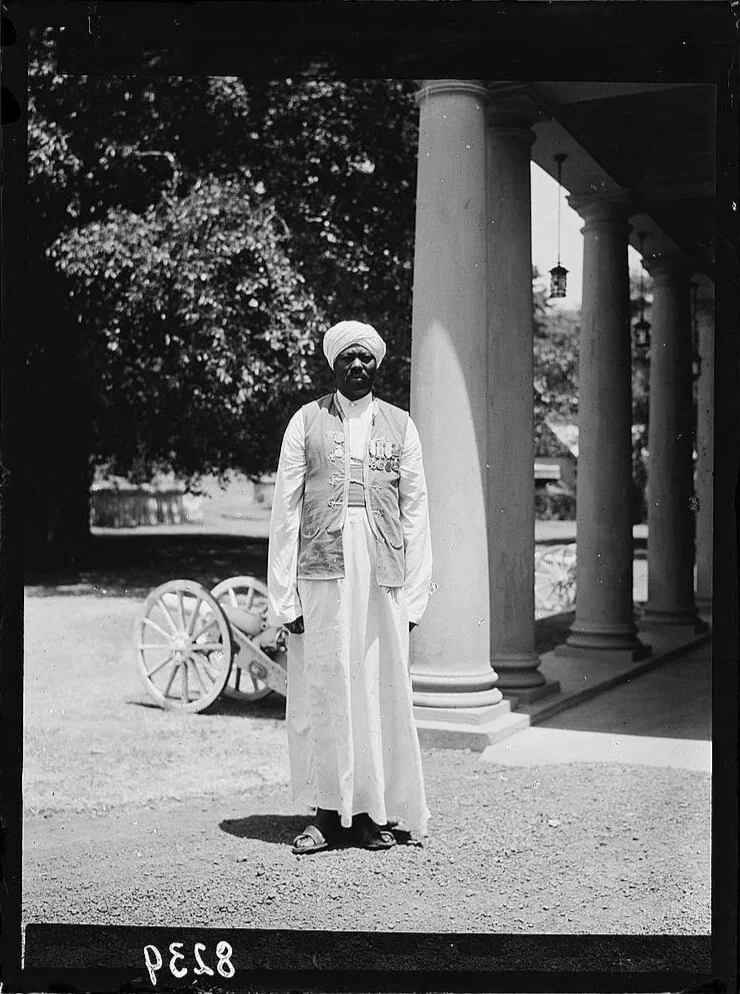
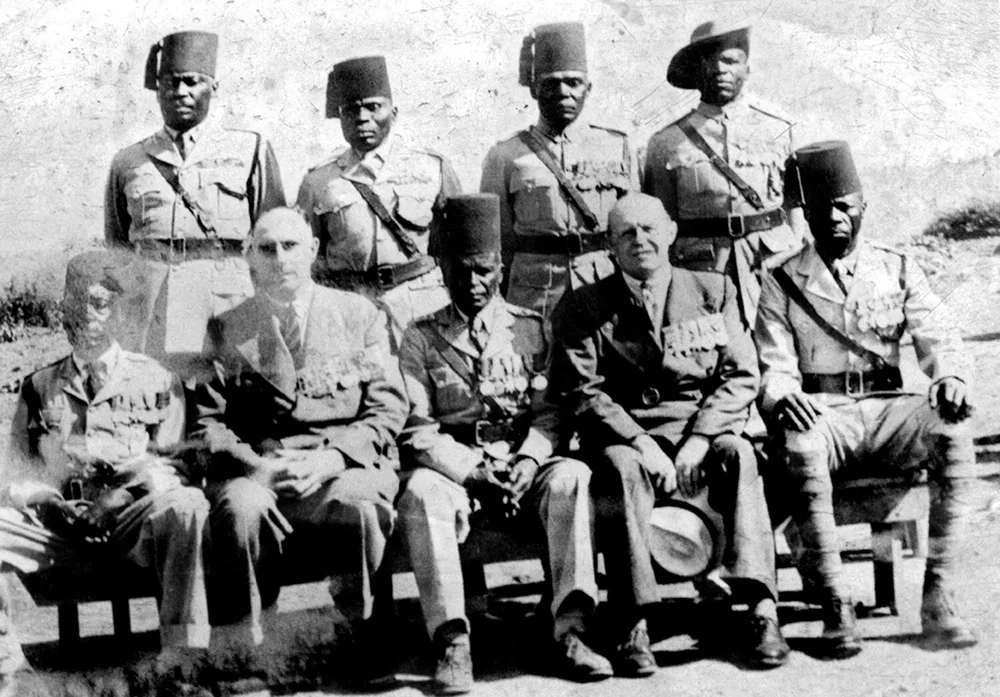
Government House from across the lawn, Nubian guard close up, Entebbe, Uganda, photograph by Matson Photo Service, 1936. Source: Library of Congress, G. Eric and Edith Matson Photograph Collection.
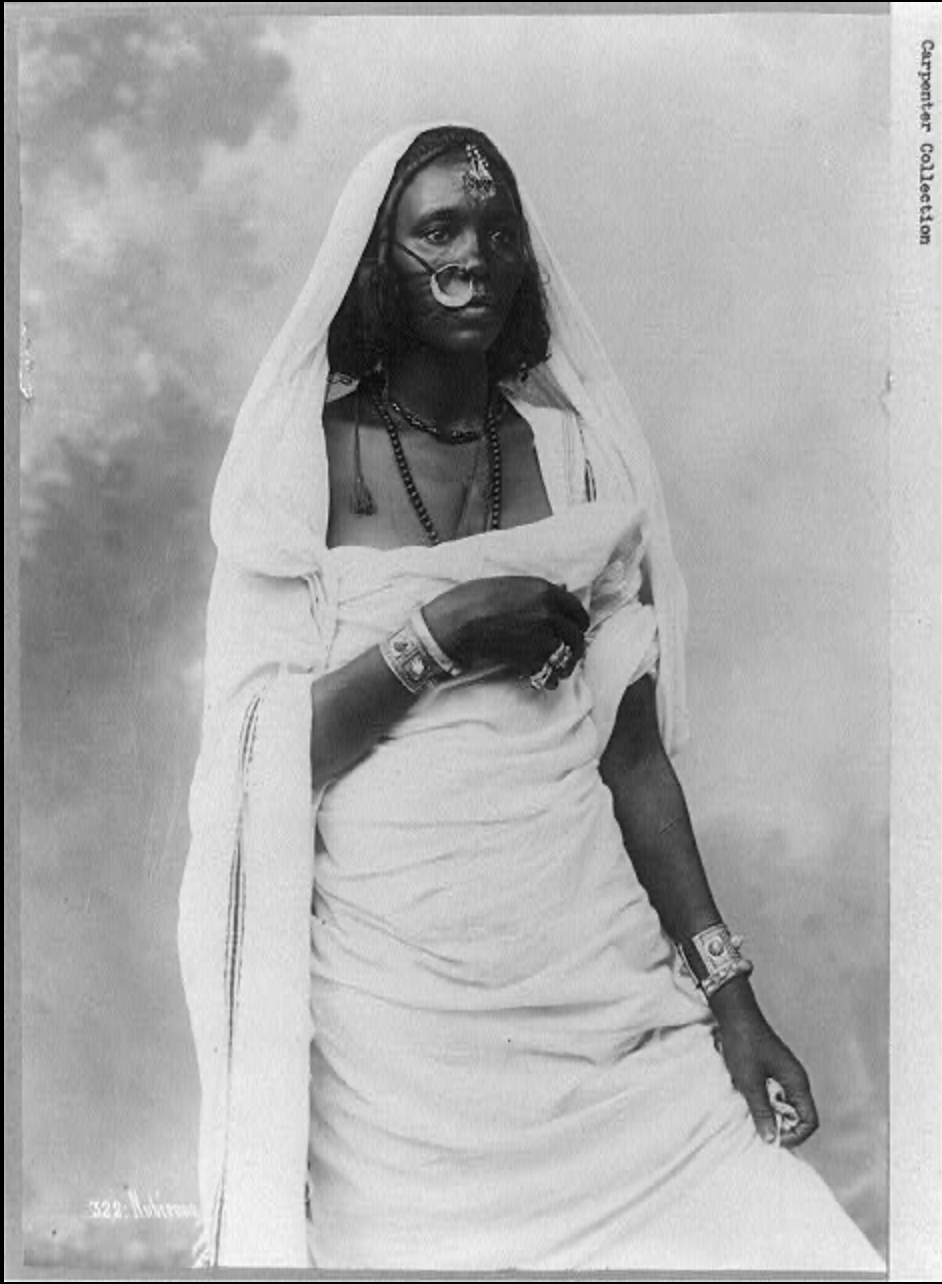
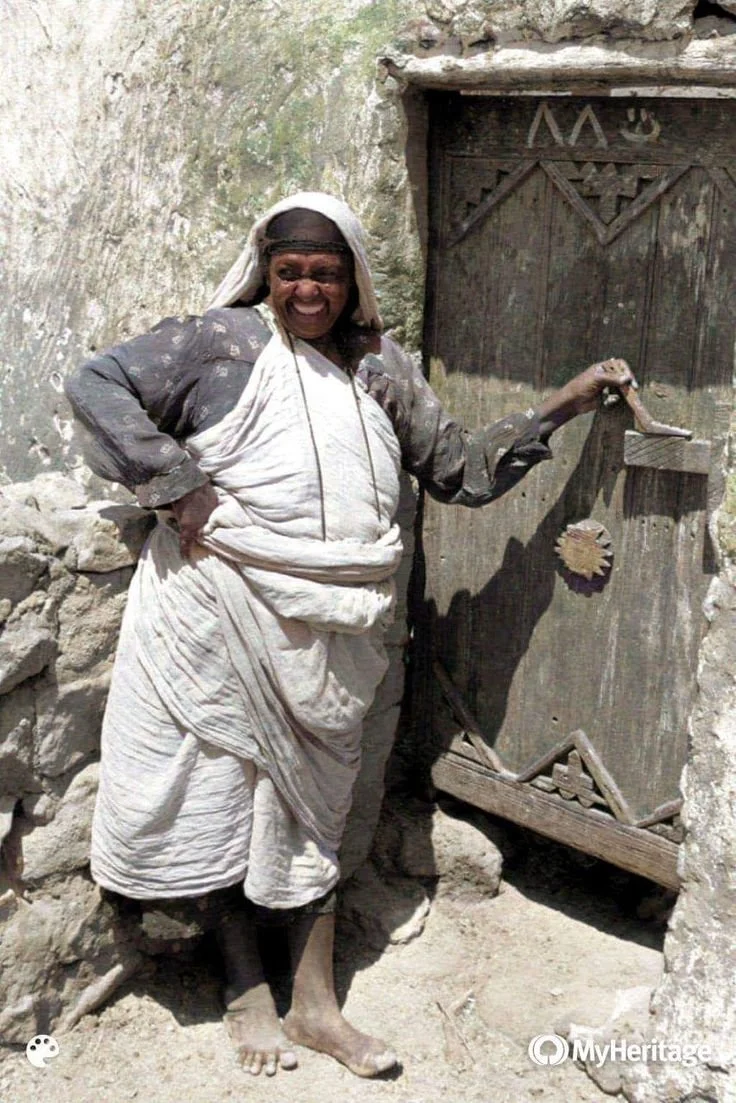
Nubian woman, Anglo-Egyptian Sudan, between 1890 — 1923. Frank and Frances Carpenter Collection, Library of Congress.
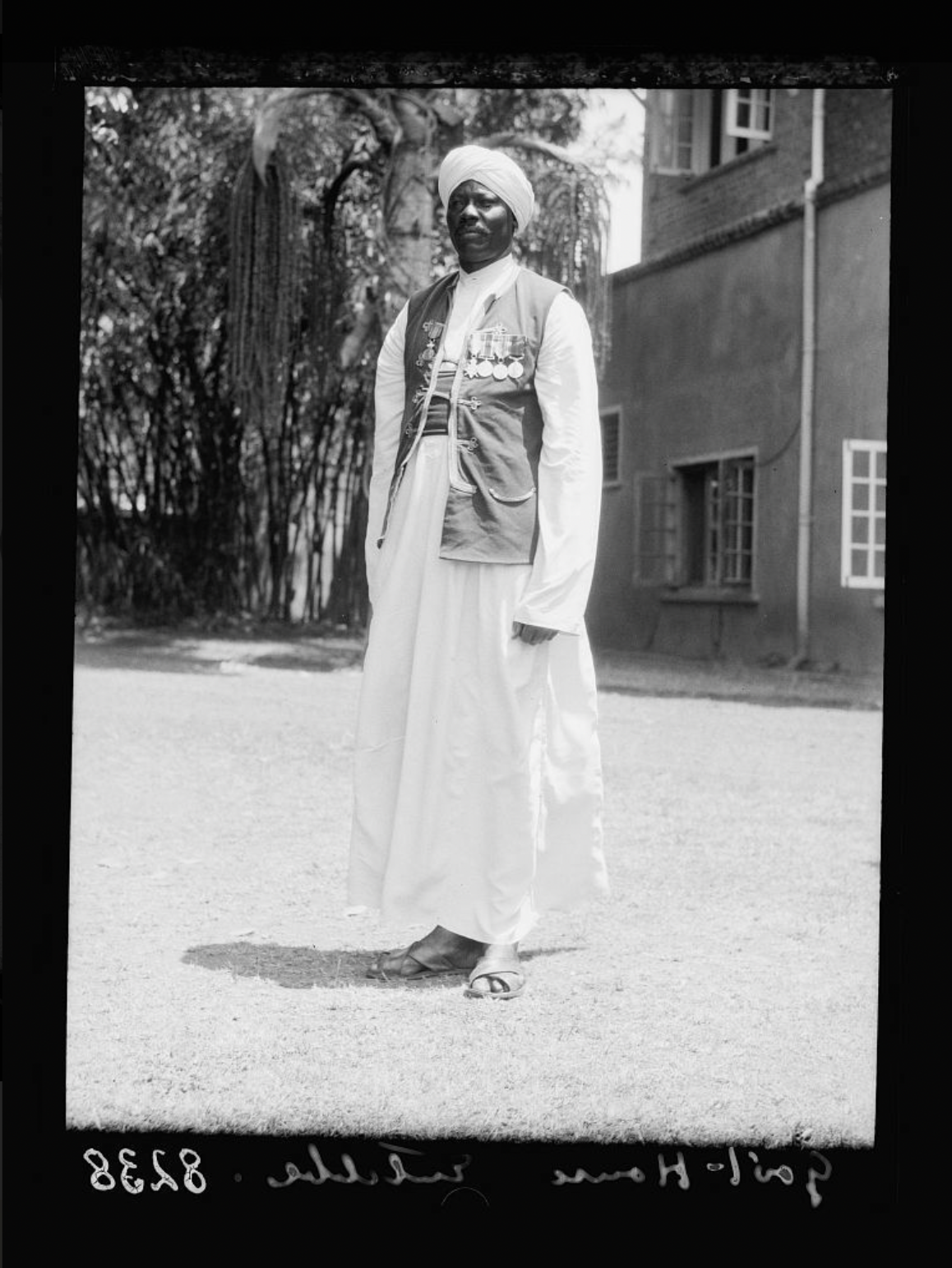
Government House from across the lawn, Nubian guard close up II, Entebbe, Uganda, photograph by Matson Photo Service, 1936. Source: Library of Congress, G. Eric and Edith Matson Photograph Collection.
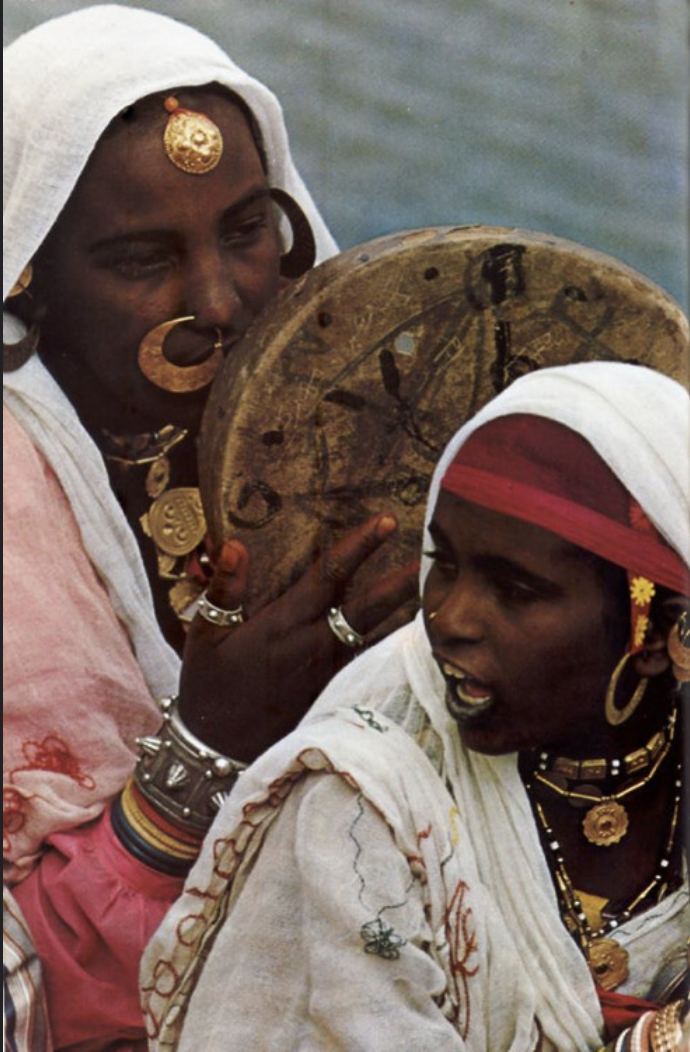
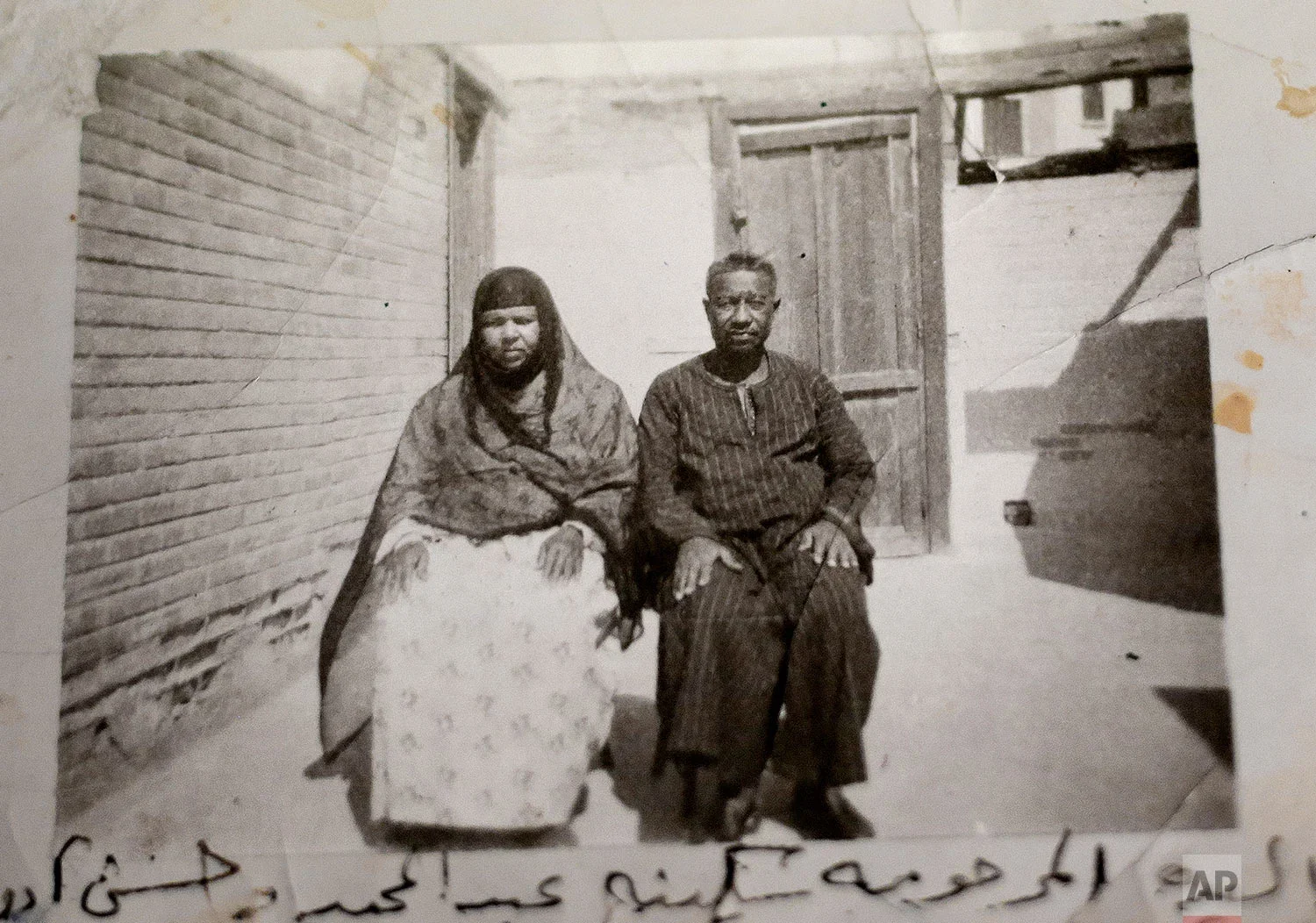
Nubian Women, 1963
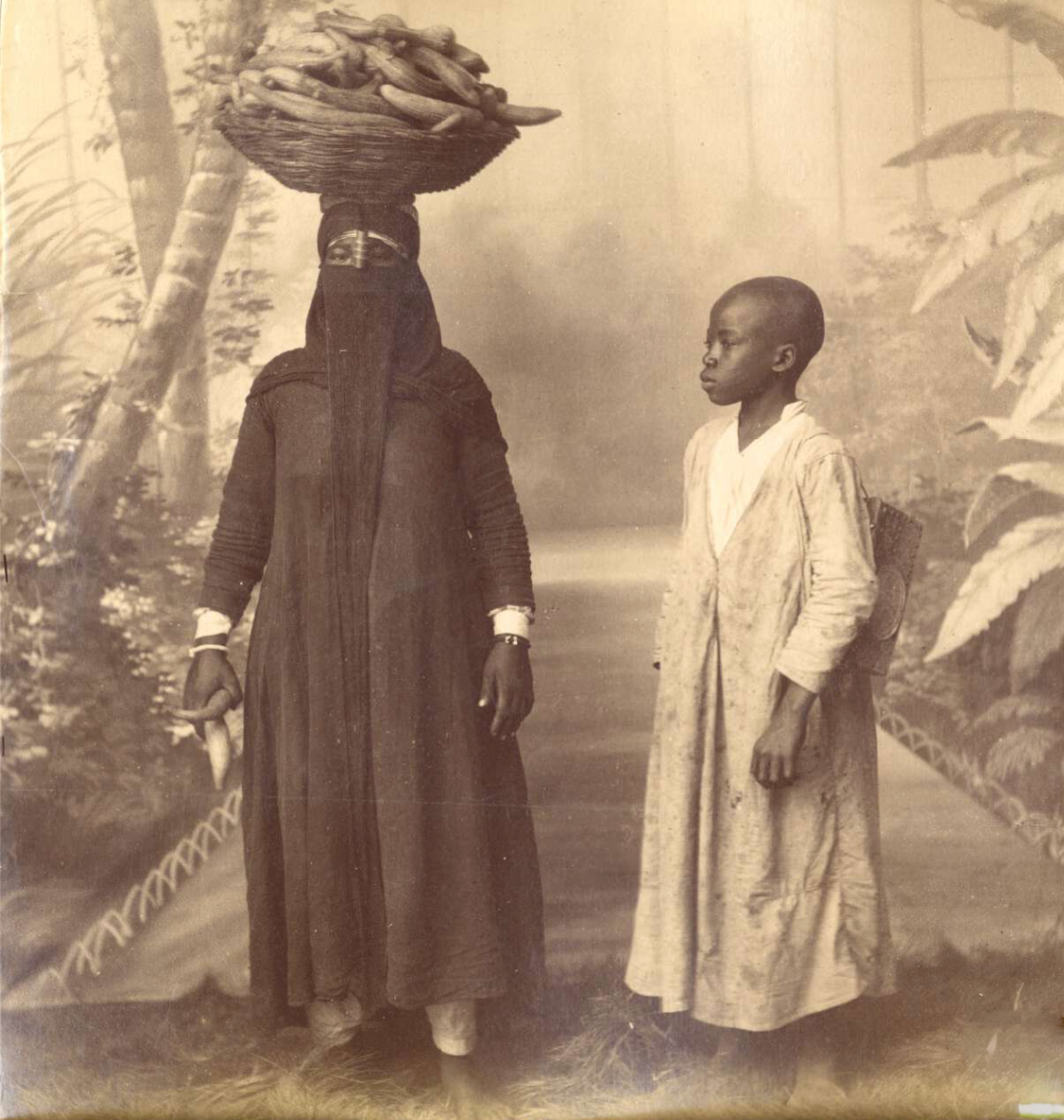
Nubian adult female and male child, photographed by McCarthy, Egypt, ca. 1850–1900. Source: The British Museum, museum
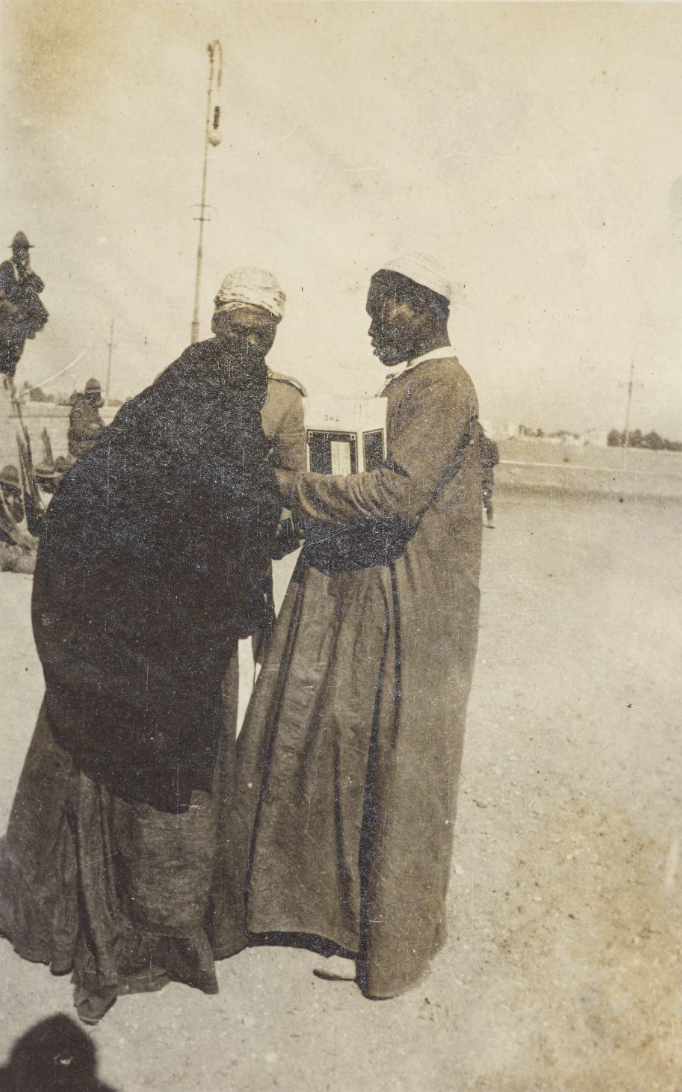
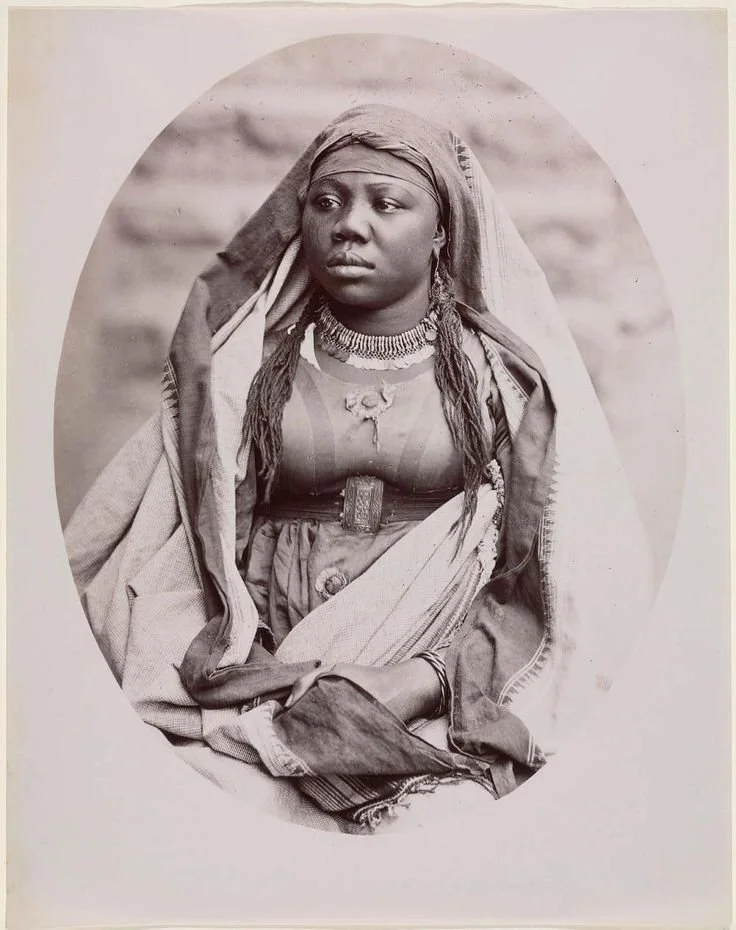
Woman of Nubian descent. Albumen silver print by Antonio Beato, ca. 1870s. Source: J. Paul Getty Museum.
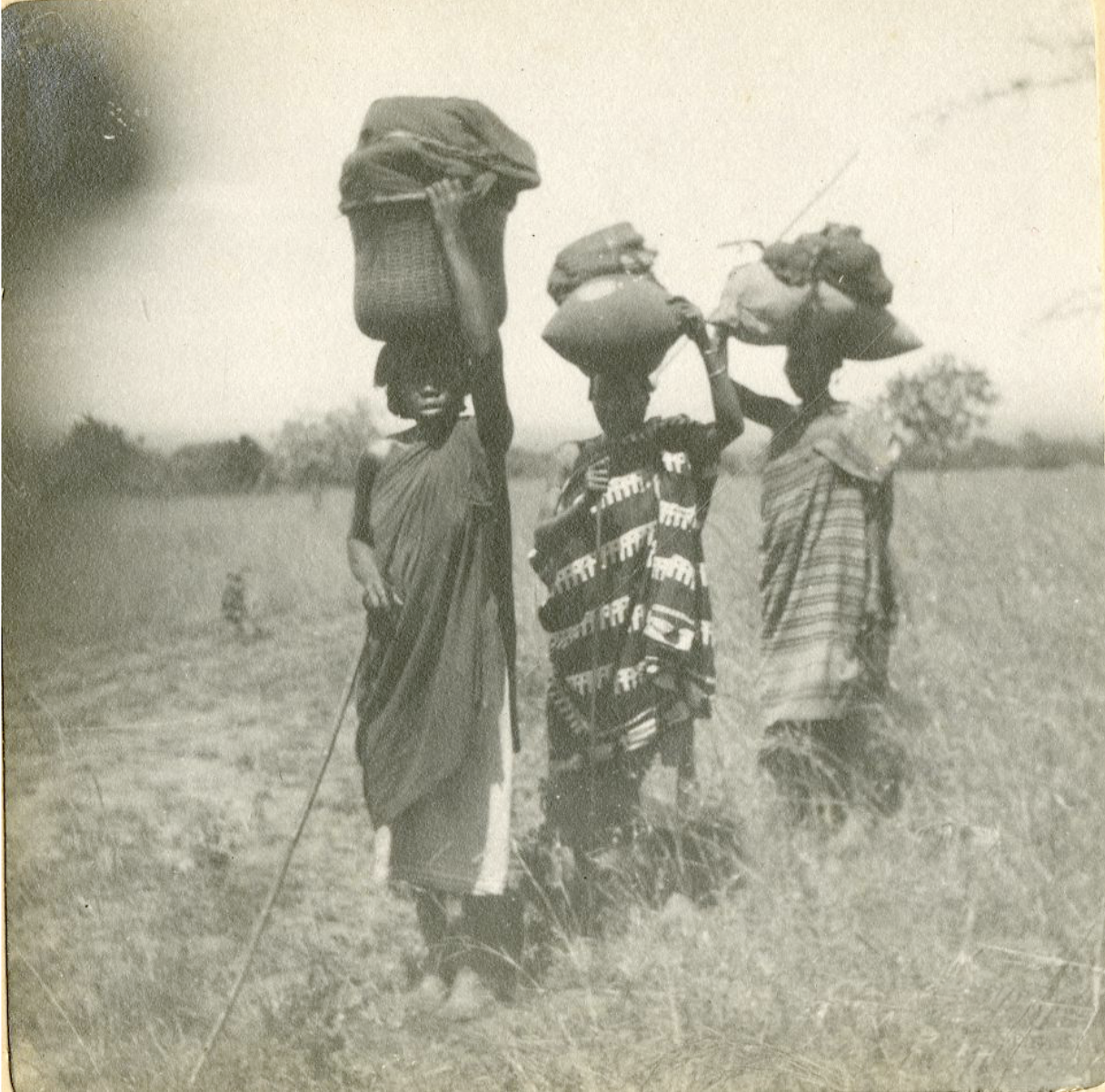
Photographic print with a Nubian woman, probably from Qasr Ibrim (Nubia), medieval period. Source: British Museum
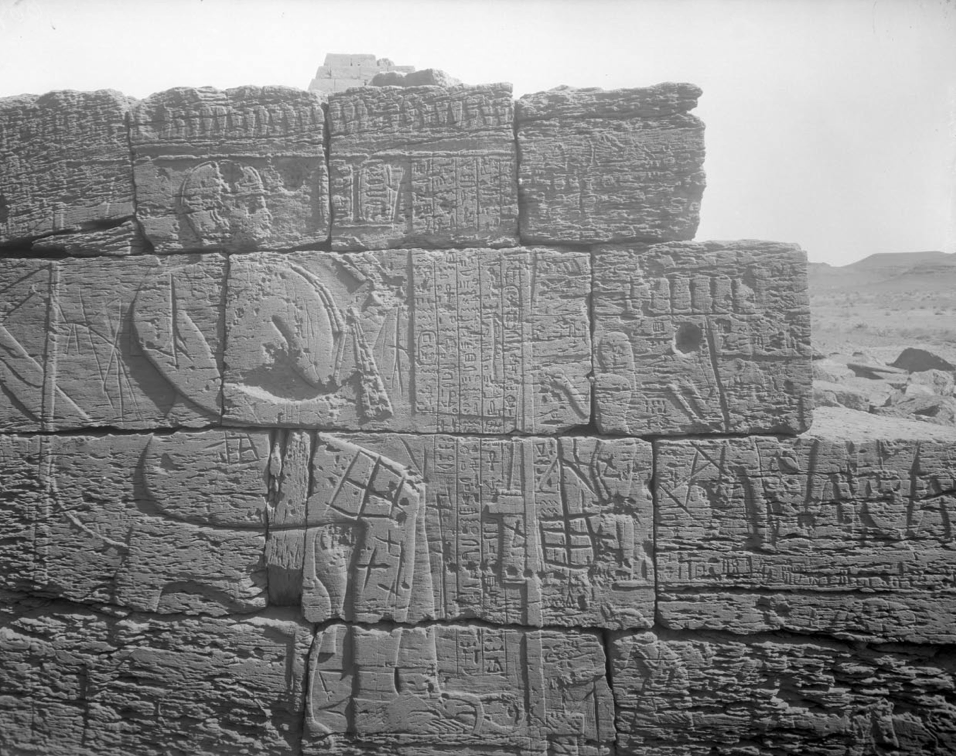
A Meroitic Queen Receives Offerings, 1906. Oriental Institute, University of Chicago. P.2925
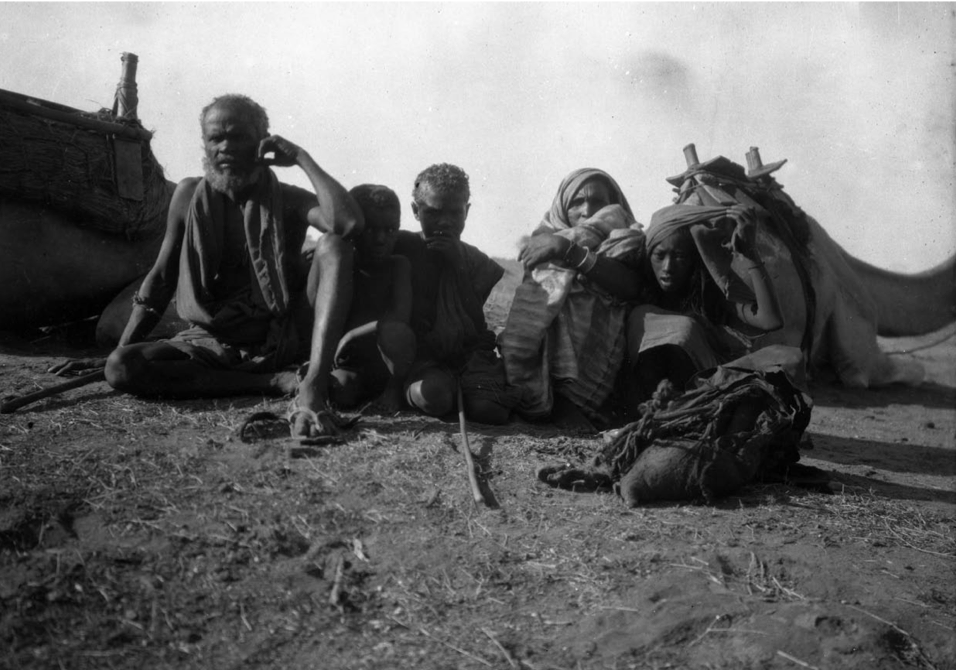
A Sudanese Family at Naga, 1906. Oriental Institute, University of Chicago. P. B755
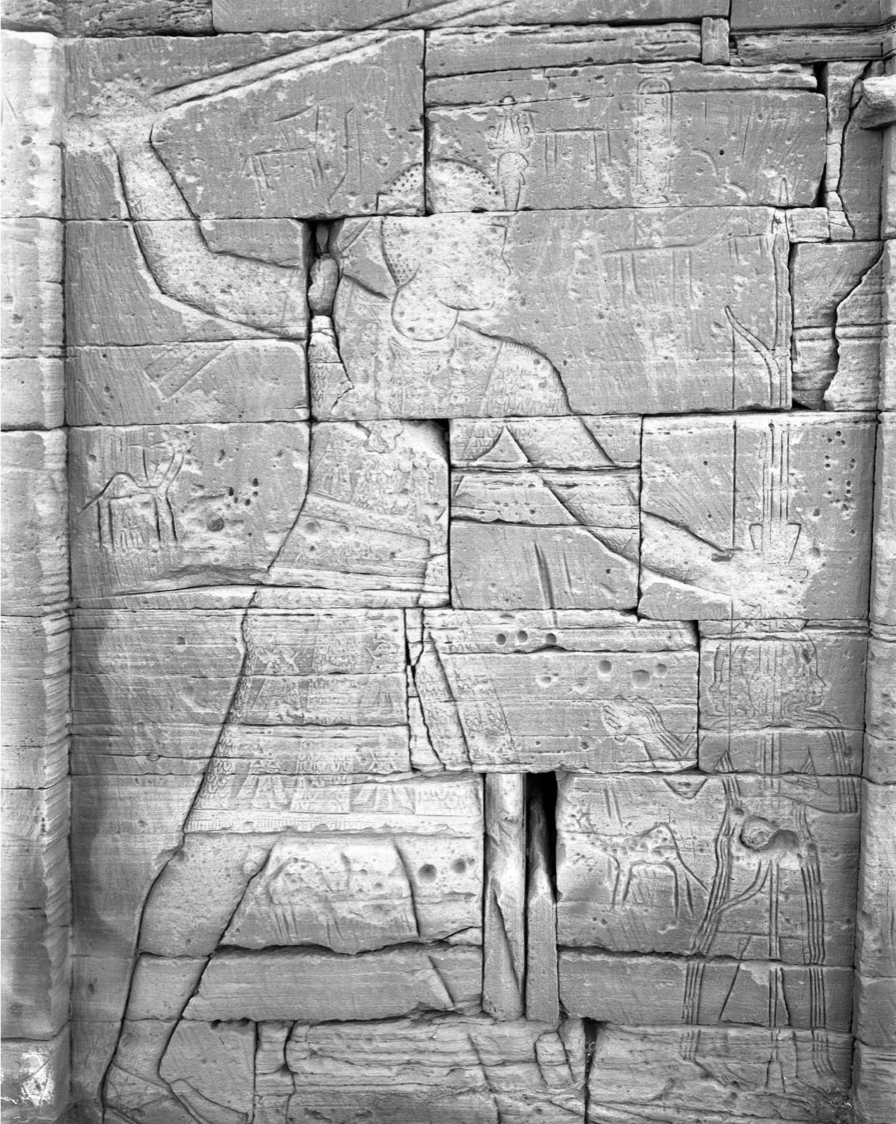
A Meroitic King Smiting Captives, 1906. Oriental Institute, University of Chicago. P.2913
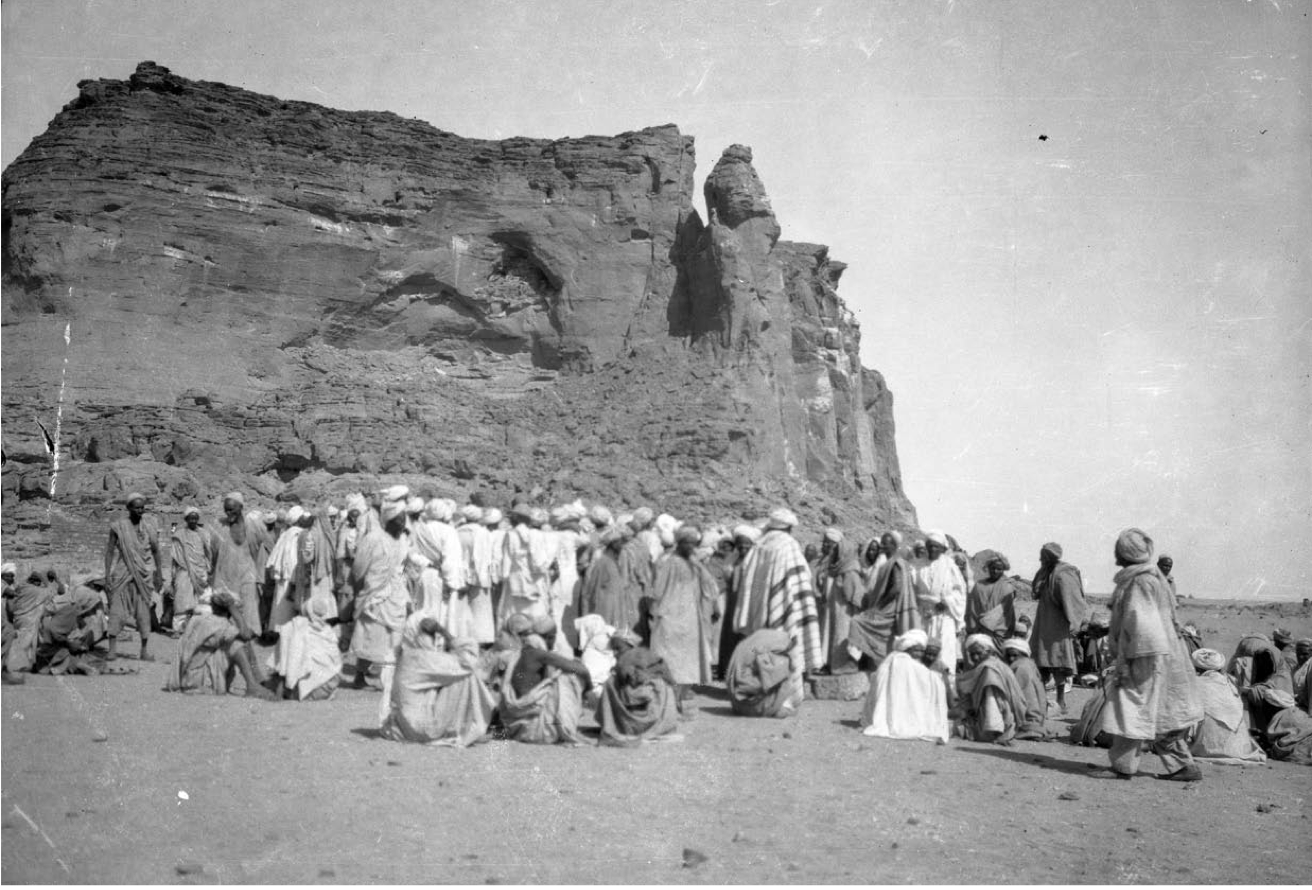
Funeral Ceremonies in the Shadow of the Sacred Mountain, 1906. Oriental Institute, University of Chicago. P.B835
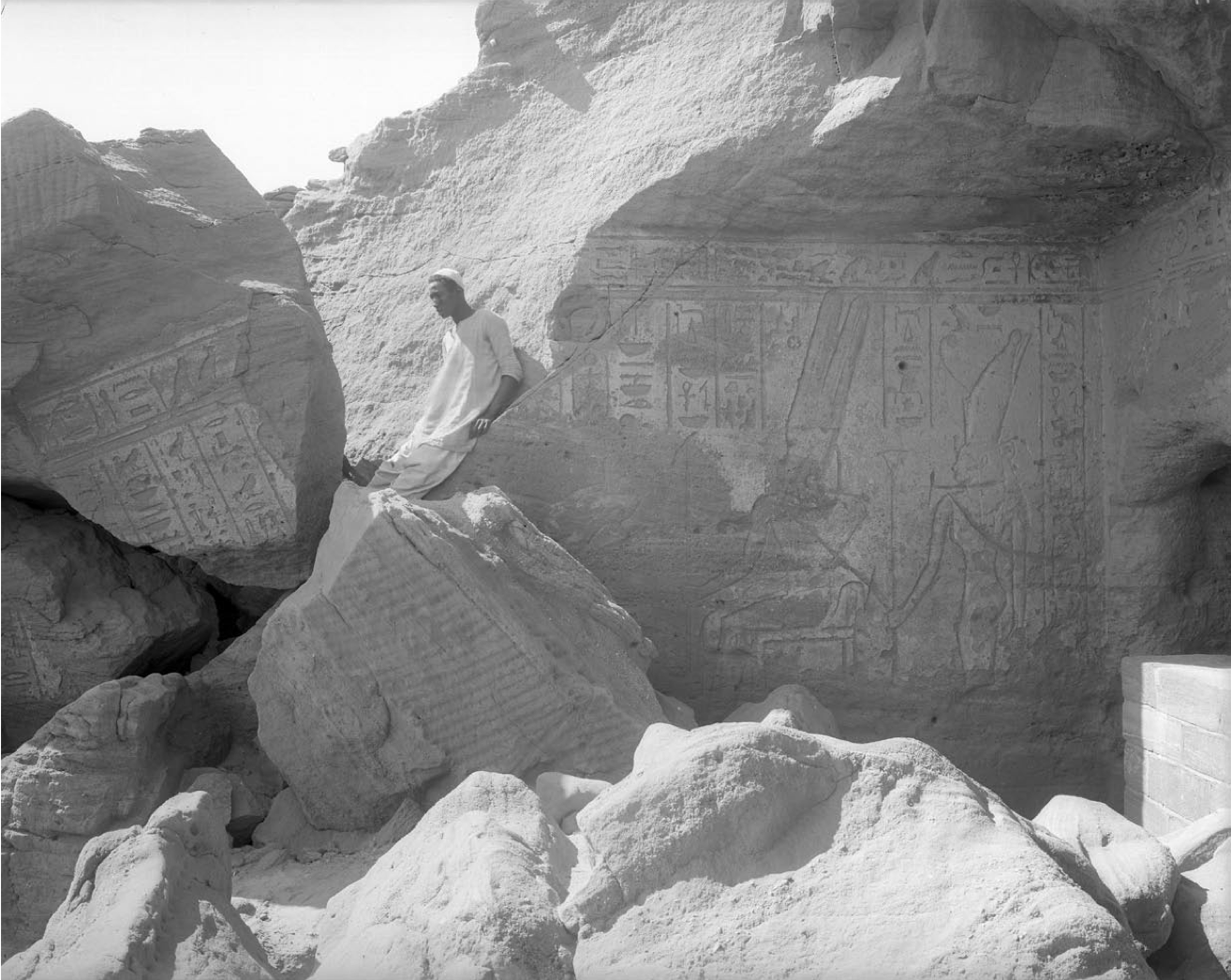
Inside the Large Rock Temple at Gebel Barkal, 1906. Oriental Institute, University of Chicago. P. B3027
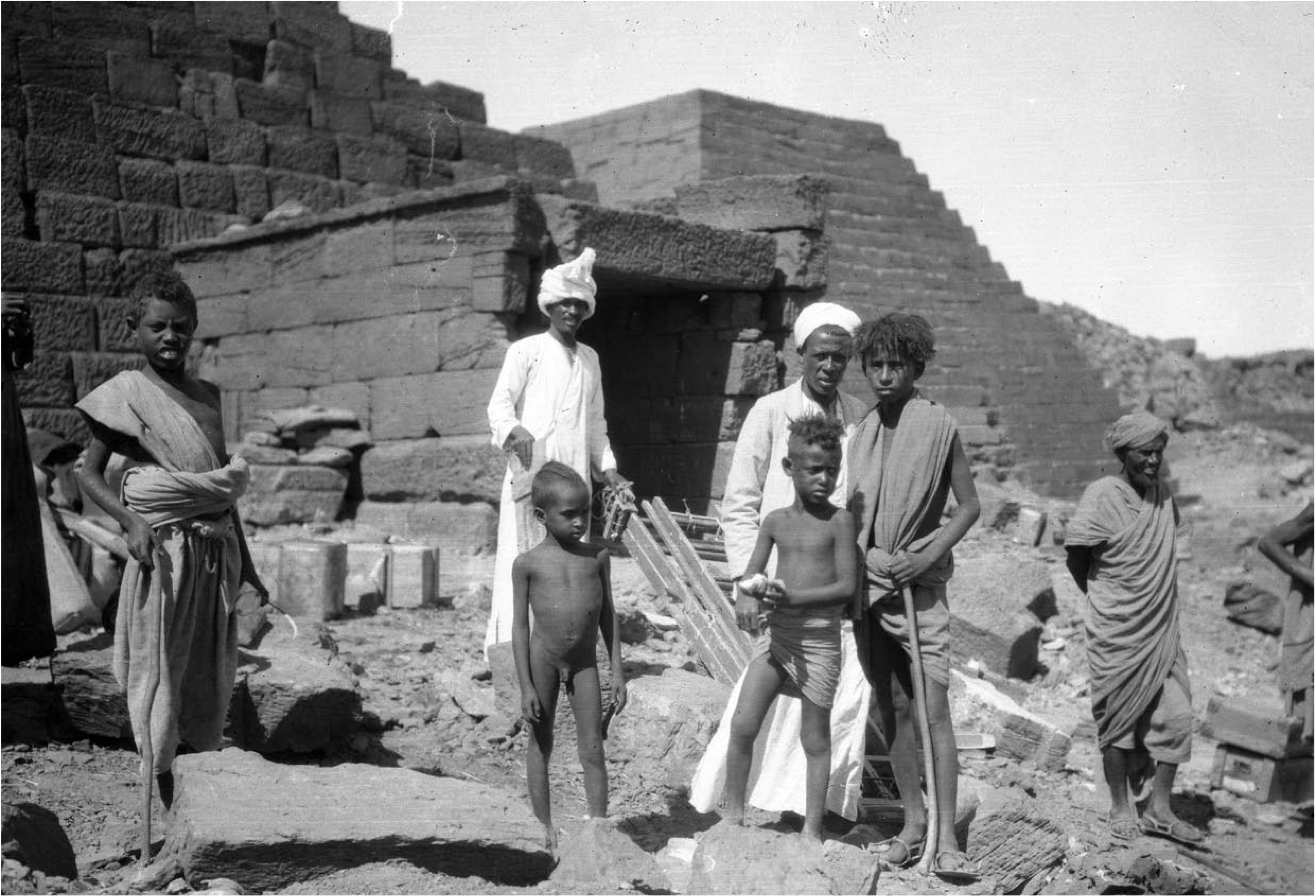
Breaking Camp at Meroe, 1906. Oriental Institute, University of Chicago. P. B740
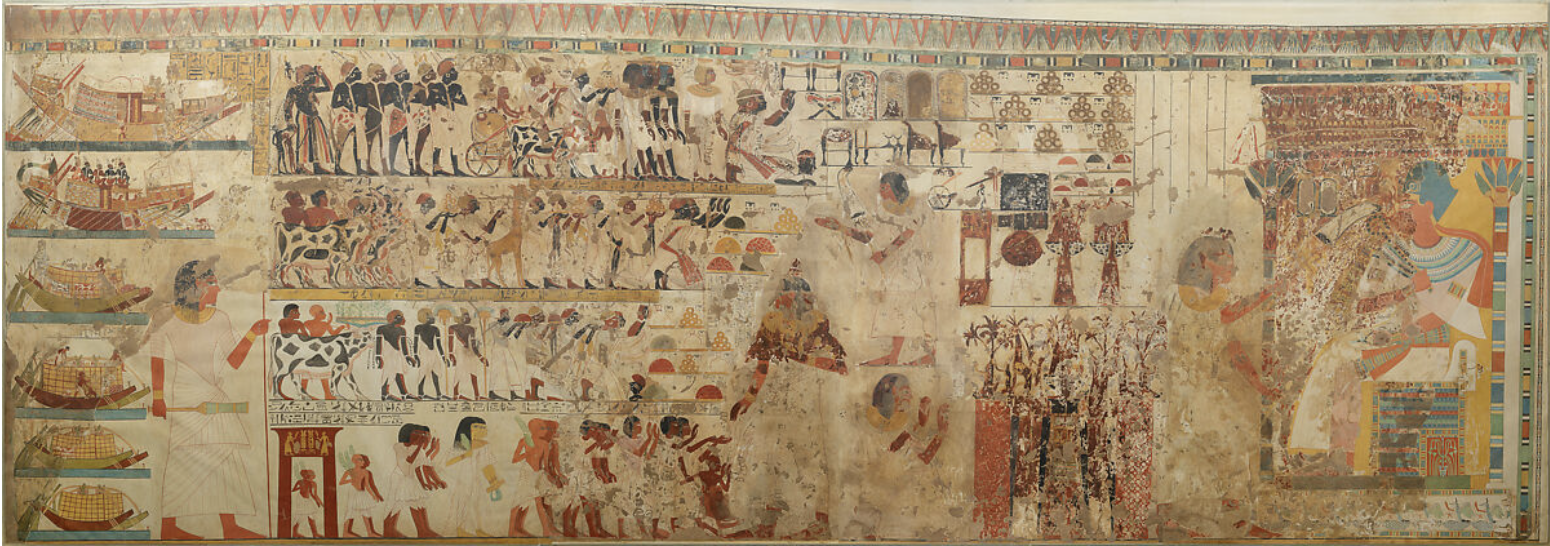
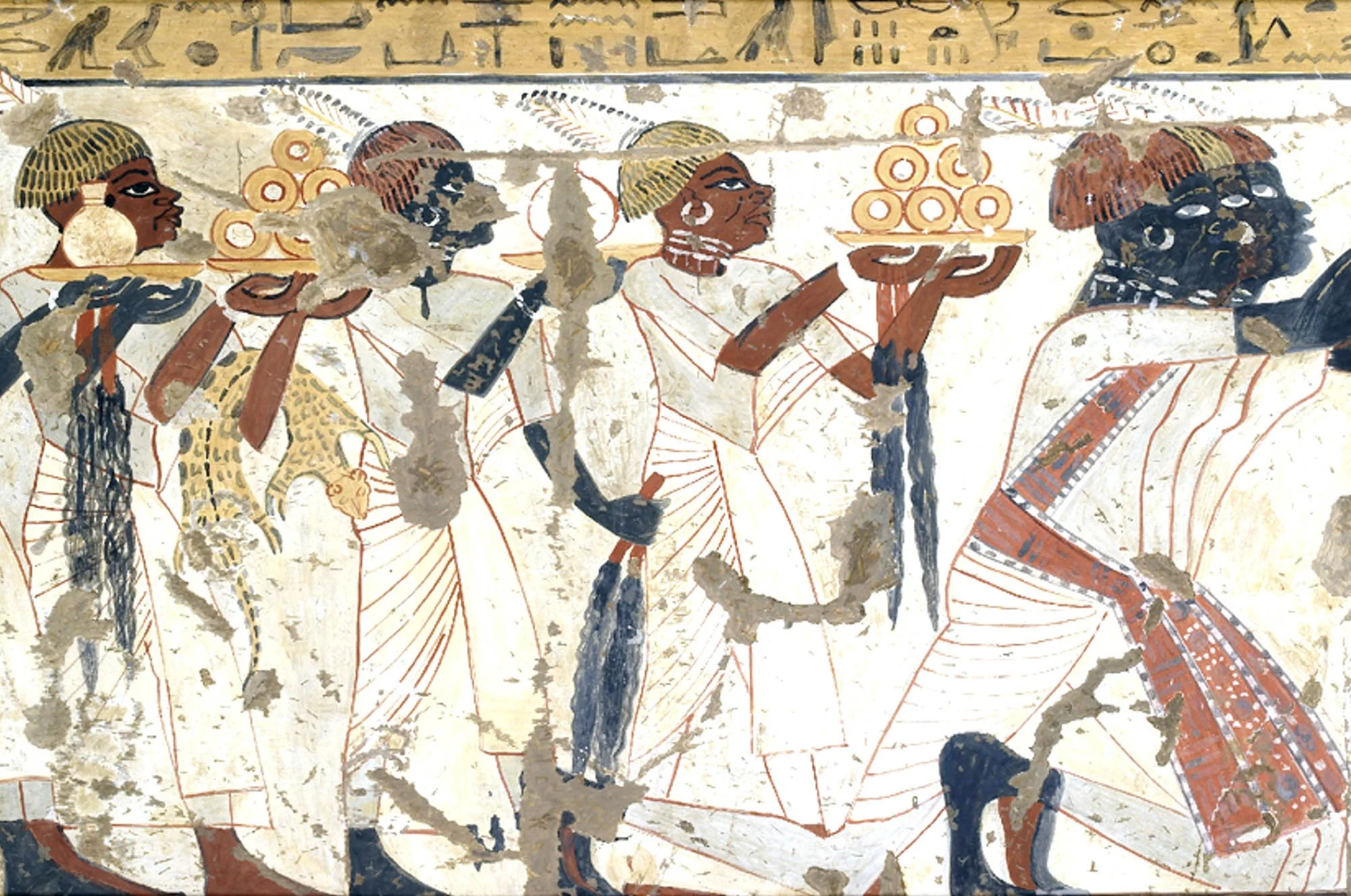
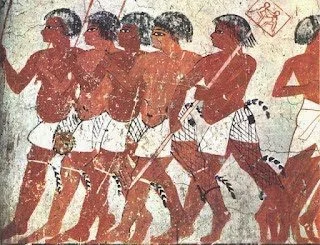
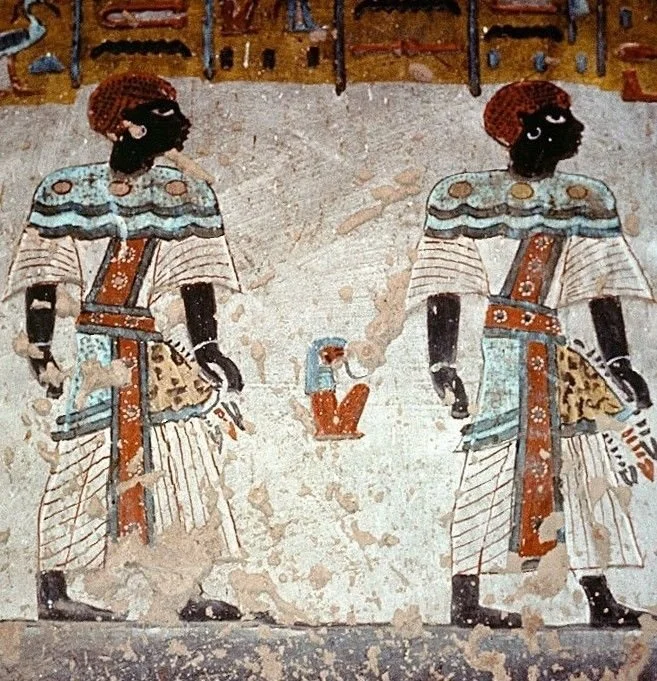
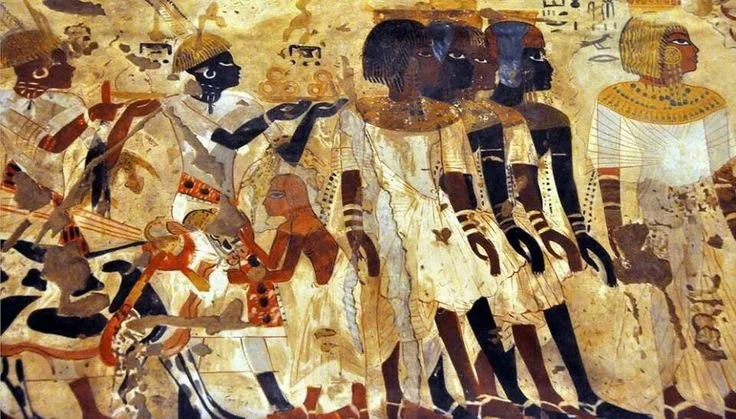
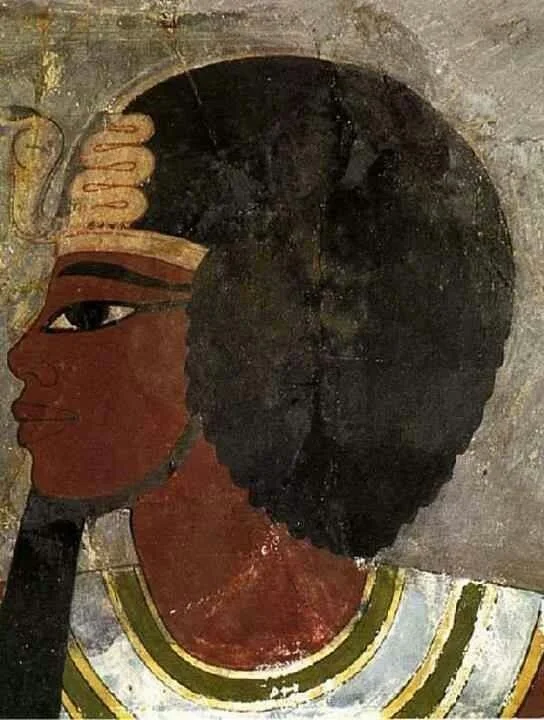
Nubian Tribute Presented to the King, facsimile of a wall painting from the Tomb of Huy (TT40), Thebes, reign of Akhenaten–Tutankhamun, ca. 1353–1327 BCE; painted by Charles K. Wilkinson, 1923–1927. Source: The Metropolitan Museum of Art.
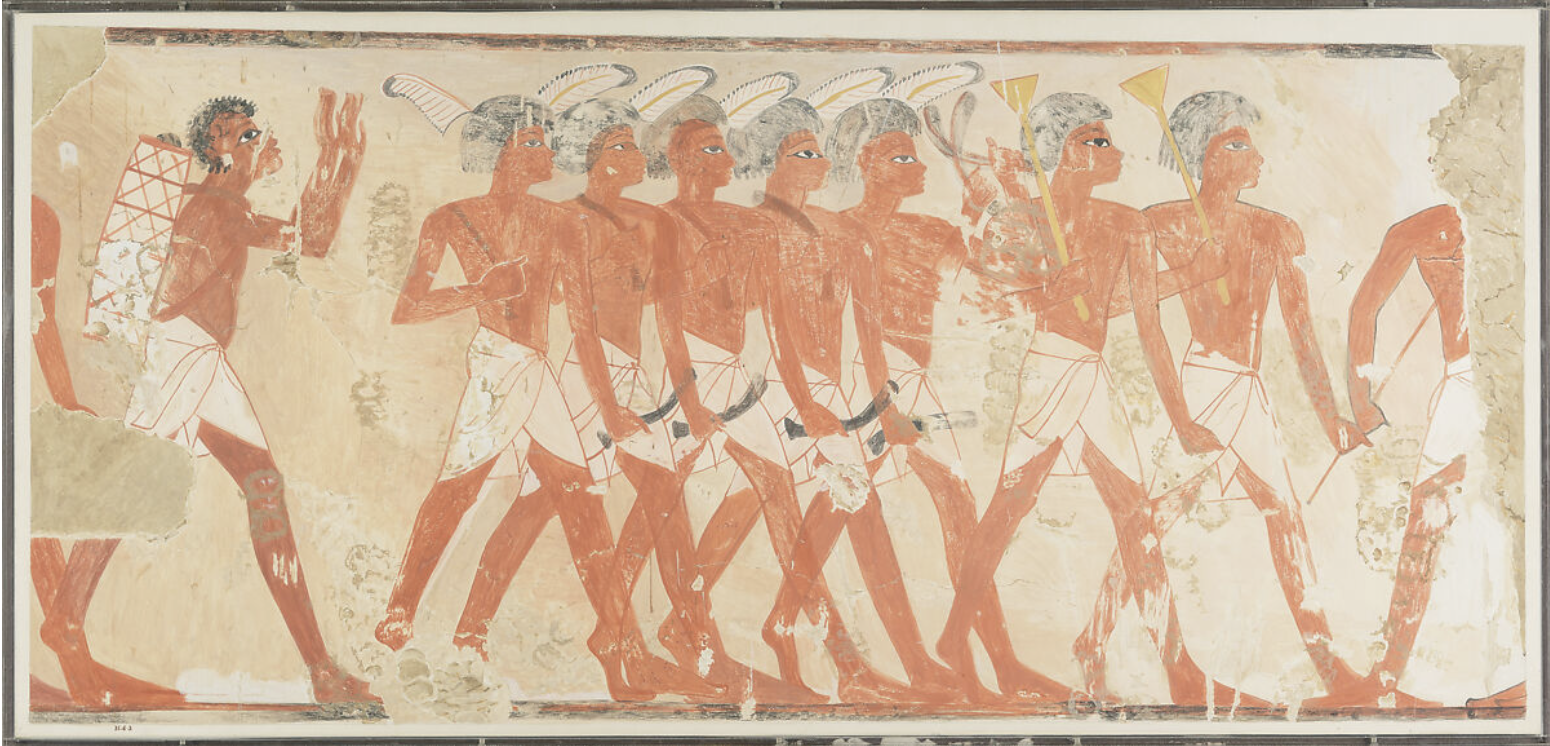
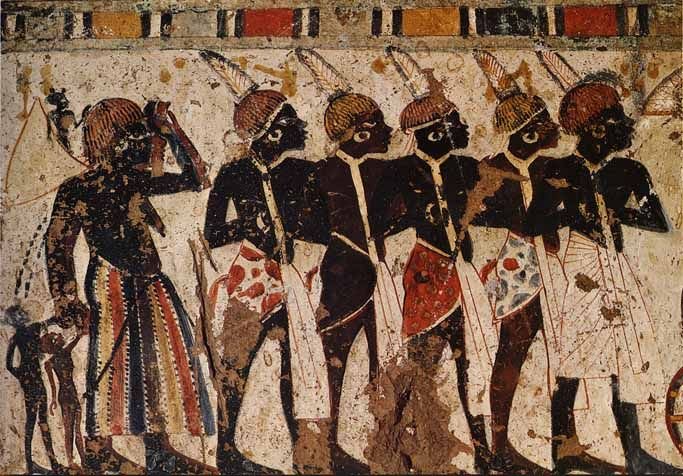
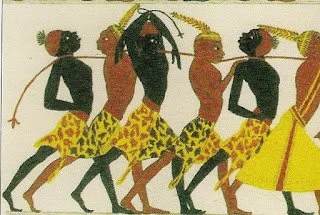
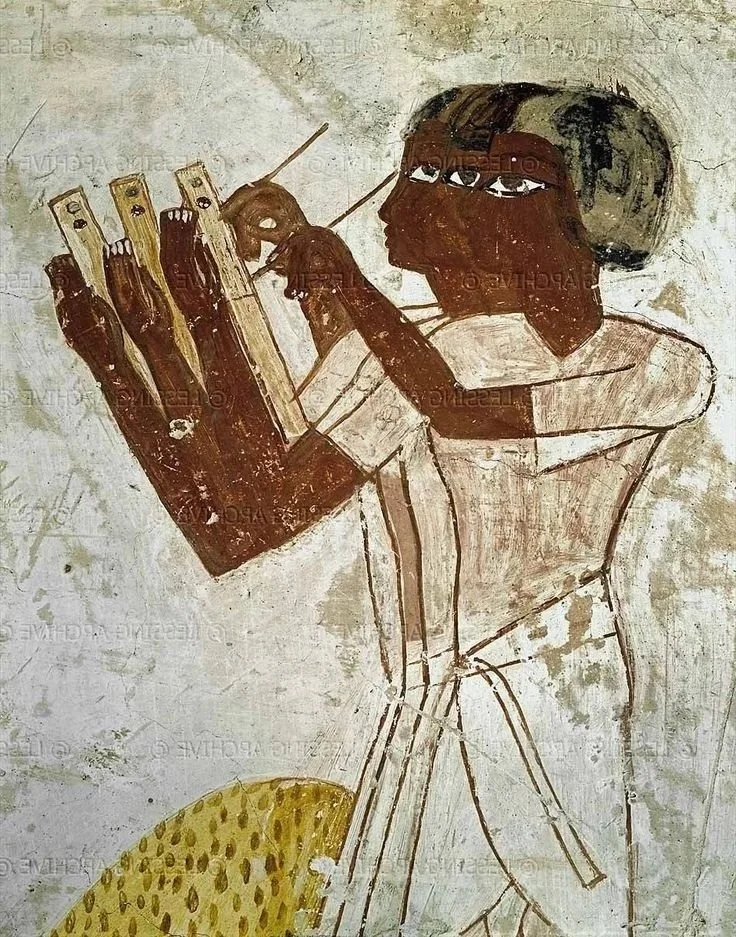
Military Musicians Showing Nubian and Egyptian Styles, facsimile painting by Nina de Garis Davies after a wall painting in the Tomb of Tjeneny (TT74), Thebes, Dynasty 18, reign of Thutmose IV, ca. 1400–1390 BCE. Source: The Metropolitan Museum of Art.
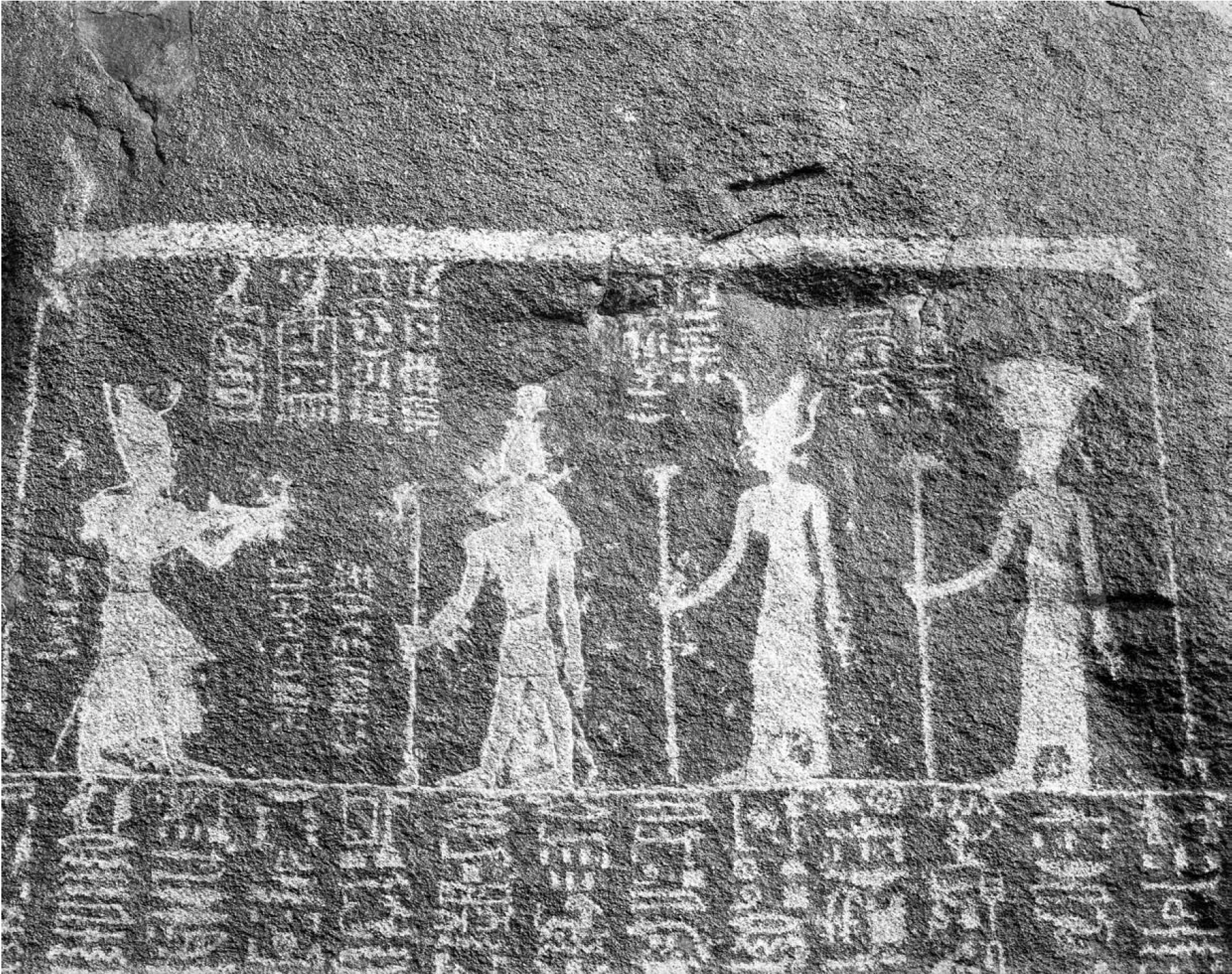
The Famine Stela on the island of Seheil, 1906, Photograph by Friedrich Koch from the Oriental Institute, University of Chicago.
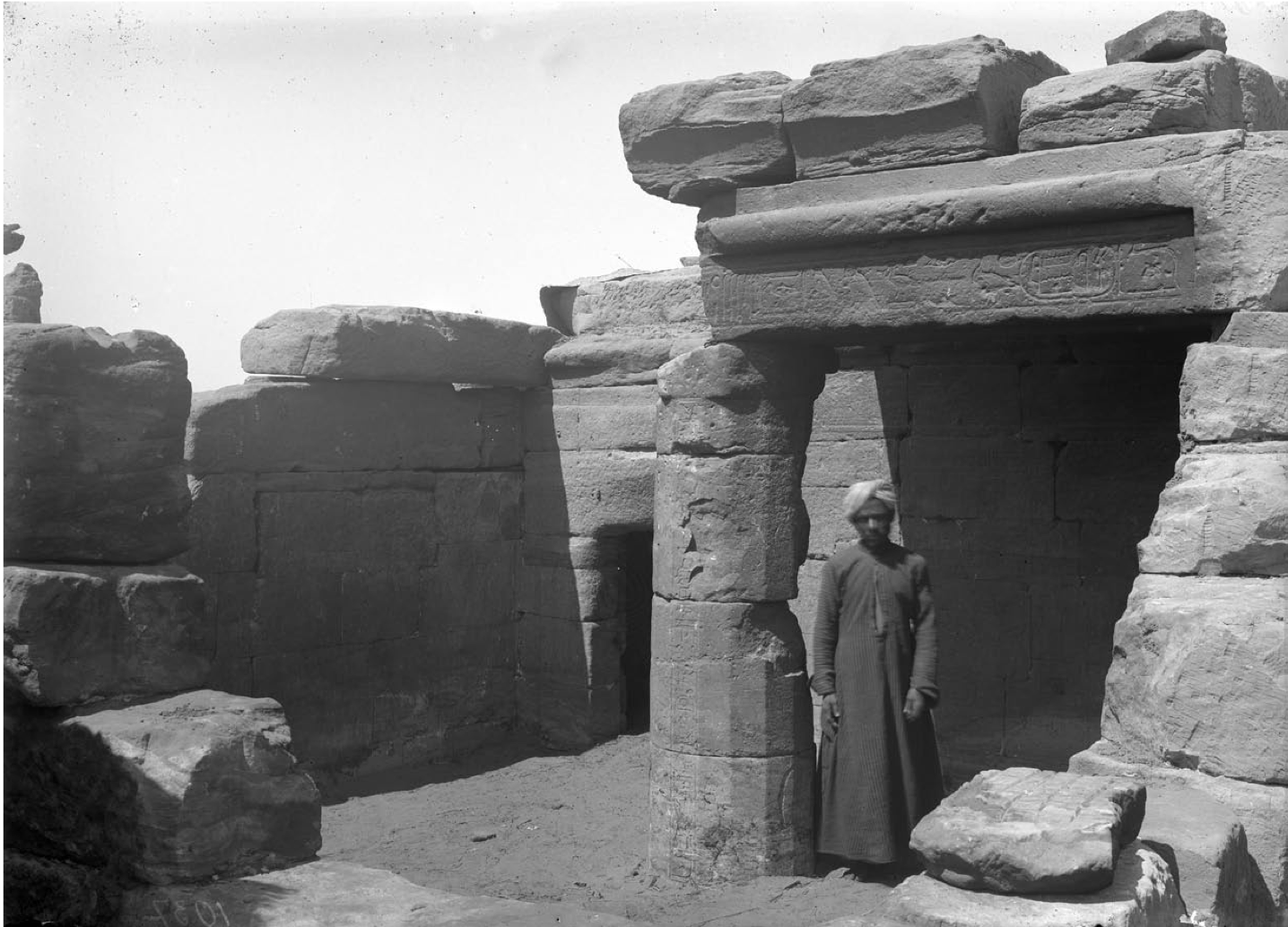
Room in the Temple of Khunum at Semna East (Kumma), Before Clearnace, 1907. Oriental Institute, University of Chicago. P. 3295
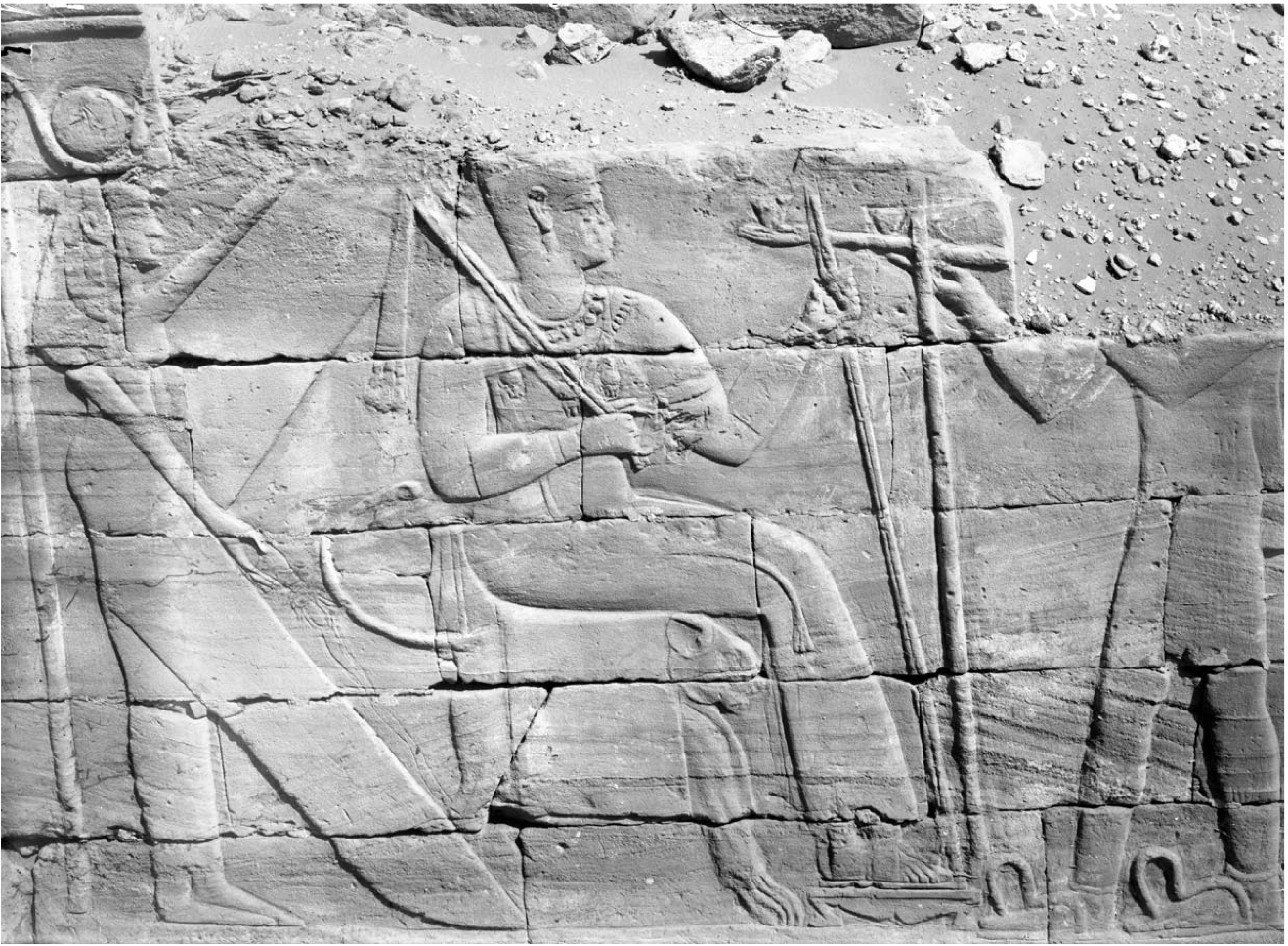
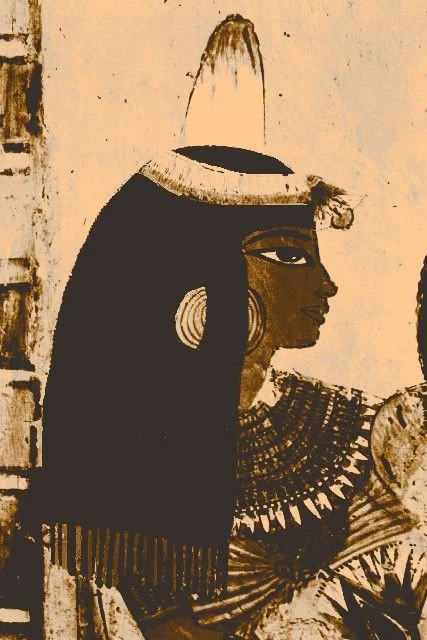
A Nubian Queen Receiving Homage in a Relief at Napata, 1906. Oriental Institute, University of Chicago. P. 3057
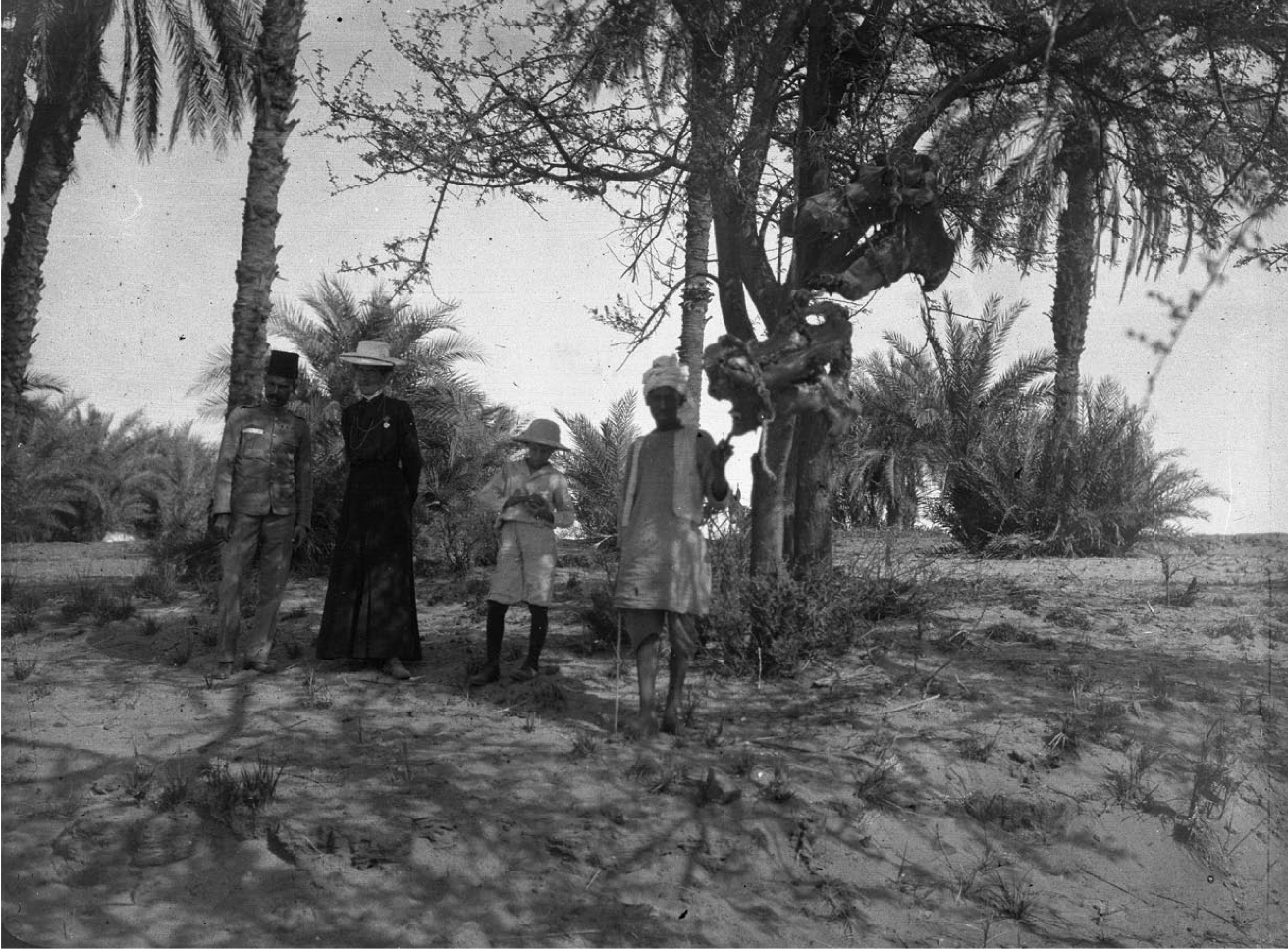
Hippopotamus Heads Hanging from a Tree at Sakamatto, 1907. Oriental Institute, University of Chicago. P. B1015
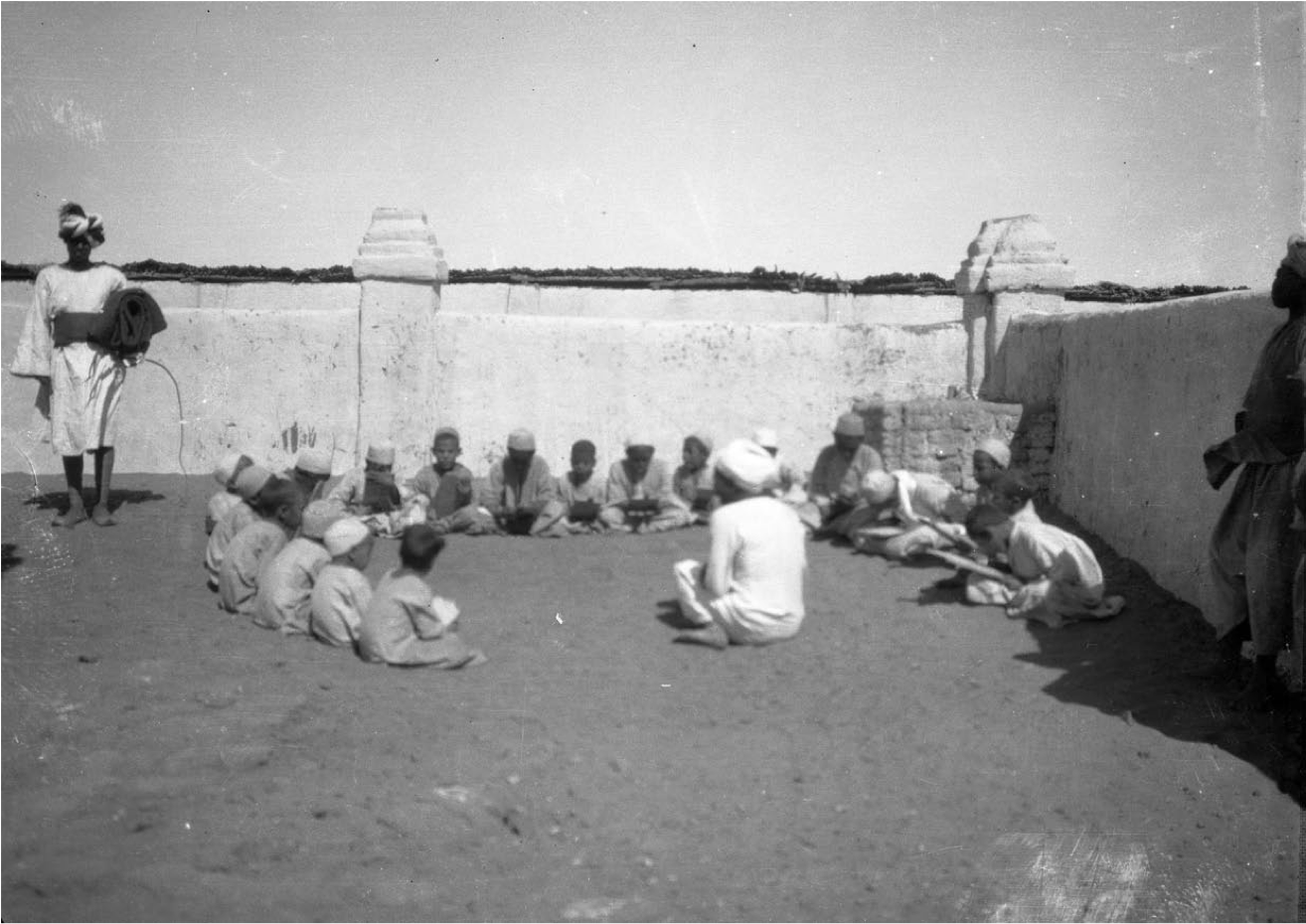
A Teacher Holding Class in a Village on the Island of Argo, 1907. Oriental Institute, University of Chicago. P. B924
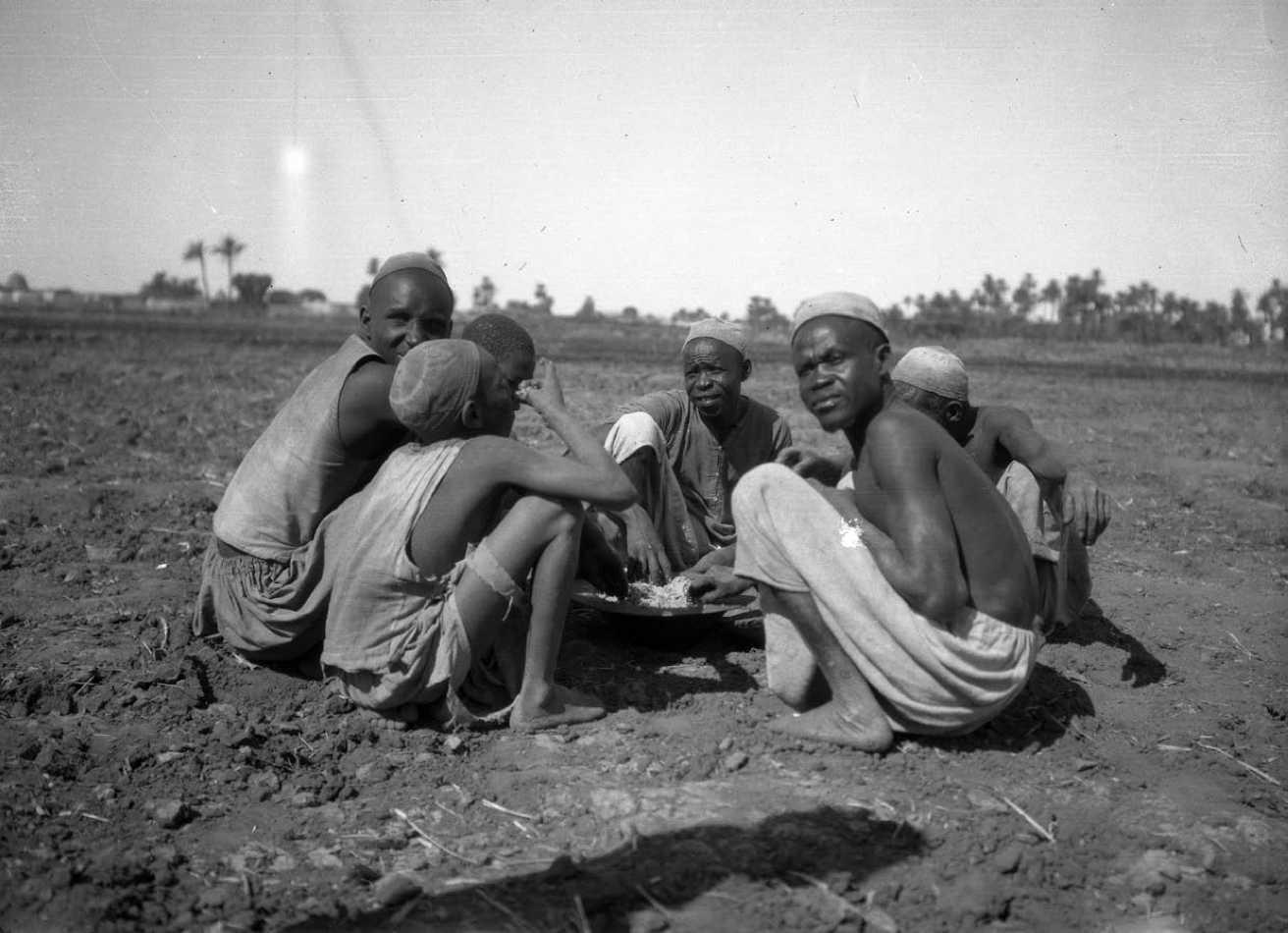
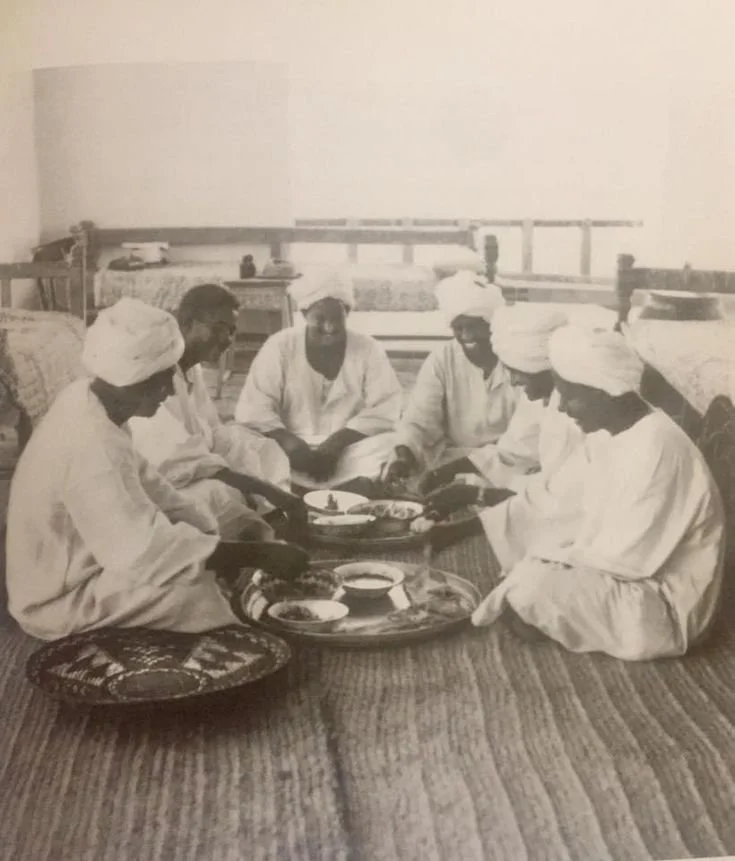
Men Eating in a Field Near the Town of Hafir, 1907. Oriental Institute, University of Chicago. P. B930
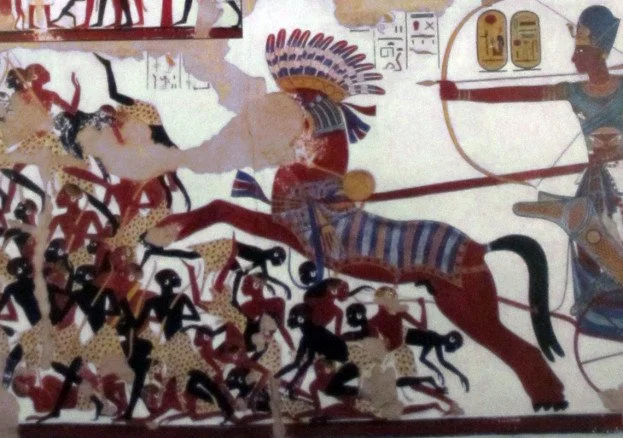
Ramesses II in his war chariot charging into battle against the Nubians, relief from the Temple of Beit El-Wali, Nubia, 13th century BCE. Source: Nubia and the Noba People, Black History Month UK.
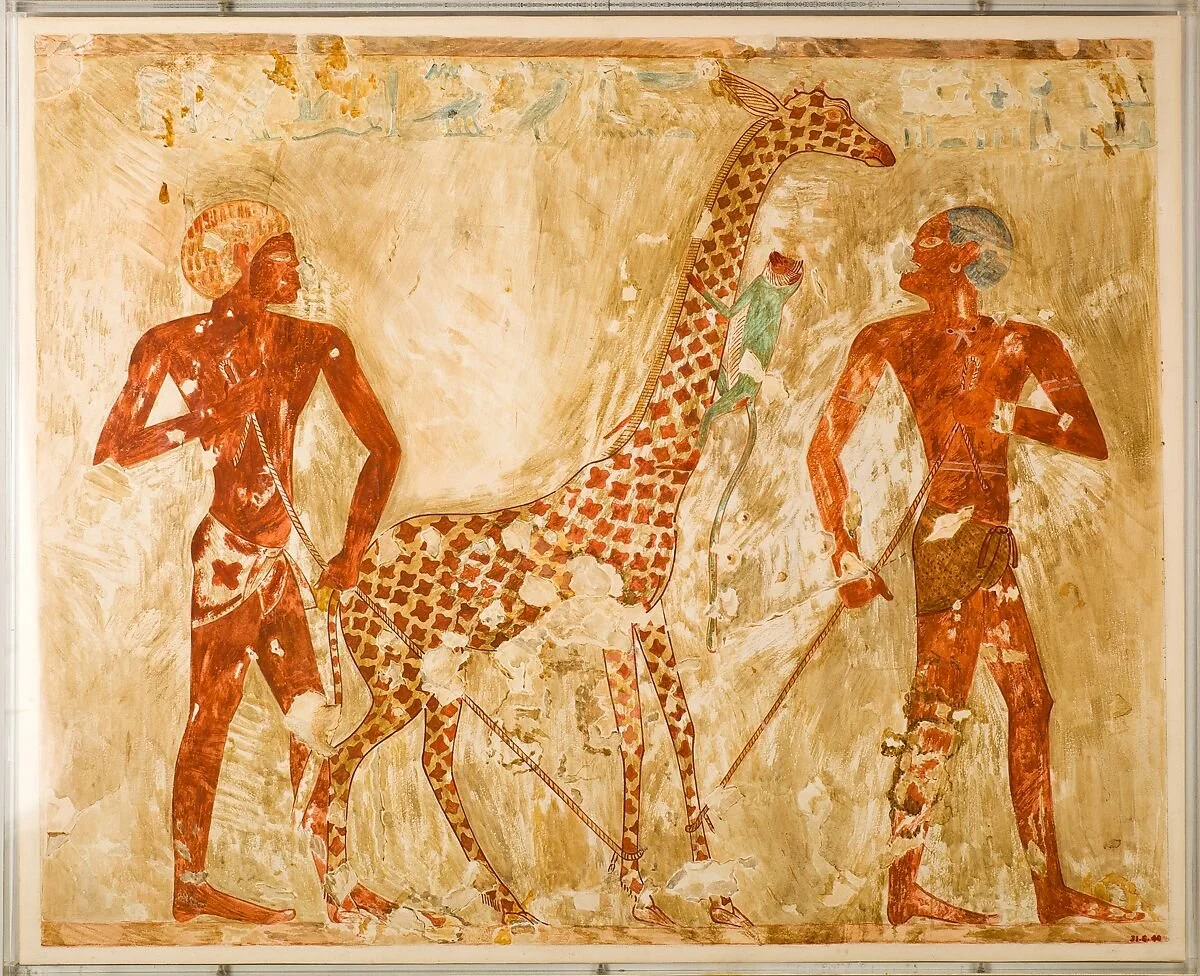
Nubians with a Giraffe and a Monkey, facsimile of a wall painting from the Tomb of Rekhmire (TT100), Thebes, Dynasty 18, ca. 1504–1425 BCE; painted by Nina de Garis Davies. Source: The Metropolitan Museum of Art.