The Igbo People
Origins / Location : Nigeria Abia, Anambra, Ebonyi, Enugu, and Imo States.
Names : Also spelled Ibo and historically also Iboe, Ebo, Eboe, Eboans, Heebo, natively Ṇ́dị́ Ìgbò
Languages : Igbo, Igboid, Nigerian Pidgin, Nigerian English
Religion : Christianity, Omenala/Odinala

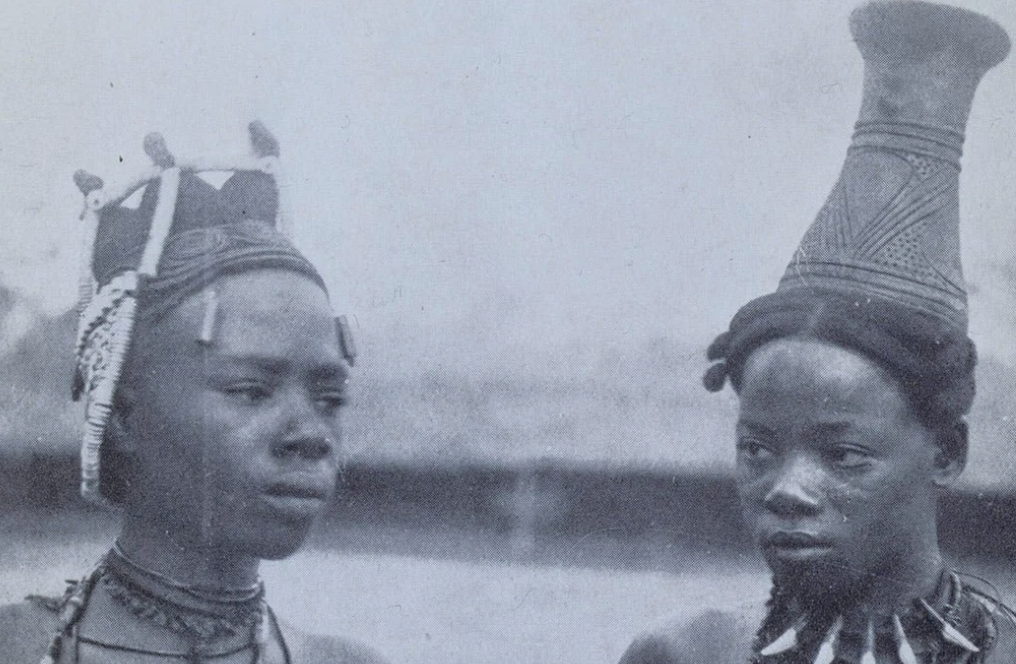
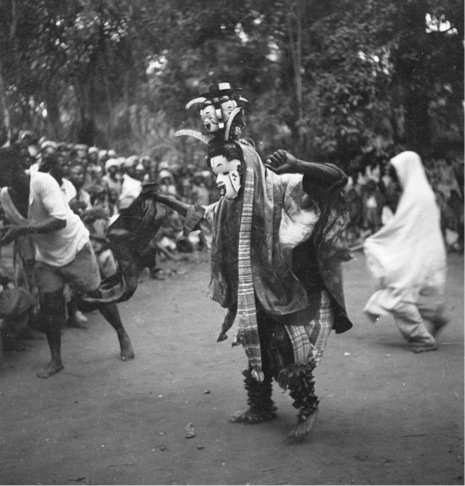
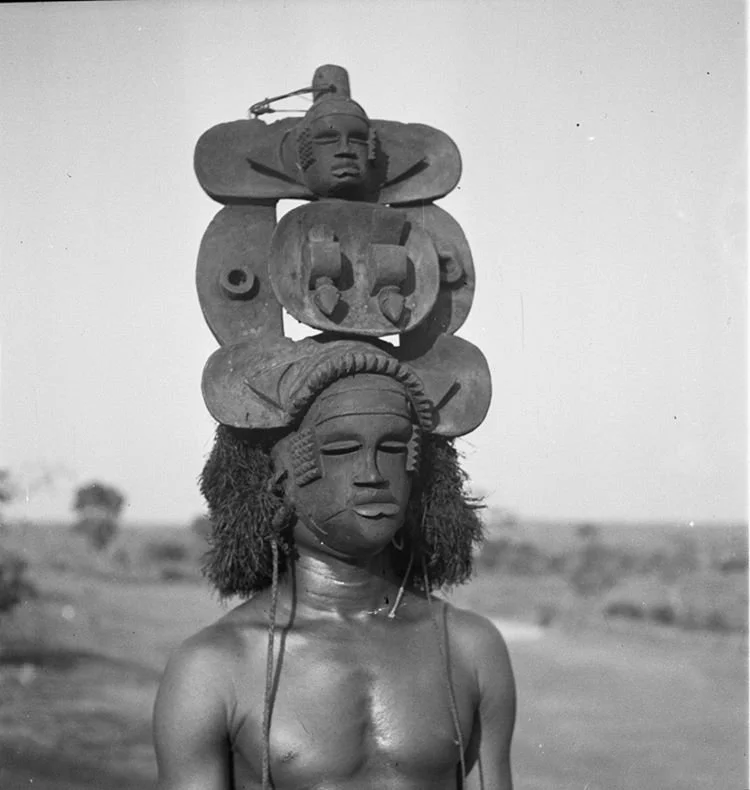
Young Igbo maskers, initiation ceremony, Ifogu Nkporo masquerade, Obohia, Nkporo-Igbo. Photo by G. I. Jones, 1930s.
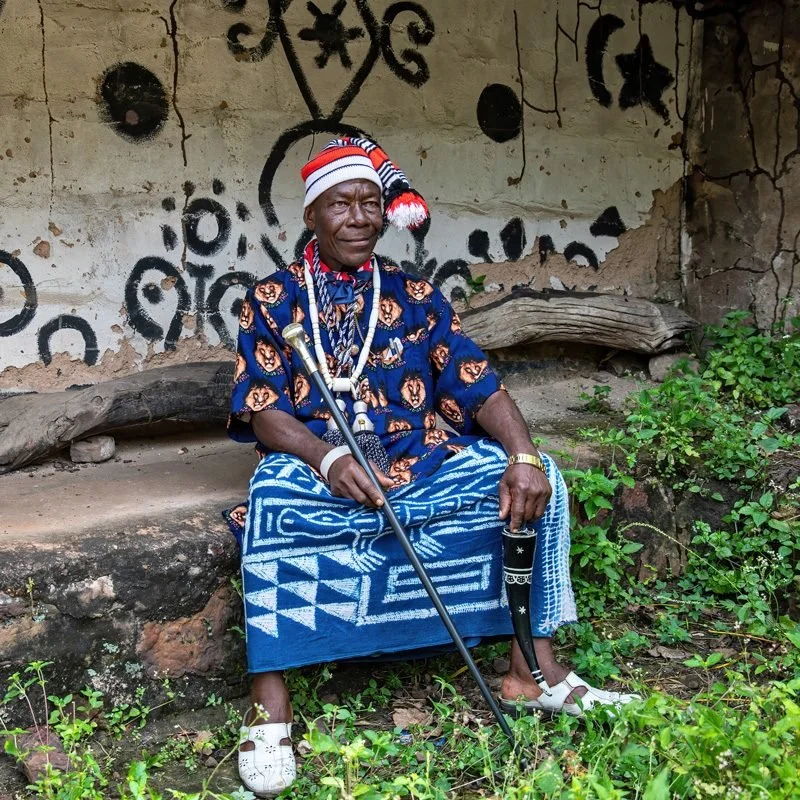
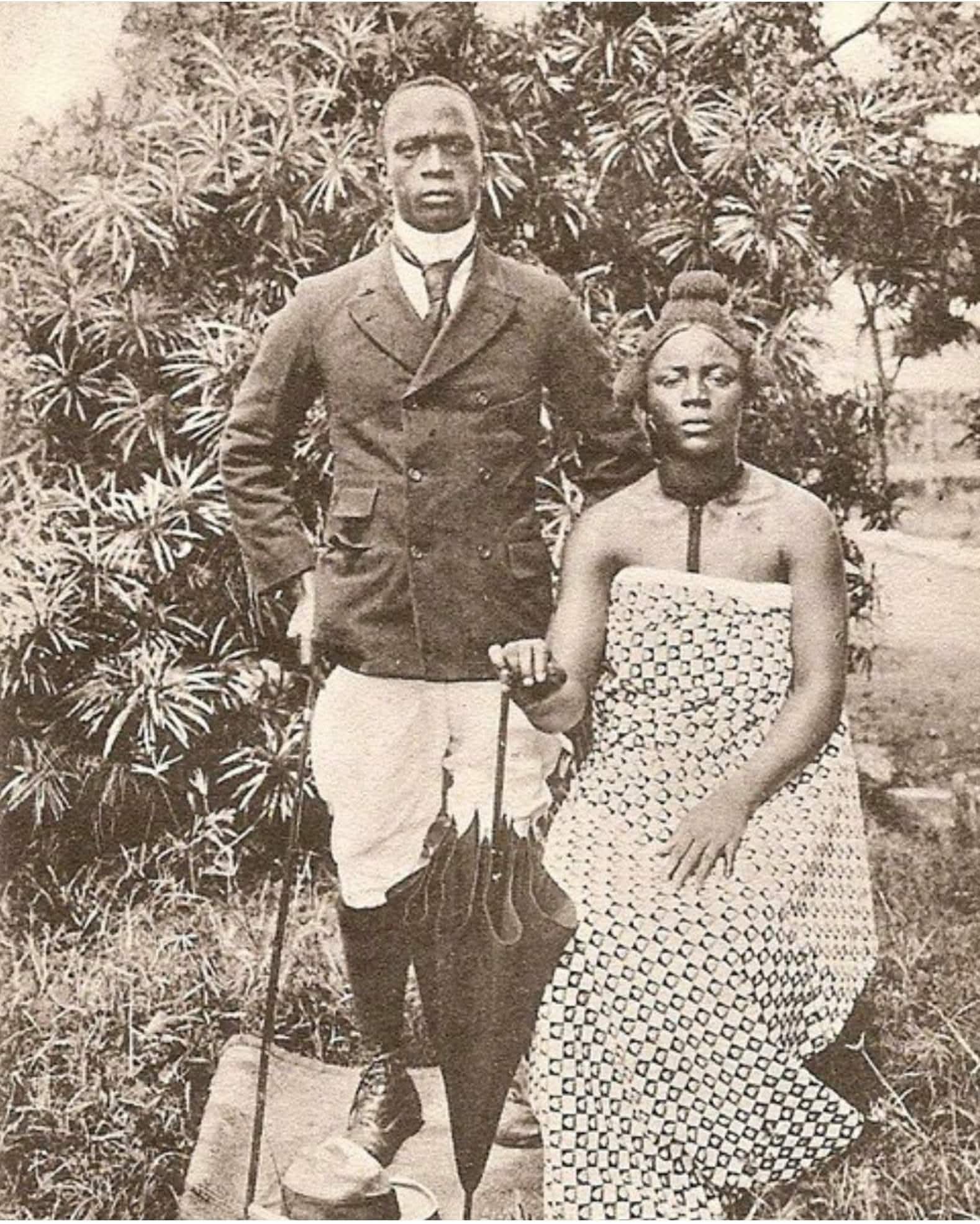
Portrait of an Igbo man in Nigeria. Photo by Jordi Zaragozà Anglès.
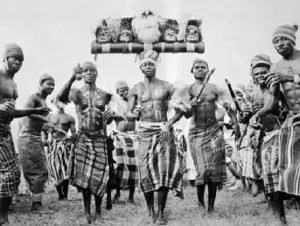
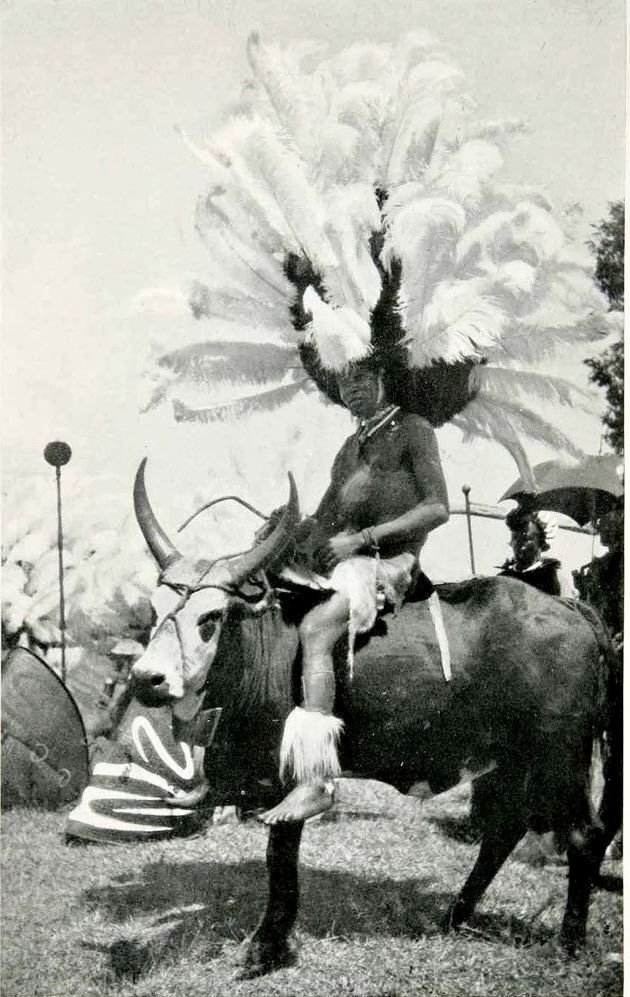
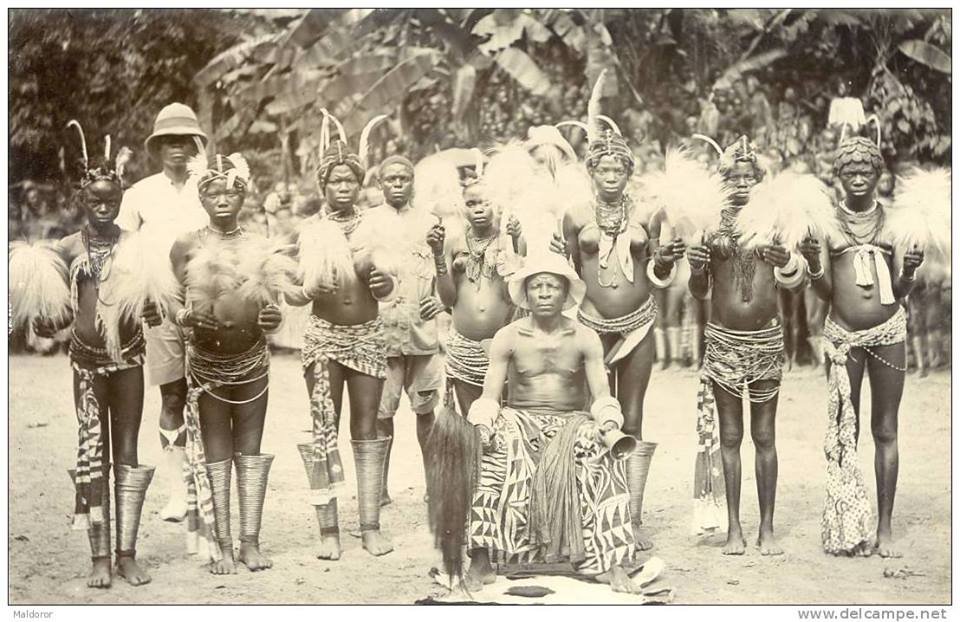
Nigerian Warriors dance for Queen Elizabeth of England at Port Harcourt, Nigeria in 1956. Man in center balances log on his head. The log is decorated with good luck symbols. Photo by Bettman.
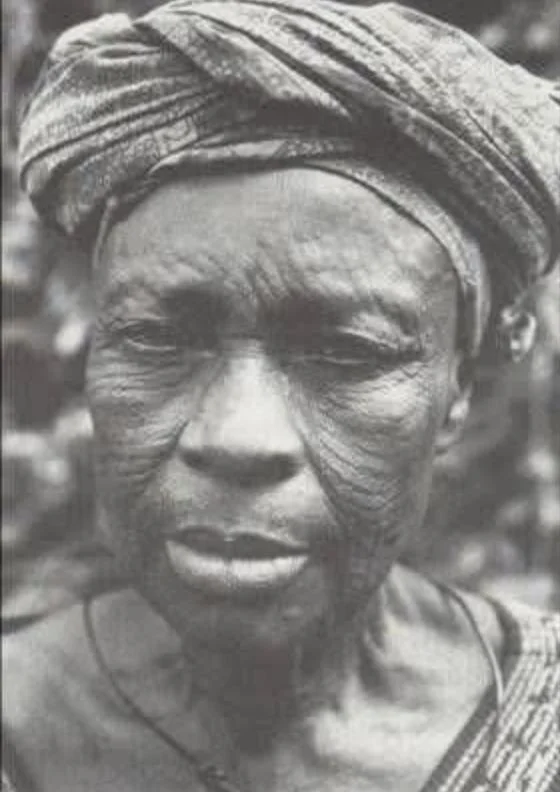
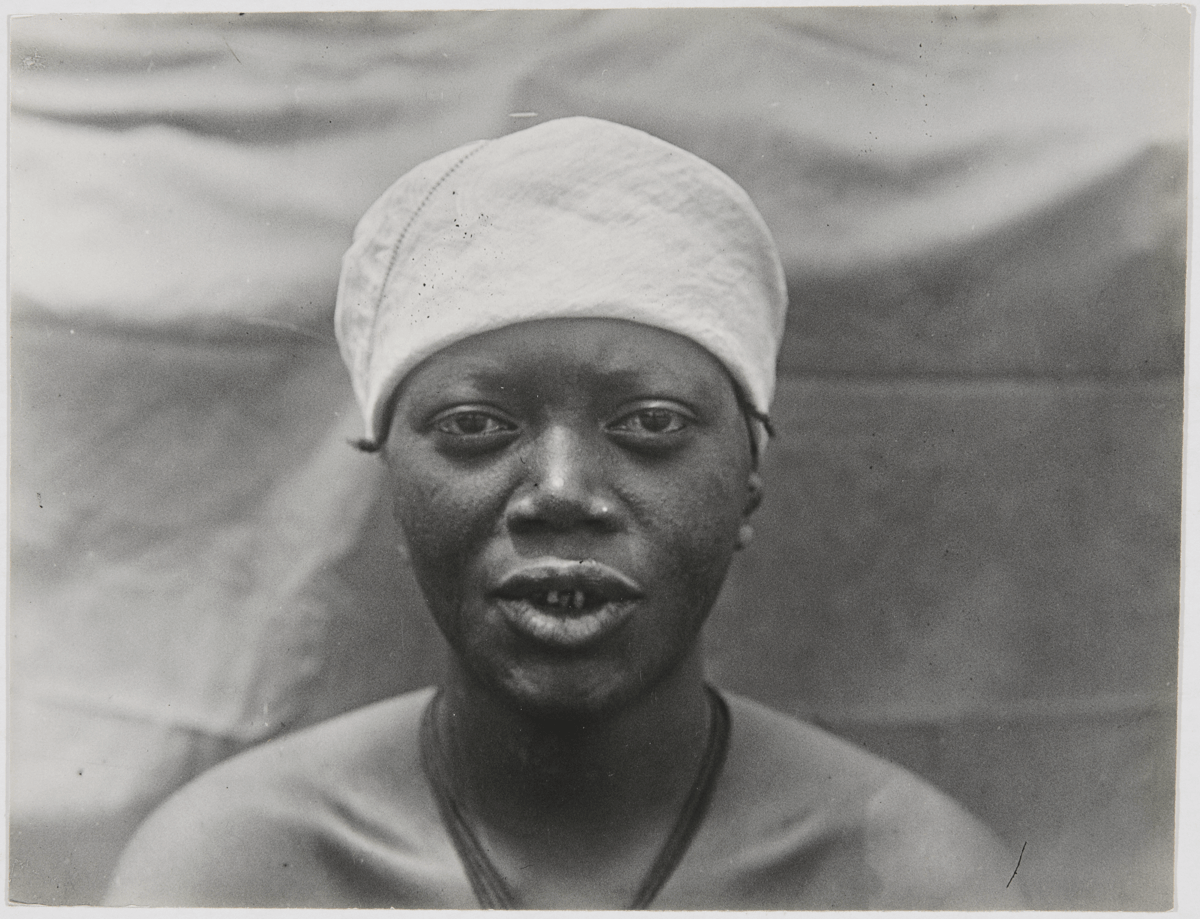
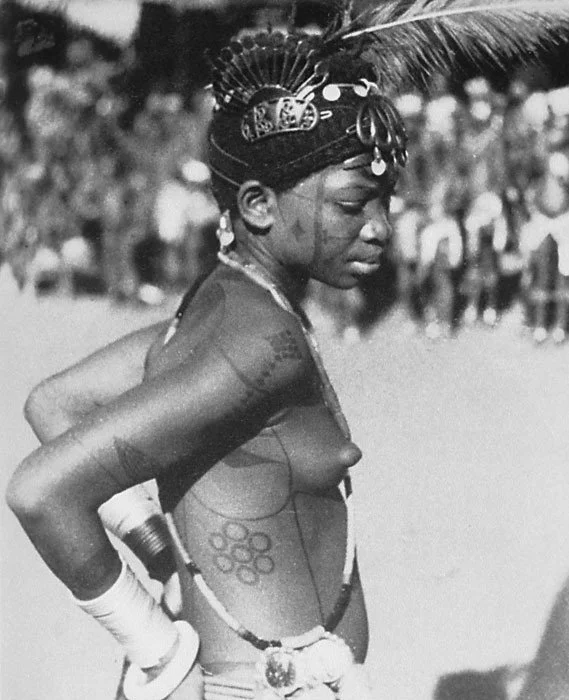
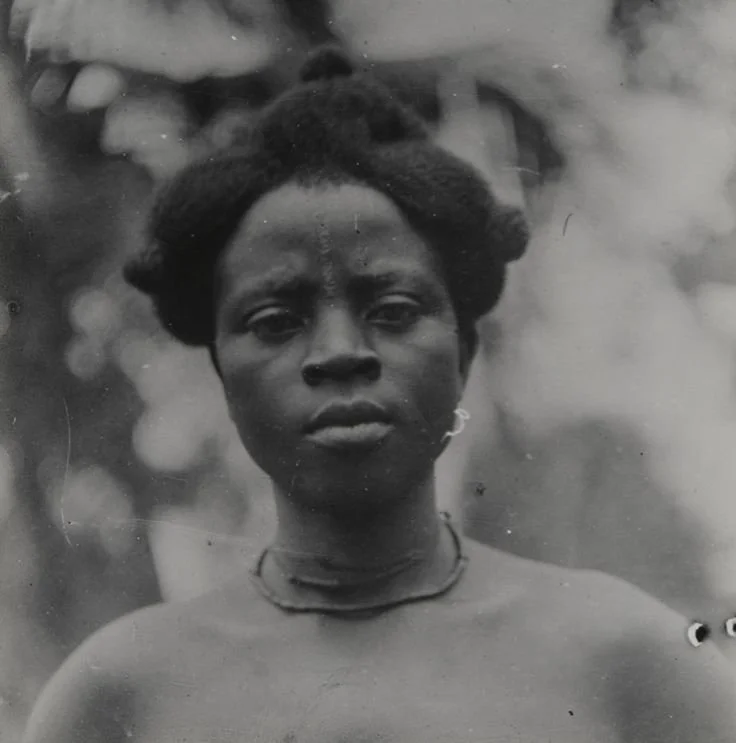
An Igbo woman with full-face ichi marks, Iwollo, present-day Enugu State, 1983.
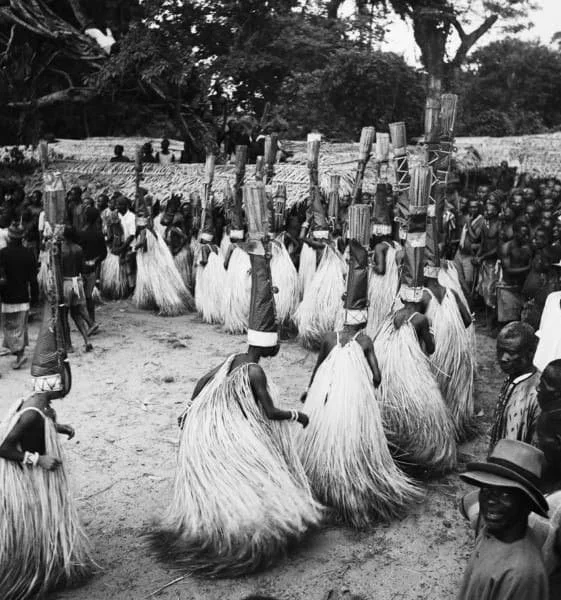
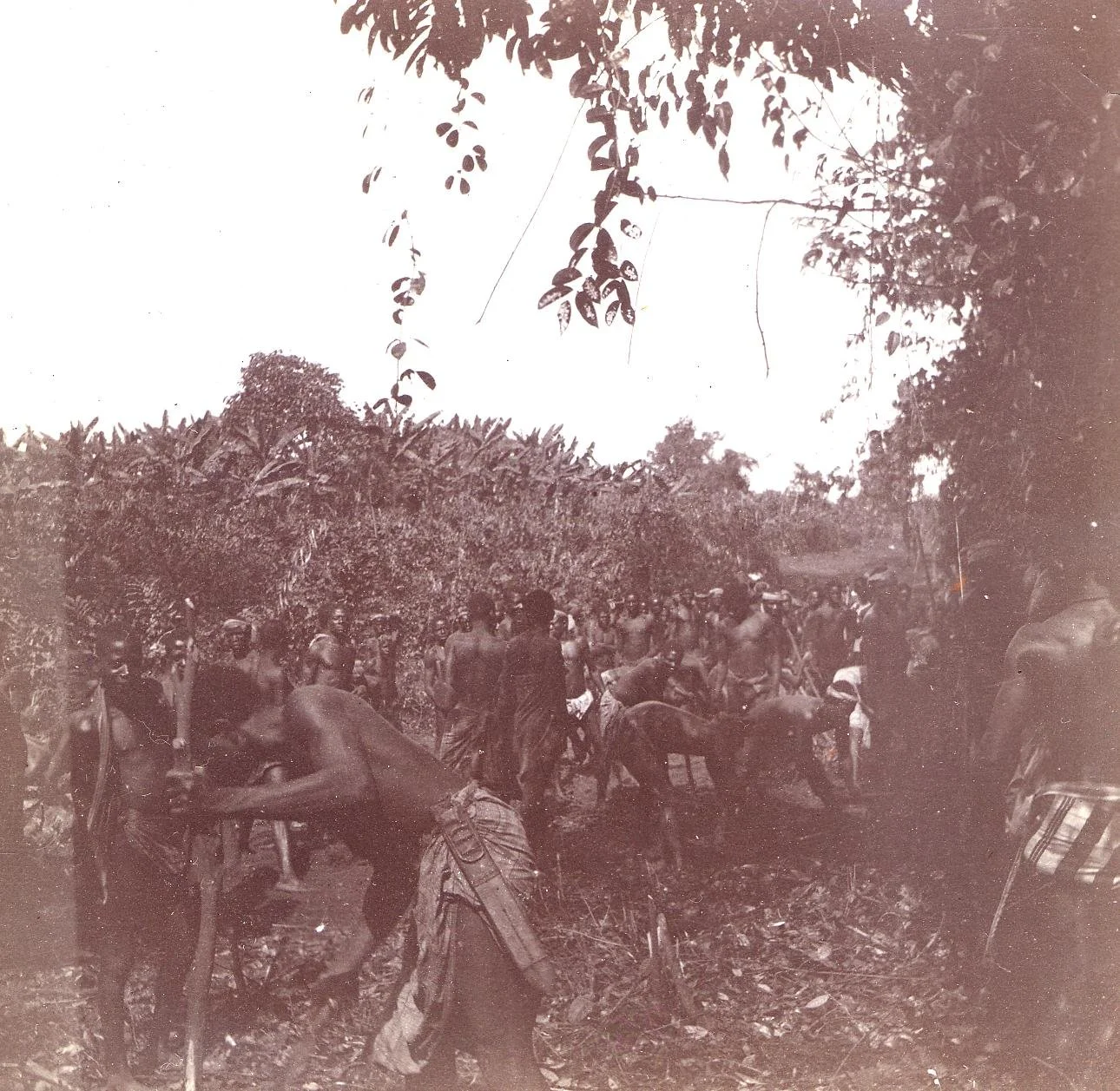
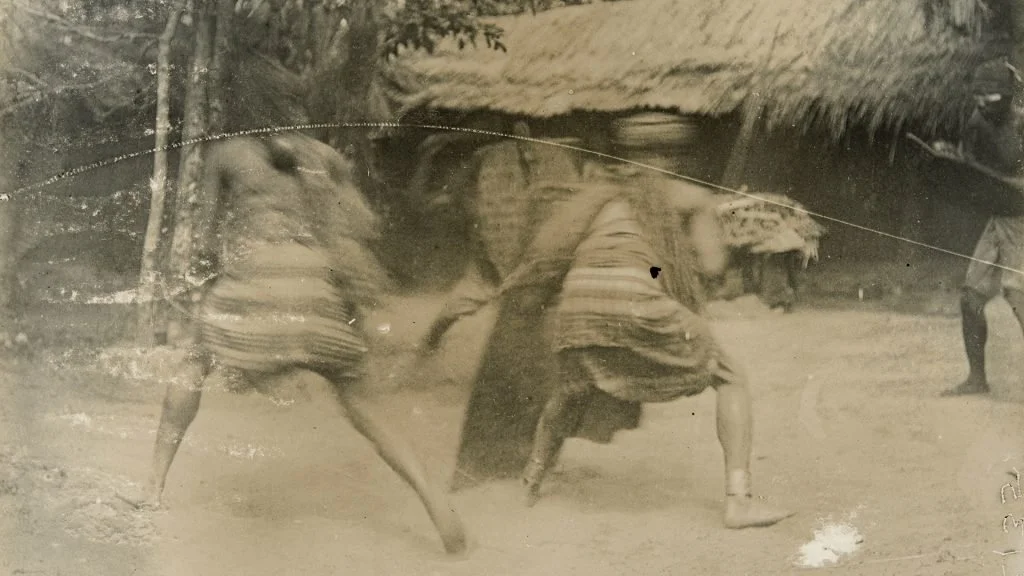
Members of the Igbo tribe in Nigeria performing a ceremonial dance (circa 1930s-1940s).
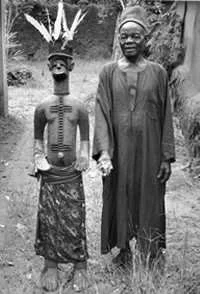
Alusi priest Ezekwem with figure of deity Eke. Both have ichi marks. Adazi Ani, Nigeria. Photograph by Herbert M. Cole, 1966
The Igbo Roots of the First Black Author to give a Firsthand Account of the Slave Trade | Acholonu
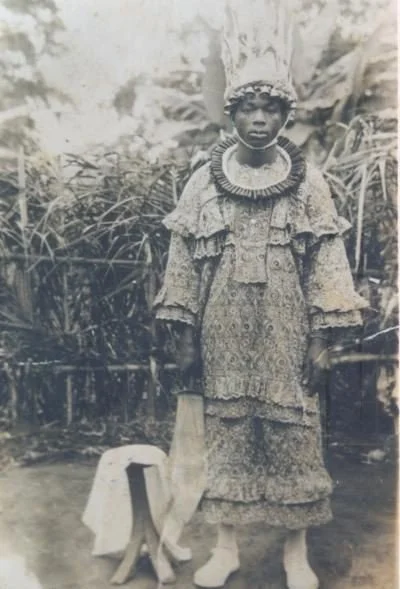
Eze Nri in Igboland HRM Tabansi Udene Nrijimofor, 1938-1979.
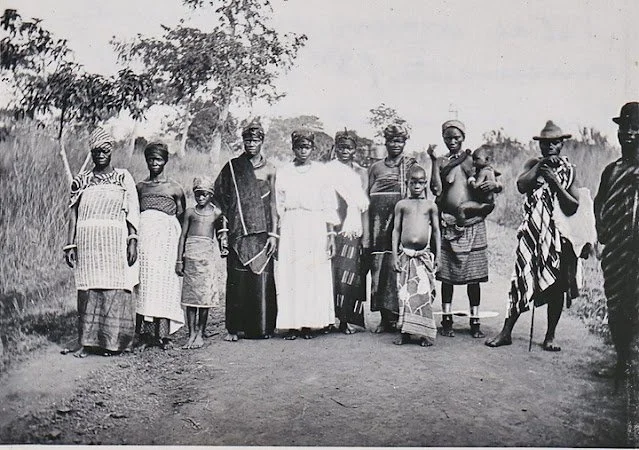
People of Onitsha shot by Robert Mcwhirter, 1905-11.
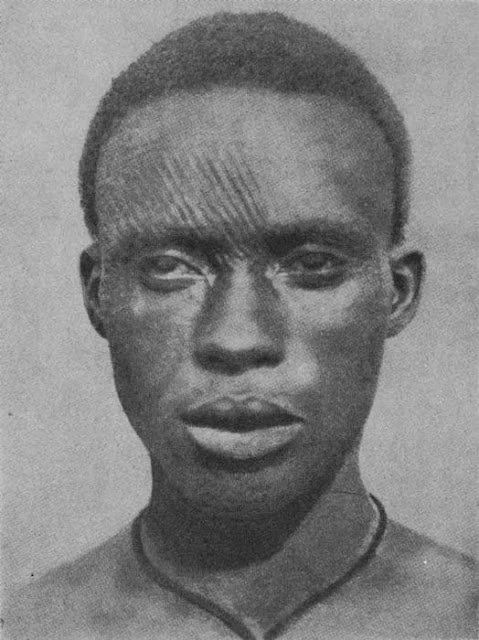
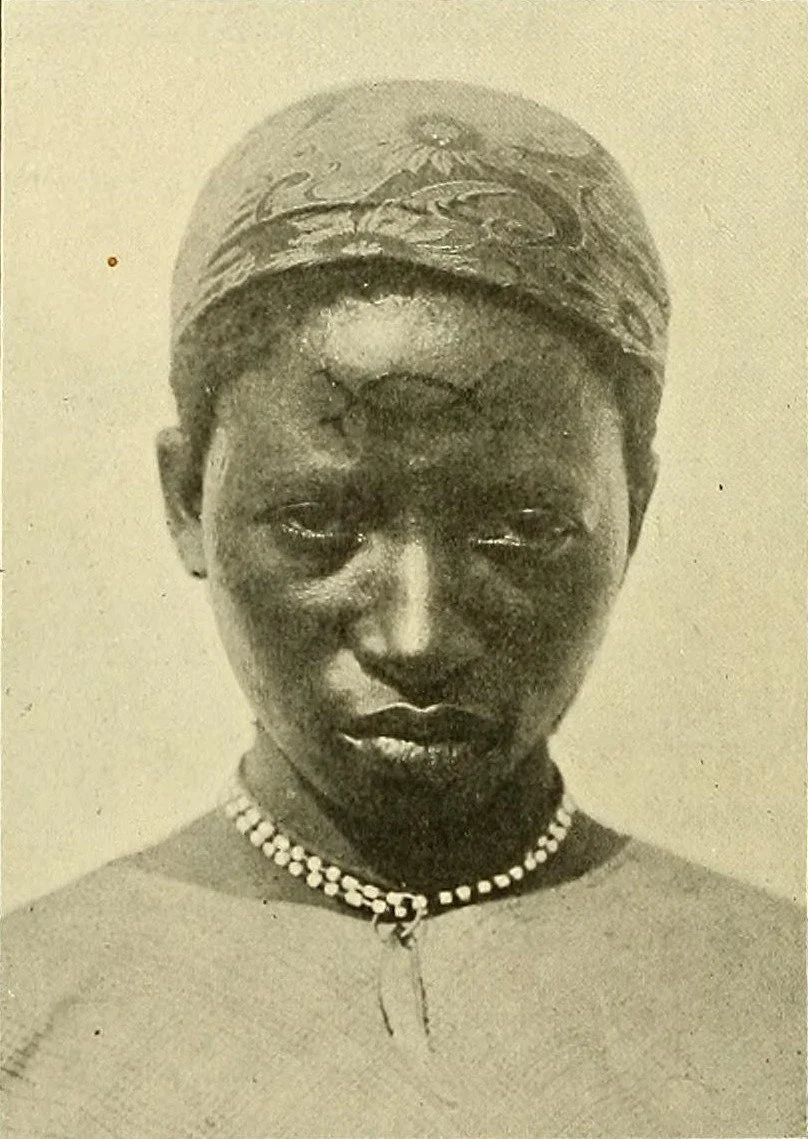
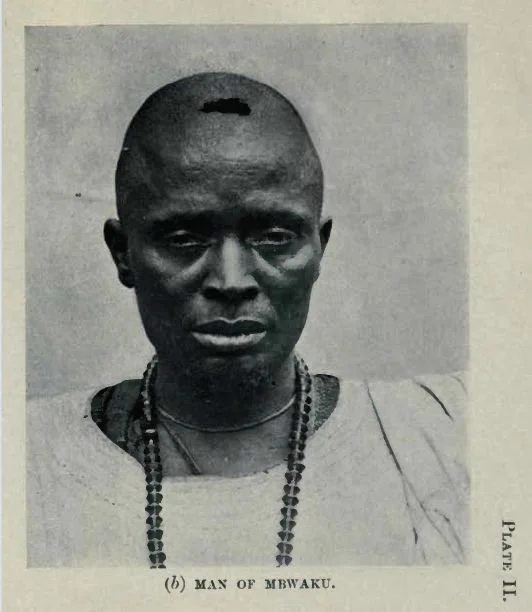
An Igbo man with facial marks of nobility known as Ichi from Basden, George Thomas (1921). Among the Ibos of Nigeria: An Account of the Curious & Interesting Habits, Customs & Beliefs of a Little Known African People, by One who Has for Many Years Lived Amongst Them on Close & Intimate Terms. Seeley, Service. p. 184.
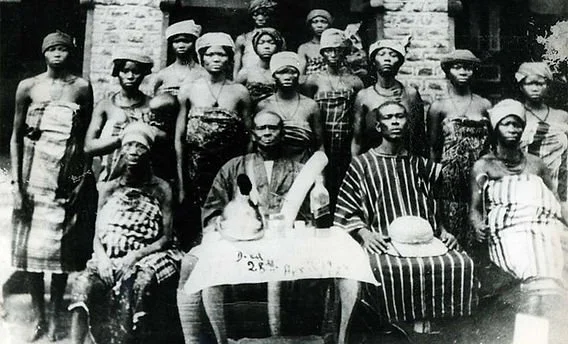
Ojiako Ezenne (center), with his mother (on his right), brother (Nnoli Ezenne), and his wives. Circa 1913.

Rich Women. Onitsha. (church members.)" G. F. Packer, 1880s.
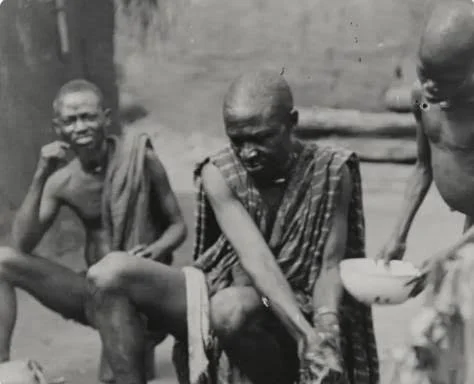
Titled elder Onyeso of Agukwu Nri washing hands for a rite before a shrine to Agwụ̀, a divinity of doctors (dibị̀à). Photographed by Northcote Thomas in 1911. MAA Cambridge.
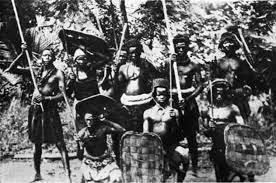
A group of Igbo warriors in ancient battle dress at a warriors funeral. Photo: M. D. W. Jeffreys, 1956.
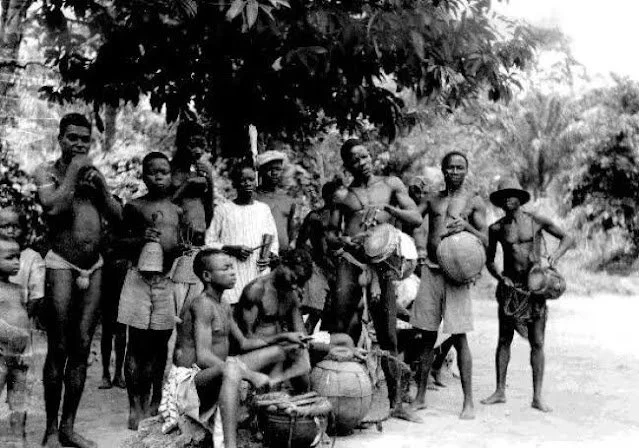
Igbo tribe members playing various musical instruments
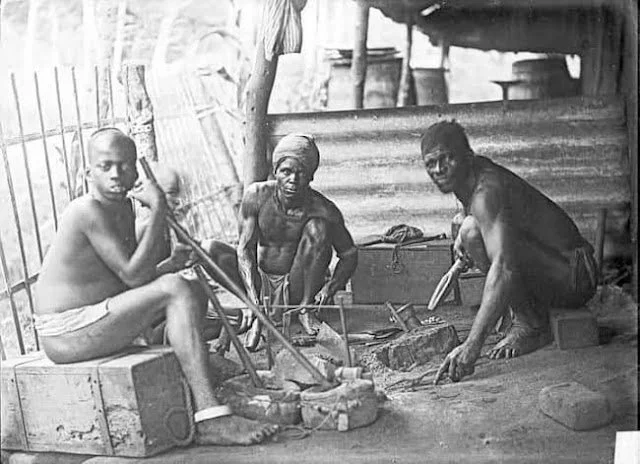
Blacksmiths “from the Onitsha area” according to G. I. Jones, photographed by William Henry Crosse, part of the Royal Niger Company, 1886 - 1895. MAA Cambridge.
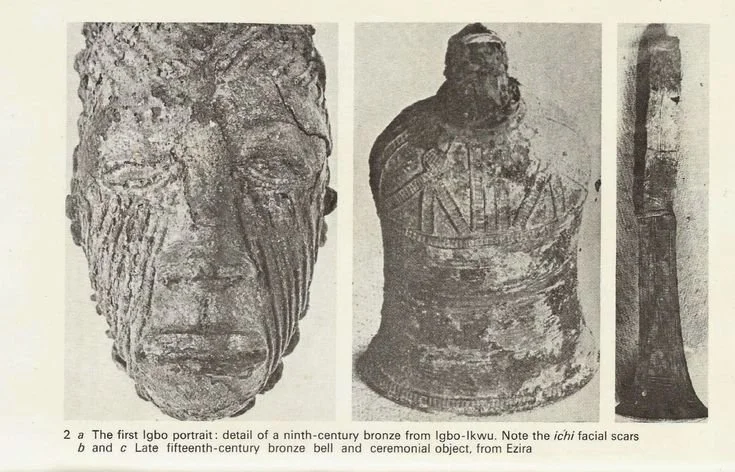
Ichi : Marks in Time
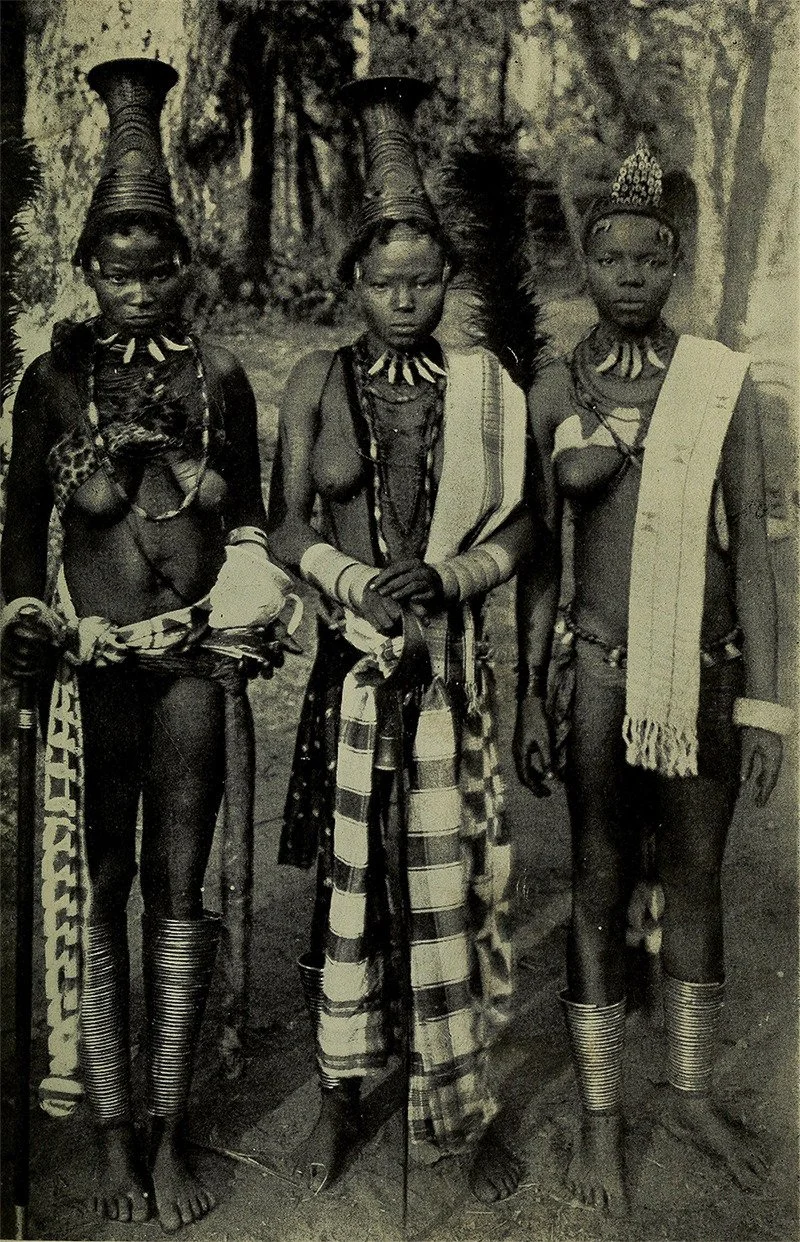
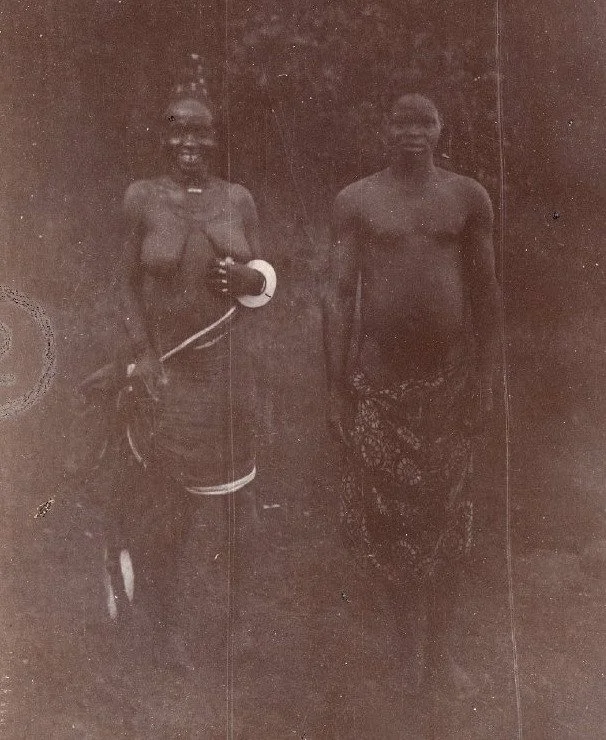
Three Igbo women and details of their attire including nja anklets and odu ivory bangles, akwa ocha (‘white fabric’) cloth, and a plaid-like cloth known today as George made primarily in the Igbo speaking town of Akwete. Photo taken by missionary G. T. Basden in the early 20th century in an Igbo speaking area now known as Anambra State, Nigeria. The three women were likely engaged [and well off].
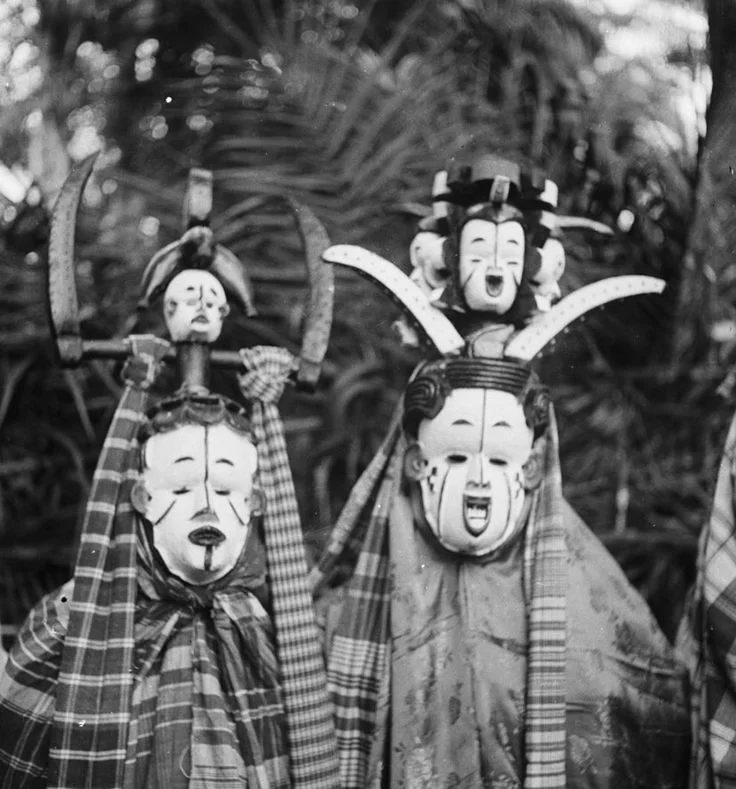
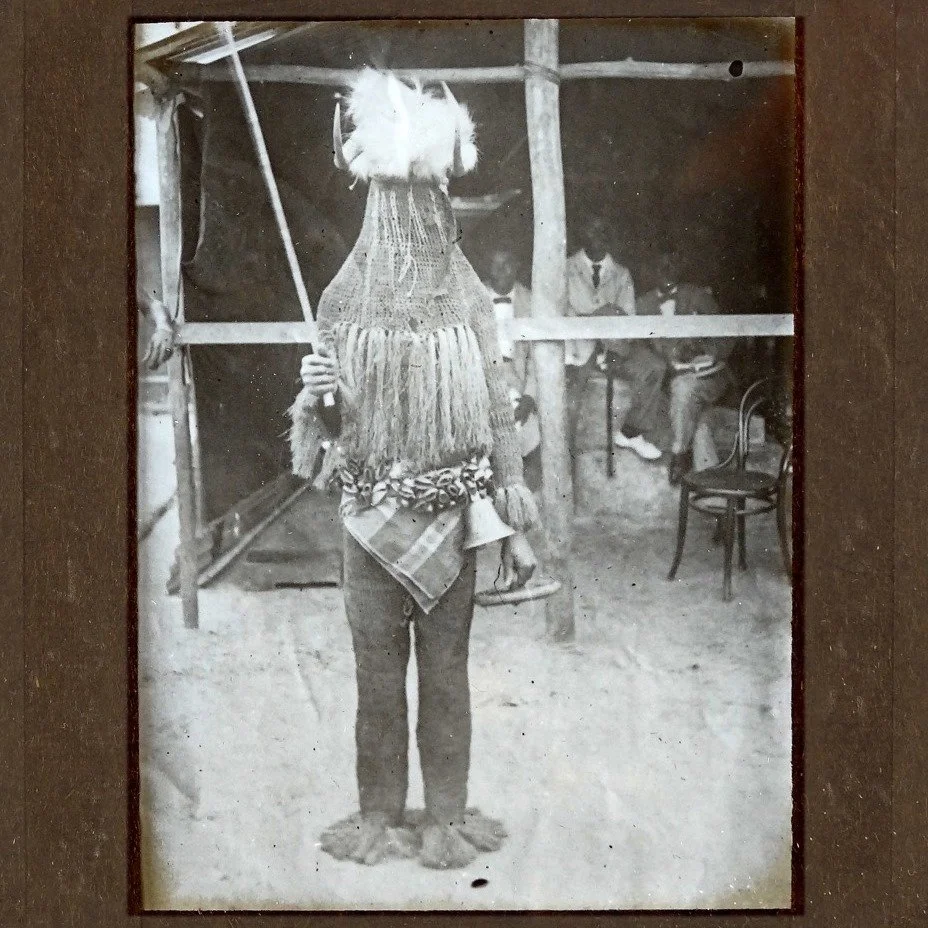
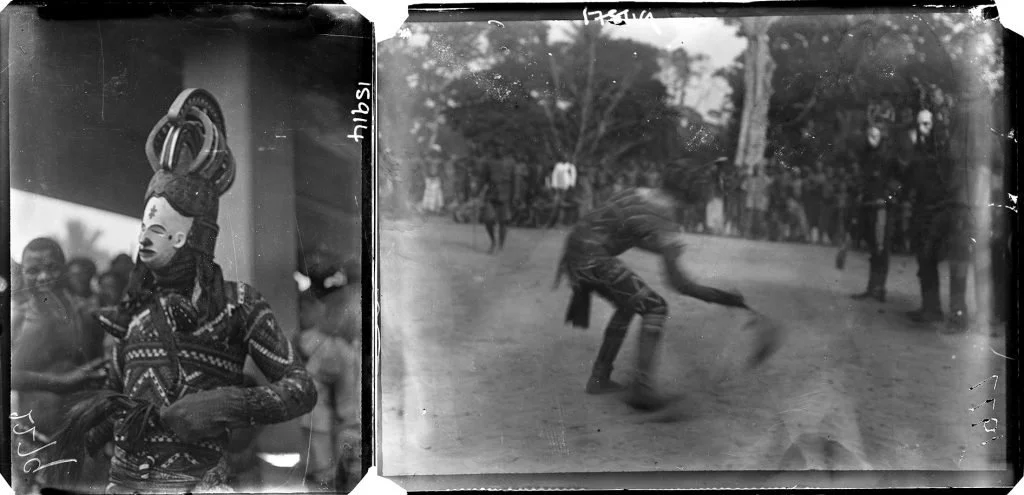
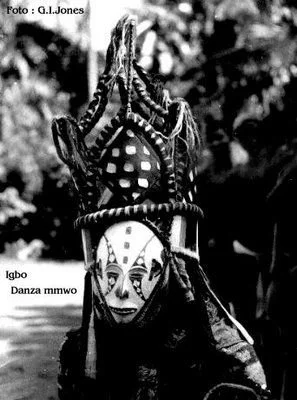
Igbo Mask - Nigera 1930
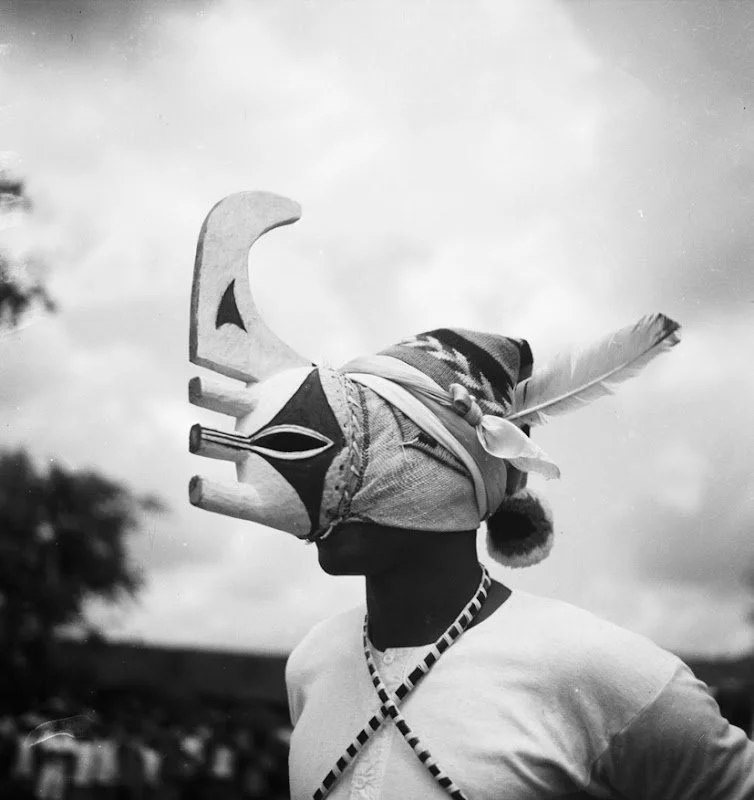
"Ogu wooden face mask," part of the Nkporo people's Ifogu masquerade at Elugu Nkporo in p.d. Abia State, photographed by G. I. Jones in the 1930s.
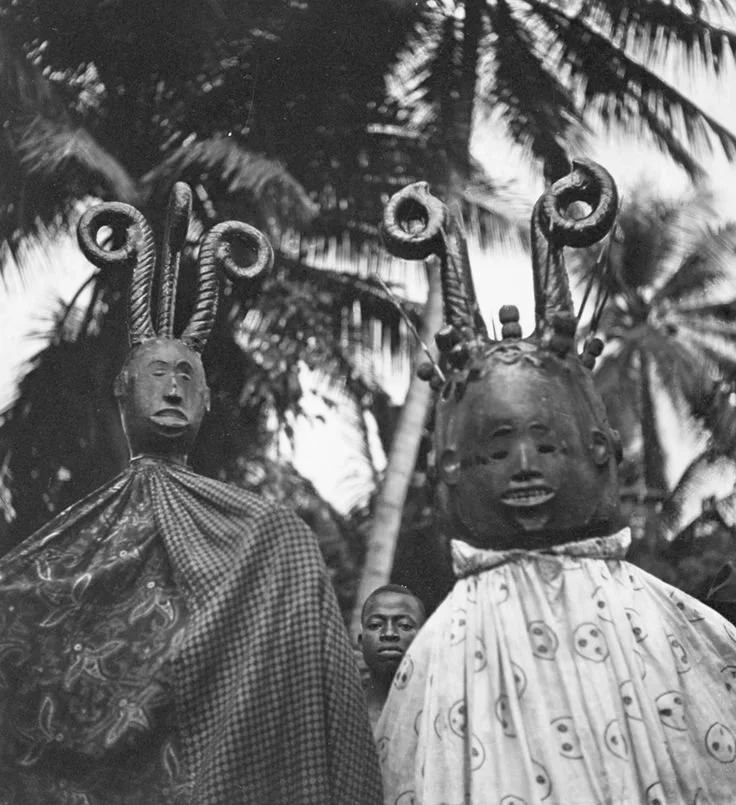
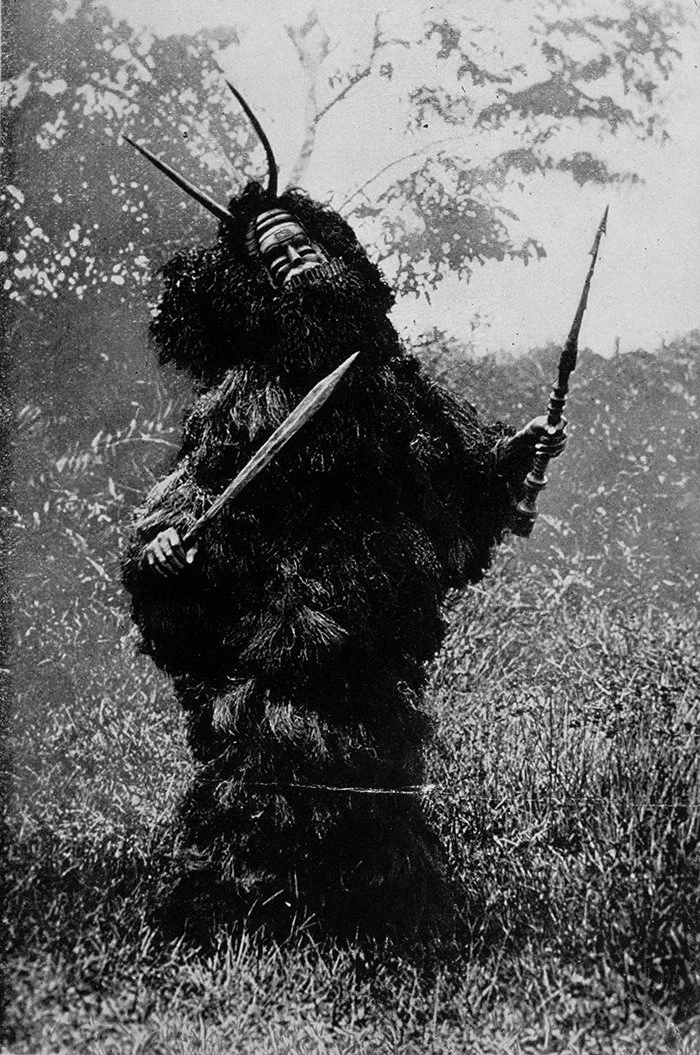
Ozu-Item tribe, Isu-Item Igbo Janus shoulder mask, Ikem masquerade. Covered in skin with hair represented by circular studs and wooden horns, with porcupine quills between them and in the mouth of one.
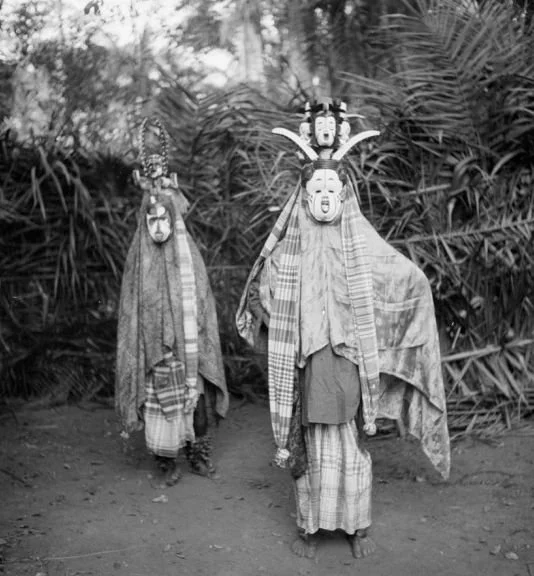
Okoroshi masquerade 1930s

A portrait of an Igbo woman and children standing by a carved door, known as mgbo ezi
Ajofia Nnewi, Igbo Celebrity Masquerade | Song: Mawalu m Oji
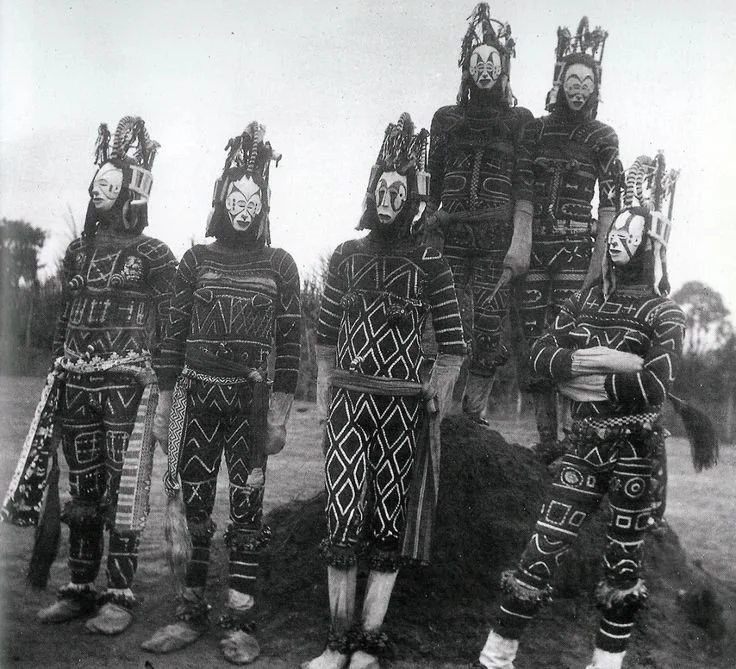
Agbogho mmuo, maiden spirit masks from the north-central part of the Igbo-speaking area. Early 20th century.
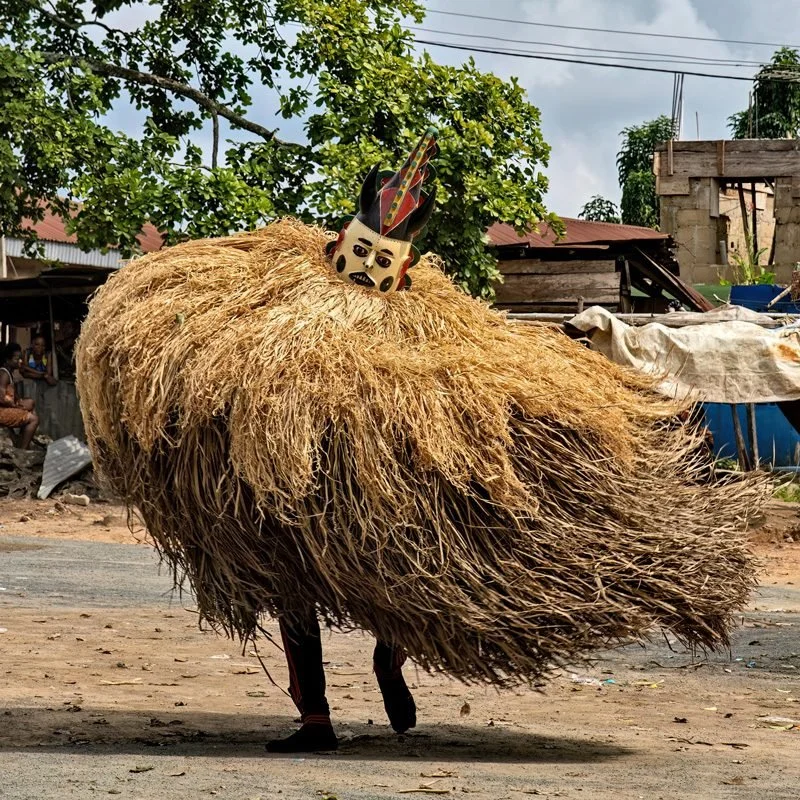
Masquerade of the Igbo people. Photo byJordi Zaragozà Anglès.
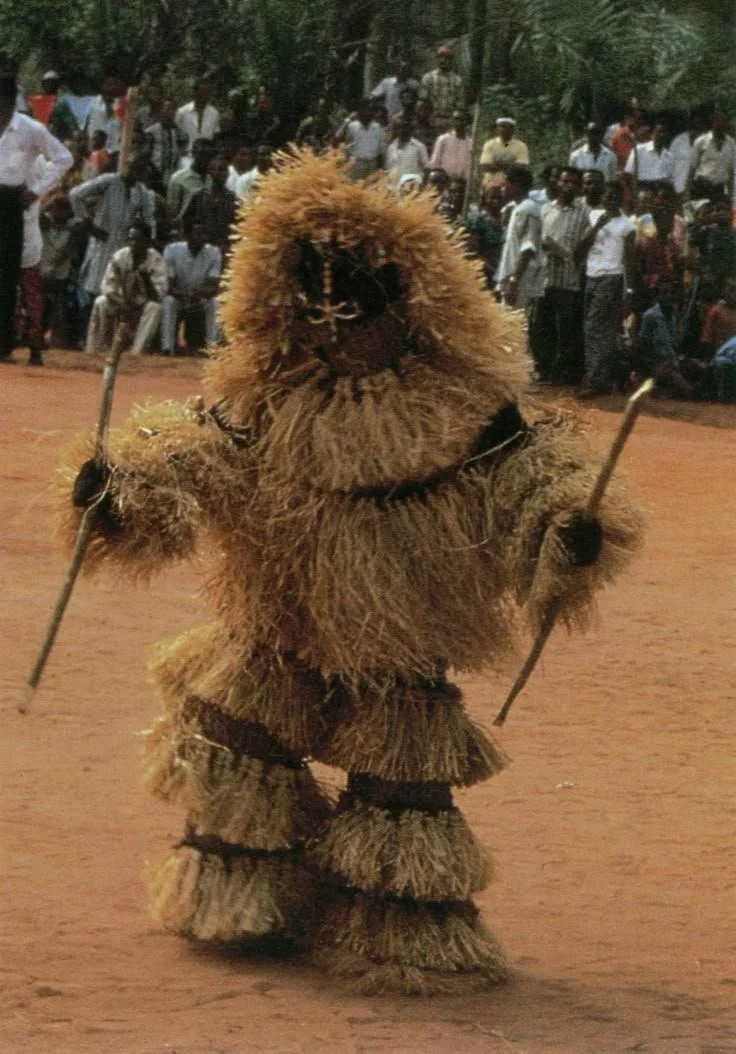

Igbo Mgbedike / Agaba type mask. Unspecified location. Photo: Edward Chadwick, c. 1930s. British Museum.
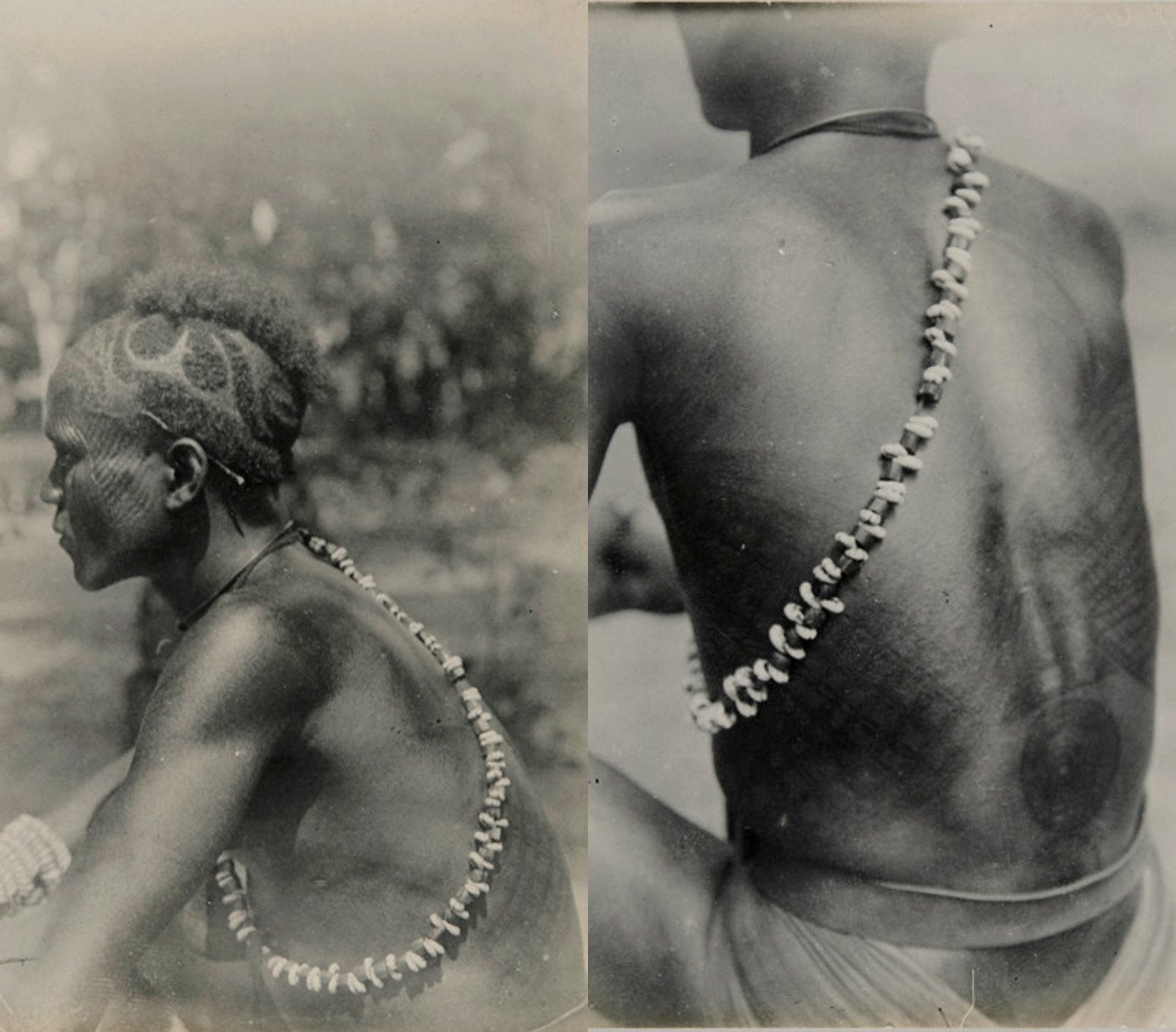
An Igbo man from Agukwu Nri decorated with what appears to be ùlì, a semi-permanent dye from a plant and a system of symbols of the same name. Photographed by Northcote Thomas, c. 1910-11. MAA Cambridge.
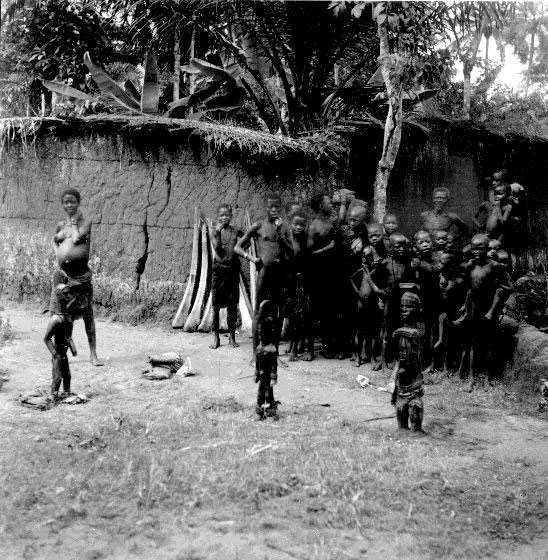
1930s. Jones’s book The Art of Southeastern Nigeria from 1984. A group of arusi figures from the Nri-Awka Igbo.
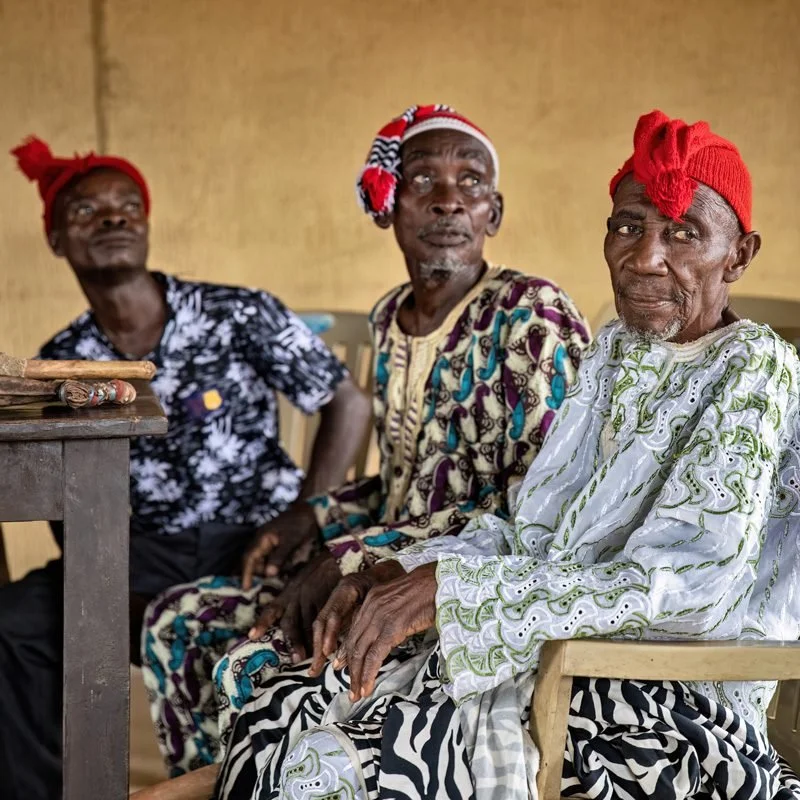
A group of Igbo elders in Nigeria. Photo by Jordi Zaragozà Anglès.

Left Body painting Fugar, presentday Edo State Nigeria. Photographed by Northcote W. Thomas in 1909 Right Two women making uli’ Achalla Anambra State Nigeria
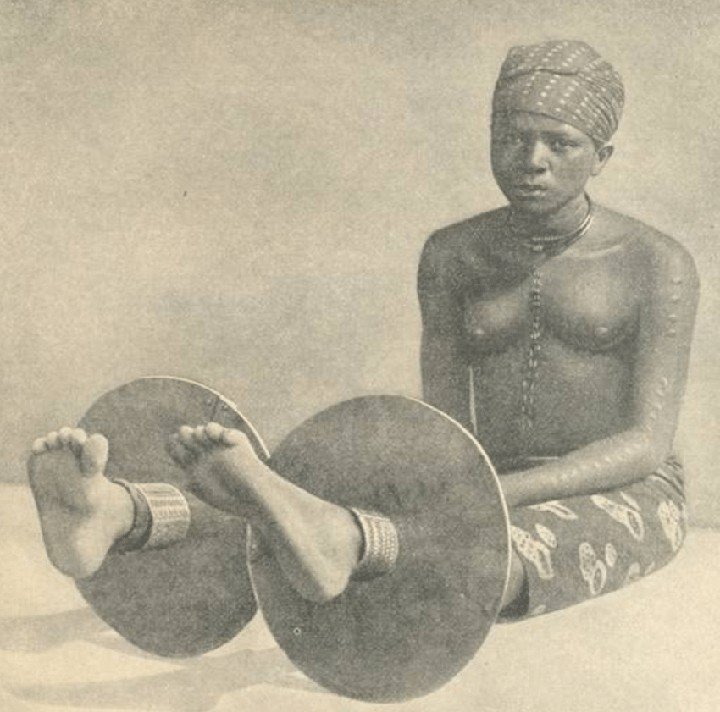
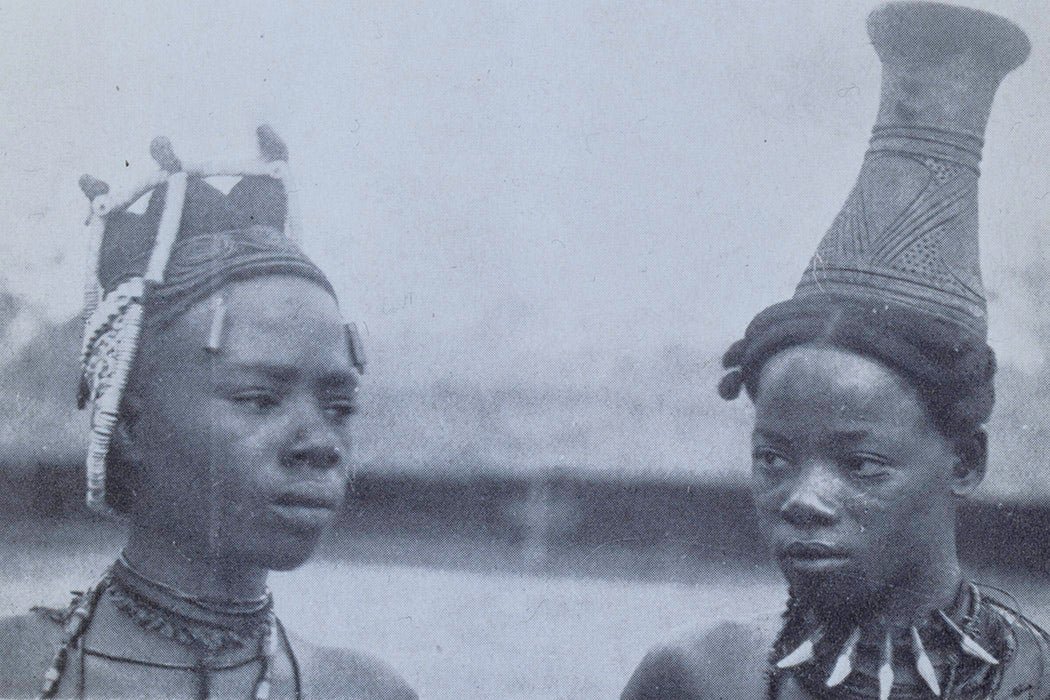


Boy standing beside two lifesized wooden Igbo figures
Ibo People, 1960s Nigeria, HD

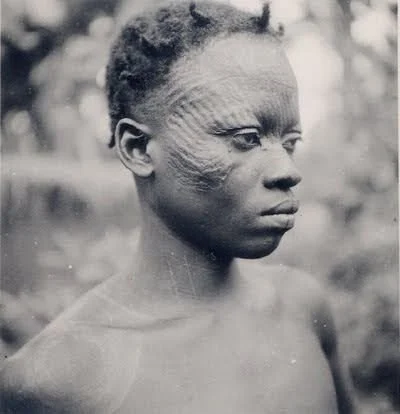
An mgburuichi, an Igbo person with ichi marks associated with Nri. Photographed by the British colonial government anthropologist Northcote Thomas, c. 1910-1911. Museum of Archaeology and Anthropology, Cambridge.

An Igbo man from Achala, p.d. Anambra State, photographed by British colonial government anthropologist Northcote Thomas, 1910-1911. Museum of Archaeology and Anthropology, Cambridge.
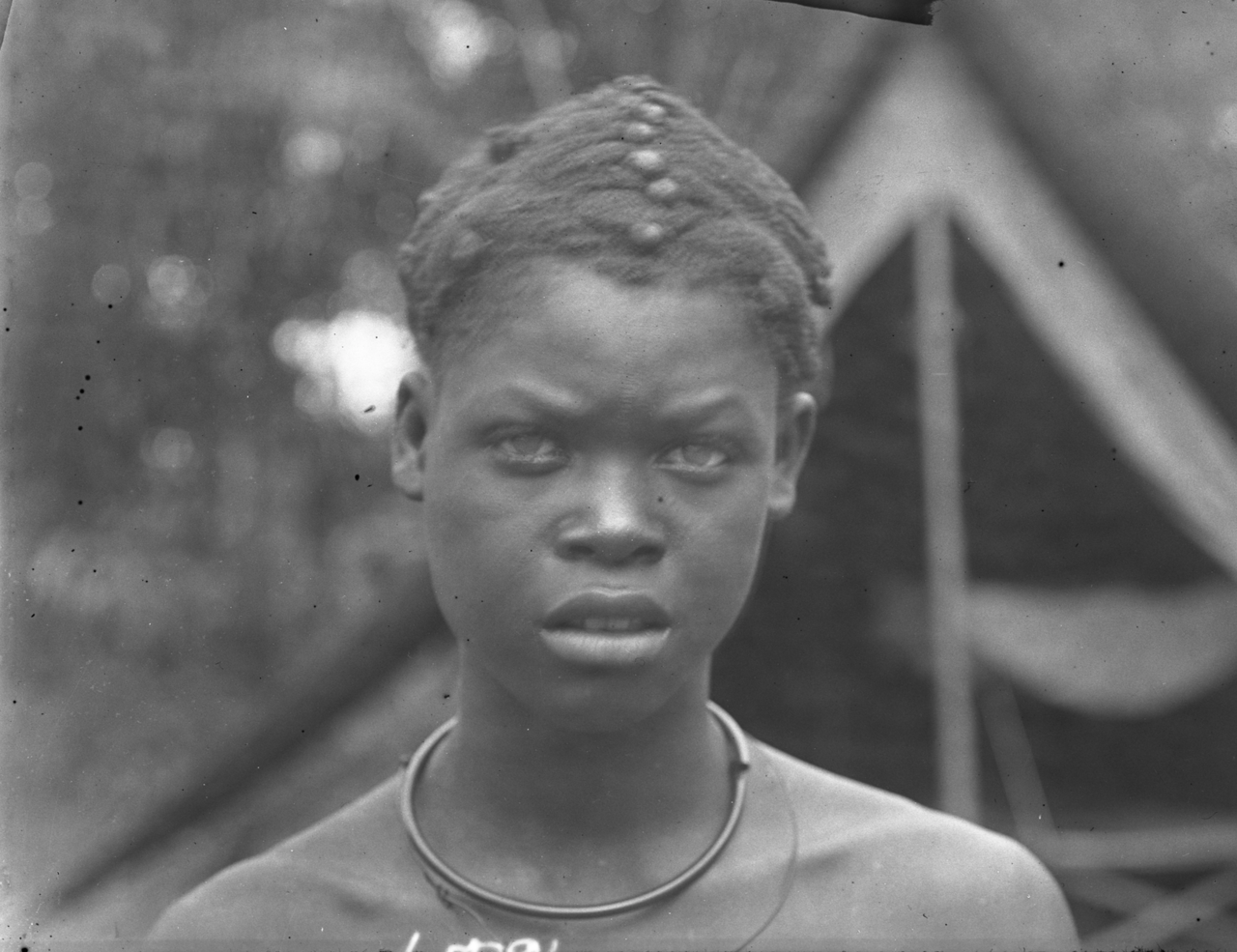
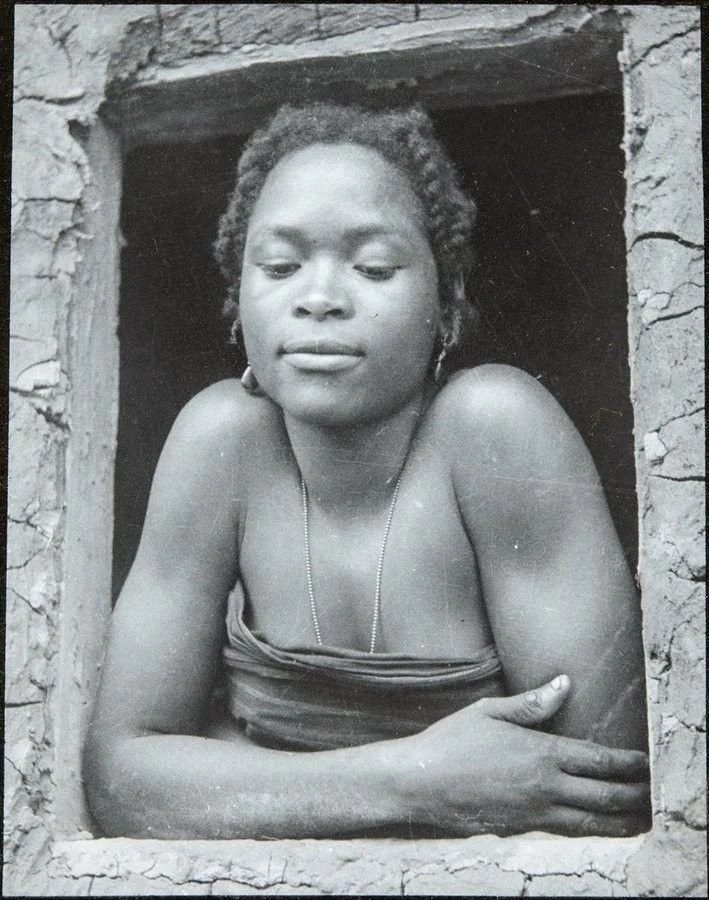
An Igbo girl photographed in Nibo and noted as ‘Nwauko’ in Northcote Thomas’ photographic register, c. 1910-11.

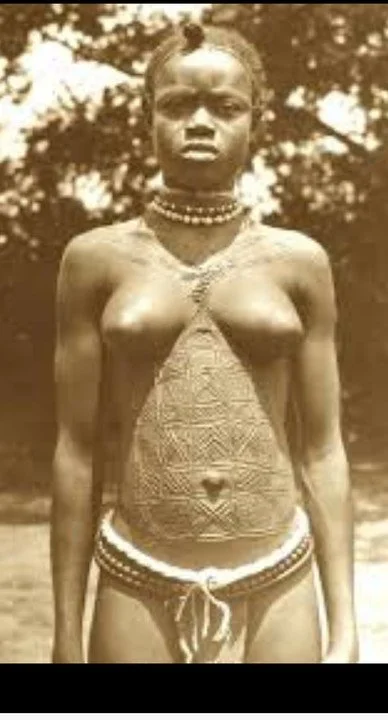
Igbo girl with uli body art, photo by Liz Willis 1983

Young woman being painted with Uri, photograph by Liz Willis
![[Igbo] Dancers at Awka in the Onitsha Hinterland Between Niger and the Cross River
Albert F Calvert (1910) Nigeria and Its Tin Fields.](https://images.squarespace-cdn.com/content/v1/65b41067c4042363cf11625f/0f851703-7aa0-4041-b919-18ae85e89c28/tumblr_nl00t2hSwc1qjh37to1_1280.jpg)
[Igbo] Dancers at Awka in the Onitsha Hinterland Between Niger and the Cross River Albert F Calvert (1910) Nigeria and Its Tin Fields.

An Igbo girl from Nibo, present-day Anambra State, with ùlì designs on her skin. Photographed by Northcote Thomas c. 1911. MAA Cambridge

Young Igbo Mask Dancers Wearing Net Masks and Raffia Costumes. Eastern Region, Nigeria. — Lorenzo Dow Turner (Black American), 1951. Smithsonian.

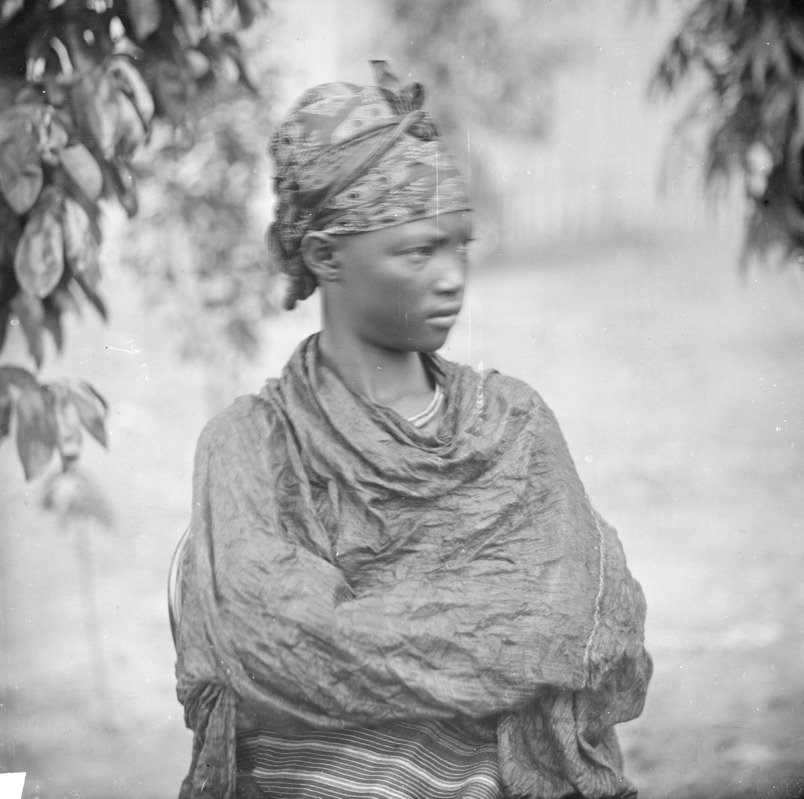
An Igbo woman from Nibo, present-day Anambra State. Photographed by Northcote Thomas c. 1911. MAA Cambridge.
![Sobo [Urhobo or Isoko] dancers from Warri with locked hair. 1880-1905, Unknown photographer.](https://images.squarespace-cdn.com/content/v1/65b41067c4042363cf11625f/b16d2292-2987-4e62-b8f5-9362806c9b33/tumblr_mbnfyaQbhW1qjh37to1_1280.jpg)
Sobo [Urhobo or Isoko] dancers from Warri with locked hair. 1880-1905, Unknown photographer.
Ekpo masquerade shot by Ibani photographer Jonathan Adagogo Green in Sapele, c. 1896. J. A. Green staged many of his photos. RAAI.
![Masqueraders at Ugwuoba, present-day Enugu State. Eliot Elisofon, 1959. Smithsonian.
Masked and costumed men […] masquerade during the annual yam festival, called ‘Onwasato’ in [Igbo]. The very colorful costumes of reds, whites and greens in stripes](https://images.squarespace-cdn.com/content/v1/65b41067c4042363cf11625f/53b49ccf-e1eb-4cf2-a93d-73855ab9637e/tumblr_b677bc61efd13cc1e73afb9c7f546967_21bc9103_1280.jpg)
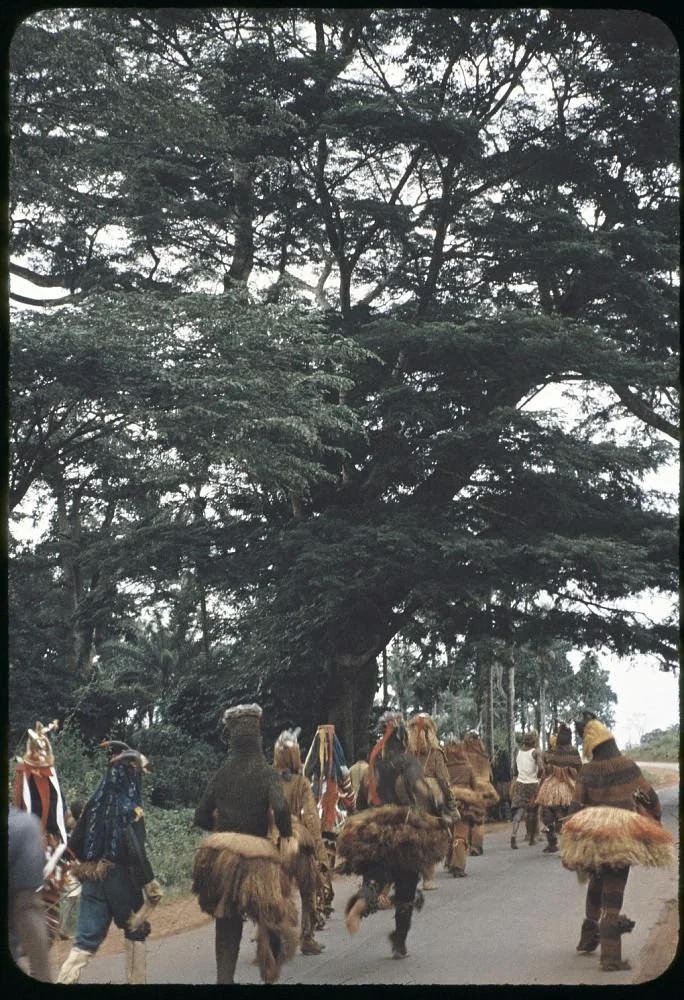
Masqueraders at Ugwuoba, present-day Enugu State. Eliot Elisofon, 1959. Smithsonian. Masked and costumed men […] masquerade during the annual yam festival, called ‘Onwasato’ in [Igbo]. The very colorful costumes of reds, whites and greens in stripes are called Iyolo, which means 'fine thing.’ The raffia costumes are called Udo, which means 'rope.’ […] The dancers are milling up and down the main road through the village, charging back and forth senselessly, dashing through the market area, shouting and jumping, some blowing horns hidden inside their masks. This was the first day of a four-day celebration, and was the first 'showing’ of the masquerade costumes. – Eliot Elisofon, 1959
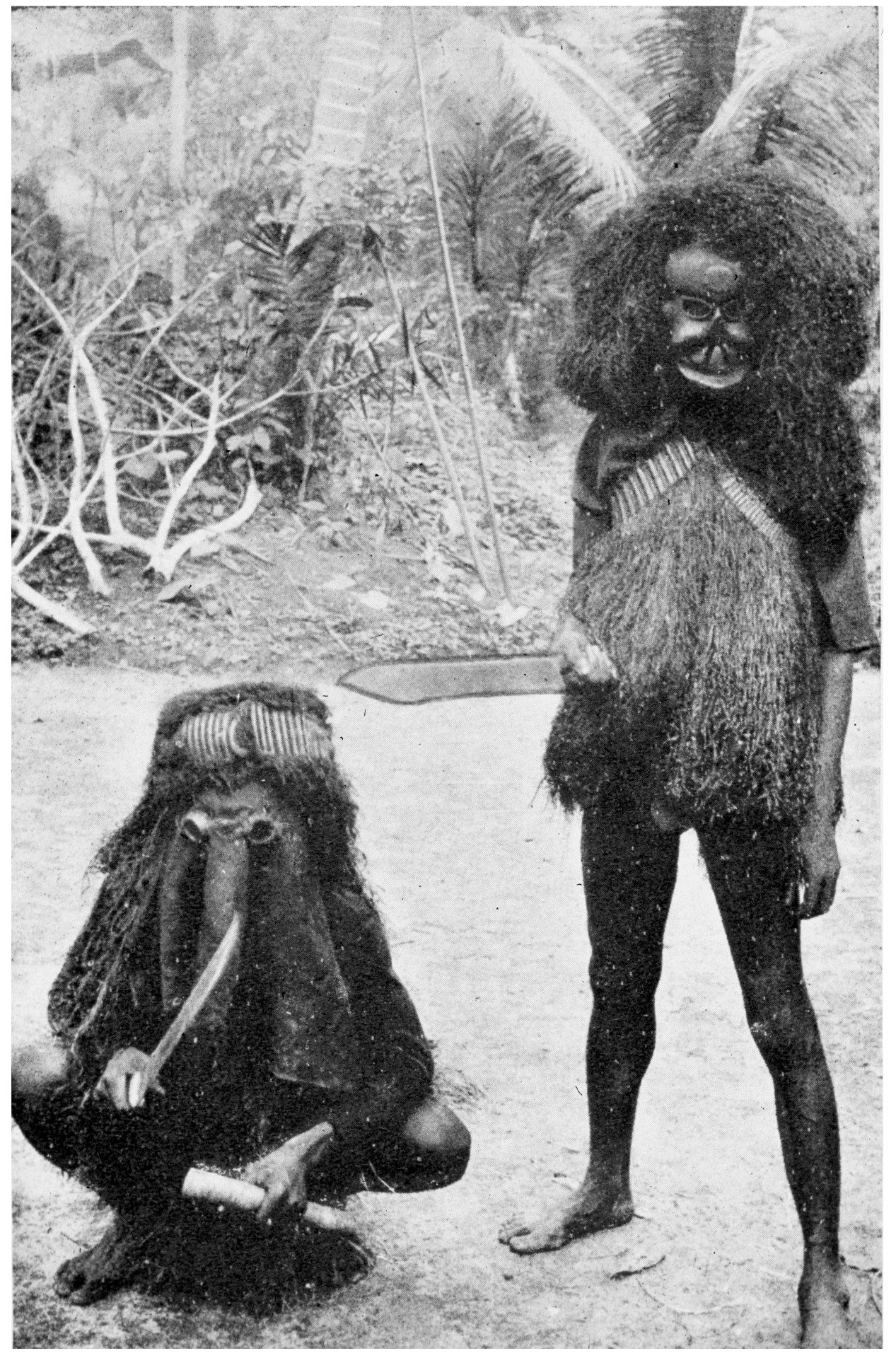
Masked Members of the Egbo Society. More dreaded even than Idiong is the great Egbo society, known in the Ibibio tribe as Akpanoyoho. It takes its name from ‘ekpe,’ the native word for the leopard or panther. Robert L. M'Keown, 1912
![Igbo masquerade performer in raffia costume, Nigeria. 101 Last Tribes. (n.d.). Igbo masquerade performer in raffia costume [Photograph]. https://www.101lasttribes.com/tribes/igbo.html](https://images.squarespace-cdn.com/content/v1/65b41067c4042363cf11625f/f97f75ab-df0a-498f-91ae-09260e0098a9/Igbo_7.jpg)
Igbo masquerade performer in raffia costume, Nigeria. 101 Last Tribes. (n.d.). Igbo masquerade performer in raffia costume [Photograph]. https://www.101lasttribes.com/tribes/igbo.html
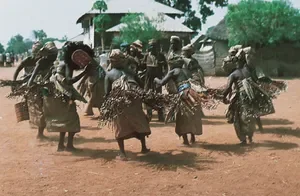
Jukun women dancingJukun women in Nigeria dancing the Ajun-Kpa, meant to exorcise evil spirits.
![Igbo masquerade performer in raffia costume, Nigeria. 101 Last Tribes. (n.d.). Igbo masquerade performer in raffia costume [Photograph]. https://www.101lasttribes.com/tribes/igbo.html](https://images.squarespace-cdn.com/content/v1/65b41067c4042363cf11625f/ffd20209-a419-4883-8fb4-2ab47719575a/Igbo_6.jpg)
Igbo masquerade performer in raffia costume, Nigeria. 101 Last Tribes. (n.d.). Igbo masquerade performer in raffia costume [Photograph]. https://www.101lasttribes.com/tribes/igbo.html
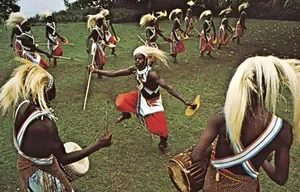
ceremonial lion danceTutsi hunters performing the ceremonial lion dance. The headdress is symbolic of a lion's mane.
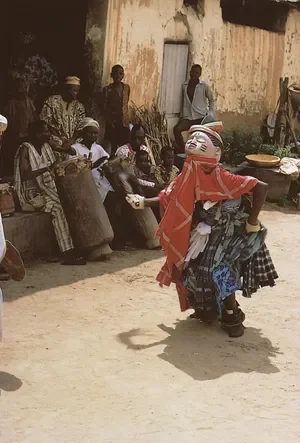
Gelede masqueraderA Gelede masquerader dancing in the courtyard of the Ibara palace in Abeokuta, Nigeria.
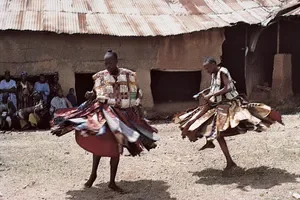
Yoruba danceYoruba in Nigeria performing a dance in honour of the god Shango.
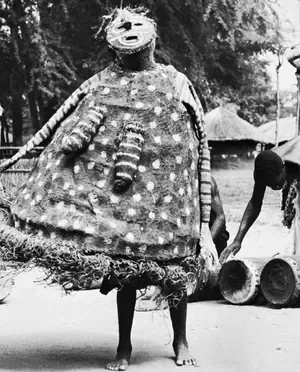
Makishi dancerMakishi dancer representing an ancestral spirit who assists at initiation rites of the peoples in northwestern Zambia.
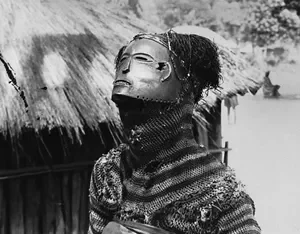
mask representing the mwanapwoMask representing the mwanapwo, a mythical figure of a young woman who died. It is one of the prominent figures in masked performances by the Chokwe and related peoples in the eastern Angolan–northwestern Zambian culture area.
![COMIC MASK FROM LUGHULU MASKERADE. ITEM TRIBE, ISU-ITEM I[G]BO G. I. Jones; Sculpture of the Umuahia Area of Nigeria; African Arts, Vol. 6, No. 4 (Summer, 1973)](https://images.squarespace-cdn.com/content/v1/65b41067c4042363cf11625f/b15de0d5-ee2b-4db1-b3de-31492972b103/tumblr_mzo1zzuY631qjh37to1_1280.jpg)
COMIC MASK FROM LUGHULU MASKERADE. ITEM TRIBE, ISU-ITEM I[G]BO G. I. Jones; Sculpture of the Umuahia Area of Nigeria; African Arts, Vol. 6, No. 4 (Summer, 1973)
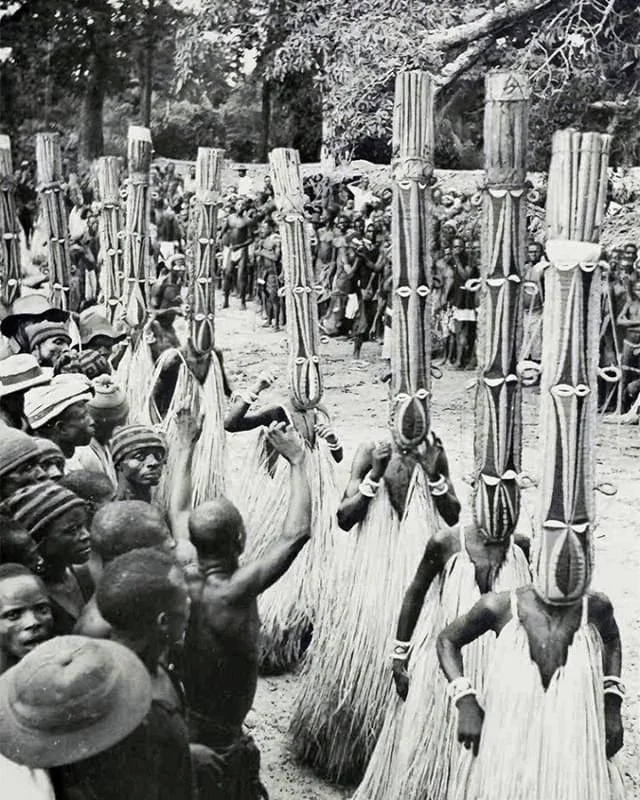
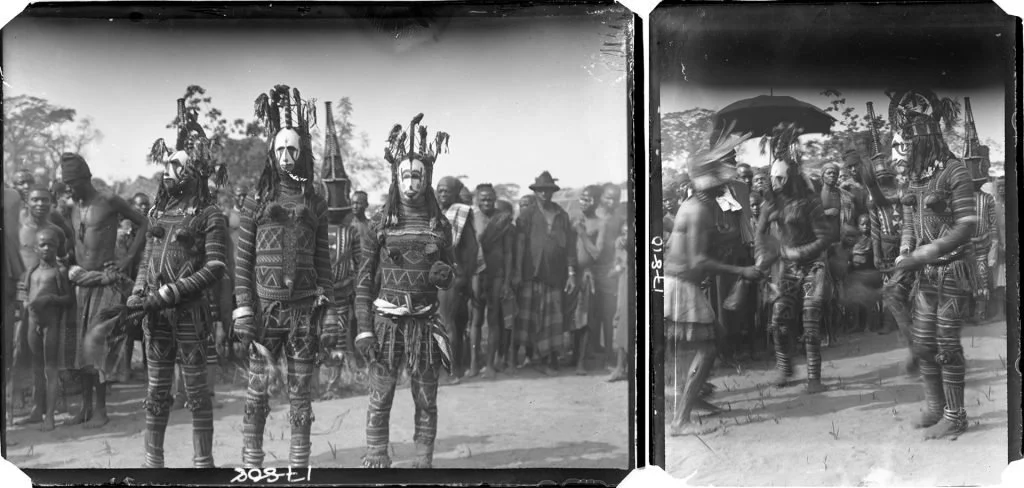
Young male Nkporo initiates dancing masks with tall fibre extensions, eastern Igbo area (p.d. Abia State), 1930s. Photo: G.I. Jones.
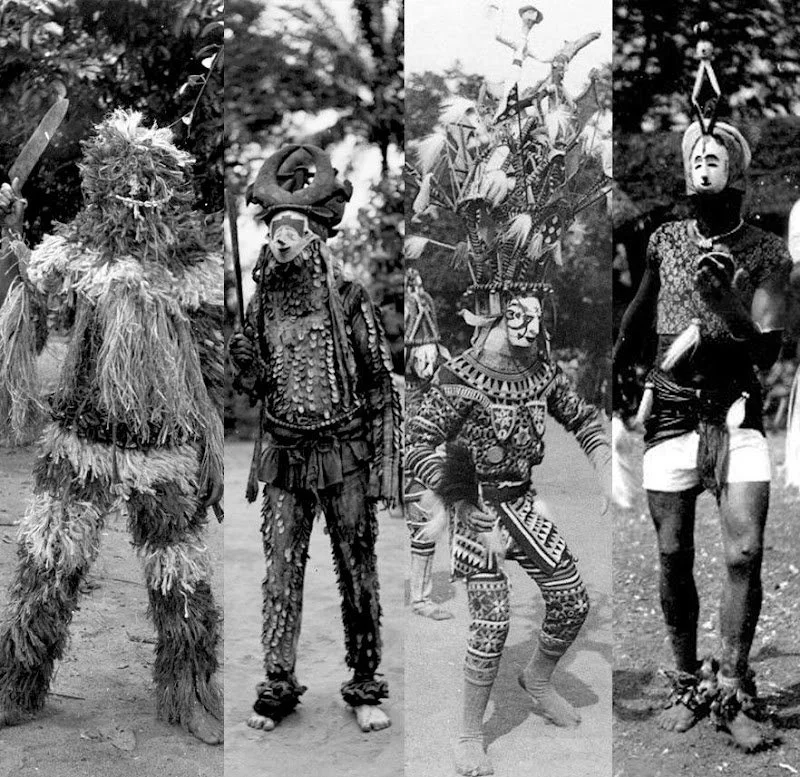
Masquerades from different cultural regions of the Igbo area photographed by G. I. Jones in the 1930s.
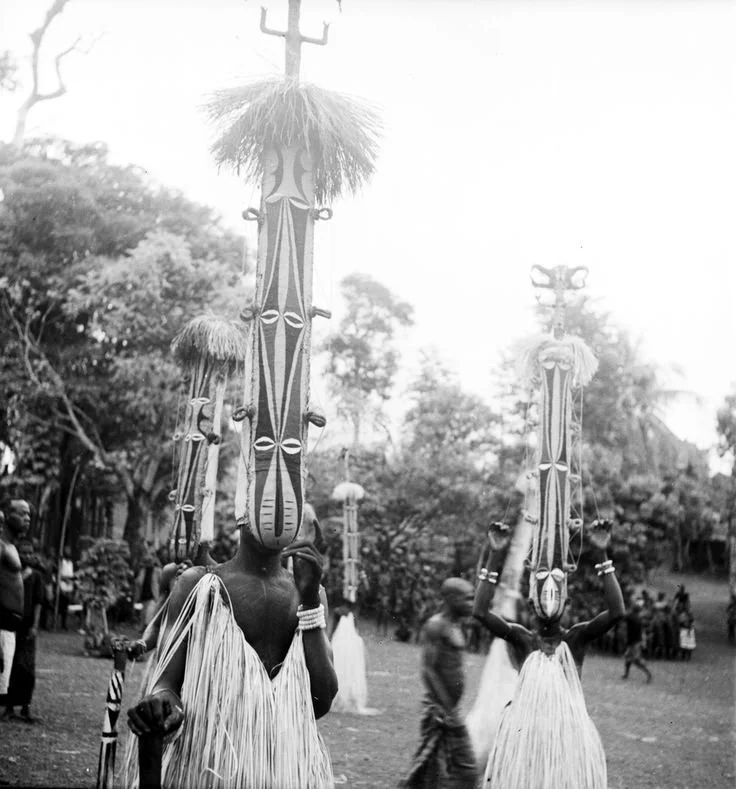
Masquerade dancers in Nigeria from the early 20th century
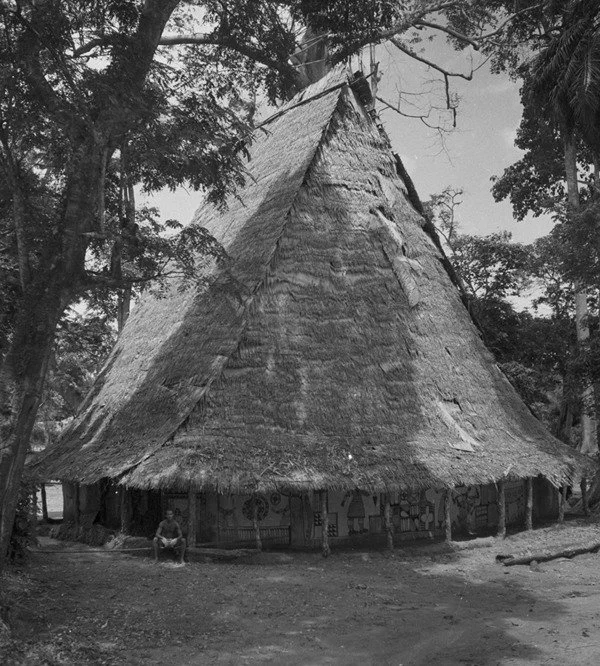
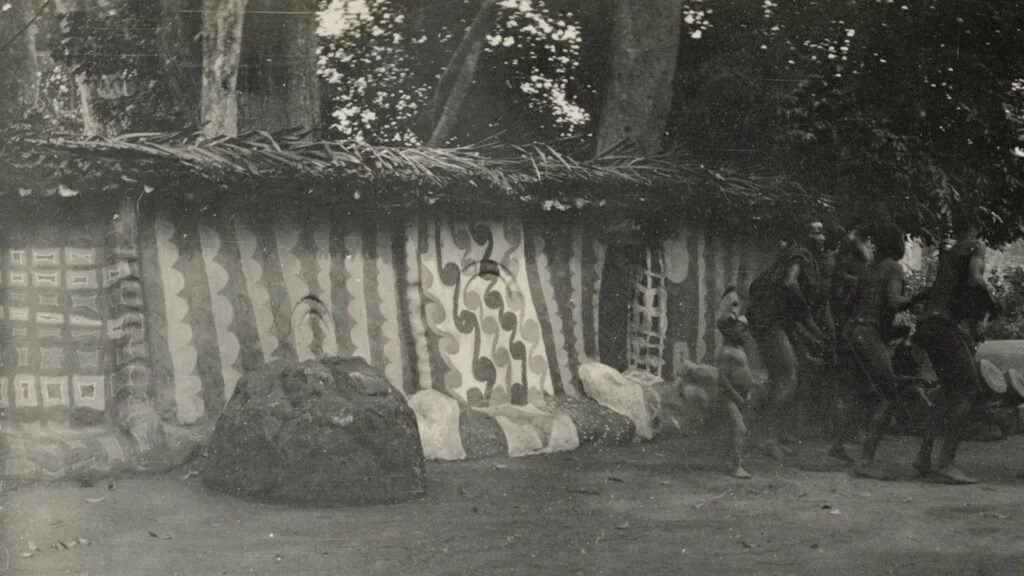
Ekpe (leopard society) meeting house. View of Ekpe meeting house in Umuajatta village, Olokoro near Umuahia. The house has a tall thatched roof and a wall painted by an Annang artist in the style of the Ngwomo ghost houses. G.I. Jones, 1932 - 1938

![[An Igbo] spirit worker painting the walls of an mbari nearing completion. Note the double Mami Wata images at left. Photo 1930s, [Near Owere]. - Herbert Cole, 1988.](https://images.squarespace-cdn.com/content/v1/65b41067c4042363cf11625f/f83956ae-fe5a-413e-aab3-ab4d64dcf452/Mbari+Onye+Mgbe.jpg)
[An Igbo] spirit worker painting the walls of an mbari nearing completion. Note the double Mami Wata images at left. Photo 1930s, [Near Owere]. - Herbert Cole, 1988.
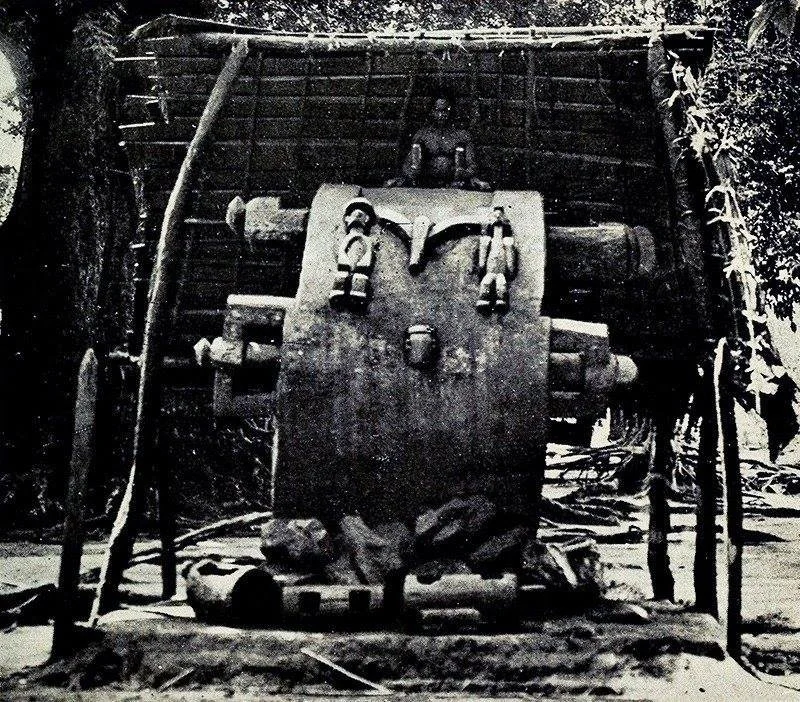
The Ikoro Obibiaku, a giant ikoro (wooden slit drum) of Umunze made from a single oji (iroko) tree. Ikoro is beaten by males with sticks or by hand for either music, ritual purposes, or for sending messages. Photo: G. T. Basden, before 1921. This ikoro was reported to be over 180 years old by Basden, the amazing thing is that the Ikoro Obibiaku still exists today (meaning it's now over 250 years old) at Nkwo Umunze, in Anambra State, although in a degraded state.
![The ùrì body art of women who may be from Isuochi (as the album was labelled) [cropped].](https://images.squarespace-cdn.com/content/v1/65b41067c4042363cf11625f/9002a236-0a25-4fdd-80b3-a3962f607cfa/uri+ozo.jpg)
The ùrì body art of women who may be from Isuochi (as the album was labelled) [cropped].
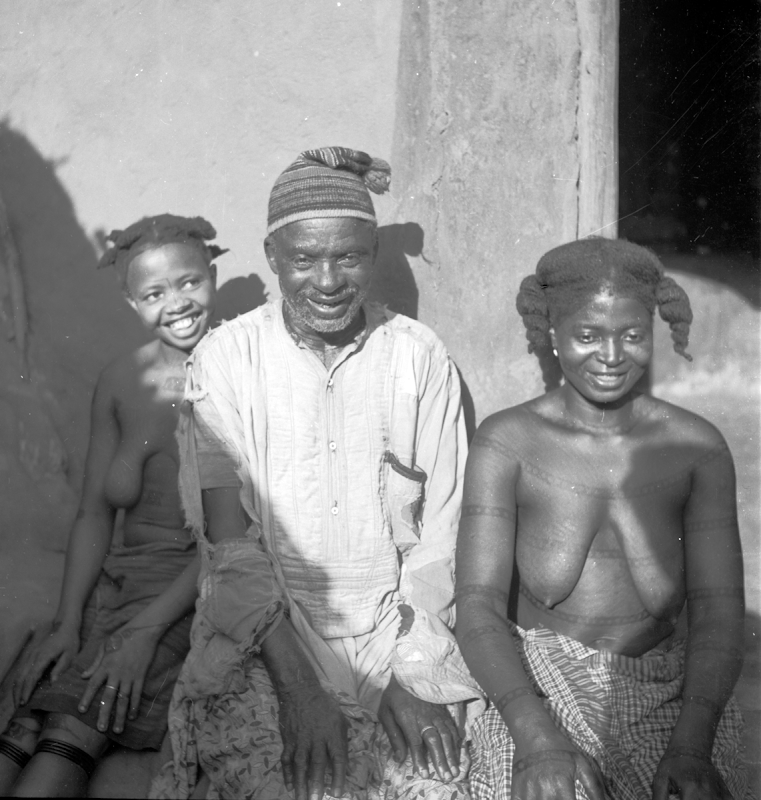
People who may be from Isuochi (as the album was labelled). Photographed by G. I. Jones, 1930s.
![The ùrì body art of women who may be from Isuochi (as the album was labelled) [cropped].](https://images.squarespace-cdn.com/content/v1/65b41067c4042363cf11625f/99fd9867-c295-4ef8-bb9f-0a54cd52e72f/right+uri.jpg)
The ùrì body art of women who may be from Isuochi (as the album was labelled) [cropped].
![The woman's name and the child's name may have been recorded by Thomas, but it has not been made public yet. For more information see: [Re:]Entanglements: N. W. Thomas – an accidental artist? and [Re:]Entanglements: Who was N. W. Thomas?](https://images.squarespace-cdn.com/content/v1/65b41067c4042363cf11625f/90185bae-31f8-48e8-93bf-bf52666c51a1/Agukwu+Nri.png)
The woman's name and the child's name may have been recorded by Thomas, but it has not been made public yet. For more information see: [Re:]Entanglements: N. W. Thomas – an accidental artist? and [Re:]Entanglements: Who was N. W. Thomas?
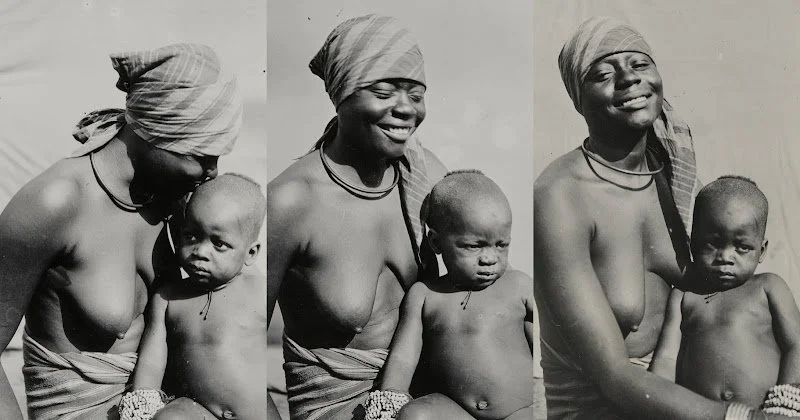
This is a woman and child from Agukwu Nri taken in 1910-11. The colonial appointed anthropologist Northcote Thomas made several volumes on the colonial examination of Igbo society. Among anthropological work, the 'side' material were outtakes like this which didn't make it to publishing. These are three separate photos, MAA Cambridge. This is the photo that was published in Northcote Thomas' Anthropological Report on the Ibo-speaking Peoples of Nigeria, vol. I. "You can see how the 'no-smiling' convention of old photography plays here, it may also have further connotations considering this is a colonial work made primarily for colonial dissection. There are many other example like this. In addition to that, many of the candid-looking photos taken outside of the makeshift studios were planned and staged ahead of Northcote Thomas (and hence other colonial-era photographers) taking photographs. How does the contrast between these 'outtakes' and the published image come across, what is the reaction to seeing both and possibly realising how manipulated colonial images can be?" From https://blog.ukpuru.org
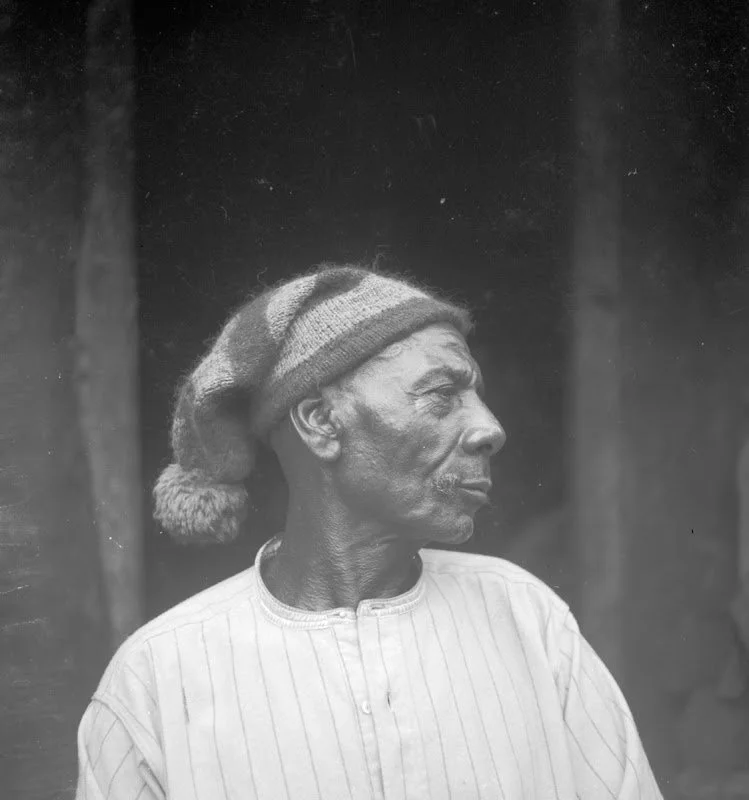
A man who may possibly be from Isuochi (as the album was labelled). Photographed by G. I. Jones, 1930s.
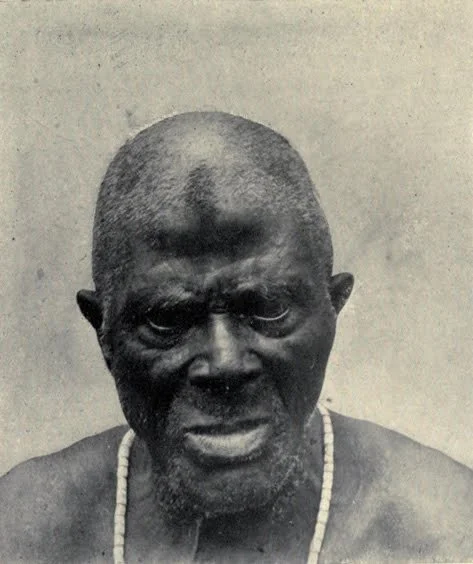
Photo: An elderly man of Igbuzo photographed in the early 20th century by Northcote Thomas.
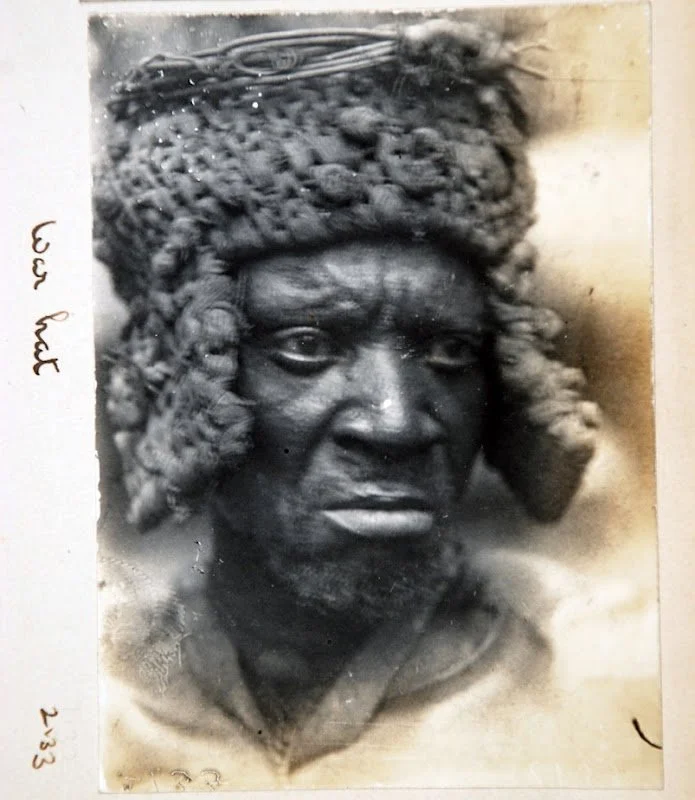
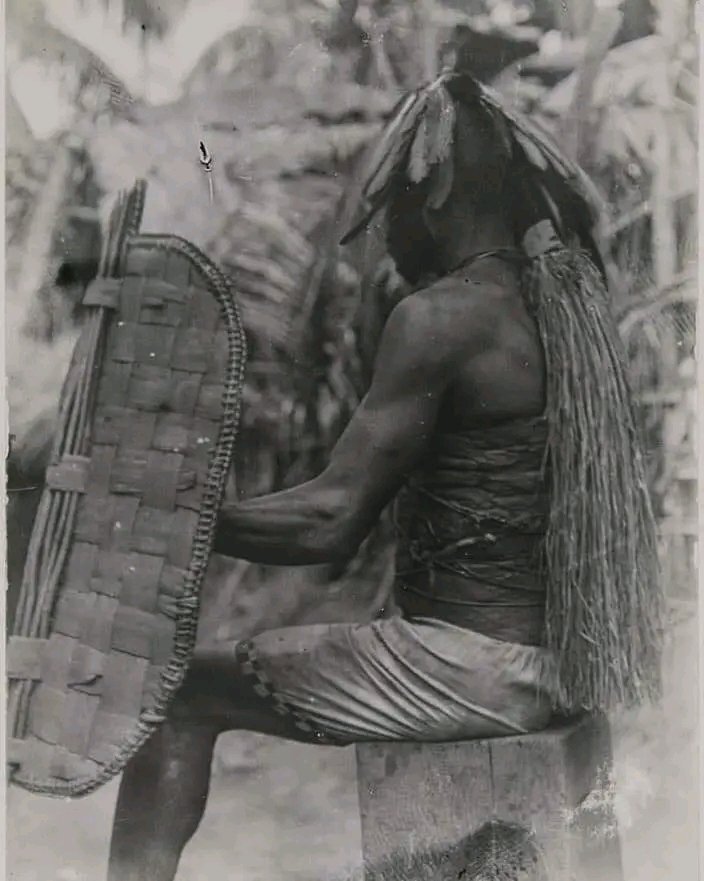
An Igbo elder of Öka (Awka) wearing an okpu agha, or "war hat" as noted here by Northcote Thomas, 1910-11. Northcote Thomas' album, MAA Cambridge. As a defence against ... weapons the Ibo had devised fibre 'crash' helmets or okpu agha. Those ... are entirely plaited out of the coarse fibre in the stems of Colocasia antiquorum. Dalziel remarks: 'The Ibos use caps or helmets and a kind of armour woven from the fibre got from the petioles.' – M. D. W. Jeffreys (1956). "Ibo Warfare." Man, Vol. 56 (June, 1956). p. 78.
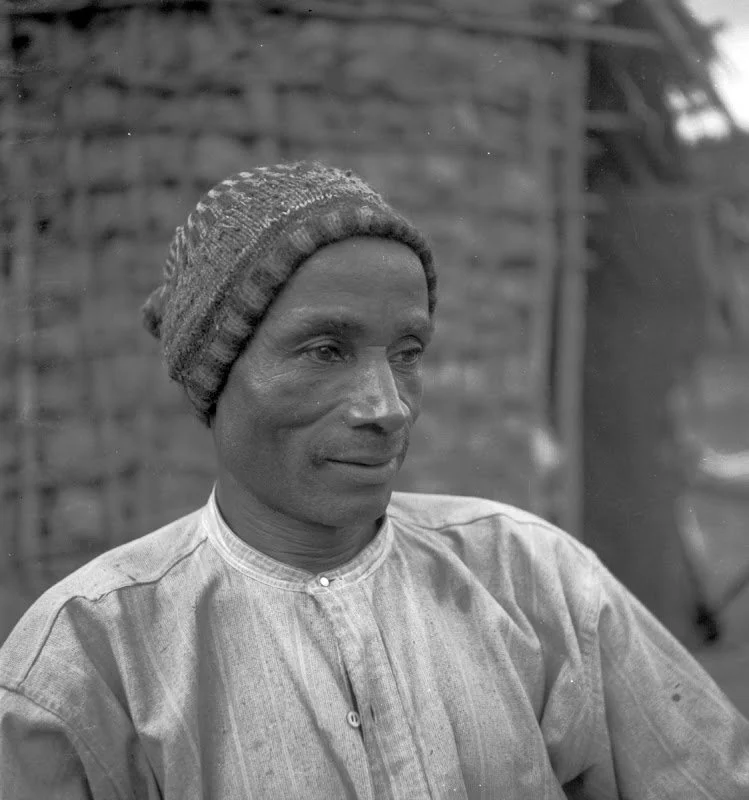
A man who may possibly be from Isuochi (as the album was labelled). Photographed by G. I. Jones, 1930s.
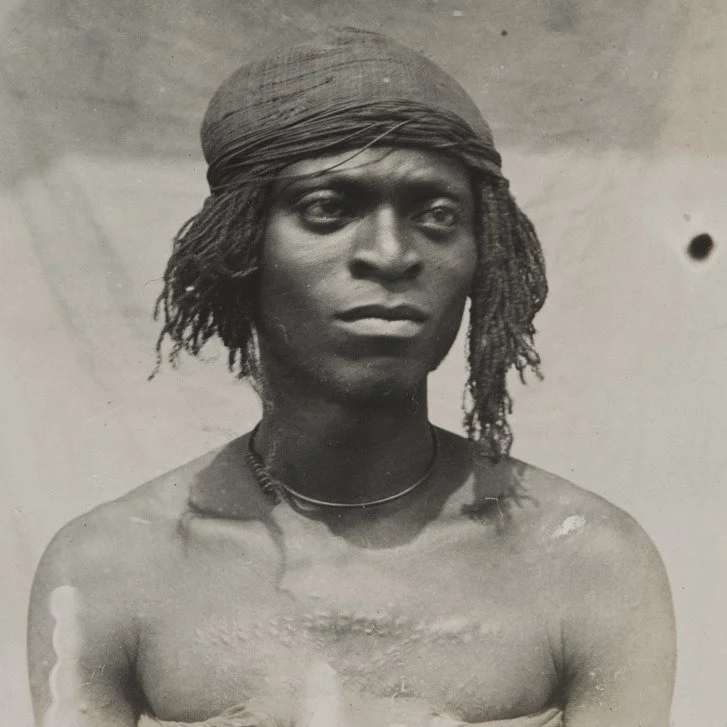
“Achetefu(?) young man.” … “Hairdressing (Ibo) Man of Awka”. Northcote Thomas, c. 1911. MAA Cambridge.
![The Omu of Okpanam, whose name was not recorded, photographed by Northcote Thomas in 1912. Okpanam is an Enuani Igbo town near Asaba in Delta State, Nigeria today.
The Omu [awe-mu] are titled women who control markets and are spiritual protectors to](https://images.squarespace-cdn.com/content/v1/65b41067c4042363cf11625f/ee535d67-fc3a-4cef-9166-67679fef1e6e/tumblr_put5my2YeB1qjh37to1_1280.jpg)
The Omu of Okpanam, whose name was not recorded, photographed by Northcote Thomas in 1912. Okpanam is an Enuani Igbo town near Asaba in Delta State, Nigeria today. The Omu [awe-mu] are titled women who control markets and are spiritual protectors to the Obi, the king, in Igbo communities west of the Niger River, typically among the Enuani, and in the past in Onicha (Onitsha) and Osomari on the east bank of the Niger River. There is one Omu in each community with the institution.
![A man from Enugwu Ukwu in present day Anambra State, photographed by Northcote Thomas, c. 1910-11. MAA Cambridge. [There’s nzụ, chalk, on his eyes.]](https://images.squarespace-cdn.com/content/v1/65b41067c4042363cf11625f/ca0c42cb-71b8-4b42-ad02-3ad652d8d736/tumblr_pttl31Hkql1qjh37to1_1280.jpg)
A man from Enugwu Ukwu in present day Anambra State, photographed by Northcote Thomas, c. 1910-11. MAA Cambridge. [There’s nzụ, chalk, on his eyes.]
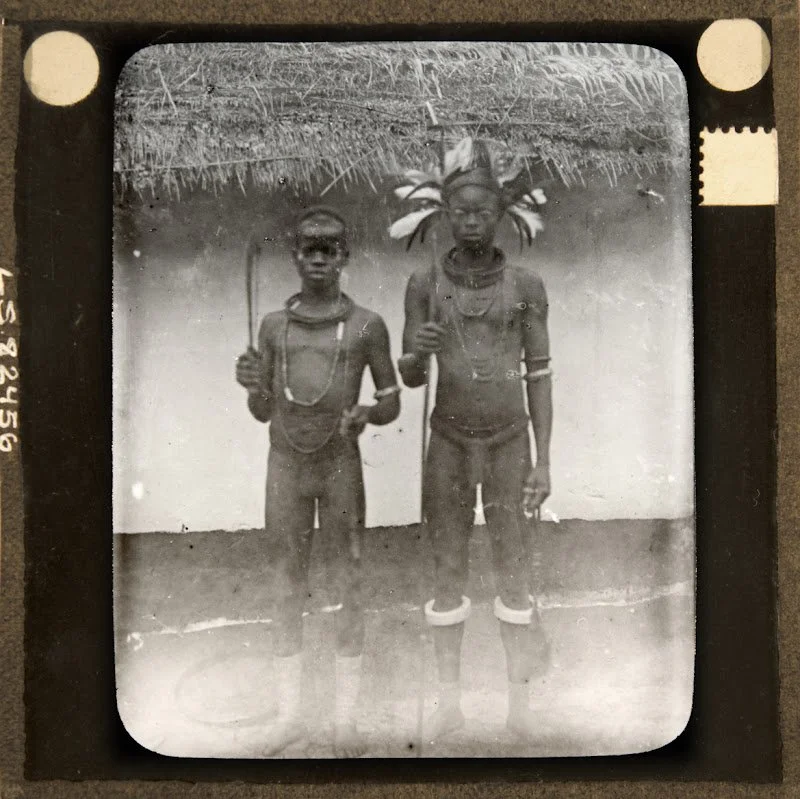
Two men photographed near the Niger River by William Henry Crosse, part of the Royal Niger Company, 1886 - 1895. MAA Cambridge.
![An unidentified titled man, with the label that might read "Chief of Iboria[?] Ibo," may be Idigo of Aguleri who was converted by French Catholics. Photographed by William Henry Crosse, part of the Royal Niger Company, 1886 - 1895. MAA Cambridge.](https://images.squarespace-cdn.com/content/v1/65b41067c4042363cf11625f/a50de8ce-433d-4145-824f-ecbd041b7fff/433557_LS.52128.WCR.jpg)
An unidentified titled man, with the label that might read "Chief of Iboria[?] Ibo," may be Idigo of Aguleri who was converted by French Catholics. Photographed by William Henry Crosse, part of the Royal Niger Company, 1886 - 1895. MAA Cambridge.
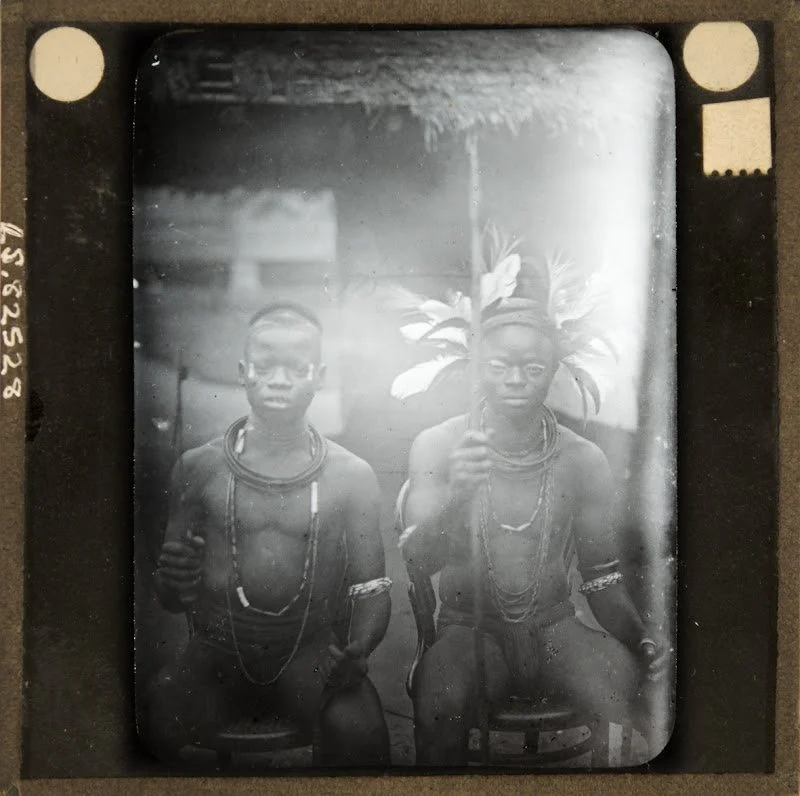
Two men photographed near the Niger River by William Henry Crosse, part of the Royal Niger Company, 1886 - 1895. MAA Cambridge.
![“A yam dance, ‘eighu ulo’, Ibusa [Igbuzo, p.d. Delta State], Near Asaba.” Museum of Archaeology and Anthropology, Cambridge.](https://images.squarespace-cdn.com/content/v1/65b41067c4042363cf11625f/09d455c0-8202-4dc3-862a-cd08a9b17451/Okonko.png)
“A yam dance, ‘eighu ulo’, Ibusa [Igbuzo, p.d. Delta State], Near Asaba.” Museum of Archaeology and Anthropology, Cambridge.
![“A yam dance, ‘eighu ulo’, Ibusa [Igbuzo, p.d. Delta State], Near Asaba.” Museum of Archaeology and Anthropology, Cambridge.](https://images.squarespace-cdn.com/content/v1/65b41067c4042363cf11625f/931ceec7-c14e-4b47-836b-9d17c6528dbd/eighu+ulo.jpg)
“A yam dance, ‘eighu ulo’, Ibusa [Igbuzo, p.d. Delta State], Near Asaba.” Museum of Archaeology and Anthropology, Cambridge.
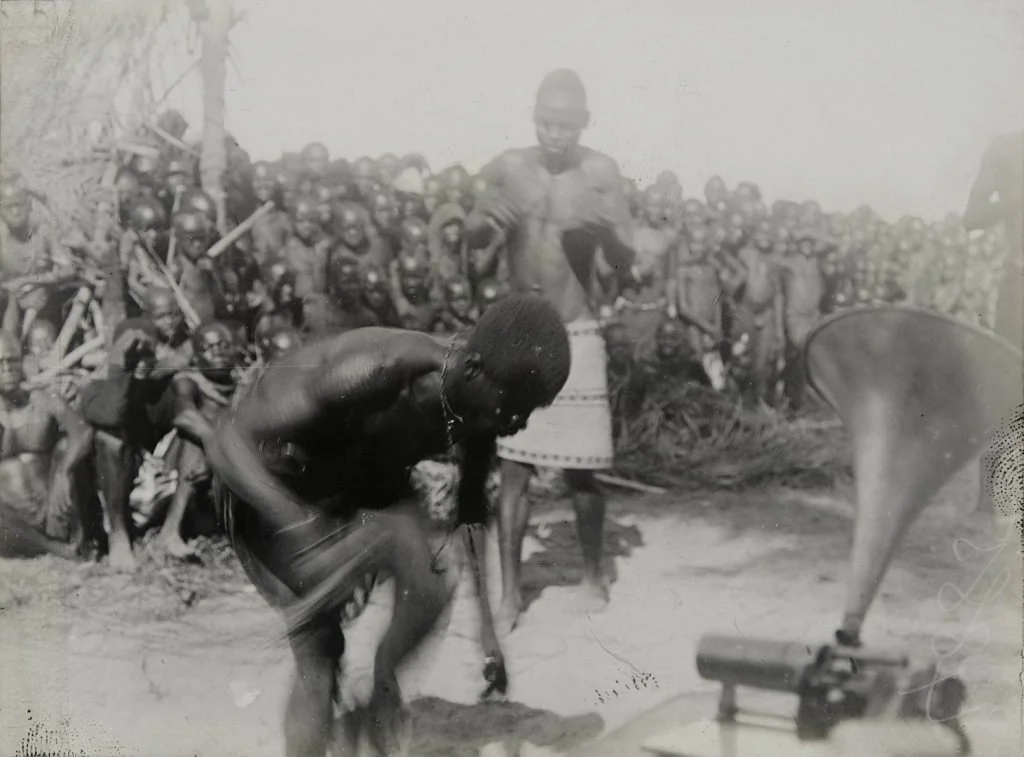
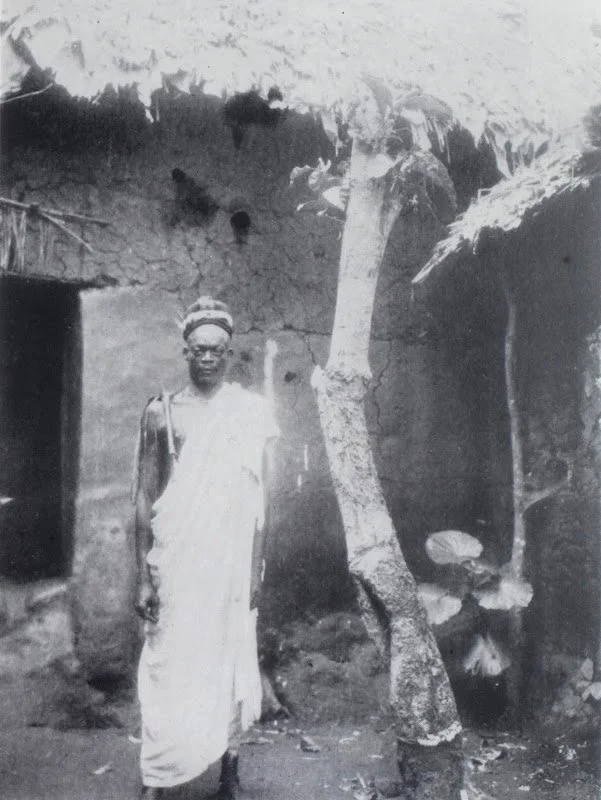
"The goddess of the earth," as described by P. A. Talbot, c. 1932. Musée du quai Branly. This may be Ala, the Igbo earth divinity and the man pictured may be an Eze Ala, a head priest of Ala. Ala is represented by trees and shrubs.
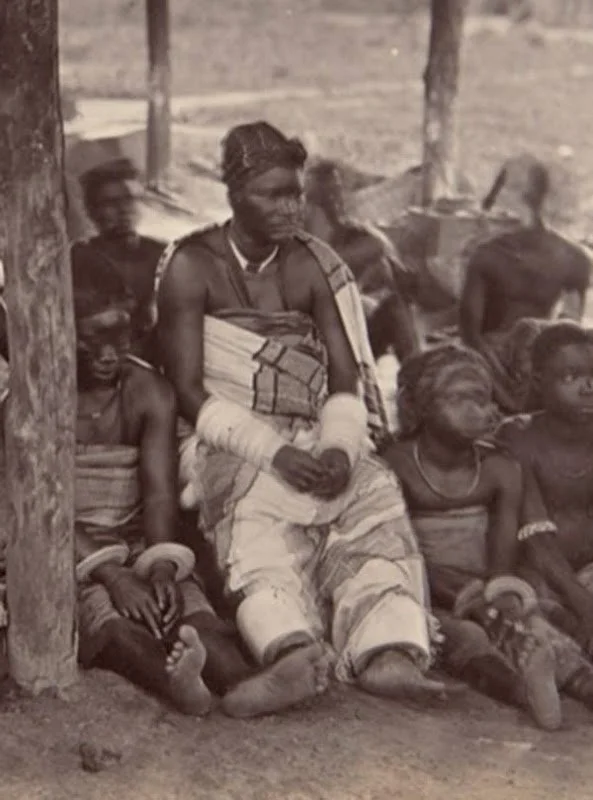
A trader. c. 1889. This picture taken c. 1889, possibly by G. F. Packer credited with other photos from the Niger and Önïcha (Onitsha) (and of Önïcha trading women), is annotated as 'Trader from Timbuctou' on the right and 'Rich Trading Woman' on the left.
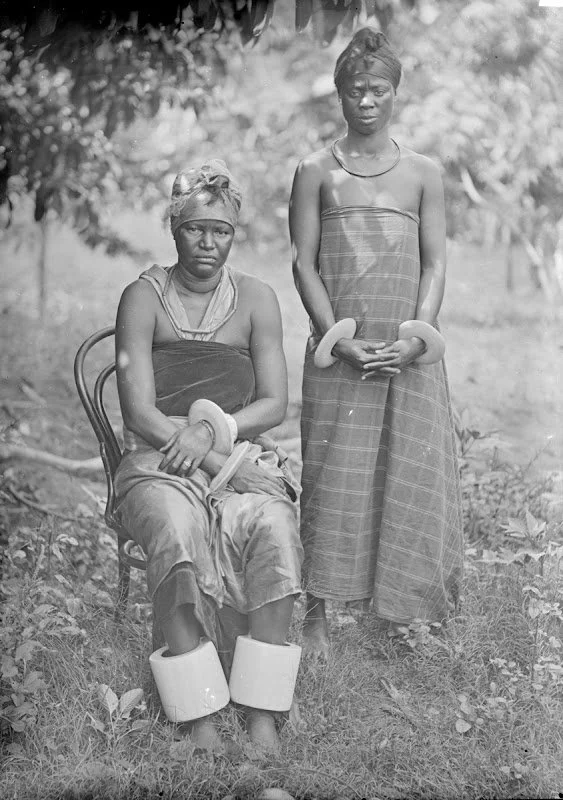
Two women, possibly from Asaba or Önïcha (Onitsha), unidentified, photographed by William Henry Crosse, part of the Royal Niger Company, 1886 - 1895. MAA Cambridge.
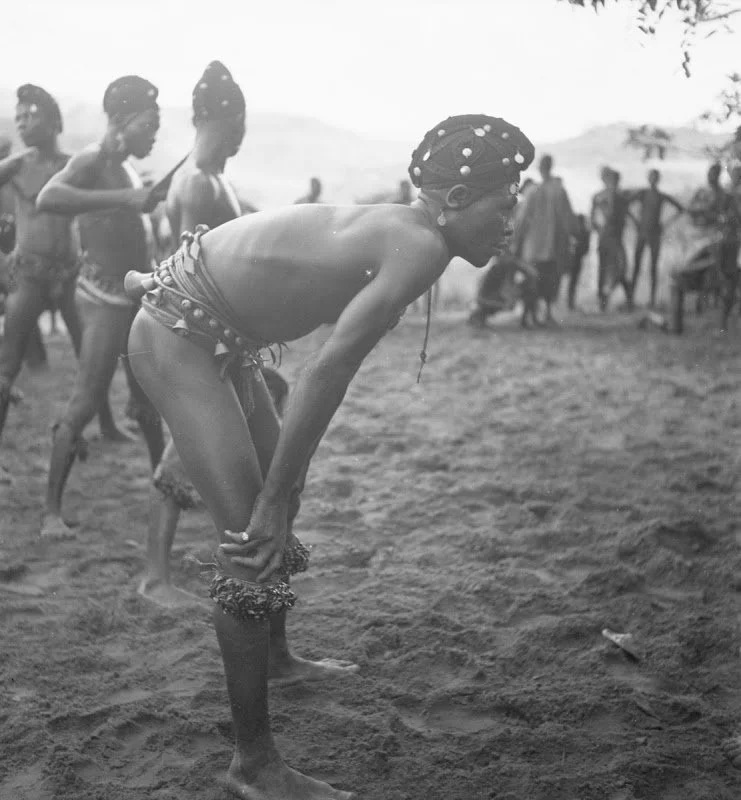
A dancer at an initiation dance, according to G. I. Jones, in today's Anambra State, 1930s. MAA Cambridge.
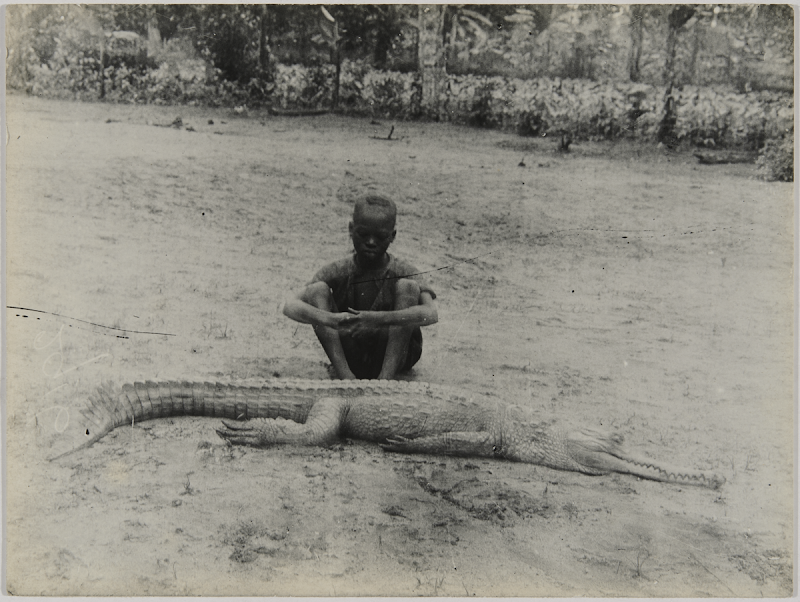
A child and a crocodile photographed by Northcote Thomas in Enugwu Ukwu, 1910-11. MAA Cambridge.
![Egbo [Ekpe] men’s leopard ‘secret society’, Cross River area, southeastern Nigeria. Early 20th century. Wellcome Images.](https://images.squarespace-cdn.com/content/v1/65b41067c4042363cf11625f/574b4860-7c98-4c62-a547-3125884d9ea3/Ekpe+Egbo.jpg)
Egbo [Ekpe] men’s leopard ‘secret society’, Cross River area, southeastern Nigeria. Early 20th century. Wellcome Images.
![Wrestling at Elele described by P. A. Talbot as "[w]restling to make the yams grow. Chief Eleche's place, Elele" in "Some Nigerian Fertility Cults," 1927.](https://images.squarespace-cdn.com/content/v1/65b41067c4042363cf11625f/f74cdf60-11f3-4f90-bb64-30ee4508ee37/elele.jpg)
Wrestling at Elele described by P. A. Talbot as "[w]restling to make the yams grow. Chief Eleche's place, Elele" in "Some Nigerian Fertility Cults," 1927.
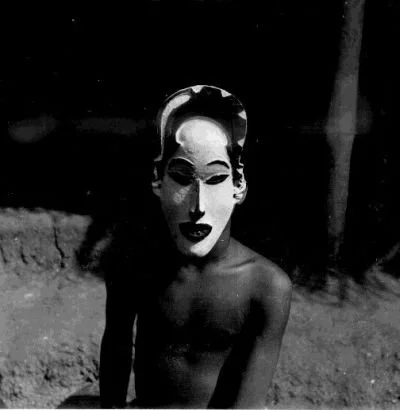
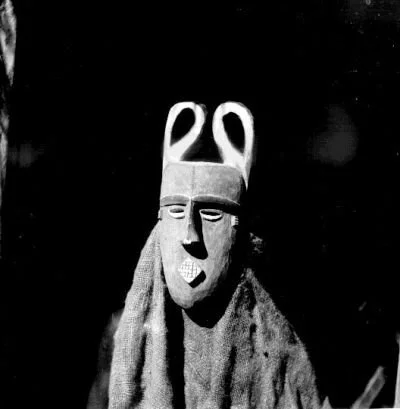
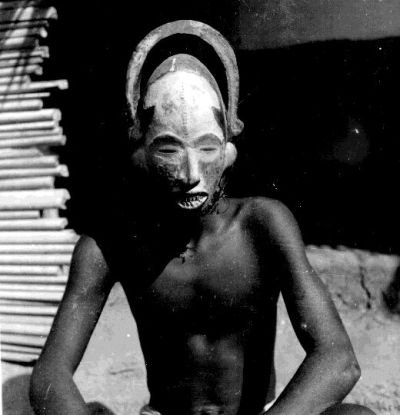
People from Ugwu Eke village wearing Igbo masks, near Alayi. Photo by G. I. Jones, 1930s
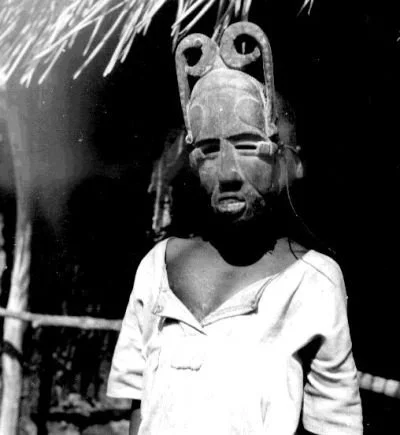
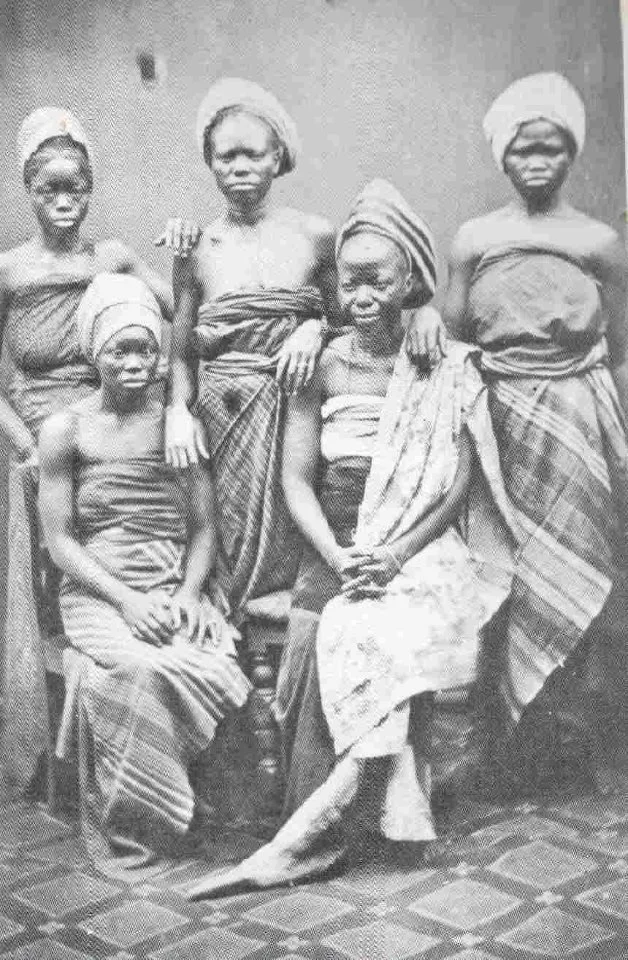
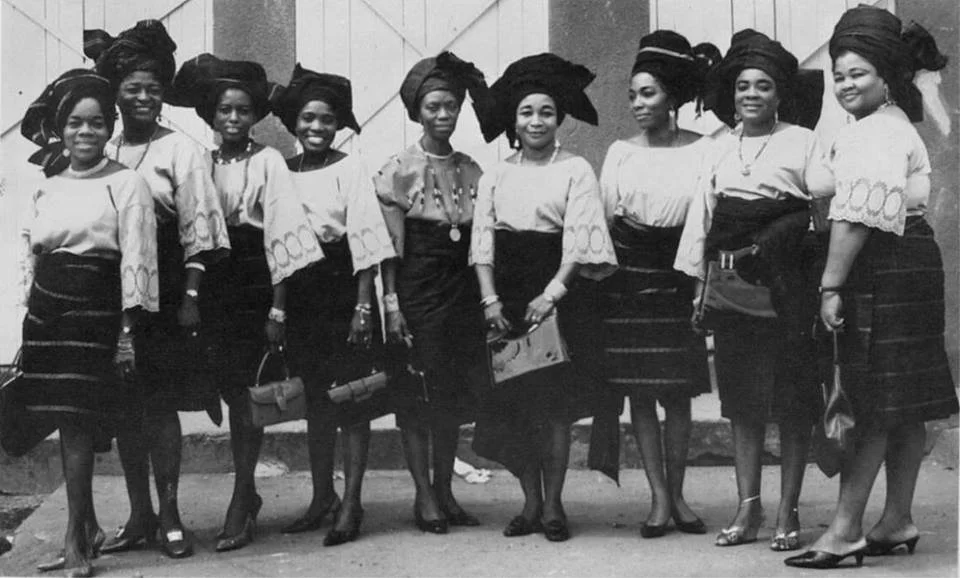
Nigerian Ladies. 1961.
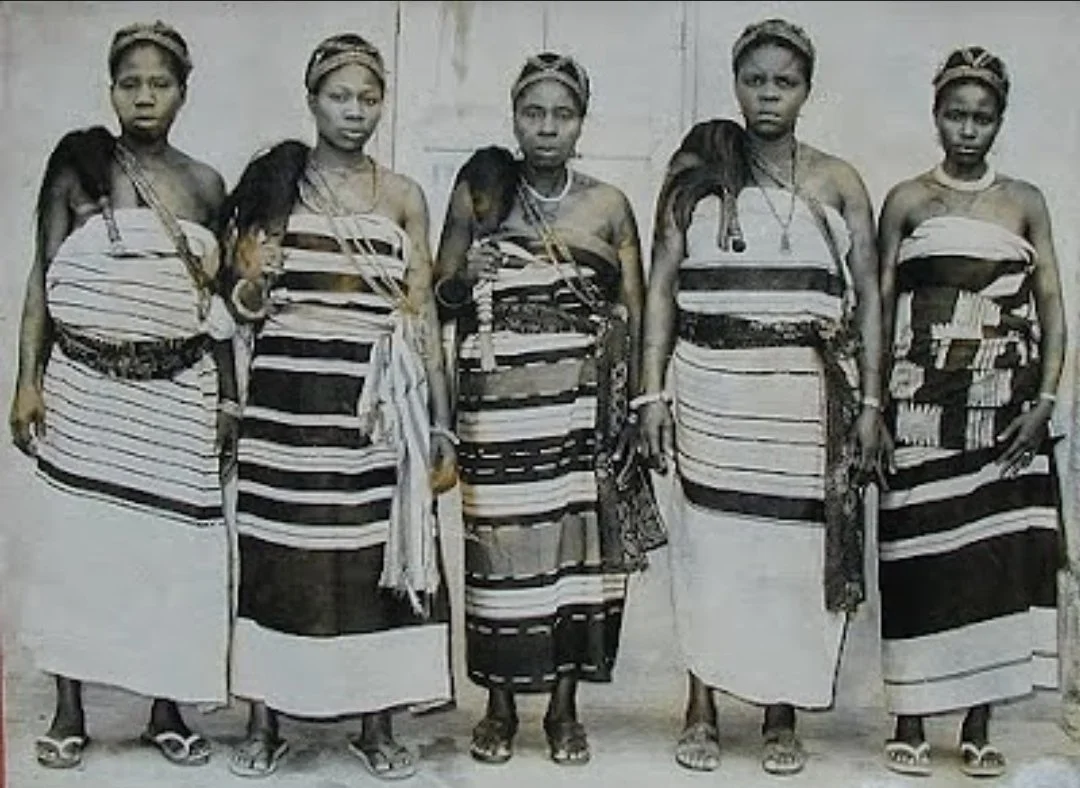
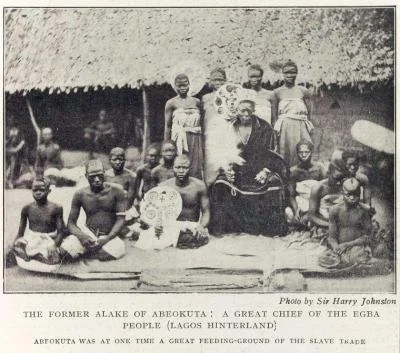
![Alaafin of the old Oyo Empire [Omo Oodua]](https://images.squarespace-cdn.com/content/v1/65b41067c4042363cf11625f/91f84b94-2839-4dfd-bc86-6d6b18d80b69/a560ea1a4d920226f84afec90f277ba9.jpg)
Alaafin of the old Oyo Empire [Omo Oodua]


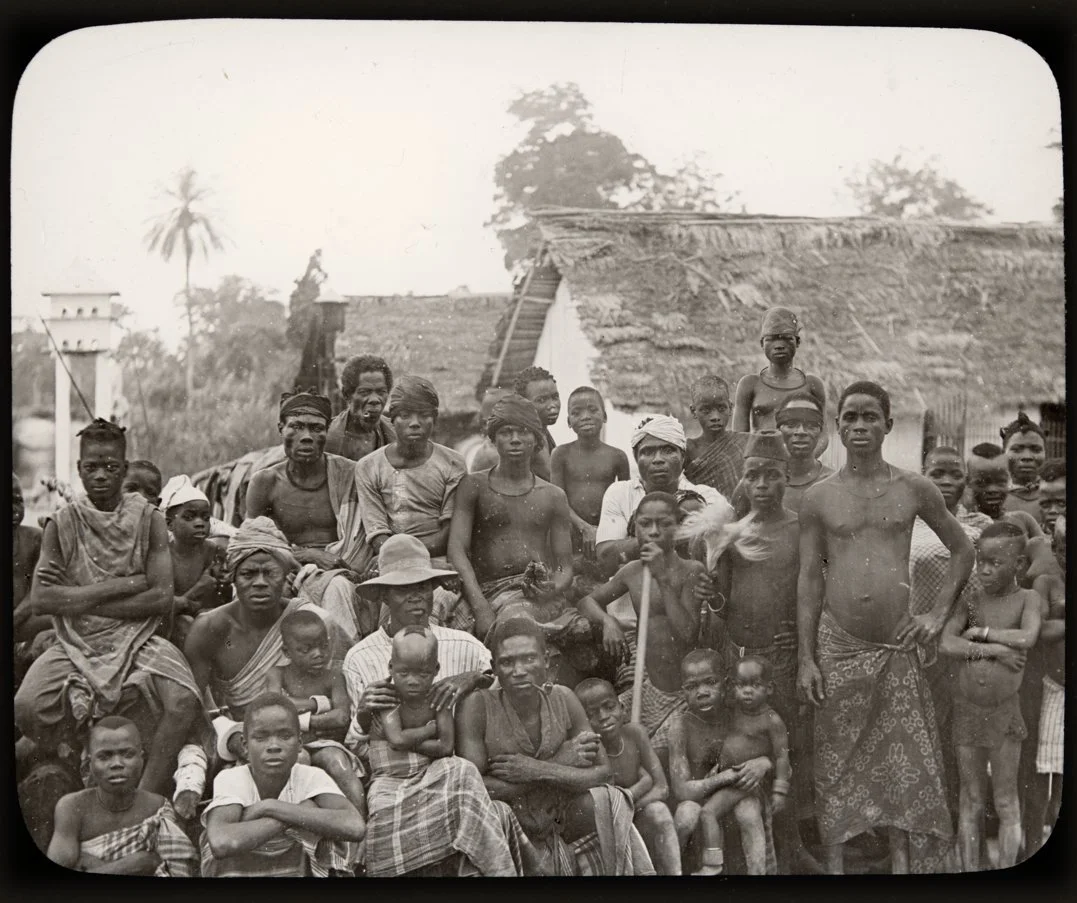
An unidentified group portrait taken by a Royal Niger Company employee c. 1886 - 1895. Based on other photos, these could be people from the Asaba or Önïcha area. MAA Cambridge.
![Igbo elders gathered in traditional attire, Nigeria. 101 Last Tribes. (n.d.). Igbo elders in traditional attire [Photograph]. https://www.101lasttribes.com/tribes/igbo.html](https://images.squarespace-cdn.com/content/v1/65b41067c4042363cf11625f/6206c0a1-bc44-42a0-bf14-b66ad082c59b/Igbo_3.jpg)
Igbo elders gathered in traditional attire, Nigeria. 101 Last Tribes. (n.d.). Igbo elders in traditional attire [Photograph]. https://www.101lasttribes.com/tribes/igbo.html
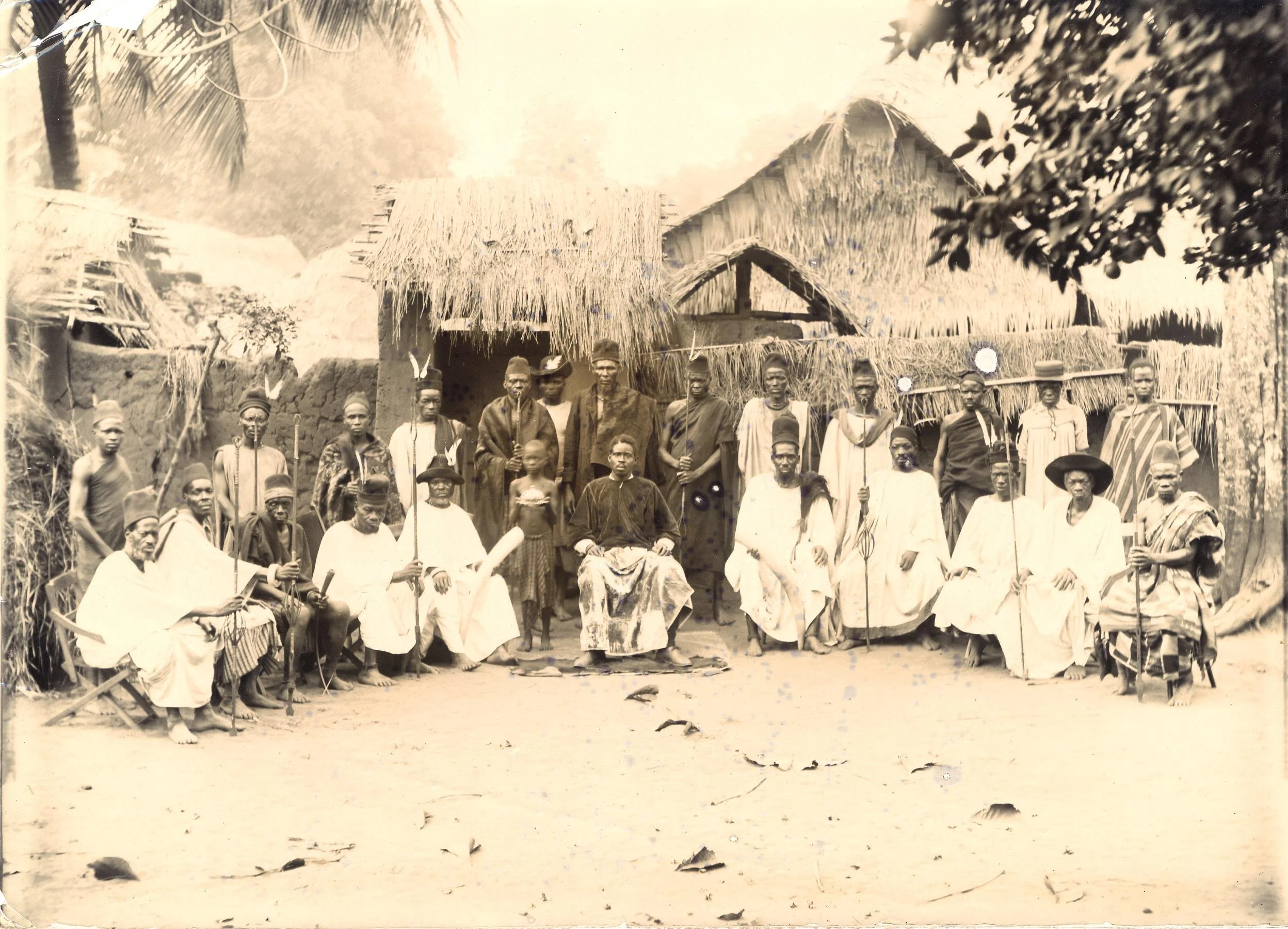
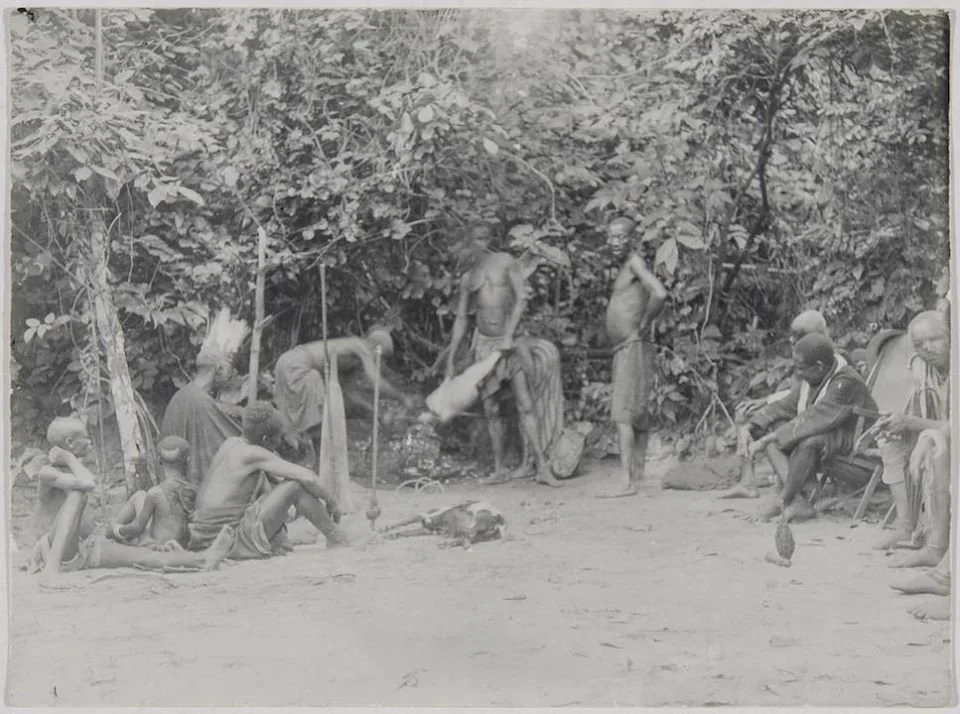
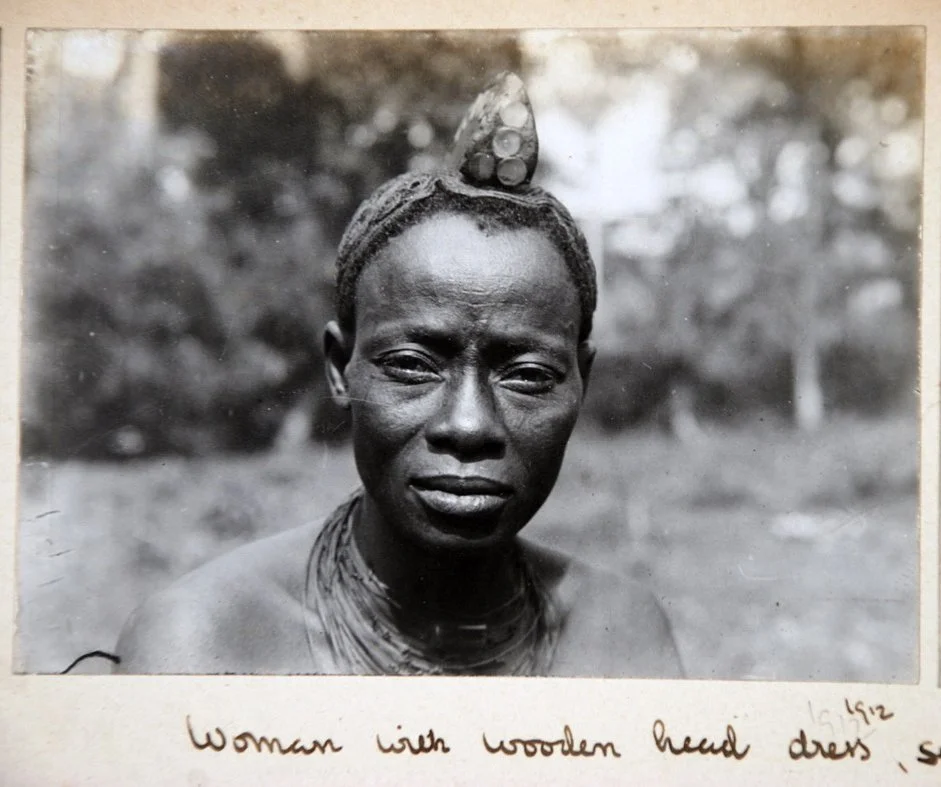

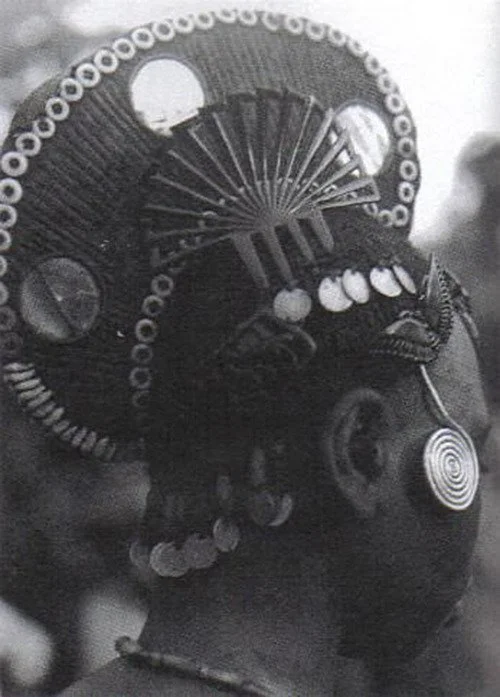
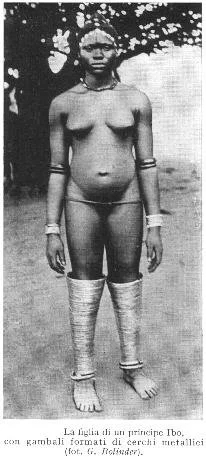
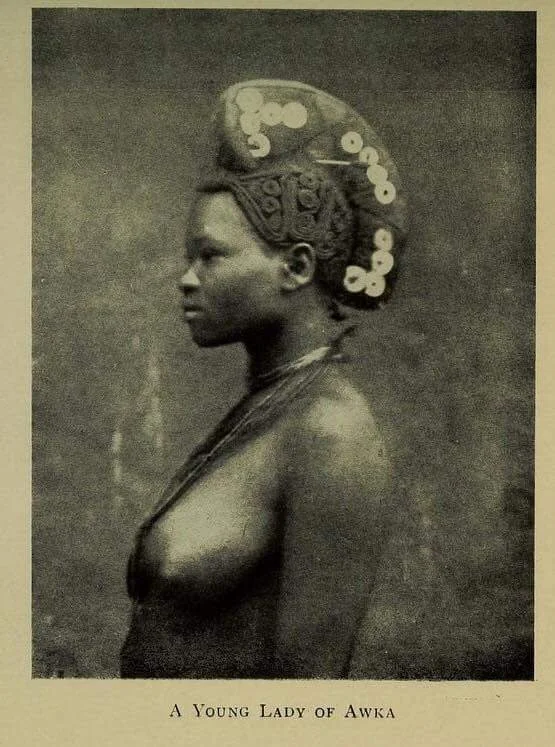
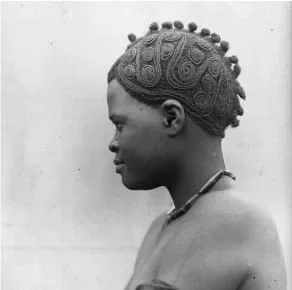
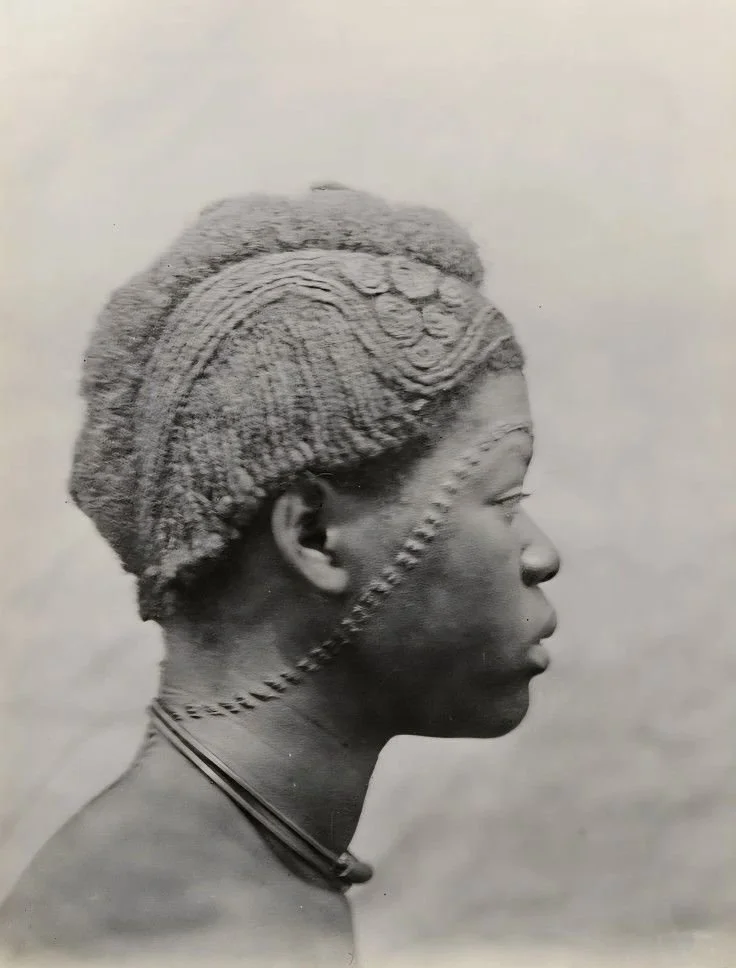
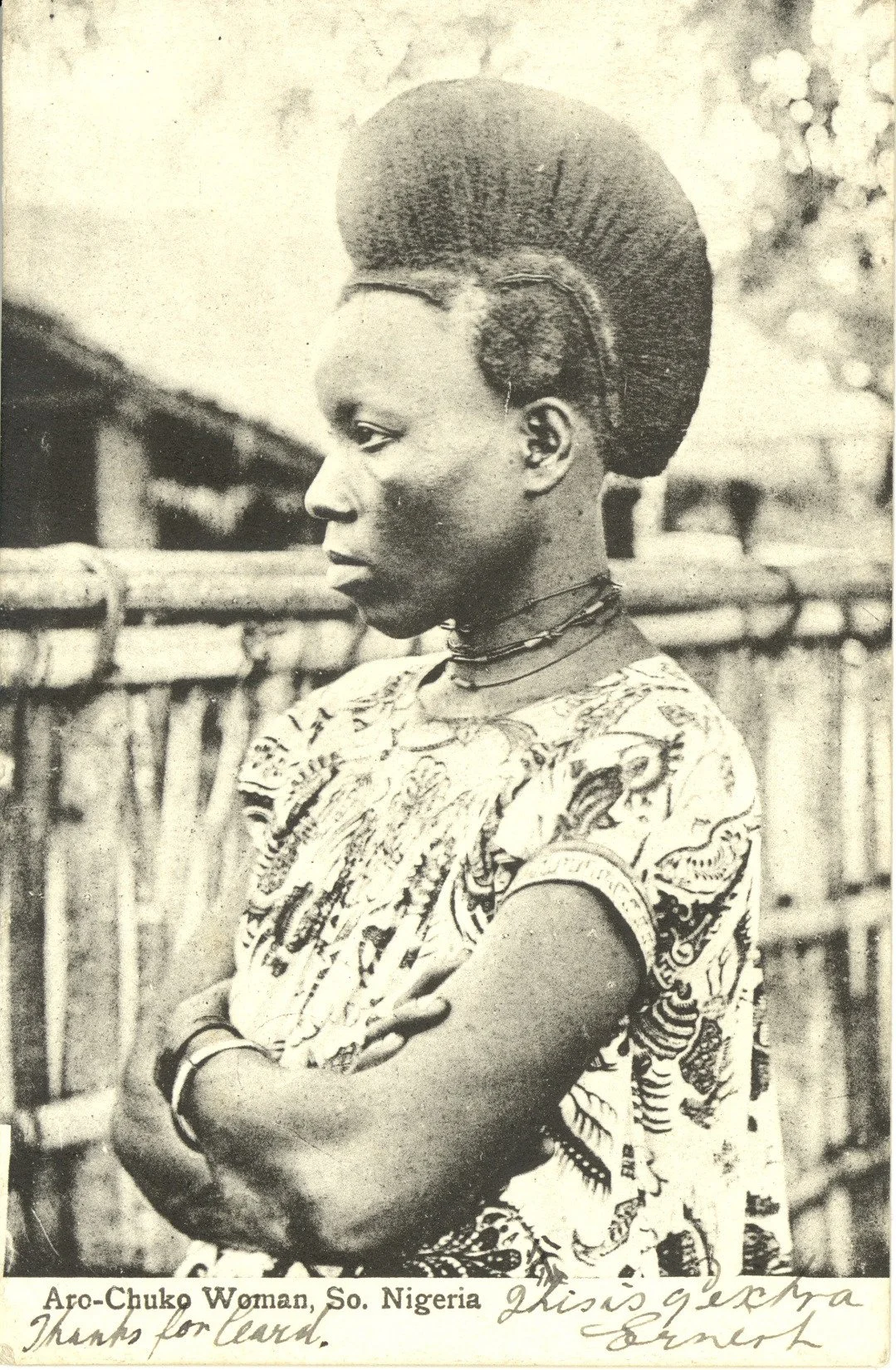
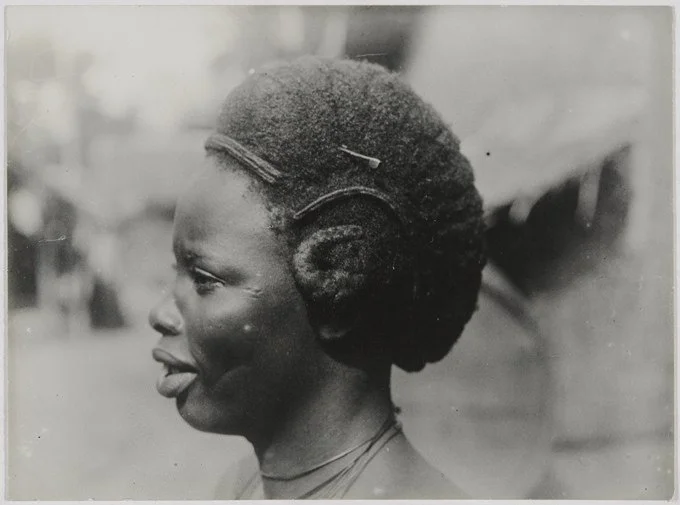
A woman with crest hairstyle and ornaments, Igboland. Photo: Afrika Museum, Berg en Dal, Mid 20th century.
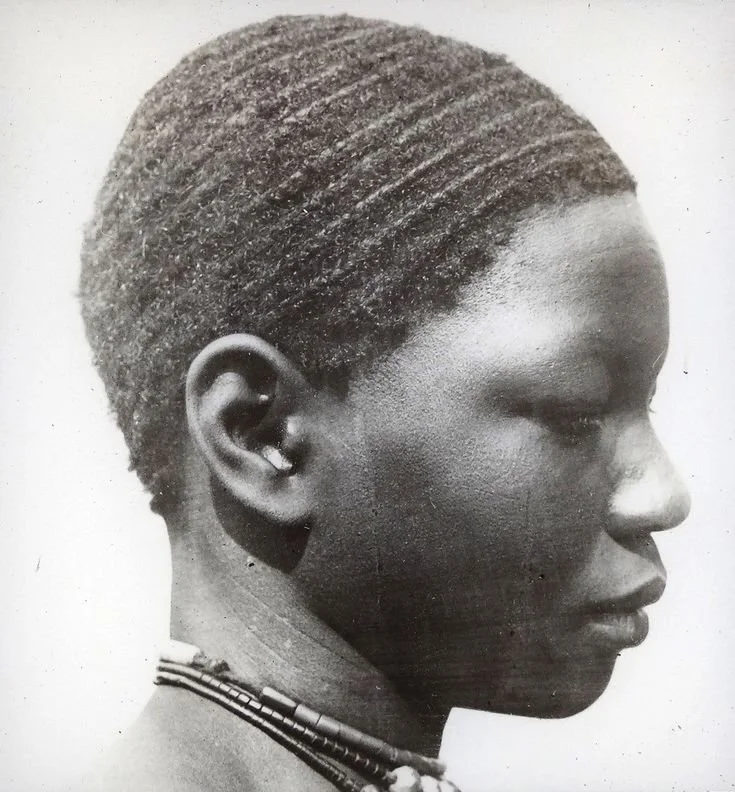
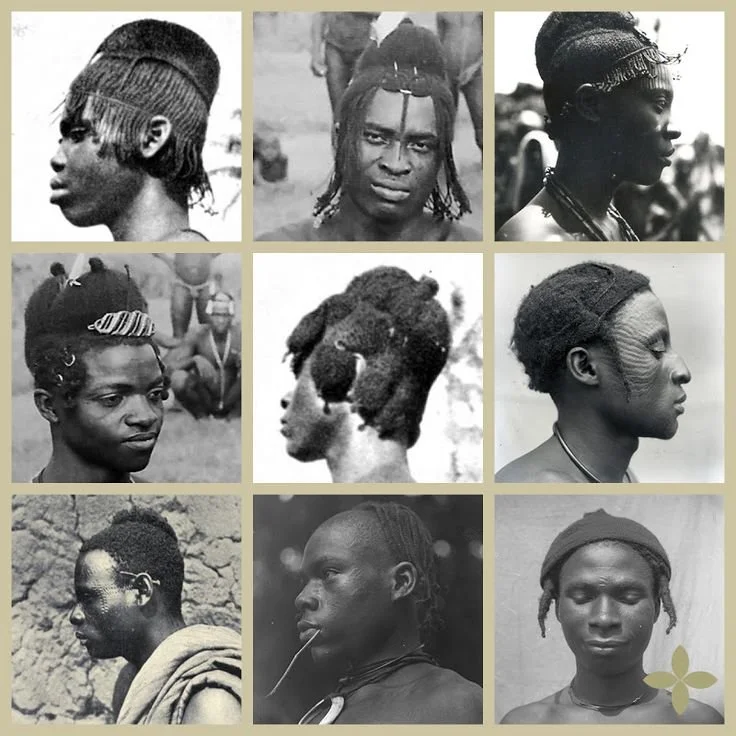
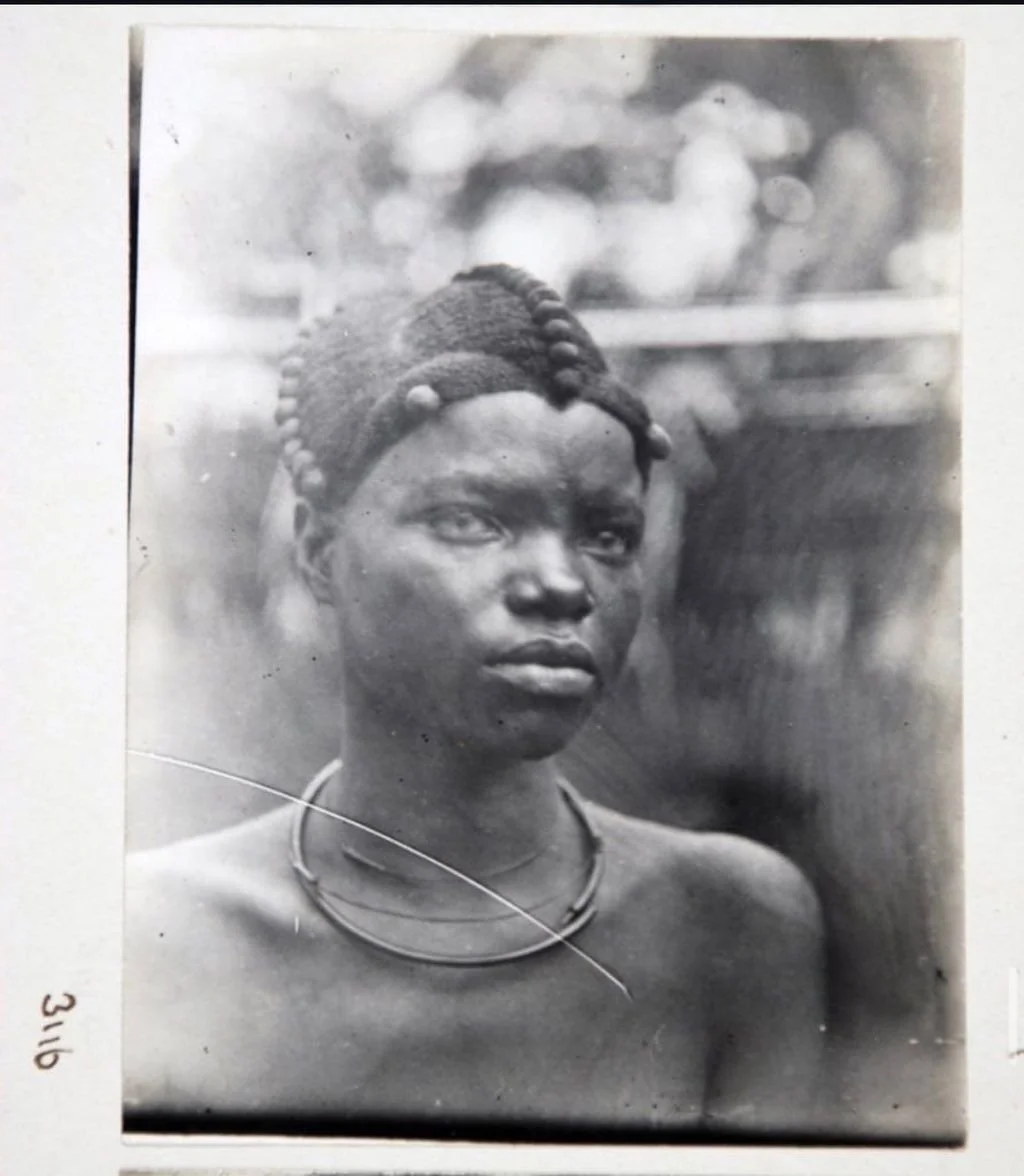
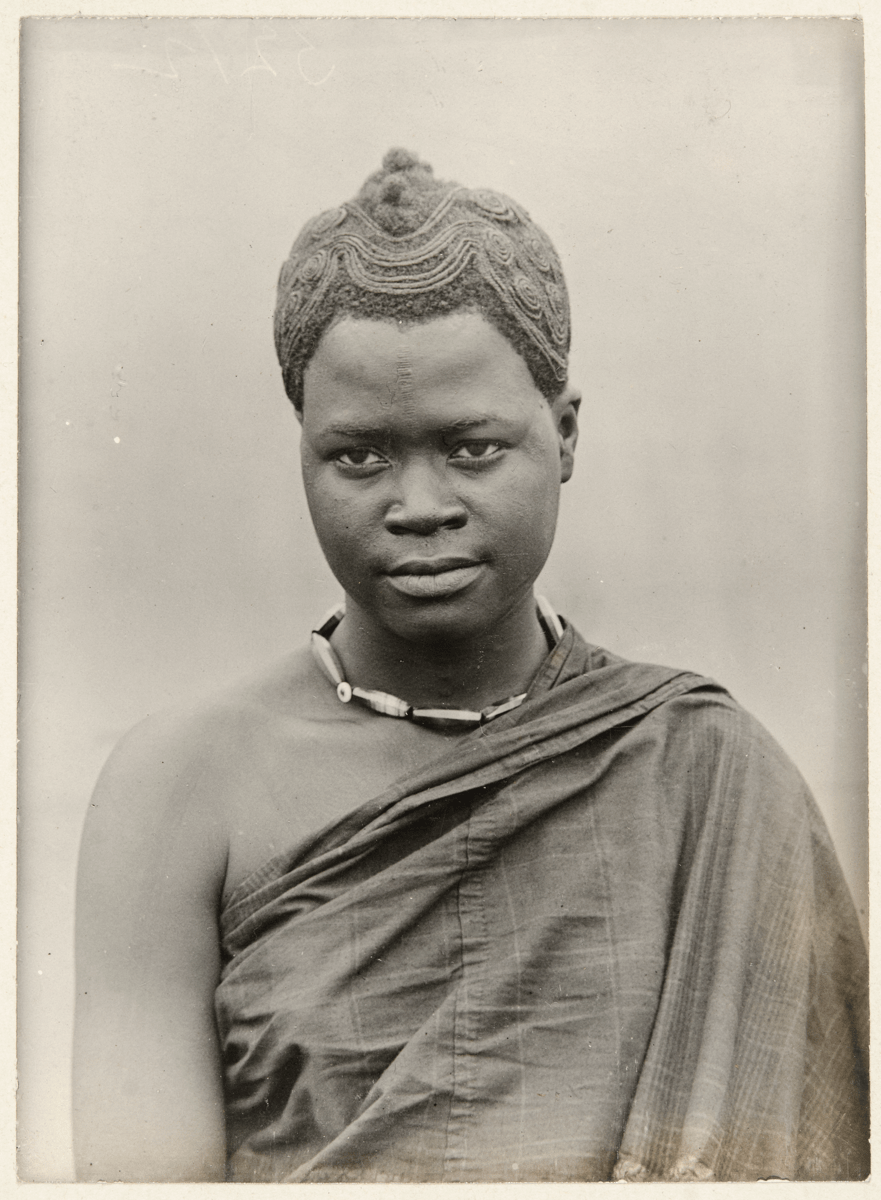
Igbo male hairstyles from the northern area and one (bottom left) from Igbuzo. The photos were taken by Northcote Thomas in 1910-11, and G. T. Basden before 1921.
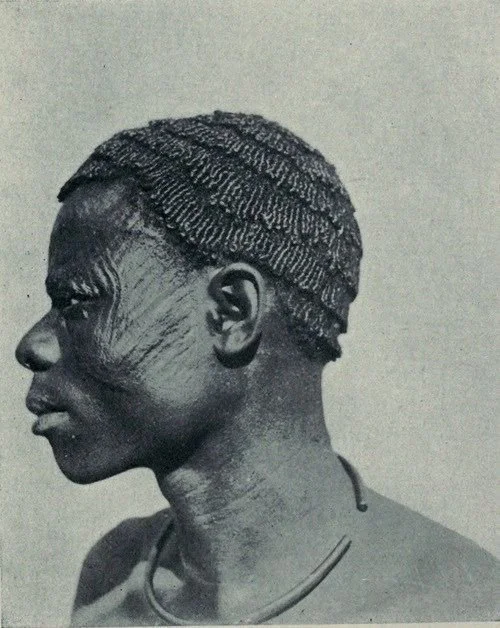
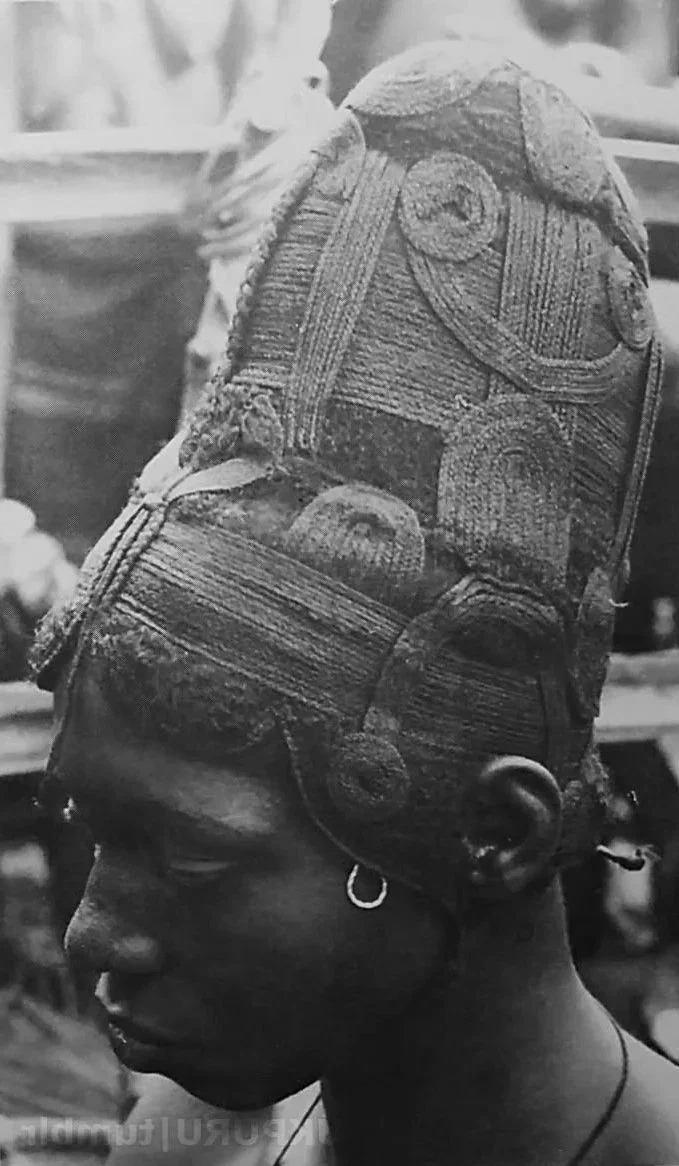
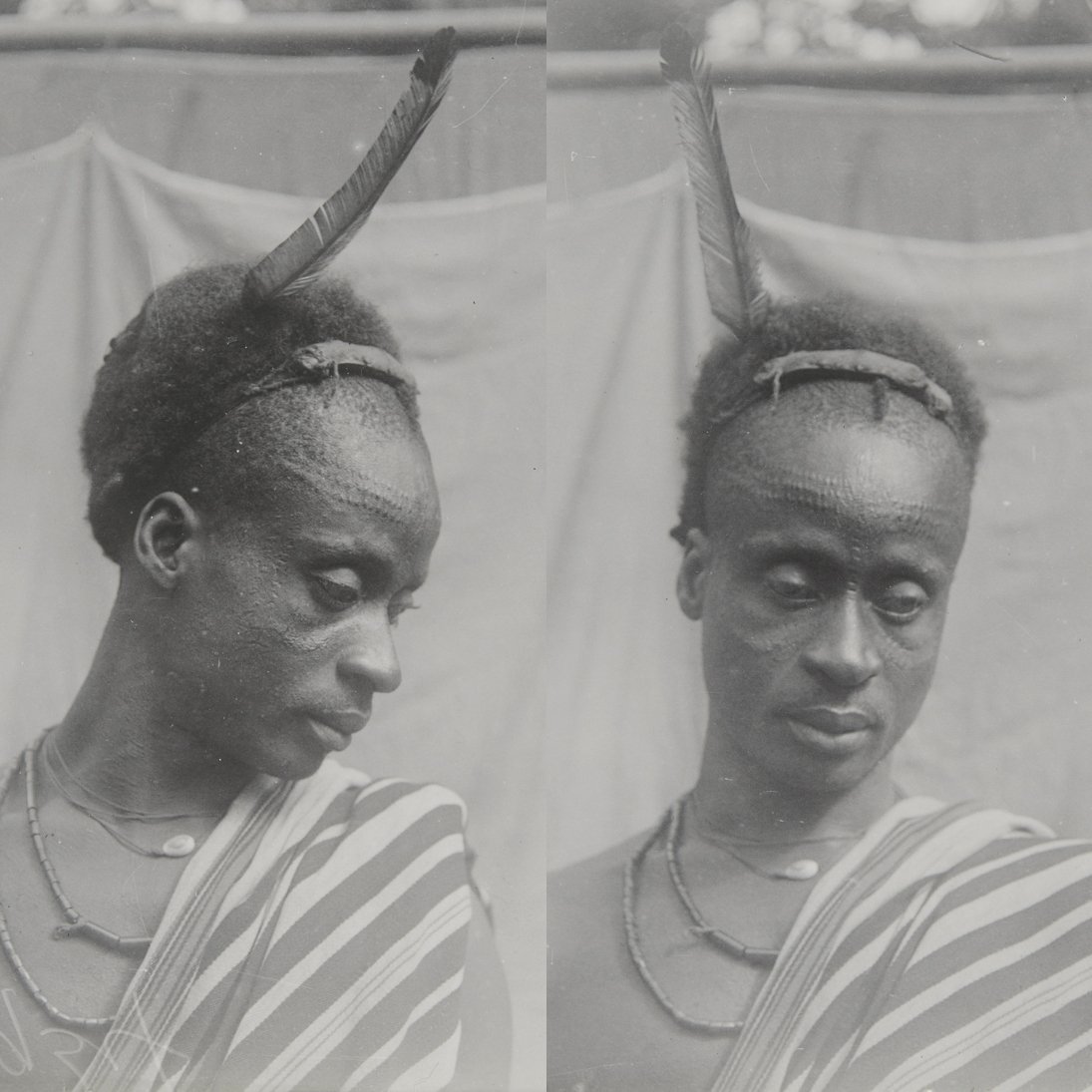
A person from Nsukwa, a western Igbo community in the Enuani area of today’s Delta State. Nsukwa is apparently an anglicisation of Nchukwa according to J. G. Nkem Onyekpe (2012). Nsukwa was known for its women’s pottery industry. Photographs by Northcote Thomas, c. 1913.

![North Thomas' notes on an Igbo man from Agulu: "Side fringe[?], man. 1910-11. " This style appears on a number of Igbo men and may have some significance.
Northcote Thomas' album, MAA Cambridge.](https://images.squarespace-cdn.com/content/v1/65b41067c4042363cf11625f/4f36b80c-4c92-43d2-88d0-d9418dd6c635/Agulu+Igbo+man.jpg)
North Thomas' notes on an Igbo man from Agulu: "Side fringe[?], man. 1910-11. " This style appears on a number of Igbo men and may have some significance. Northcote Thomas' album, MAA Cambridge.

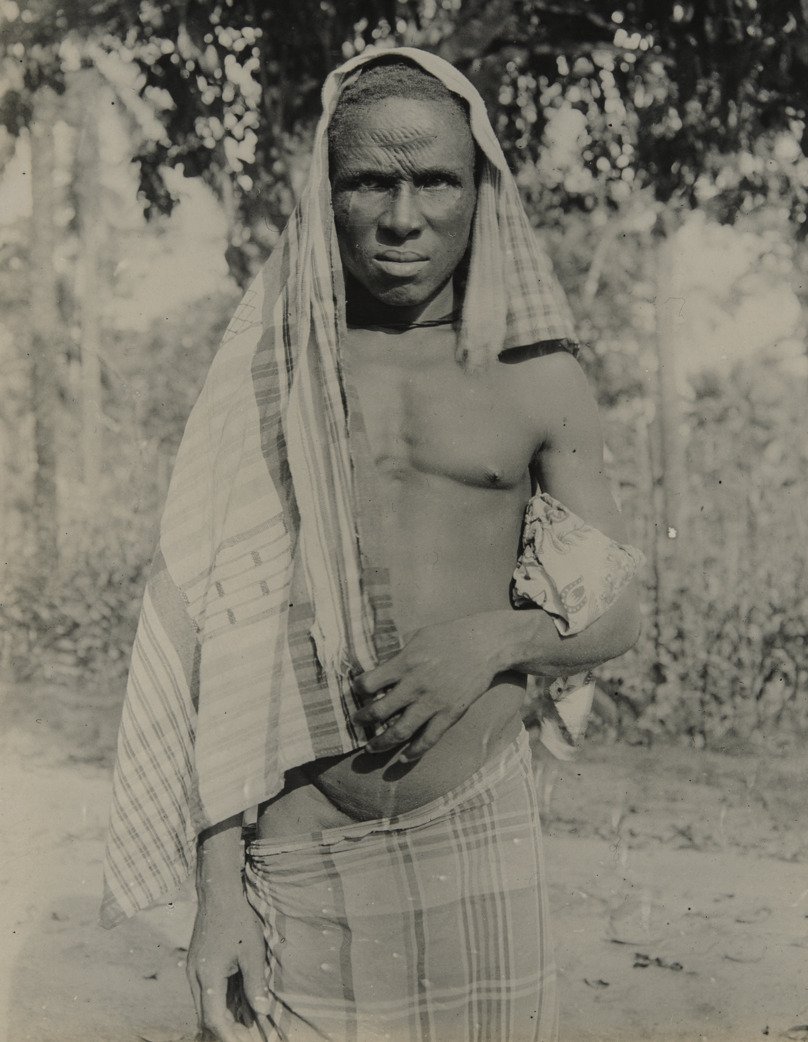
Okoye, photographed at Agukwu Nri by Northcote Thomas, c. 1911. MAA Cambridge. The marks on his face are known as ichi, given to the people of Nri by tradition.
![Two Hausa [mallams] Priests Rd Calabar C.R.N.M. Manuel Menendez, 1890s, Calabar, Niger Coast Protectorate](https://images.squarespace-cdn.com/content/v1/65b41067c4042363cf11625f/958acdcd-2bd1-4013-b8d3-5e4b55c5198c/tumblr_nke6gyYtVd1qjh37to1_1280-2.jpg)
Two Hausa [mallams] Priests Rd Calabar C.R.N.M. Manuel Menendez, 1890s, Calabar, Niger Coast Protectorate
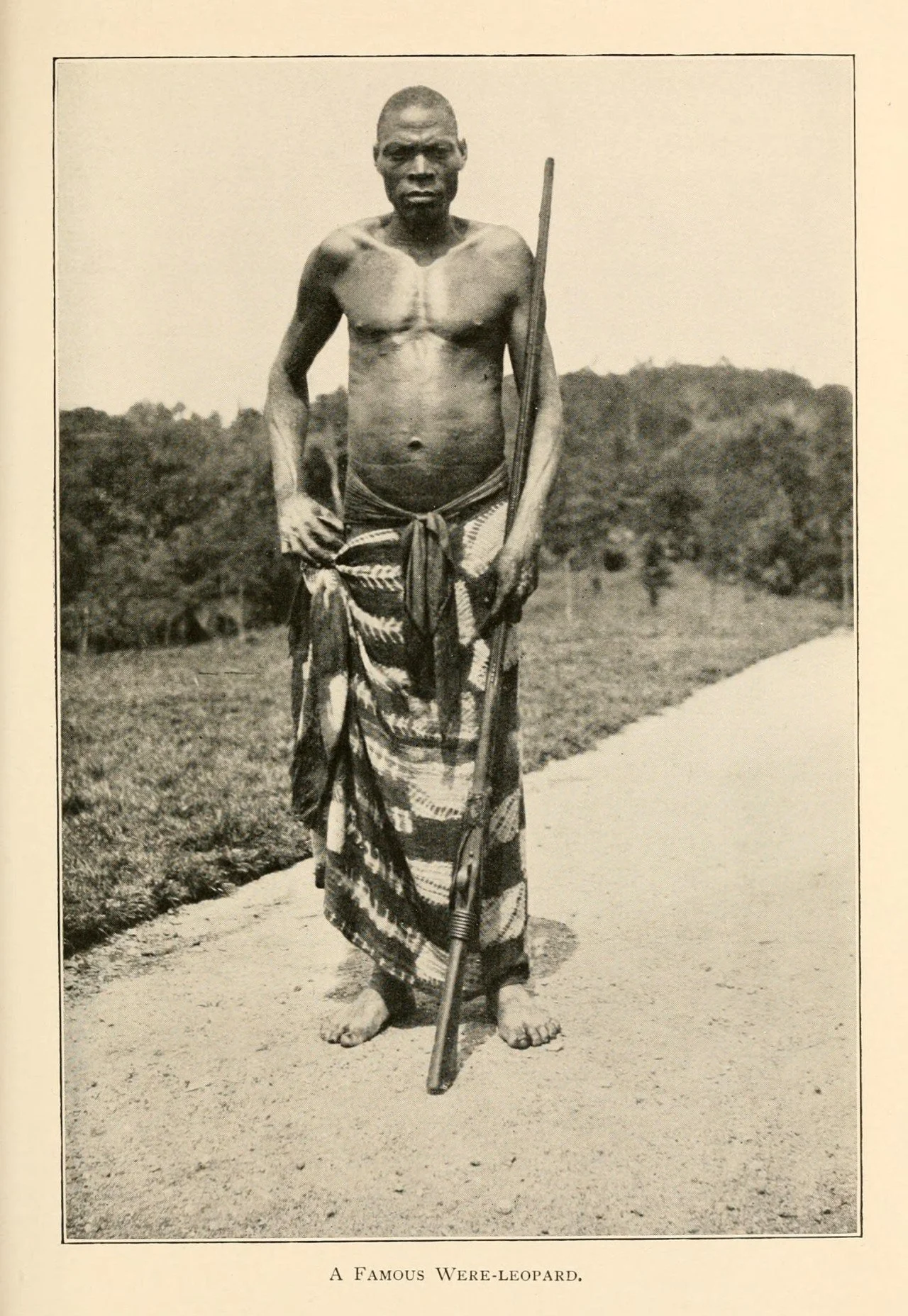
“A Famous Were-Leopard”. Percy Amaury Talbot. Internet Archive.
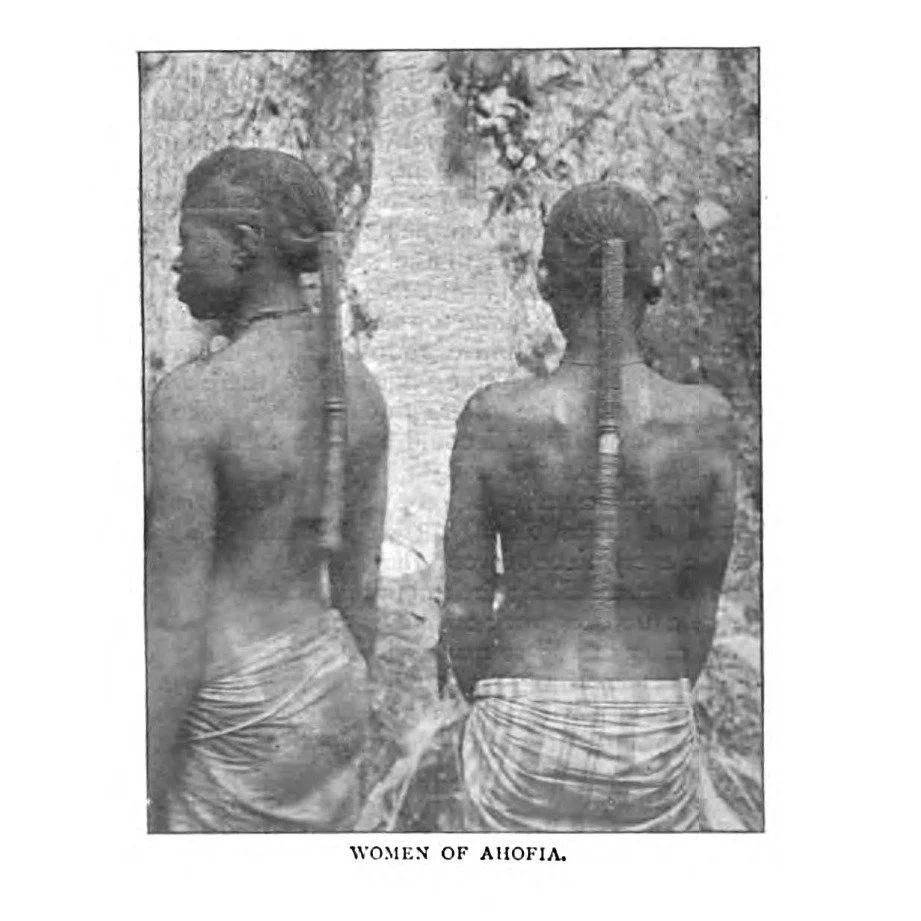
Ohafia women with long braids fashionable in Ohafia at the time. Photographed by Rev. William T. Weir. From The Women’s Missionary Magazine of the United Free Church of Scotland, 1904. Google digitisation.
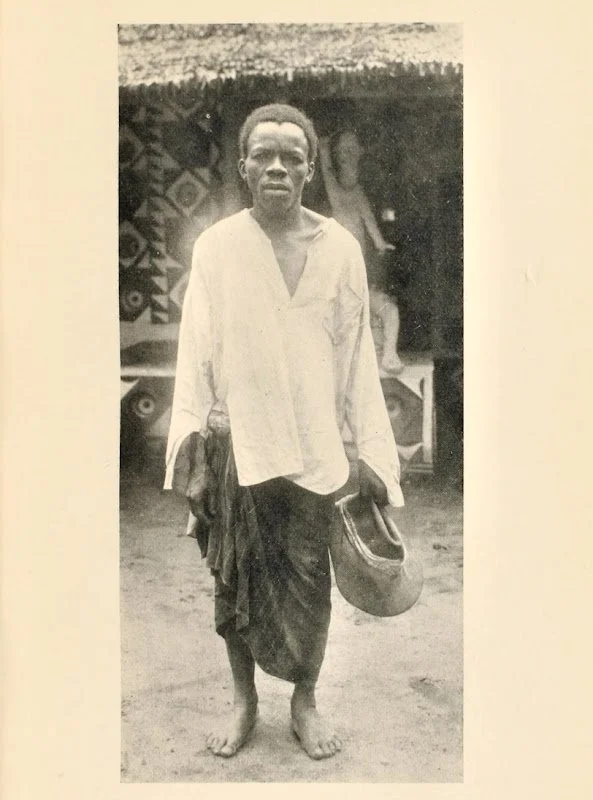
The head priest of the Mbari Otamini, noted by Talbot as Amade Onyeche.
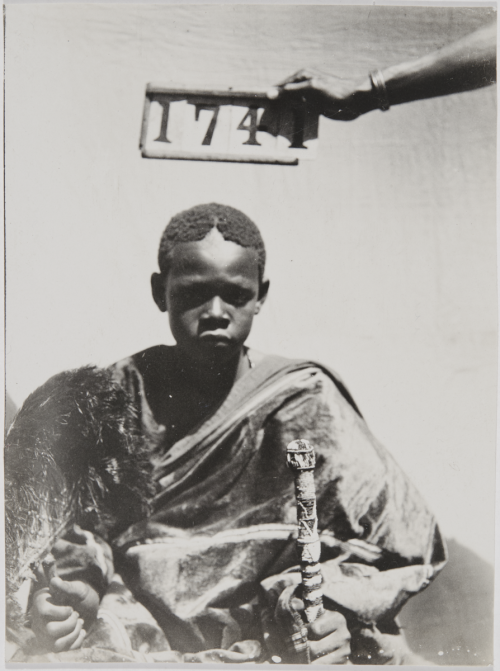
A child photographed in Isua in today’s Edo State, Nigeria. Northcote Thomas, c. 1909-10. MAA Cambridge.
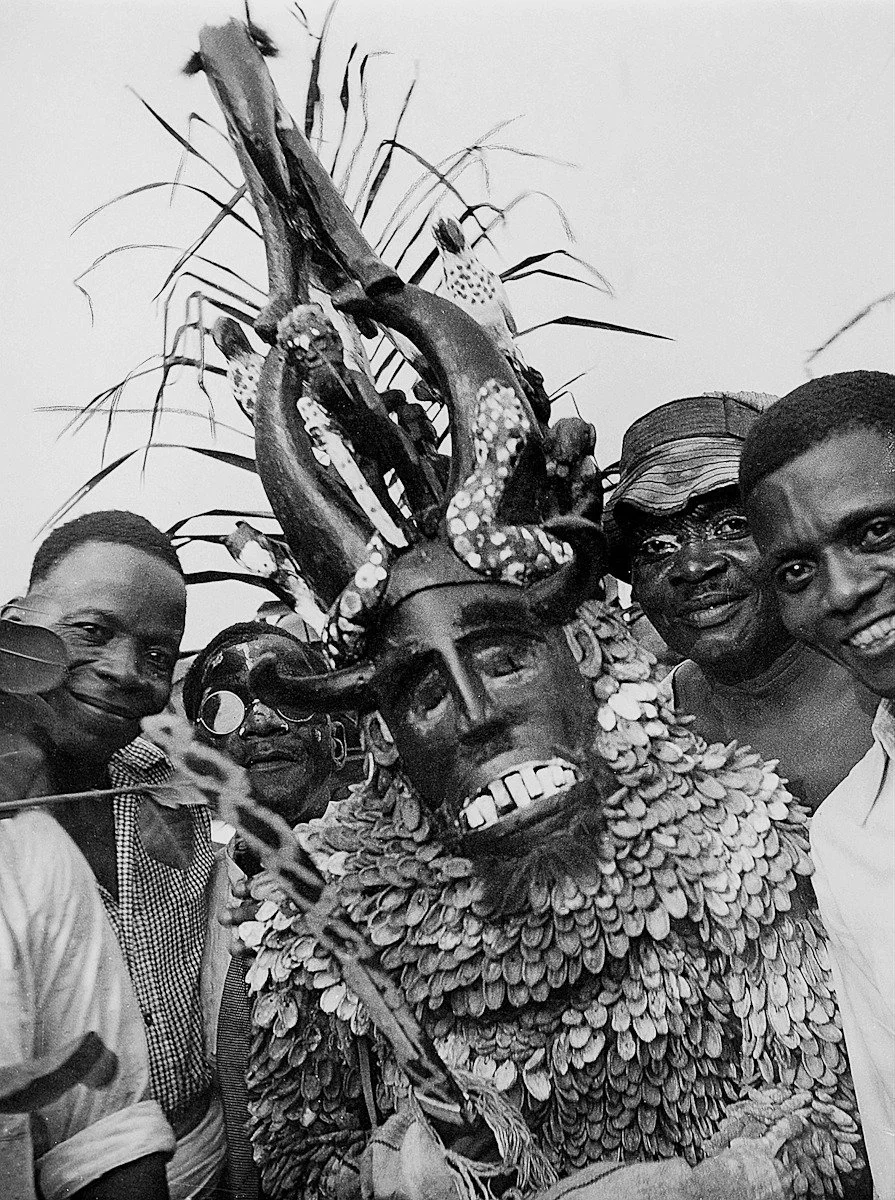
Mgbedike masker at an Igbo migrants celebration at Okitipupa, Ondo province, Western Nigeria, 1949. Photo: Edward Duckworth.
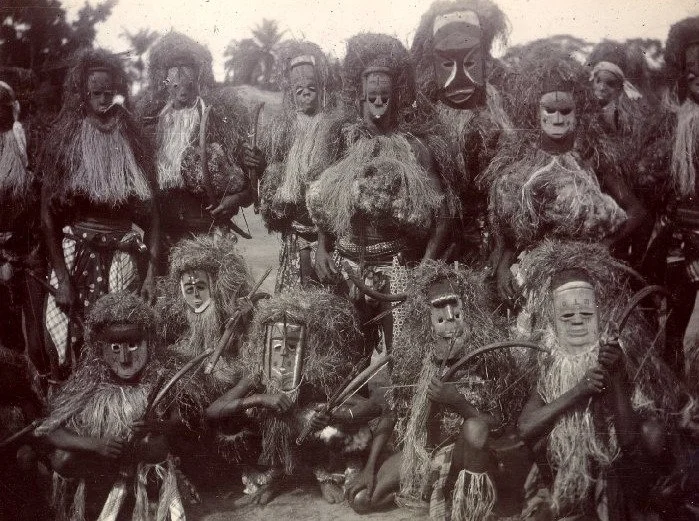
Group of Ekpo maskers, Ibibio culture, Ikot-Ekpene, 22 November, 1905. Photo: Charles Partridge.
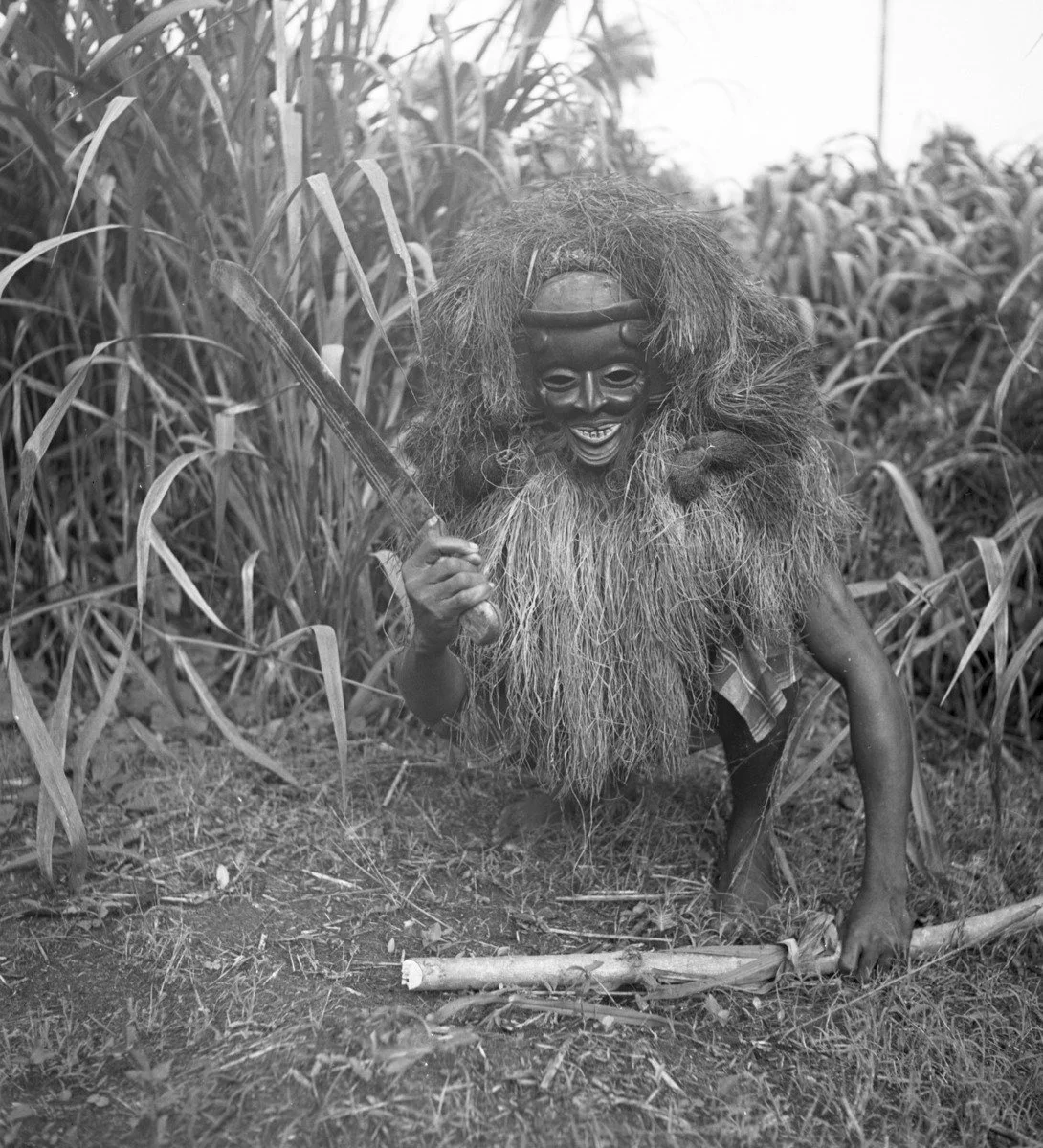
Ekpo, the mask representing ghosts. Ibibio culture which has also been borrowed by some Igbo groups. Photo: G. I. Jones, c. 1930s, near Ikot Ekpene. MAA Cambridge.
A young man modelling an Ibibio or Annang hinged-jaw (Ekpo, meaning ghost in Ibibio) mask from an unspecified location, these hinged-jaw masks also made their way into the eastern part of the Igbo country where they’re still used for Ekpo masquerades as part of various Ekpe (leopard society) dances. The hinged jaw is opened and worked from within the mask by the masquerader and today it’s usually opened in jest for paper money tips from spectators. Photo by G. I. Jones, 1932 - 1938. MAA Cambridge.