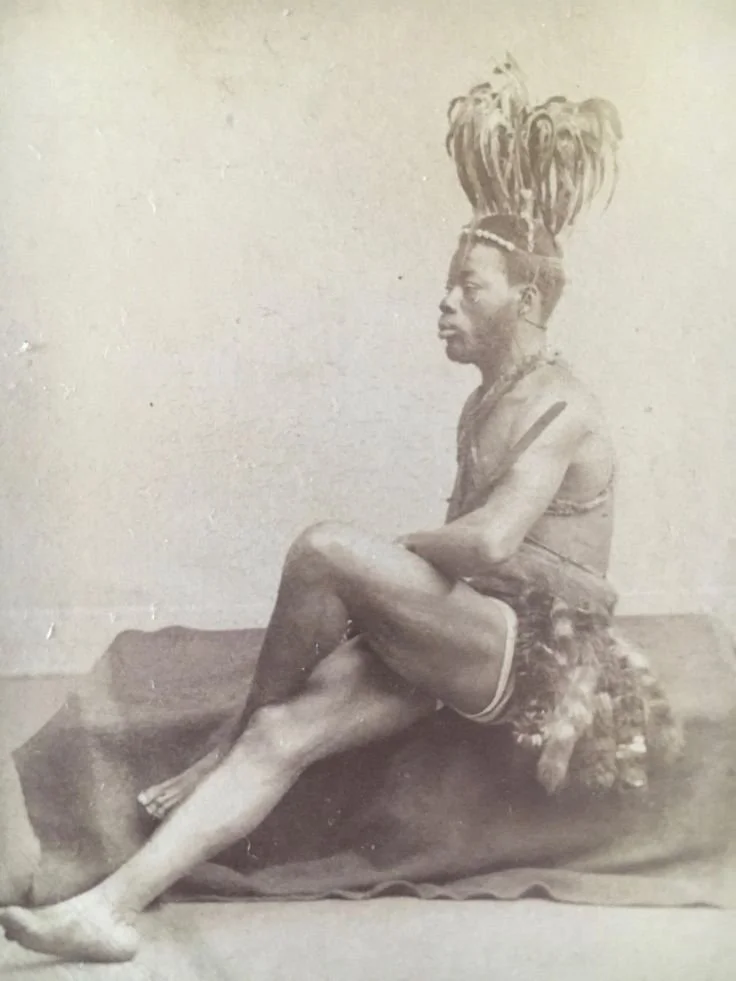
The Ghanaian People
Origins / Location : From present-day Ghana in West Africa, including forest, savanna, and coastal regions stretching from the Gulf of Guinea inland toward Burkina Faso
Names : Akan / Ashanti (Asante) / Fante / Ewe / Ga / Dangme / Mole-Dagbani / Dagomba / Mamprusi / Gonja / Nzema / Krobo
Languages : Akan (Twi / Fante) / Ewe / Ga / Dangme / Dagbani / Mampruli / Gonja / Nzema / English
Religion : Christianity (majority) / Islam / Indigenous Ghanaian religions centered on ancestors, deities, and spiritual intermediaries
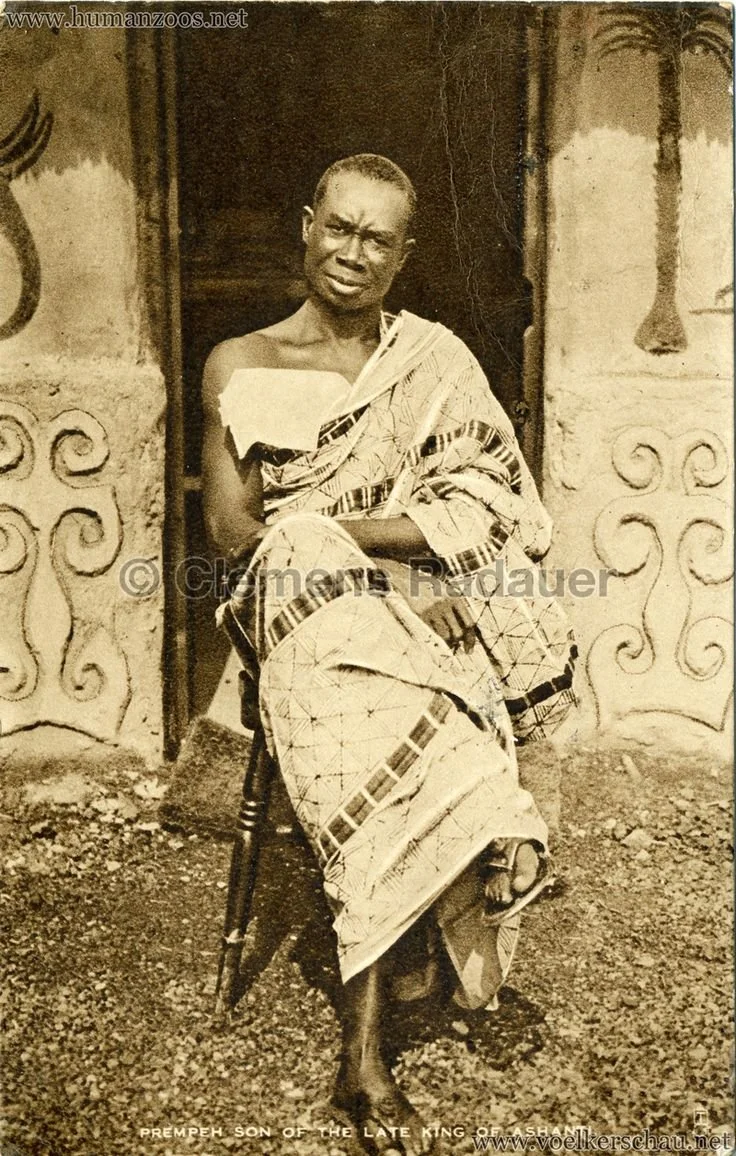
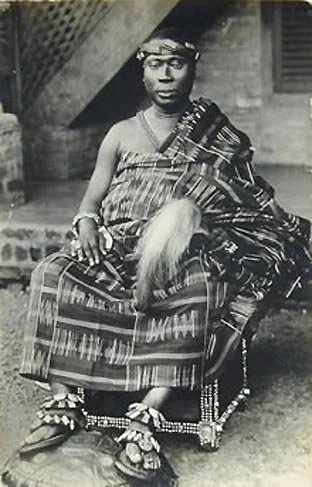
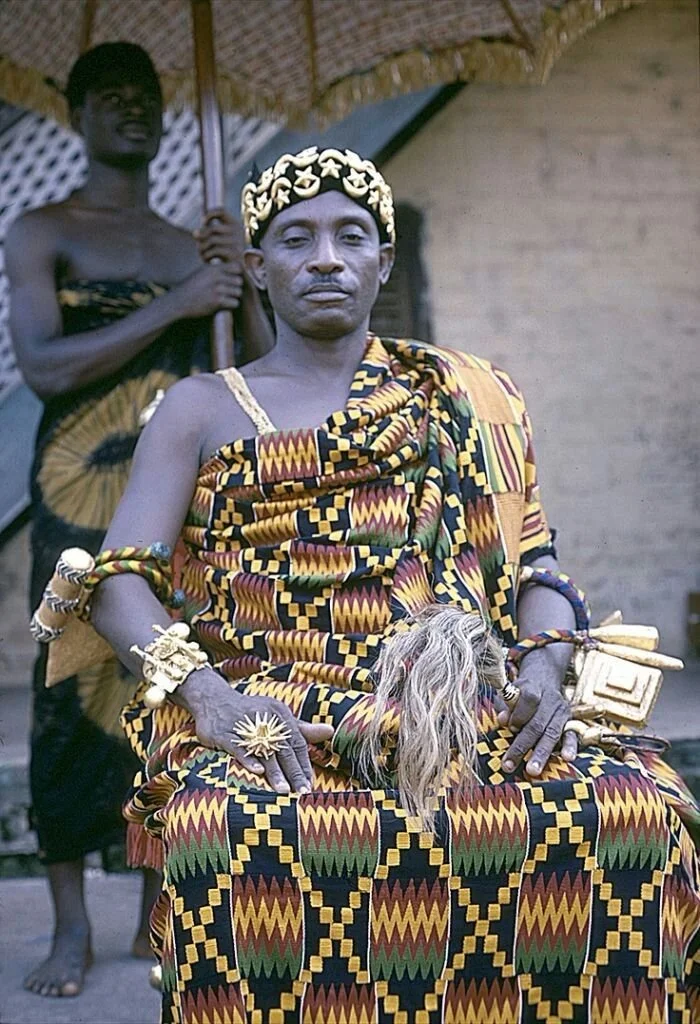
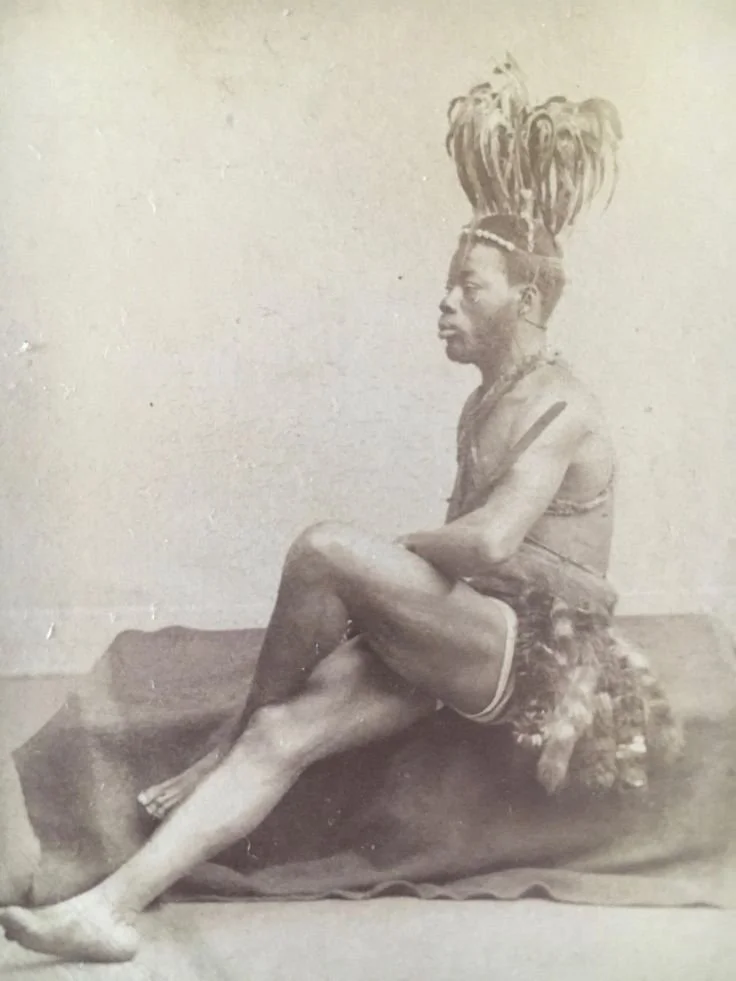
This image depicts Prempeh I, seated in traditional Akan cloth, identified in colonial captions as “son of the late King of Ashanti.” The photograph circulated as a postcard and was later associated with displays such as the 1924 British Empire Exhibition, where African individuals were presented within “native villages” for European audiences. Such images reflect both the dignity of Ashanti royalty and the distortions of colonial exhibition practices that attempted to frame African sovereignty within imperial narratives. Graphic Photo Union. (c. 1900). Prempeh, son of the late King of Ashanti [Photograph]. Raphael Tuck & Sons. Retrieved from Human Zoos Archive page.
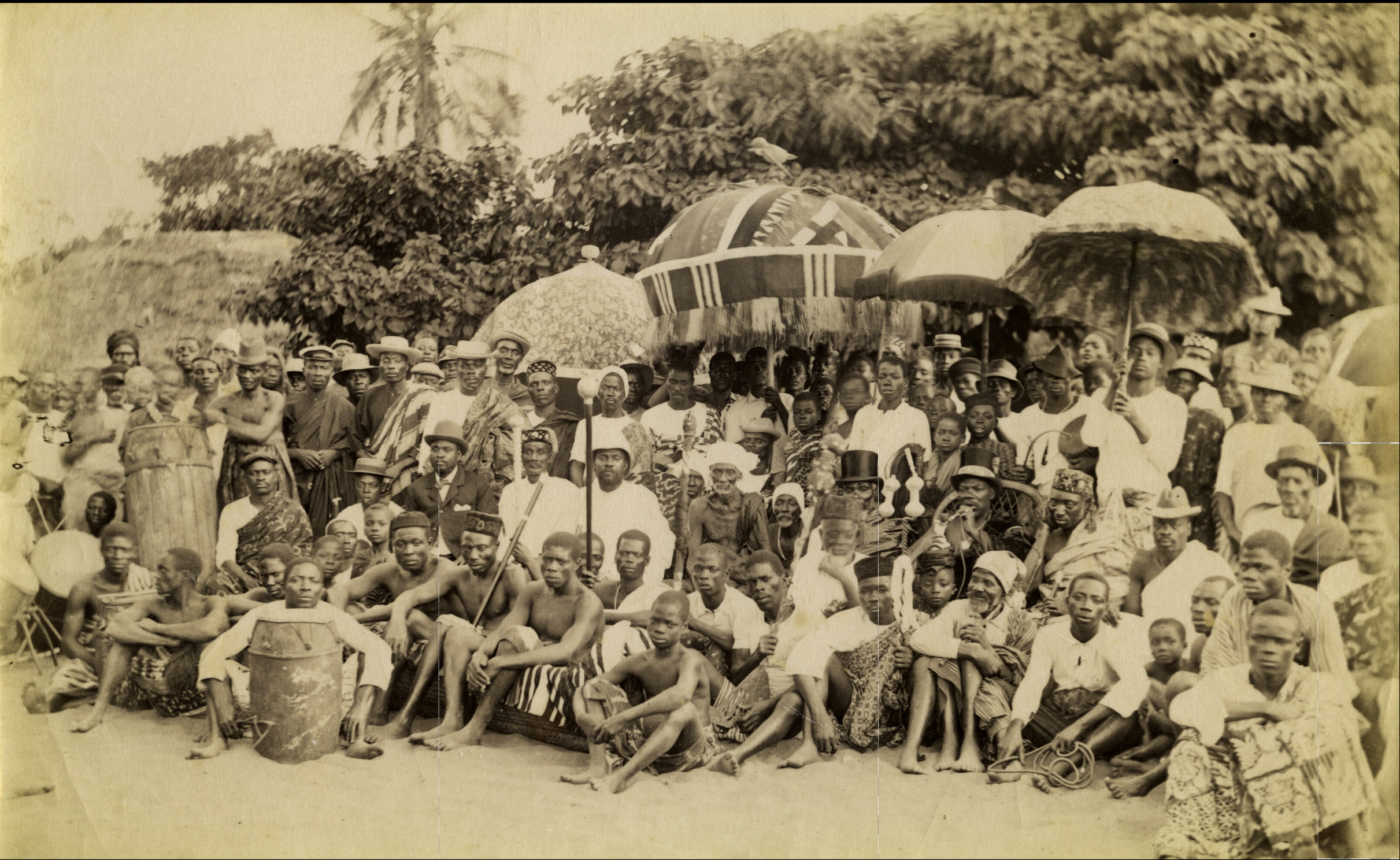
Group portrait of an Akan (likely Asante) community gathered under ceremonial umbrellas, Gold Coast (modern-day Ghana), late 19th to early 20th century. Unknown photographer. (c. 1880–1920). Group portrait with ceremonial umbrellas, Gold Coast [Photograph]. Pitt Rivers Museum, University of Oxford (PRM object 451042). Retrieved from View collection record.
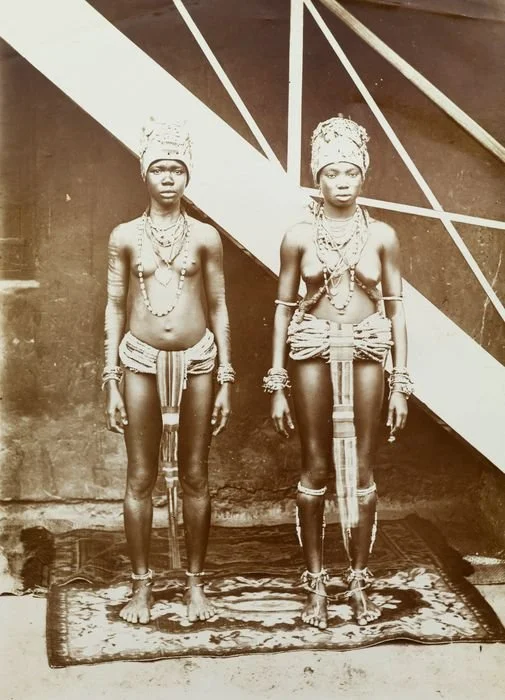
Portrait of two West African youths in ceremonial adornment, photographed during the colonial era, likely for ethnographic or exhibition purposes (British Empire & Commonwealth Collection). Unknown photographer. (c. early 20th century). Photograph of two West African youths in ceremonial attire [Photograph]. British Empire & Commonwealth Collection, Bristol Archives. Retrieved from View archive record. Reference no. 1995/074/2/33.
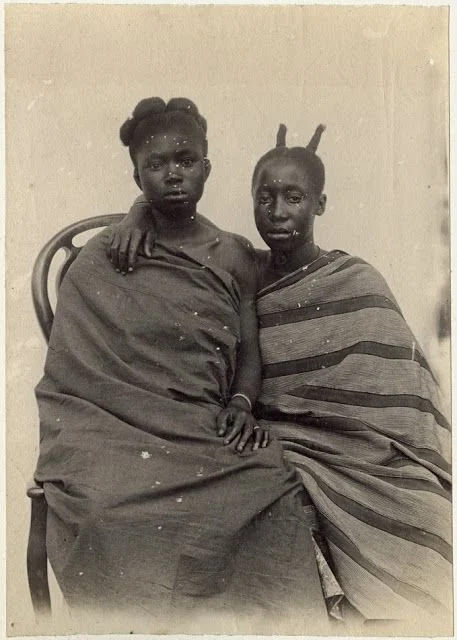
"Negro types from Akem and Akuapem Gold Coast."Date: 1880". Portrait of two Akan women in traditional cloth, Gold Coast (modern-day Ghana), late 19th to early 20th century. Image credit: Ghana Rising Blog.
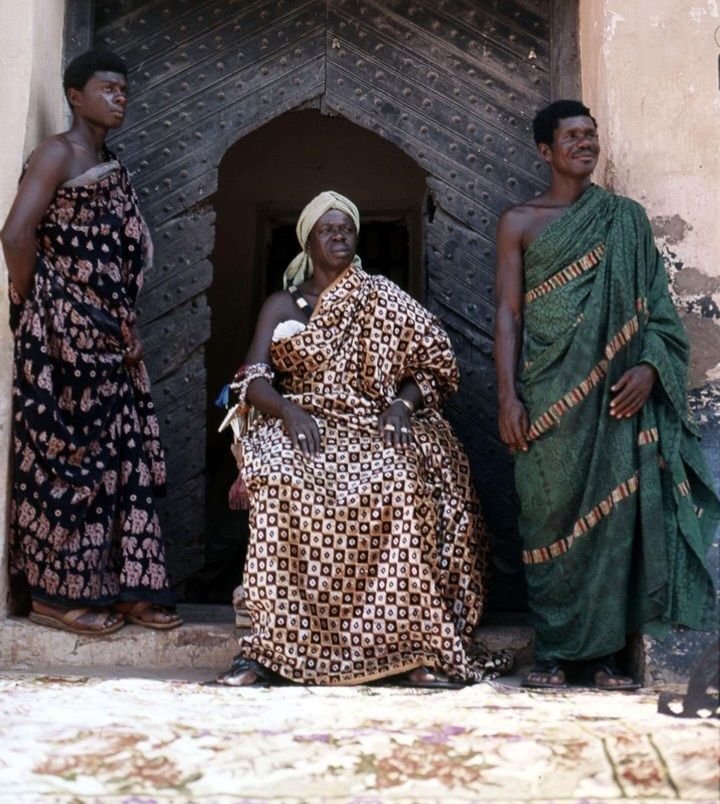
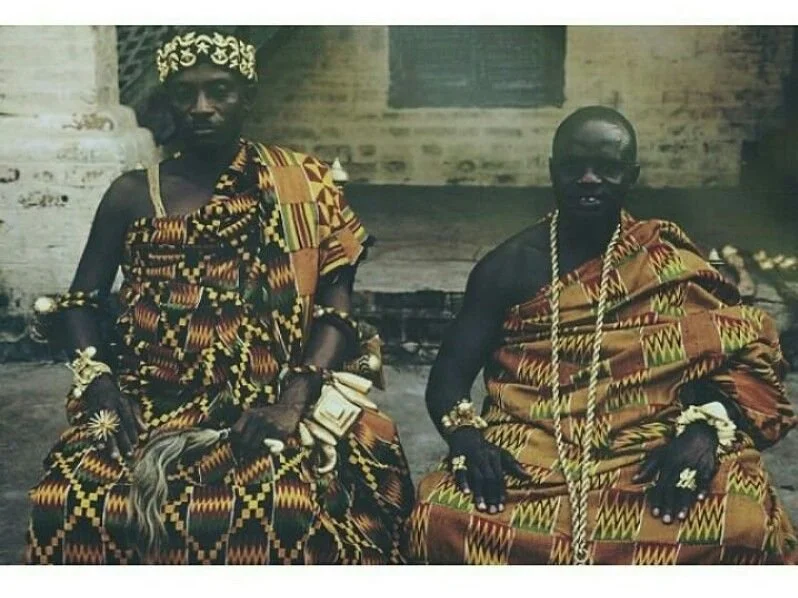
Nana Amonu X, the Omanhene (king) of the Anomabu traditional area in Ghana, with two members of his court in 1977.
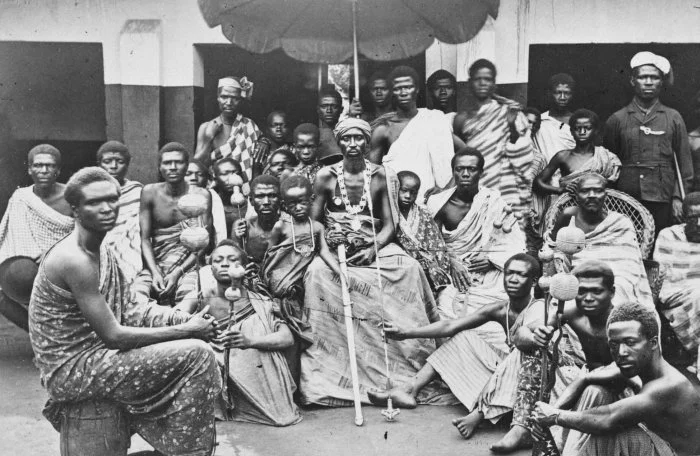
The Fante People
![Back street in Cape Coast (C.C.), Gold Coast (modern-day Ghana), showing a surface water drainage system, late 19th to early 20th century. Unknown photographer. (c. 1885–1910). A back street in C.C. showing surface water drain [Photograph]. Retrieved](https://images.squarespace-cdn.com/content/v1/65b41067c4042363cf11625f/a92438c5-6ea4-4cda-a6de-75bf81574938/cape+coast+back+street.jpg)
Back street in Cape Coast (C.C.), Gold Coast (modern-day Ghana), showing a surface water drainage system, late 19th to early 20th century. Unknown photographer. (c. 1885–1910). A back street in C.C. showing surface water drain [Photograph]. Retrieved from Ghana Rising Archive.
![One end of Ashanti Road, Cape Coast (C.C.), Gold Coast (modern-day Ghana), looking up Ashanti Road, late 19th to early 20th century. Unknown photographer. (c. 1885–1910). One end of Ashanti Rd C.C. looking up Ashanti Rd [Photograph]. Retrieved from h](https://images.squarespace-cdn.com/content/v1/65b41067c4042363cf11625f/051bd37f-d3d7-4d17-9606-9a4e77df1f6a/Cape+Coast+looking+up+Asahnti+road.jpg)
One end of Ashanti Road, Cape Coast (C.C.), Gold Coast (modern-day Ghana), looking up Ashanti Road, late 19th to early 20th century. Unknown photographer. (c. 1885–1910). One end of Ashanti Rd C.C. looking up Ashanti Rd [Photograph]. Retrieved from http://ghanarising.blogspot.com/2012/03/fanti-peopleculture-of-ghana-between.html
![Road to Kotokraba (Hausa Town), Cape Coast (C.C.), Gold Coast (modern-day Ghana), late 19th to early 20th century. Unknown photographer. (c. 1885–1910). Road to Kotokraba (Hausa town) C.C. [Photograph]. Retrieved from http://ghanarising.blogspot.com/](https://images.squarespace-cdn.com/content/v1/65b41067c4042363cf11625f/a37fc172-5b8f-473e-82ea-d0662ad06603/cape+Coast+part+of+Kotokraba.jpg)
Road to Kotokraba (Hausa Town), Cape Coast (C.C.), Gold Coast (modern-day Ghana), late 19th to early 20th century. Unknown photographer. (c. 1885–1910). Road to Kotokraba (Hausa town) C.C. [Photograph]. Retrieved from http://ghanarising.blogspot.com/2012/03/fanti-peopleculture-of-ghana-between.html.
![Part of Kotokraba, Cape Coast (C.C.), Gold Coast (modern-day Ghana), late 19th to early 20th century. Unknown photographer. (c. 1885–1910). Part of Kotokraba. C.C. [Photograph]. Retrieved from http://ghanarising.blogspot.com/2012/03/fanti-peoplecultu](https://images.squarespace-cdn.com/content/v1/65b41067c4042363cf11625f/ac2d6167-430b-4895-883f-77fd01d1af8b/cape+coast+Kotokraba%2C+Cape+Coast.jpg)
Part of Kotokraba, Cape Coast (C.C.), Gold Coast (modern-day Ghana), late 19th to early 20th century. Unknown photographer. (c. 1885–1910). Part of Kotokraba. C.C. [Photograph]. Retrieved from http://ghanarising.blogspot.com/2012/03/fanti-peopleculture-of-ghana-between.html
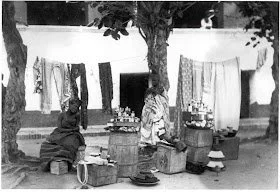
Women street sellers and their wares, Cape Coast (C.C.), Gold Coast (modern-day Ghana), late 19th to early 20th century. Unknown photographer. (c. 1885–1910). Women street sellers & their wares Cape Coast. Soap, looking glasses, towels, homade scent [Photograph]. Retrieved from http://ghanarising.blogspot.com/2012/03/fanti-peopleculture-of-ghana-between.html
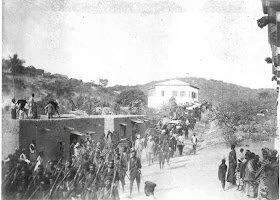
The late Governor Maxwell with Hausa troops returning from Kumasi down Ashanti Road, Cape Coast (C.C.), after the Second Anglo-Ashanti Expedition, late 19th century. Unknown photographer. (c. 1895–1896). The late Governor Maxwell, Hausa troops returning from Kumassi down Ashanti after 2nd Ashanti Expedition C.C. [Photograph]. Retrieved from http://ghanarising.blogspot.com/2012/03/fanti-peopleculture-of-ghana-between.html
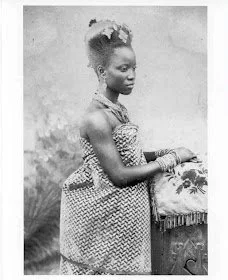
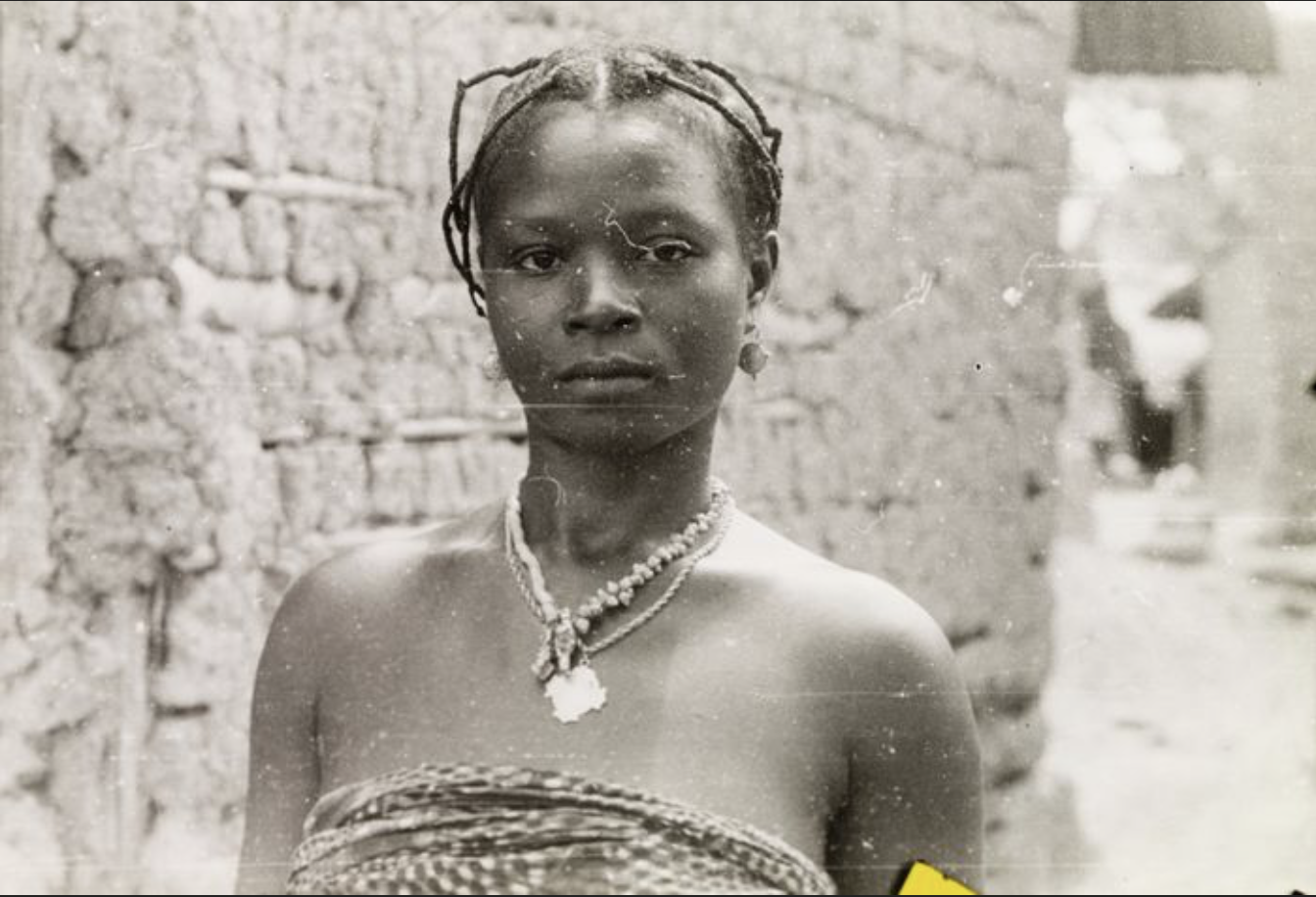
Portrait of a young woman adorned with gold jewelry, Cape Coast, Gold Coast (modern-day Ghana), late 19th to early 20th century. Unknown photographer. (c. 1885–1910). Cape Coast native girl, decked with gold ornaments, and desiring marriage [Photograph]. Eliot Elisofon Photographic Archives, National Museum of African Art, Smithsonian Institution. Retrieved from http://ghanarising.blogspot.com/2012/03/fanti-peopleculture-of-ghana-between.html
![Fante woman, Gold Coast (modern-day Ghana), photographed by Arthur Ffoulkes, early 20th century. Ffoulkes, A. (c. 1900–1920). A Fanti woman: Gold Coast [Photograph]. Retrieved from http://www.101lasttribes.com/tribes/fante.html](https://images.squarespace-cdn.com/content/v1/65b41067c4042363cf11625f/6f5d6c47-7828-4630-8ac6-abede33176ff/fante.jpg)
Fante woman, Gold Coast (modern-day Ghana), photographed by Arthur Ffoulkes, early 20th century. Ffoulkes, A. (c. 1900–1920). A Fanti woman: Gold Coast [Photograph]. Retrieved from http://www.101lasttribes.com/tribes/fante.html
![Portrait of Miss Nancy Skues, Cape Coast (C.C.), Gold Coast (modern-day Ghana), late 19th to early 20th century. Unknown photographer. (c. 1885–1910). Miss Nancy Skues C.C., daughter of the auctioneer [Photograph]. Eliot Elisofon Photographic Archive](https://images.squarespace-cdn.com/content/v1/65b41067c4042363cf11625f/a887cafd-0eb7-4fec-b744-9dc39e9c9464/Cape+Coast+Elite.jpg)
Portrait of Miss Nancy Skues, Cape Coast (C.C.), Gold Coast (modern-day Ghana), late 19th to early 20th century. Unknown photographer. (c. 1885–1910). Miss Nancy Skues C.C., daughter of the auctioneer [Photograph]. Eliot Elisofon Photographic Archives, National Museum of African Art, Smithsonian Institution. Retrieved from http://ghanarising.blogspot.com/2012/03/fanti-peopleculture-of-ghana-between.html
![Group of girls identified as bread sellers, Cape Coast (C.C.), Gold Coast (modern-day Ghana), late 19th to early 20th century. Unknown photographer. (c. 1885–1910). Girls (bread sellers) of C.C. [Photograph]. Retrieved from http://ghanarising.blogspo](https://images.squarespace-cdn.com/content/v1/65b41067c4042363cf11625f/0bed91e2-955f-464f-a242-b4e404417199/cape+coast+women.jpg)
Group of girls identified as bread sellers, Cape Coast (C.C.), Gold Coast (modern-day Ghana), late 19th to early 20th century. Unknown photographer. (c. 1885–1910). Girls (bread sellers) of C.C. [Photograph]. Retrieved from http://ghanarising.blogspot.com/2012/03/fanti-peopleculture-of-ghana-between.html
![Group portrait of three women, Cape Coast (C.C.), Gold Coast (modern-day Ghana), late 19th to early 20th century. Unknown photographer. (c. 1885–1910). Group portrait of three African women. The two seated hold umbrellas [Photograph]. Retrieved from](https://images.squarespace-cdn.com/content/v1/65b41067c4042363cf11625f/fd1196b8-cea1-4e12-8df3-6a948bd0d0eb/cape+coast+Fanti+Women.jpg)
Group portrait of three women, Cape Coast (C.C.), Gold Coast (modern-day Ghana), late 19th to early 20th century. Unknown photographer. (c. 1885–1910). Group portrait of three African women. The two seated hold umbrellas [Photograph]. Retrieved from http://ghanarising.blogspot.com/2012/03/fanti-peopleculture-of-ghana-between.html
![Group portrait of young women in full dress, Cape Coast (C.C.), Gold Coast (modern-day Ghana), late 19th to early 20th century. Unknown photographer. (c. 1885–1910). Native girls – Cape Coast – full dress – Civilized [Photograph]. Retrieved from http](https://images.squarespace-cdn.com/content/v1/65b41067c4042363cf11625f/3b9aba99-a9bf-4e16-b177-528f9ce8c287/cape+coast+women+first.jpg)
Group portrait of young women in full dress, Cape Coast (C.C.), Gold Coast (modern-day Ghana), late 19th to early 20th century. Unknown photographer. (c. 1885–1910). Native girls – Cape Coast – full dress – Civilized [Photograph]. Retrieved from http://ghanarising.blogspot.com/2012/03/fanti-peopleculture-of-ghana-between.html
![Twin daughters of the Prince of Mankessim, Gold Coast (modern-day Ghana), late 19th to early 20th century. Unknown photographer. (c. 1885–1910). Twin daughters of the Prince of Mankessim [Photograph]. Retrieved from http://ghanarising.blogspot.com/20](https://images.squarespace-cdn.com/content/v1/65b41067c4042363cf11625f/a0652271-20ac-4704-b84c-9d146a7daae0/Cape+Coast+fashionistas+Twins.jpg)
Twin daughters of the Prince of Mankessim, Gold Coast (modern-day Ghana), late 19th to early 20th century. Unknown photographer. (c. 1885–1910). Twin daughters of the Prince of Mankessim [Photograph]. Retrieved from http://ghanarising.blogspot.com/2012/03/fanti-peopleculture-of-ghana-between.html
![Portrait of a woman in ceremonial head adornment, Cape Coast (C.C.), Gold Coast (modern-day Ghana), late 19th to early 20th century. Unknown photographer. (c. 1885–1910). Another style [Photograph]. Retrieved from http://ghanarising.blogspot.com/2012](https://images.squarespace-cdn.com/content/v1/65b41067c4042363cf11625f/8becd30d-c0a1-411a-abc1-30882565589b/Cape+Coast+fashionista1.jpg)
Portrait of a woman in ceremonial head adornment, Cape Coast (C.C.), Gold Coast (modern-day Ghana), late 19th to early 20th century. Unknown photographer. (c. 1885–1910). Another style [Photograph]. Retrieved from http://ghanarising.blogspot.com/2012/03/fanti-peopleculture-of-ghana-between.html
![Portrait of a woman with elaborately styled hair, Cape Coast (C.C.), Gold Coast (modern-day Ghana), late 19th to early 20th century. Unknown photographer. (c. 1885–1910). One style of hairdressing [Photograph]. Retrieved from http://ghanarising.blogs](https://images.squarespace-cdn.com/content/v1/65b41067c4042363cf11625f/9e737e6b-e7a2-4926-b9d5-eae5bad7cce0/Cape+Coast+fashionista.jpg)
Portrait of a woman with elaborately styled hair, Cape Coast (C.C.), Gold Coast (modern-day Ghana), late 19th to early 20th century. Unknown photographer. (c. 1885–1910). One style of hairdressing [Photograph]. Retrieved from http://ghanarising.blogspot.com/2012/03/fanti-peopleculture-of-ghana-between.html
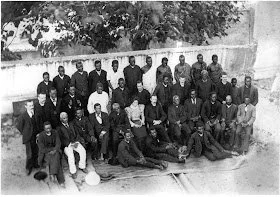
Superintendent Ellis, Mrs. Ellis, Revs. Glandfield and Morris, alongside African pastors, Wesleyan Mission, Cape Coast (C.C.), Gold Coast (modern-day Ghana), late 19th to early 20th century. Unknown photographer. (c. 1885–1910). Superintendent Ellis & Mrs. Ellis & Revs. Glandfield, Morris & others & native pastors Wesleyan Mission Cape Coast – Rev Ellis died [Photograph]. Retrieved from http://ghanarising.blogspot.com/2012/03/fanti-peopleculture-of-ghana-between.html
![Group portrait of a chief, one of his wives, and followers, Cape Coast (C.C.), Gold Coast (modern-day Ghana), late 19th to early 20th century. Unknown photographer. (c. 1885–1910). A Native Chief one wife & his followers [Photograph]. Retrieved from](https://images.squarespace-cdn.com/content/v1/65b41067c4042363cf11625f/e3a99bd6-5215-4461-af7c-39204b5965d6/cape+coast+chief+his+wife+and+followers.jpg)
Group portrait of a chief, one of his wives, and followers, Cape Coast (C.C.), Gold Coast (modern-day Ghana), late 19th to early 20th century. Unknown photographer. (c. 1885–1910). A Native Chief one wife & his followers [Photograph]. Retrieved from http://ghanarising.blogspot.com/2012/03/fanti-peopleculture-of-ghana-between.html
![Group of Muslim residents, Cape Coast (C.C.), Gold Coast (modern-day Ghana), late 19th to early 20th century. Unknown photographer. (c. 1885–1910). Mohammedan natives C.C. [Photograph]. Retrieved from http://ghanarising.blogspot.com/2012/03/fanti-peo](https://images.squarespace-cdn.com/content/v1/65b41067c4042363cf11625f/7fbdf40d-78fb-4ec4-8f5a-e4f70780a808/cape+coast+muslims.jpg)
Group of Muslim residents, Cape Coast (C.C.), Gold Coast (modern-day Ghana), late 19th to early 20th century. Unknown photographer. (c. 1885–1910). Mohammedan natives C.C. [Photograph]. Retrieved from http://ghanarising.blogspot.com/2012/03/fanti-peopleculture-of-ghana-between.html
![Group portrait of siblings, Cape Coast (C.C.), Gold Coast (modern-day Ghana), late 19th to early 20th century. Unknown photographer. (c. 1885–1910). Brother & sisters C.C. children [Photograph]. Retrieved from http://ghanarising.blogspot.com/2012/03/](https://images.squarespace-cdn.com/content/v1/65b41067c4042363cf11625f/44df8b8a-194d-4a13-8c71-b7f4d83249e1/cape+coast+children.jpg)
Group portrait of siblings, Cape Coast (C.C.), Gold Coast (modern-day Ghana), late 19th to early 20th century. Unknown photographer. (c. 1885–1910). Brother & sisters C.C. children [Photograph]. Retrieved from http://ghanarising.blogspot.com/2012/03/fanti-peopleculture-of-ghana-between.html
![Group portrait of women and girls in full dress, Cape Coast (C.C.), Gold Coast (modern-day Ghana), late 19th to early 20th century. Unknown photographer. (c. 1885–1910). Native women & girls in full dress [Photograph]. Retrieved from http://ghanarisi](https://images.squarespace-cdn.com/content/v1/65b41067c4042363cf11625f/3394452f-d68f-4c2e-a552-b99f94c2f64e/cape+coast+women3.jpg)
Group portrait of women and girls in full dress, Cape Coast (C.C.), Gold Coast (modern-day Ghana), late 19th to early 20th century. Unknown photographer. (c. 1885–1910). Native women & girls in full dress [Photograph]. Retrieved from http://ghanarising.blogspot.com/2012/03/fanti-peopleculture-of-ghana-between.html
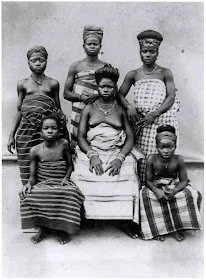
Group portrait of a young woman seated at center with companions, Cape Coast (C.C.), Gold Coast (modern-day Ghana), late 19th to early 20th century. Unknown photographer. (c. 1885–1910). A lady in centre, who desires to make known that she is of marriageable age with her friends [Photograph]. Retrieved from http://ghanarising.blogspot.com/2012/03/fanti-peopleculture-of-ghana-between.html
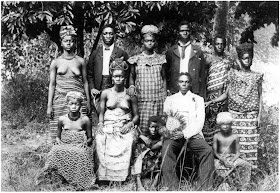
Wedding party group with bride and groom seated, Cape Coast (C.C.), Gold Coast (modern-day Ghana), late 19th to early 20th century. Unknown photographer. (c. 1885–1910). A wedding party group. Bride & groom sitting. The man is a ‘scholar’(!), but a ‘heathen’ [Photograph]. Retrieved from http://ghanarising.blogspot.com/2012/03/fanti-peopleculture-of-ghana-between.html
The Asante People
![African family group displayed in a colonial exhibition setting, early 20th century. Unknown photographer. (c. 1900–1930). African family group in exhibition setting (stereoscopic image) [Photograph]. In Let’s Bring Blacks Home! Colonial imagination](https://images.squarespace-cdn.com/content/v1/65b41067c4042363cf11625f/044bafd2-cc7c-4aa5-9bc3-87a82d65793d/Screenshot+2026-03-16+at+8.04.17%E2%80%AFAM.png)
African family group displayed in a colonial exhibition setting, early 20th century. Unknown photographer. (c. 1900–1930). African family group in exhibition setting (stereoscopic image) [Photograph]. In Let’s Bring Blacks Home! Colonial imagination and graphic approaches to Black African populations (1880–1968). University of Valencia. https://www.uv.es/infoexpo/letsbringblackshome/gallery-2c.html
The Soul of Ashanti | Ghana | Documentary
History of The Ashanti Empire of Ghana
![Ashanti Chief Sword Bearer, Protector of the King, Ghana. Unknown photographer. (n.d.). Ashanti Chief Sword Bearer, Protector of the King, Ghana [Photograph]. Africa Online Museum. https://africaonlinemuseum.org/map/ghana/ashanti-kingdom/photos/](https://images.squarespace-cdn.com/content/v1/65b41067c4042363cf11625f/32477f4d-277c-424b-b217-227ecdc74b13/ASH1.jpg)
Ashanti Chief Sword Bearer, Protector of the King, Ghana. Unknown photographer. (n.d.). Ashanti Chief Sword Bearer, Protector of the King, Ghana [Photograph]. Africa Online Museum. https://africaonlinemuseum.org/map/ghana/ashanti-kingdom/photos/
![Ashanti Sword Bearer attending Silver Jubilee, Ghana. Unknown photographer. (n.d.). Ashanti sword bearer attending Silver Jubilee, Ghana [Photograph]. Africa Online Museum. https://africaonlinemuseum.org/map/ghana/ashanti-kingdom/photos/](https://images.squarespace-cdn.com/content/v1/65b41067c4042363cf11625f/7269f707-965e-435c-be9a-496a22de95a9/ASH9.jpg)
Ashanti Sword Bearer attending Silver Jubilee, Ghana. Unknown photographer. (n.d.). Ashanti sword bearer attending Silver Jubilee, Ghana [Photograph]. Africa Online Museum. https://africaonlinemuseum.org/map/ghana/ashanti-kingdom/photos/
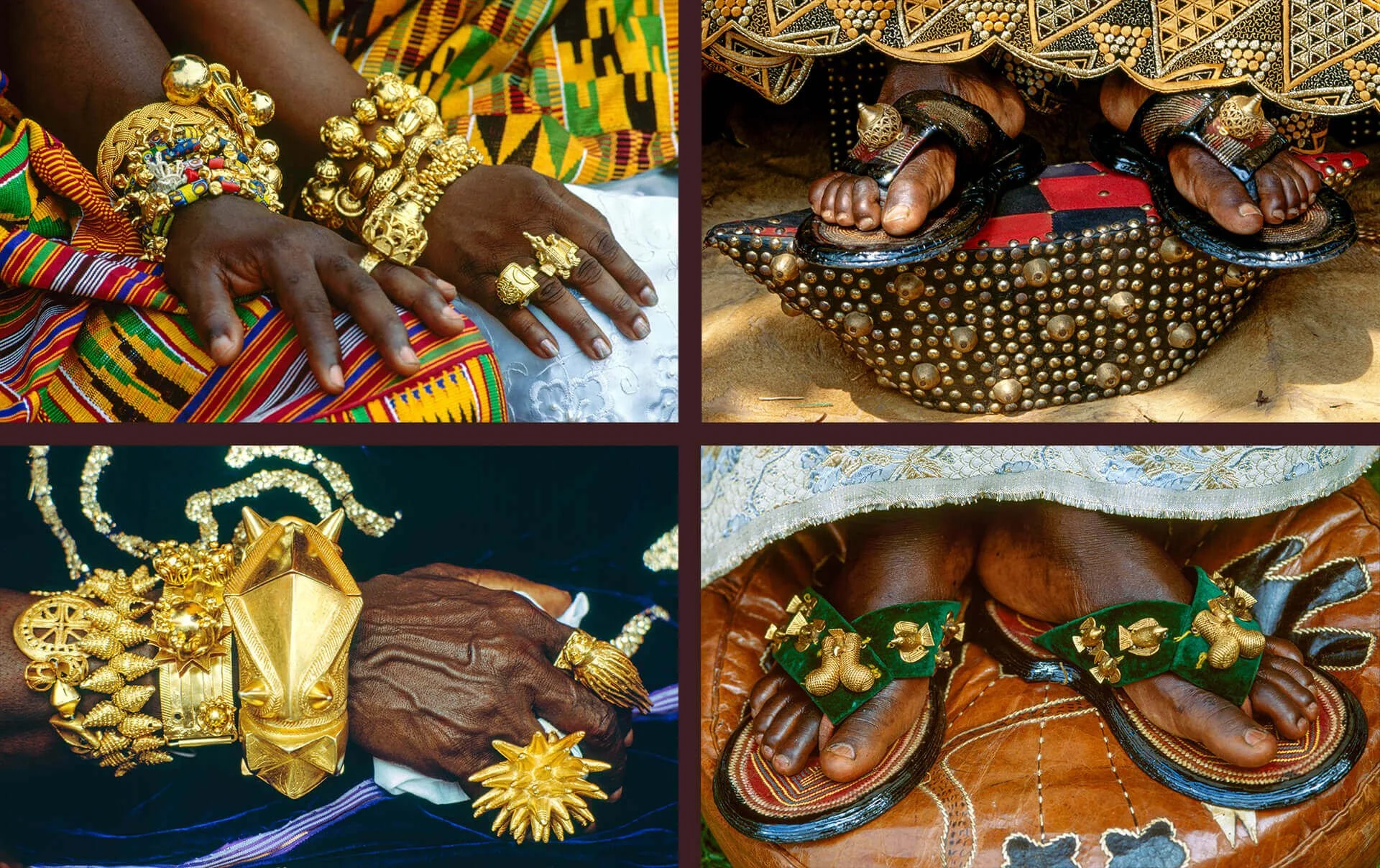
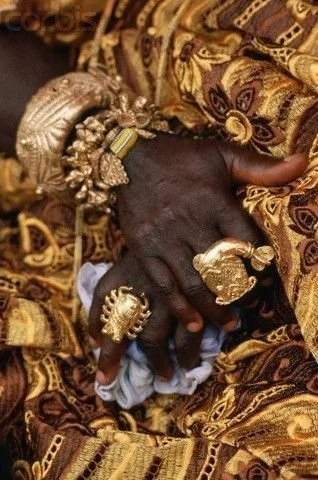
Details of Ashanti adornments, Ghana. Top left: Gold jewelry worn by Asante royal guests during Jubilee celebrations reflects not only wealth but layered cultural meaning and status. Bottom left: Rings worn by an Asante chief include a starburst form—named after a fruit and tied to the proverb, “It may not speak, but it breathes,” representing restrained but decisive leadership—and a palm beetle motif symbolizing patience as a virtue. Top right: The Asantehene’s feet rest upon a ceremonial footstool, designed to prevent harmful spiritual forces from entering the body through contact with the ground. Bottom right: Sandals worn by Akan chiefs are adorned with protective gold-leaf talismans, reinforcing the connection between physical regalia and spiritual safeguarding. Together, these elements illustrate how adornment in the Asante court encodes philosophy, protection, and political identity. (africaonlinemuseum.org) Unknown photographer. (n.d.). Details of Ashanti adornments, Ghana [Photograph]. Africa Online Museum. https://africaonlinemuseum.org/map/ghana/ashanti-kingdom/photos/
![The Asantehene’s golden jewellery, Ghana.Unknown photographer. (n.d.). The Asantehene’s golden jewellery, Ghana [Photograph]. Africa Online Museum. https://africaonlinemuseum.org/map/ghana/ashanti-kingdom/photos/](https://images.squarespace-cdn.com/content/v1/65b41067c4042363cf11625f/104f3733-bf5b-4f25-9007-18aa7b63b06e/ASH20.jpg)
The Asantehene’s golden jewellery, Ghana.Unknown photographer. (n.d.). The Asantehene’s golden jewellery, Ghana [Photograph]. Africa Online Museum. https://africaonlinemuseum.org/map/ghana/ashanti-kingdom/photos/
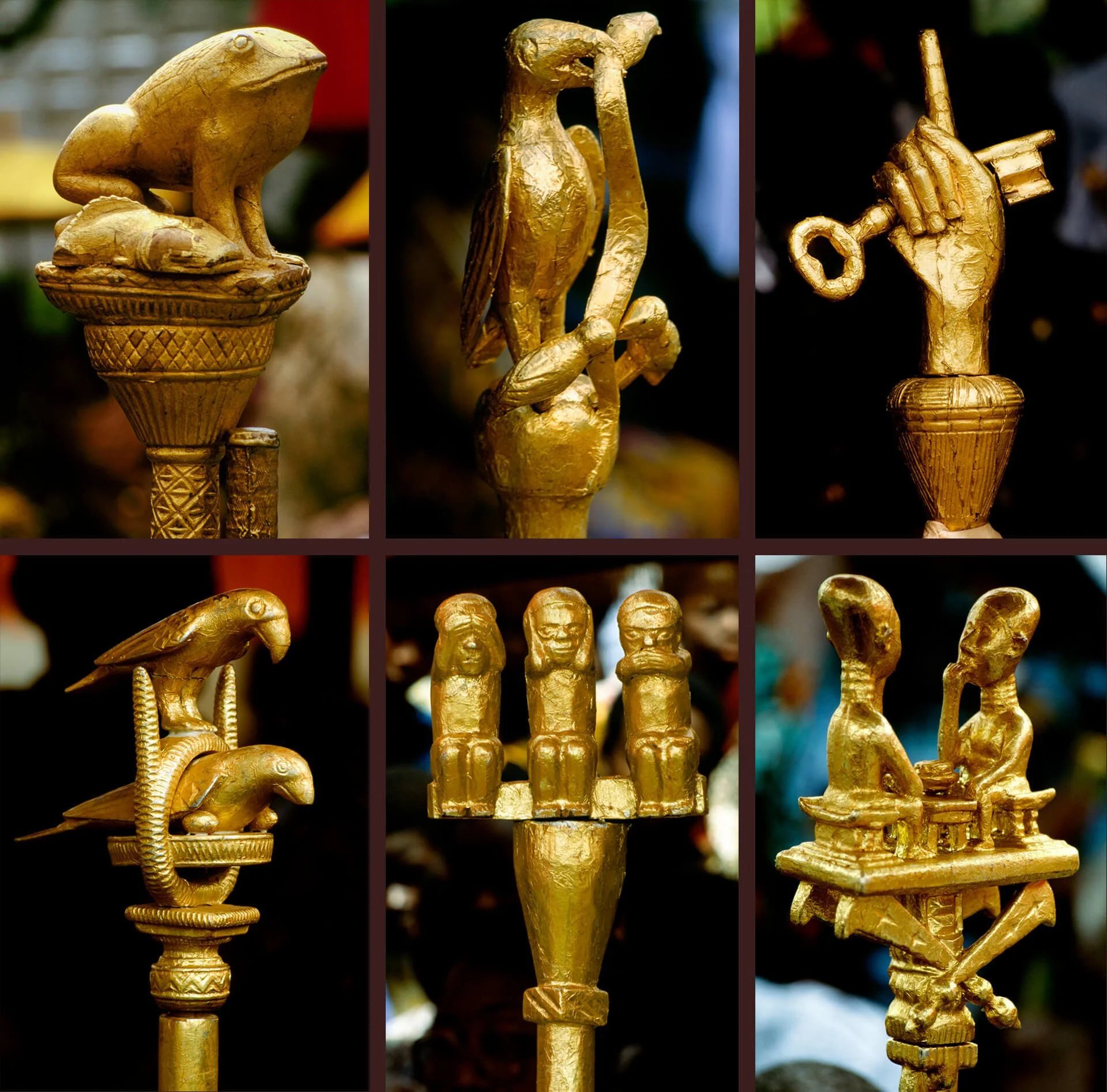
Ashanti linguist’s staffs, Ghana. Top left: “No matter how fat the frog grows it can never surpass the mudfish,” emphasizing that a chief maintains authority despite powerful peers. Top centre: “The power of the eagle shows not only in the air but on land,” symbolizing strength across all domains. Top right: “The chief holds the key to the treasury,” representing custodianship of wealth and responsibility. Bottom left: “When the kite’s away the hawk sits on its eggs,” indicating that in the king’s absence, the throne is safeguarded by trusted kin. Bottom centre: “See no evil, hear no evil, speak no evil,” a moral directive toward restraint and wisdom. Bottom right: “Food is for the man who owns it, not for the hungry man,” reinforcing the principle of labor preceding reward. nknown photographer. (n.d.). Ashanti linguist’s staffs, Ghana [Photograph]. Africa Online Museum. https://africaonlinemuseum.org/map/ghana/ashanti-kingdom/photos/
![Ashanti linguists (Okyeame) interpreting the sacrosanct words of the king, Ghana. Unknown photographer. (n.d.). Ashanti linguists interpreting the words of the king, Ghana [Photograph]. Africa Online Museum. https://africaonlinemuseum.org/map/ghana/a](https://images.squarespace-cdn.com/content/v1/65b41067c4042363cf11625f/850b9b0d-7fcc-4396-b40c-bbe8aab53042/ASH16.jpg)
Ashanti linguists (Okyeame) interpreting the sacrosanct words of the king, Ghana. Unknown photographer. (n.d.). Ashanti linguists interpreting the words of the king, Ghana [Photograph]. Africa Online Museum. https://africaonlinemuseum.org/map/ghana/ashanti-kingdom/photos/
![The Asantehene (King) Otumfuo Opoku Ware II carried in palanquin at Silver Jubilee, Ghana. Unknown photographer. (n.d.). The Asantehene (King) Otumfuo Opoku Ware II carried in palanquin at Silver Jubilee, Ghana [Photograph]. Africa Online Museum. htt](https://images.squarespace-cdn.com/content/v1/65b41067c4042363cf11625f/4aa1b216-195b-4447-a3d8-3a790983c065/ASH2.jpg)
The Asantehene (King) Otumfuo Opoku Ware II carried in palanquin at Silver Jubilee, Ghana. Unknown photographer. (n.d.). The Asantehene (King) Otumfuo Opoku Ware II carried in palanquin at Silver Jubilee, Ghana [Photograph]. Africa Online Museum. https://africaonlinemuseum.org/map/ghana/ashanti-kingdom/photos/
![The Asantehemaa (Queen Mother) Nana Afua Kobi and her fan bearers, Ghana. Unknown photographer. (n.d.). The Asantehemaa (Queen Mother) Nana Afua Kobi and her fan bearers, Ghana [Photograph]. Africa Online Museum. https://africaonlinemuseum.org/map/gh](https://images.squarespace-cdn.com/content/v1/65b41067c4042363cf11625f/00171411-3bc2-4da3-a52d-bba2b68a06b0/ASH3.jpg)
The Asantehemaa (Queen Mother) Nana Afua Kobi and her fan bearers, Ghana. Unknown photographer. (n.d.). The Asantehemaa (Queen Mother) Nana Afua Kobi and her fan bearers, Ghana [Photograph]. Africa Online Museum. https://africaonlinemuseum.org/map/ghana/ashanti-kingdom/photos/
![Ashanti paramount chief greets his subjects, Ghana. Unknown photographer. (n.d.). Ashanti paramount chief greets his subjects, Ghana [Photograph]. Africa Online Museum. https://africaonlinemuseum.org/map/ghana/ashanti-kingdom/photos/](https://images.squarespace-cdn.com/content/v1/65b41067c4042363cf11625f/fae1462b-caa0-48f2-9b9f-5b51a72cc69c/ASH14.jpg)
Ashanti paramount chief greets his subjects, Ghana. Unknown photographer. (n.d.). Ashanti paramount chief greets his subjects, Ghana [Photograph]. Africa Online Museum. https://africaonlinemuseum.org/map/ghana/ashanti-kingdom/photos/
History of the Ashanti Empire , (Ghana Africa)
Asante Traditional Buildings, Ghana | Africa’s Cultural Landmarks
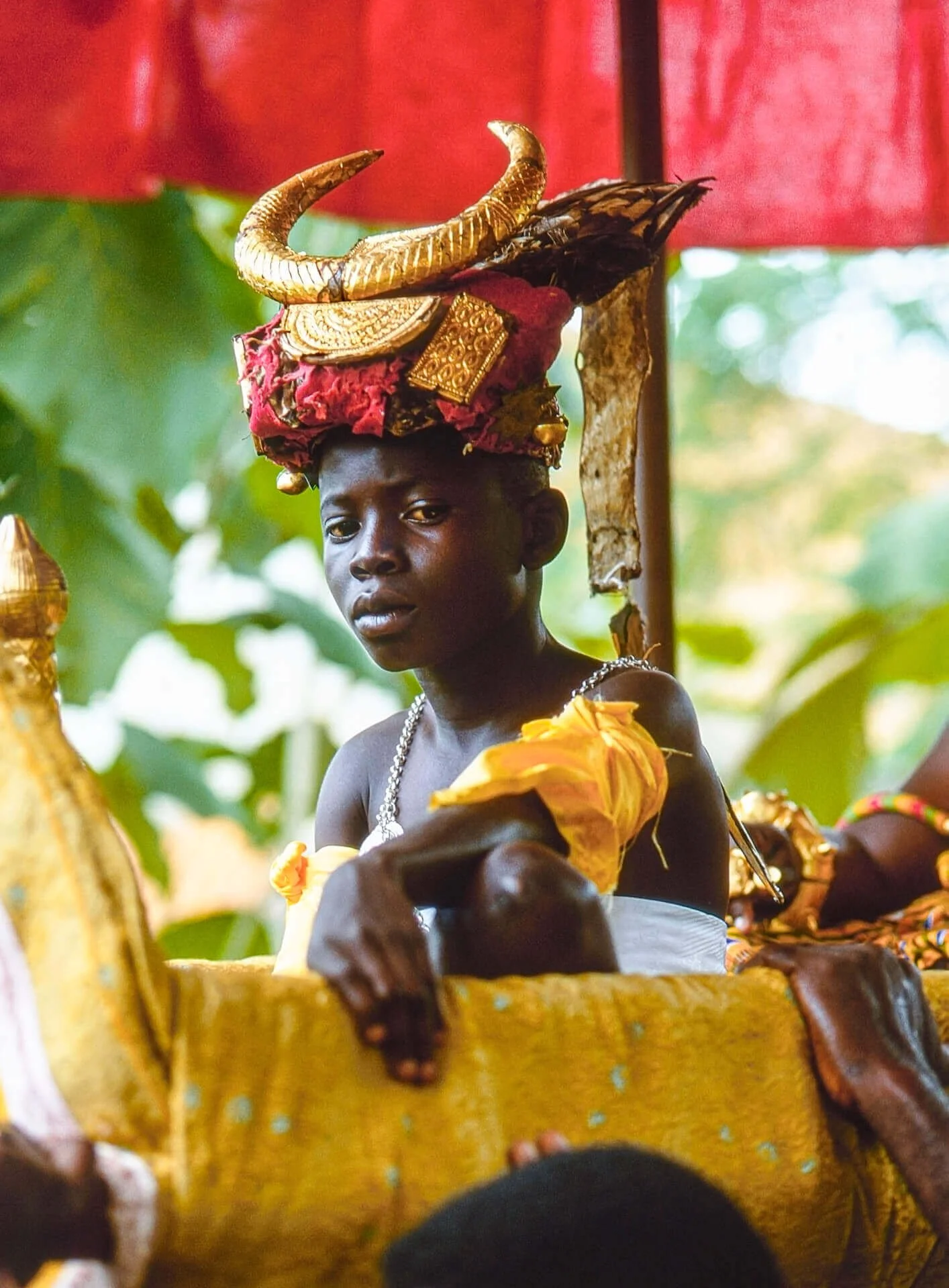
Ashanti Soul Bearer, Ghana. Unknown photographer. (n.d.). This image depicts a young Ashanti Soul Bearer, a sacred attendant tasked with protecting his chief from spiritual and physical harm. He wears a striking gilded ram’s horn headdress adorned with gold amulets and feathers, each element functioning as a protective talisman. Positioned close to the seat of authority, the Soul Bearer embodies a vital spiritual role within Ashanti governance, absorbing and deflecting danger directed toward the chief. His presence reflects the integration of ritual protection, symbolism, and leadership within the Ashanti Kingdom. Ashanti Soul Bearer, Ghana [Photograph]. Africa Online Museum. https://africaonlinemuseum.org/map/ghana/ashanti-kingdom/photos/
![Ashanti Chief Sword Bearer, Ghana. Unknown photographer. (n.d.). Ashanti Chief Sword Bearer, Ghana [Photograph]. Africa Online Museum. This image portrays an Ashanti Chief Sword Bearer, a ceremonial official entrusted with safeguarding the authority](https://images.squarespace-cdn.com/content/v1/65b41067c4042363cf11625f/7af2b061-68c6-4673-a298-5c8e8162e3c2/ASH4.jpg)
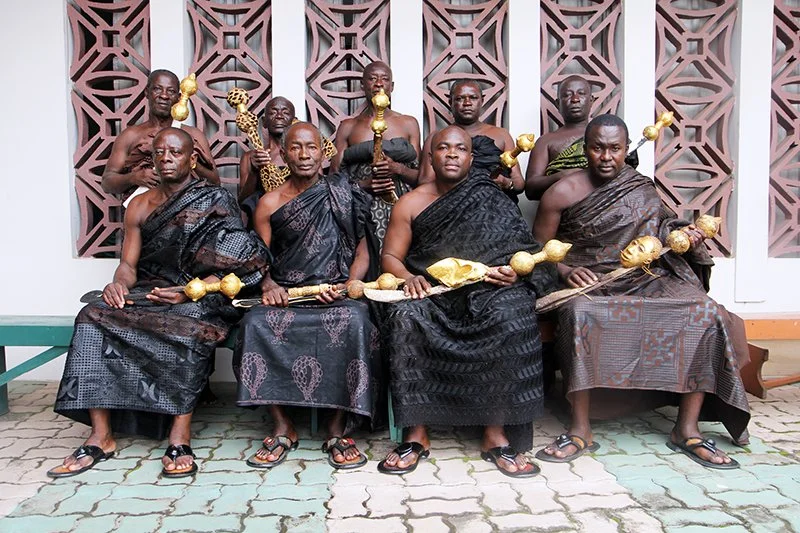
Ashanti Chief Sword Bearer, Ghana. Unknown photographer. (n.d.). Ashanti Chief Sword Bearer, Ghana [Photograph]. Africa Online Museum. This image portrays an Ashanti Chief Sword Bearer, a ceremonial official entrusted with safeguarding the authority and spiritual integrity of the king. He carries the Mponponsuo, a legendary ceremonial sword distinguished by a snake-adorned handle, which is used in the swearing of allegiance to the Asantehene. Around his neck hang leather amulets covered in gold leaf—ritually washed before ceremonies, with the consecrated liquid sprinkled upon the king and his court to protect their souls and the well-being of the nation.https://africaonlinemuseum.org/map/ghana/ashanti-kingdom/photos/
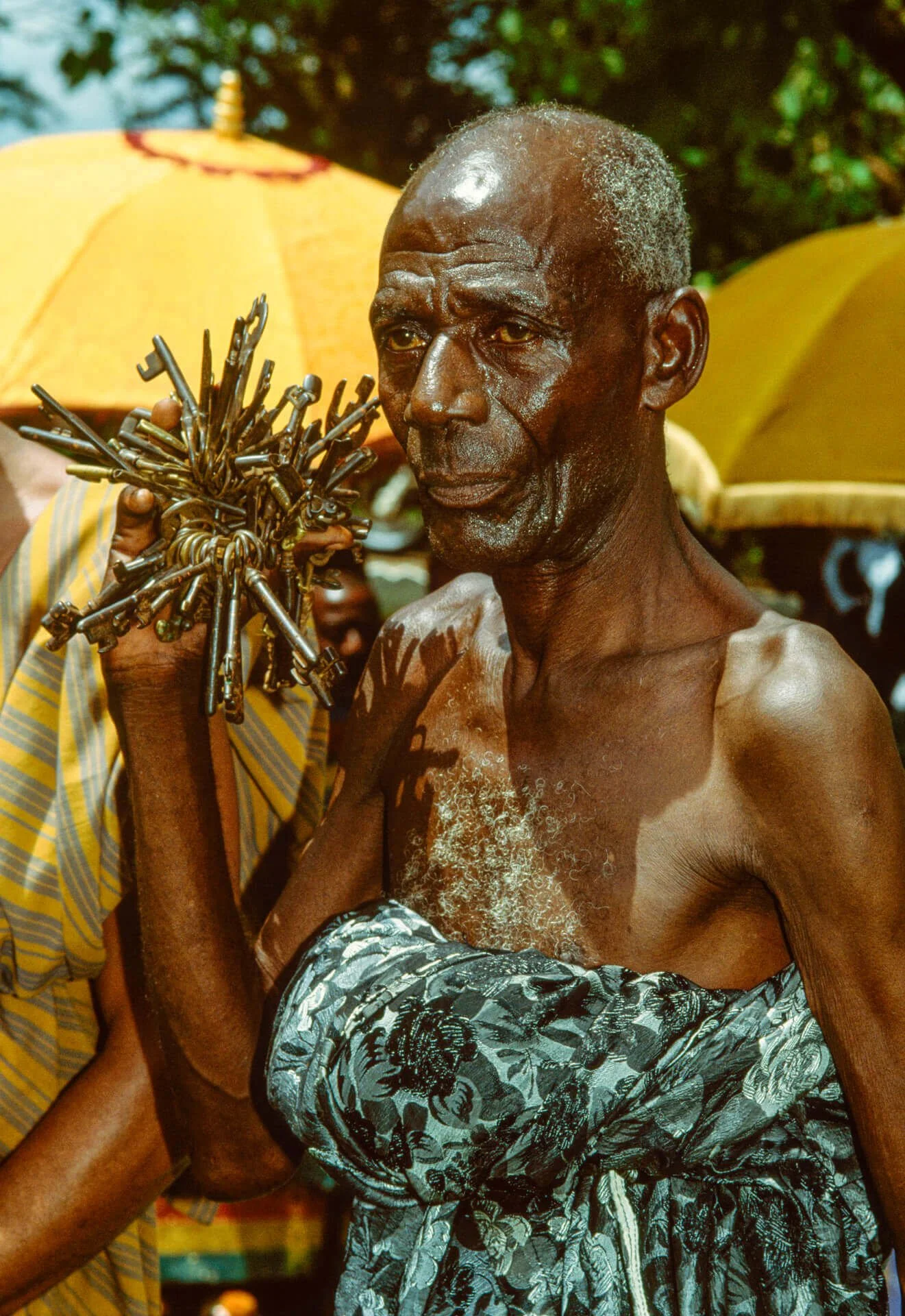
Ashanti Key Bearer showing the palace is locked and secure, Ghana. This image depicts an Ashanti Key Bearer holding a large cluster of keys, a powerful symbol of custodianship and security within the Ashanti palace. The keys represent that every door in the palace is locked, signifying protection, order, and controlled access to sacred and political spaces. As a ceremonial official, the Key Bearer embodies trust and responsibility, visually affirming the safeguarding of the kingdom’s inner domains and reinforcing the structured authority of the Ashanti state. Unknown photographer. (n.d.). Ashanti key bearer showing the palace is locked and secure, Ghana [Photograph]. Africa Online Museum. https://africaonlinemuseum.org/map/ghana/ashanti-kingdom/photos/
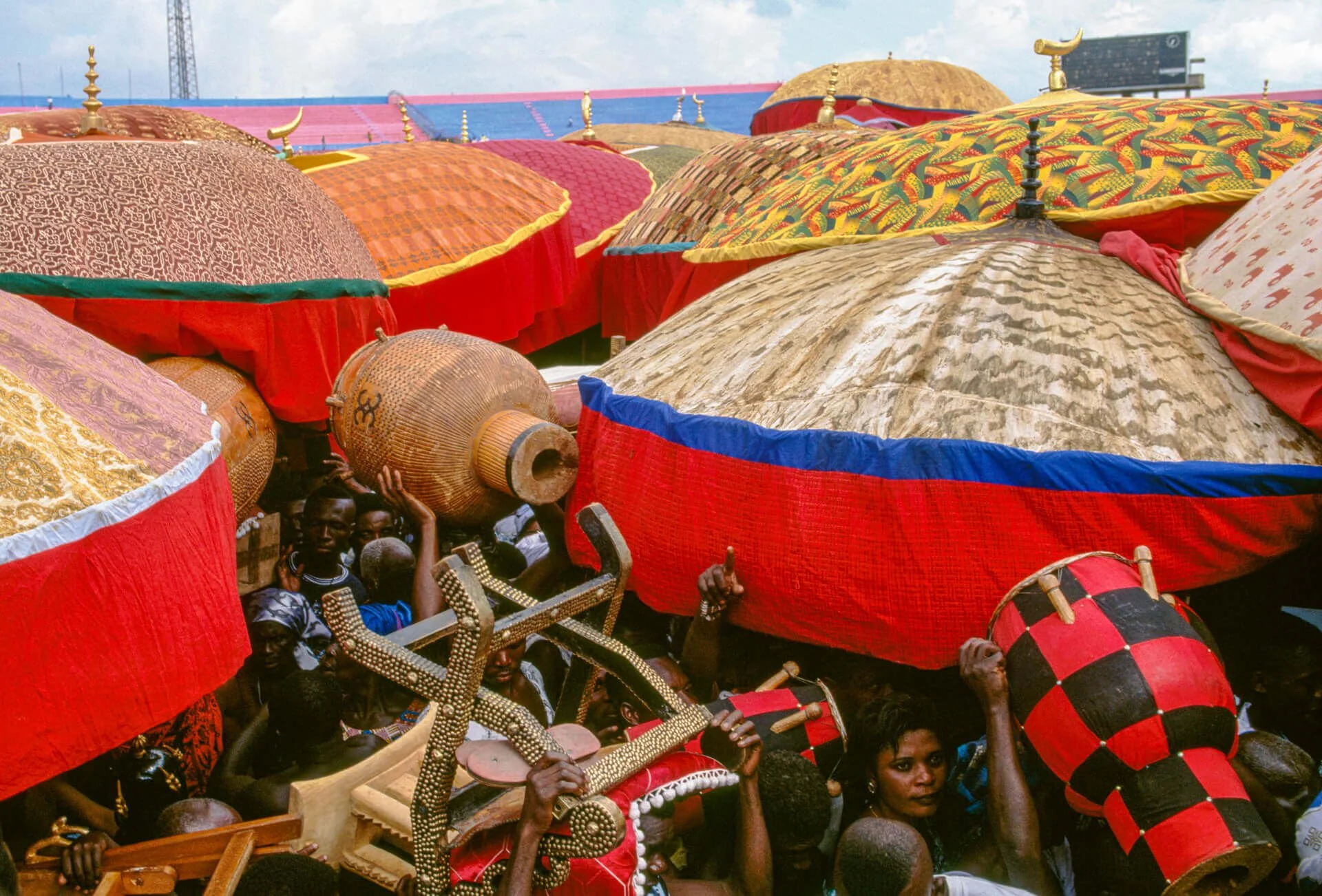
Ashanti umbrellas shielding paramount chiefs, Ghana. This image shows a gathering of Ashanti paramount chiefs arriving to honor the king, each sheltered beneath large ceremonial umbrellas crafted from richly patterned silk damask. These towering umbrellas are not merely functional but serve as powerful symbols of rank, wealth, and authority. Their scale, color, and intricate designs reflect the prestige of the chiefs they shield, visually distinguishing status within the assembly. Unknown photographer. (n.d.). Ashanti umbrellas shielding paramount chiefs, Ghana [Photograph]. Africa Online Museum. https://africaonlinemuseum.org/map/ghana/ashanti-kingdom/photos/
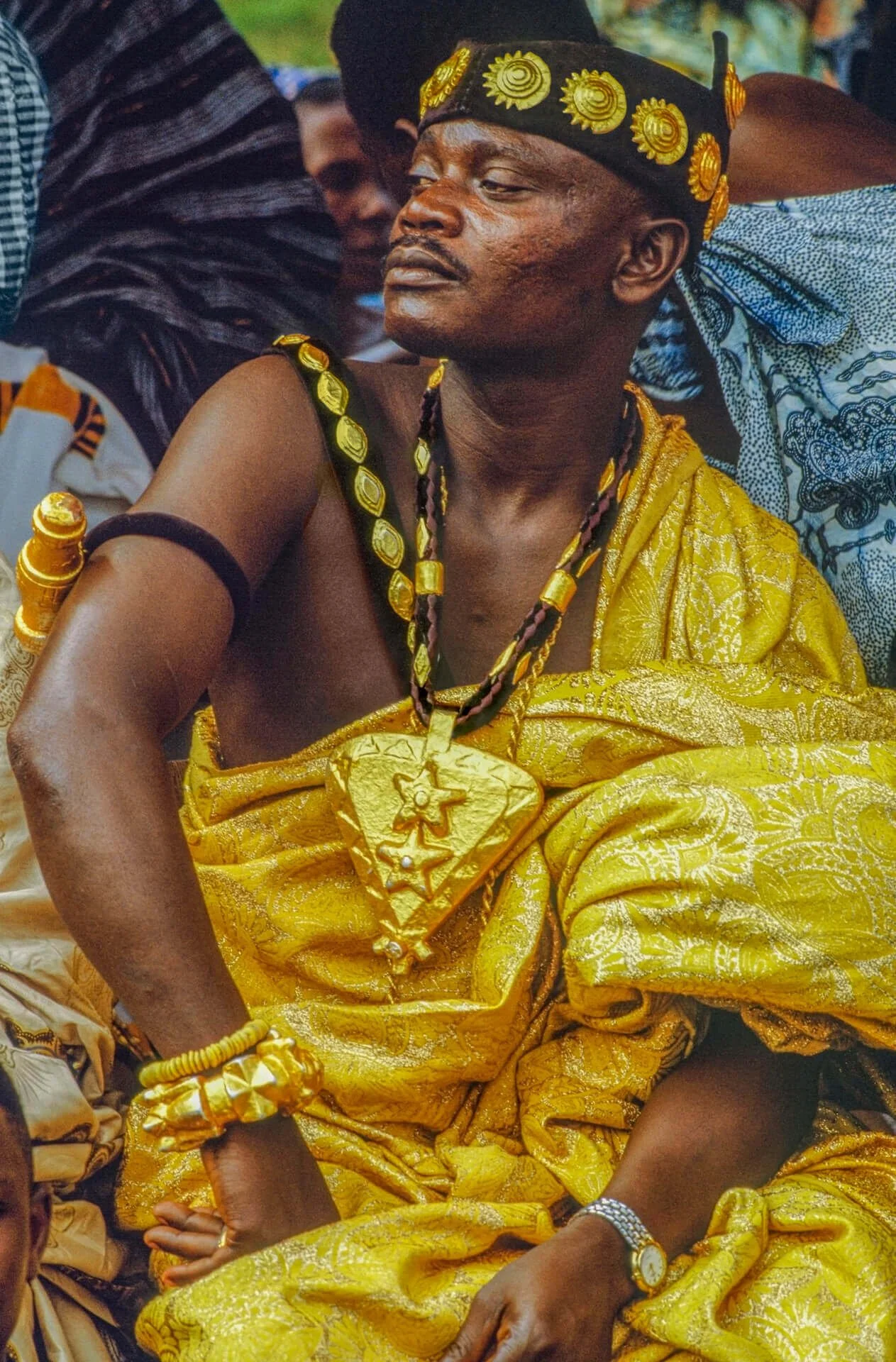
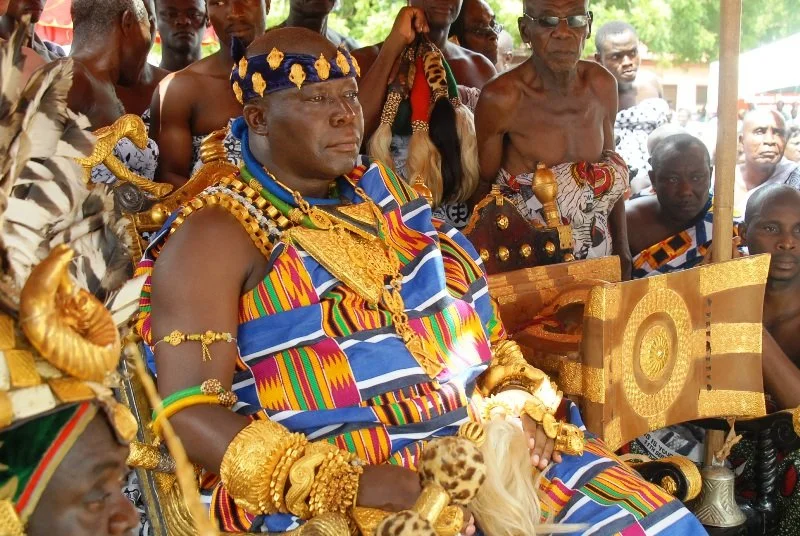
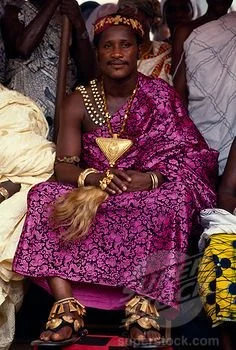
Ashanti Paramount Chief, Ghana.This image portrays an Ashanti paramount chief adorned with a gold medallion and a headband decorated with stylized moon and star motifs. These symbols reference the Akan proverb, “The evening star, desirous of being married, always stays close to the moon,” a visual expression of loyalty and enduring connection. Within Akan symbolic systems, the moon-and-star pairing signifies fidelity—both in marriage and in the relationship between a subject and their king—emphasizing devotion, alignment, and continuity within the social order. Unknown photographer. (n.d.). Ashanti paramount chief, Ghana [Photograph]. Africa Online Museum. https://africaonlinemuseum.org/map/ghana/ashanti-kingdom/photos/
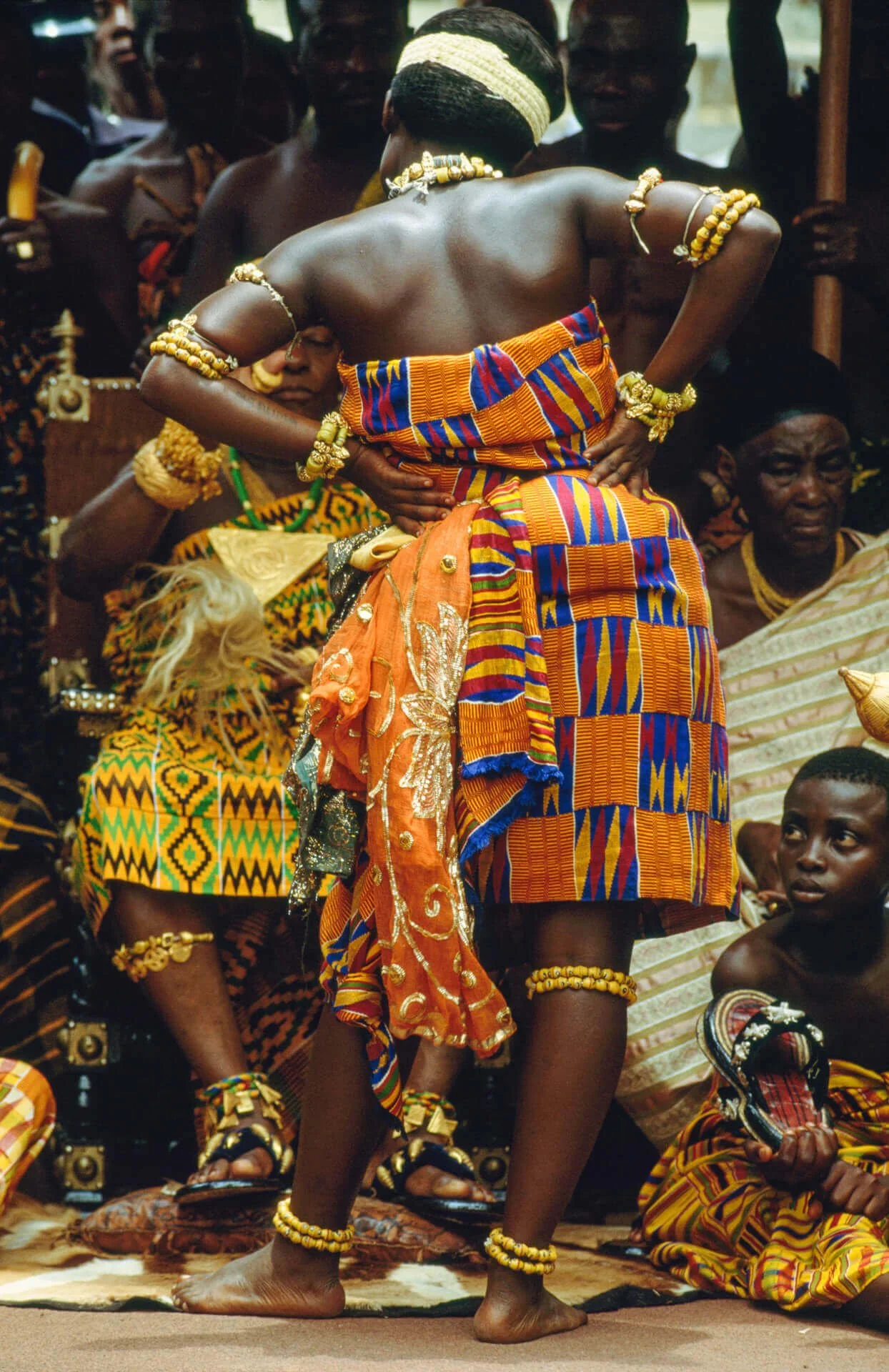
Ashanti Female Court Dancer, Ghana. This image captures an Ashanti female court dancer performing before the royal assembly during a ceremonial gathering. Such performances unfold within a festive atmosphere where paramount chiefs engage their communities, often greeting subjects from palanquins while court dancers animate the space through rhythmic movement. Accompanying the procession are large wooden Fontomfrom drums, whose resonant tones “speak” the ancestry of the king, linking performance, sound, and lineage. The dancer’s posture, adornment, and controlled gestures reflect the integration of artistry and ceremony within Ashanti political and cultural life. (Africa Online Museum) Unknown photographer. (n.d.). Ashanti female court dancer, Ghana [Photograph]. Africa Online Museum. https://africaonlinemuseum.org/map/ghana/ashanti-kingdom/photos/
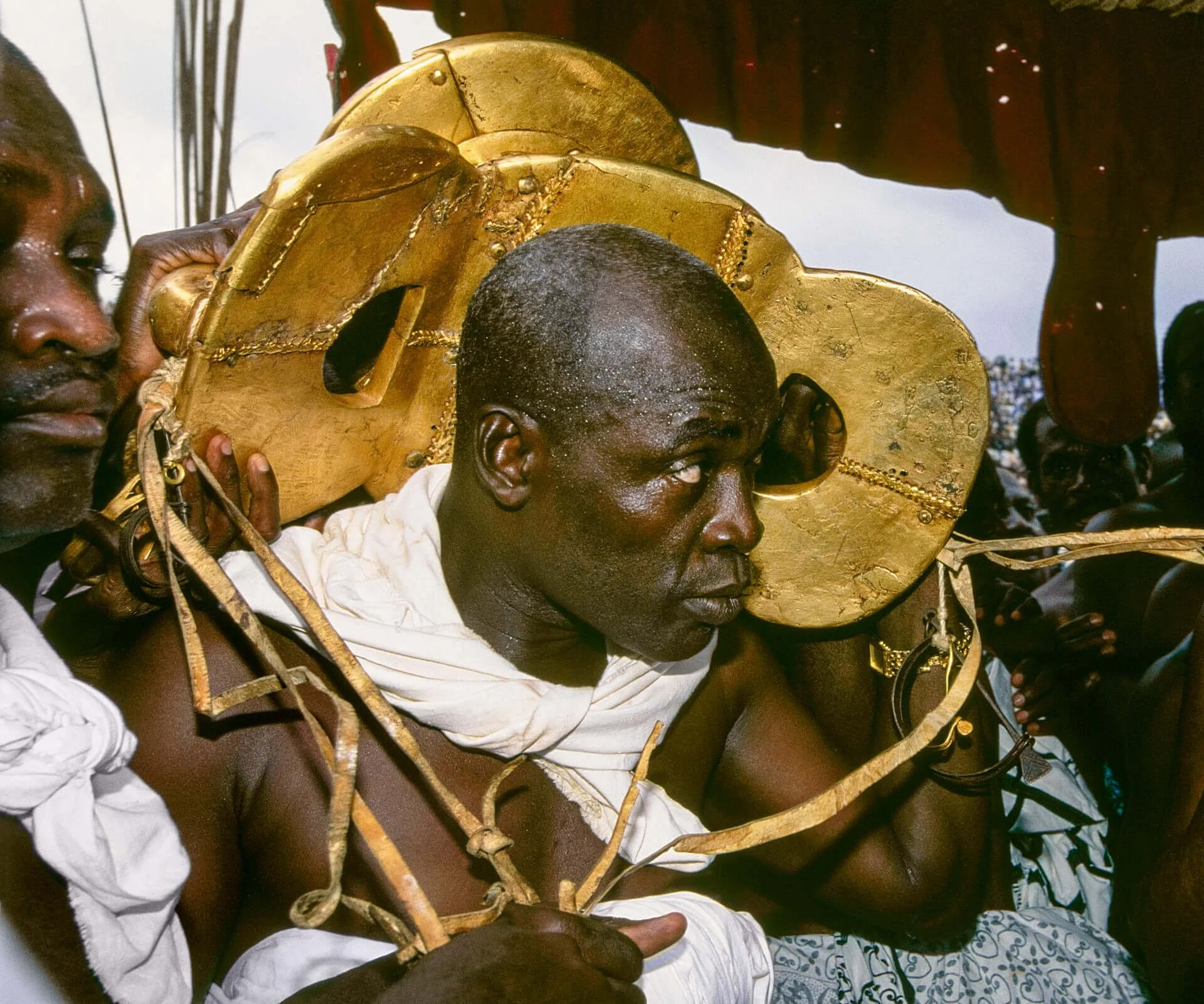
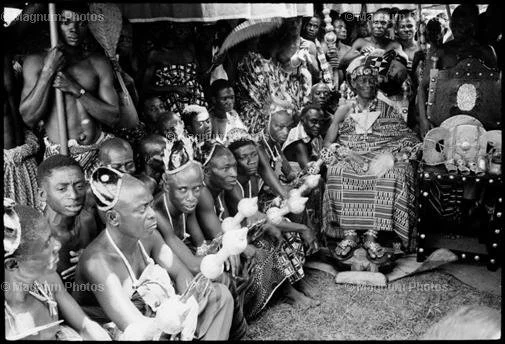
Ashanti Golden Stool, sacred symbol of the kingdom, Ghana. This image shows the Ashanti Golden Stool (Sika Dwa Kofi), the most sacred object of the Ashanti Kingdom and the spiritual embodiment of the nation. So revered that not even the monarch may sit upon it, the stool is believed to house the collective soul, strength, and bravery of the Ashanti people. It must never touch the ground and is ritually “fed” to sustain its vitality—if it were to weaken, it is believed the kingdom itself would suffer. Said to have descended from the heavens in a peal of thunder in the 18th century, the Golden Stool functions simultaneously as a shrine, a symbol of sovereignty, and a repository of ancestral power. Unknown photographer. (n.d.). Ashanti Golden Stool, sacred symbol of the kingdom, Ghana [Photograph]. Africa Online Museum. https://africaonlinemuseum.org/map/ghana/ashanti-kingdom/photos/
![An Attendant carrying Sikadwa Kofi in a procession. Unknown photographer. (n.d.). An attendant carrying Sikadwa Kofi in a procession [Photograph]. Earth Metropolis. https://www.earthmetropolis.com/Earth/ashanti_kings.html](https://images.squarespace-cdn.com/content/v1/65b41067c4042363cf11625f/2337e9db-73ec-4af5-9350-d8d08c2d5255/ashanti21.jpg)
An Attendant carrying Sikadwa Kofi in a procession. Unknown photographer. (n.d.). An attendant carrying Sikadwa Kofi in a procession [Photograph]. Earth Metropolis. https://www.earthmetropolis.com/Earth/ashanti_kings.html
![Akan domestic vessels and interior setting, Ashanti context, Ghana. Unknown photographer. (n.d.). Akan domestic vessels and interior setting, Ashanti context, Ghana [Photograph]. Earth Metropolis. https://www.earthmetropolis.com/Earth/ashanti_kings.h](https://images.squarespace-cdn.com/content/v1/65b41067c4042363cf11625f/5f9a4c98-a461-499f-bb85-fc9e27640184/akan_st.jpg)
Akan domestic vessels and interior setting, Ashanti context, Ghana. Unknown photographer. (n.d.). Akan domestic vessels and interior setting, Ashanti context, Ghana [Photograph]. Earth Metropolis. https://www.earthmetropolis.com/Earth/ashanti_kings.html
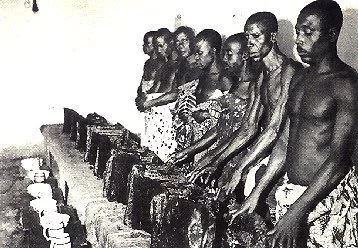
Ashanti ritual attendants performing purification rites, Ghana. This image shows a group of Ashanti ritual attendants gathered around sacred stools, engaging in a ceremonial act of washing or purification. In Ashanti culture, stools are not merely objects of seating but are understood as vessels of the soul and authority, often associated with lineage, leadership, and ancestral presence. Ritual washing and care of these stools reflects their spiritual significance, as they are treated as living embodiments of power and continuity within the kingdom. Unknown photographer. (n.d.). Ashanti ritual attendants performing purification rites, Ghana [Photograph]. Earth Metropolis. https://www.earthmetropolis.com/Earth/ashanti_kings.html
The Golden Stool - History Of Africa with Zeinab Badawi [Episode 14]
![Ashanti Court Dancer, Ghana. Unknown photographer. (n.d.). Ashanti court dancer, Ghana [Photograph]. Africa Online Museum. https://africaonlinemuseum.org/map/ghana/ashanti-kingdom/photos/](https://images.squarespace-cdn.com/content/v1/65b41067c4042363cf11625f/2a1acee8-92c6-42b7-9a94-d98fcc4d2c8e/ASH12.jpg)
Ashanti Court Dancer, Ghana. Unknown photographer. (n.d.). Ashanti court dancer, Ghana [Photograph]. Africa Online Museum. https://africaonlinemuseum.org/map/ghana/ashanti-kingdom/photos/
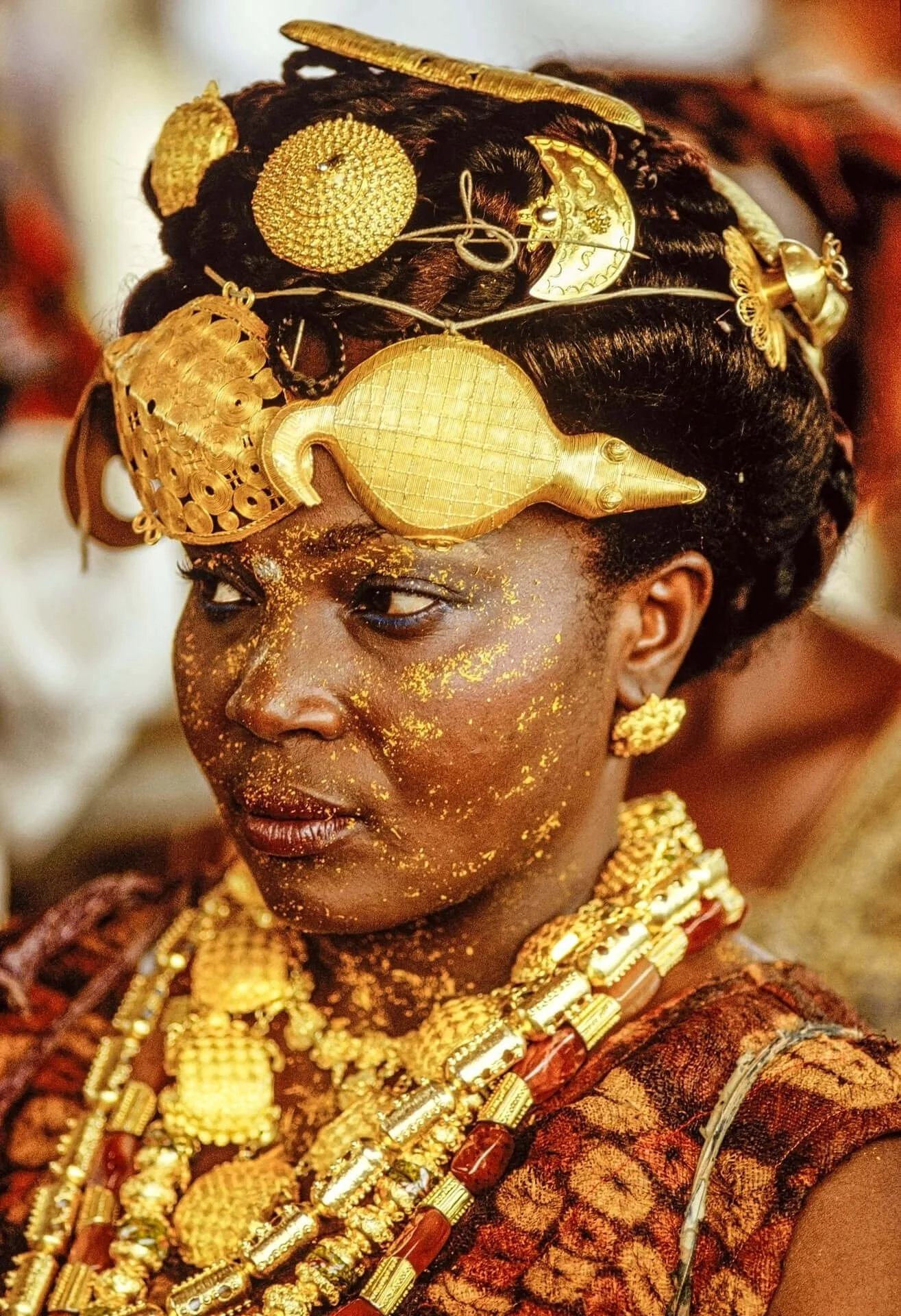
Adioukrou Queen Mother attending the Silver Jubilee, Ivory Coast. This image depicts an Adioukrou Queen Mother adorned in elaborate gold regalia during the Silver Jubilee. Unknown photographer. (n.d.). Adioukrou Queen Mother attending the Silver Jubilee, Ivory Coast [Photograph]. Africa Online Museum. https://africaonlinemuseum.org/map/ghana/ashanti-kingdom/photos/
![Ashanti Royal Dancer, Ghana. This image depicts a young Ashanti royal dancer adorned with gold regalia from the royal treasury, worn during important state ceremonies. Unknown photographer. (n.d.). Ashanti royal dancer, Ghana [Photograph]. Africa Onl](https://images.squarespace-cdn.com/content/v1/65b41067c4042363cf11625f/27393c20-98cc-49c2-992c-07a250110611/ASH10.jpg)
Ashanti Royal Dancer, Ghana. This image depicts a young Ashanti royal dancer adorned with gold regalia from the royal treasury, worn during important state ceremonies. Unknown photographer. (n.d.). Ashanti royal dancer, Ghana [Photograph]. Africa Online Museum. https://africaonlinemuseum.org/map/ghana/ashanti-kingdom/photos/
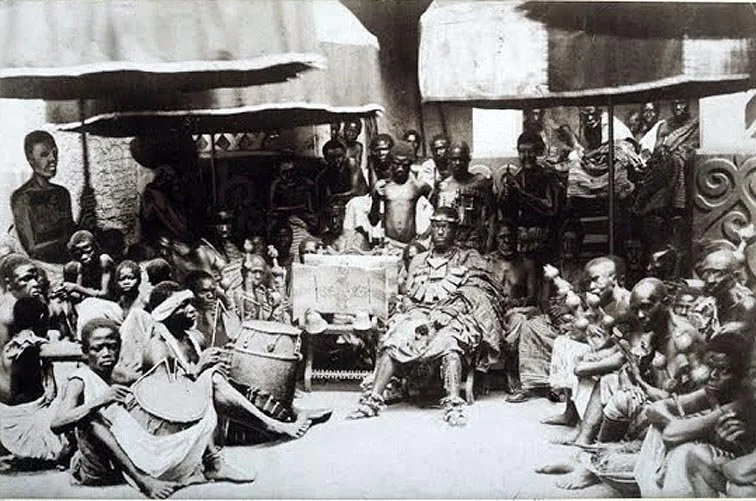
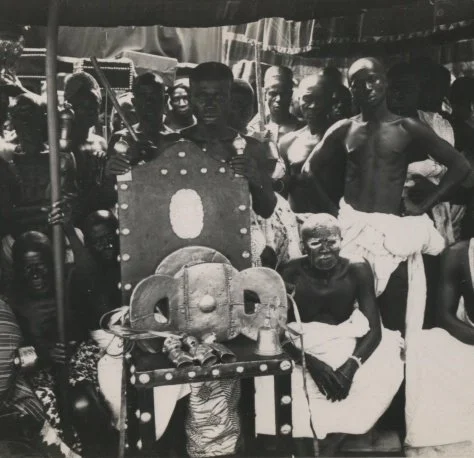
“King Kwaku Dua & Golden Stool in Kumasi with attendants” (c. 1880, attribution uncertain). This historical photograph is traditionally identified as depicting an Asantehene (Ashanti king), often attributed to King Kwaku Dua, seated among attendants in Kumasi. However, the attribution is contested: no ruler named Kwaku Dua was on the throne in 1880. The closest historical reference is Kwaku Dua II, whose reign in 1884 lasted only 40 days. Additionally, the stool shown—though described as the Golden Stool—is likely not Sikadwa Kofi, the sacred symbol of Ashanti sovereignty. Unknown photographer. (c. 1880). King Kwaku Dua & Golden Stool in Kumasi with attendants [Photograph]. Africa Online Museum. https://africaonlinemuseum.org/map/ghana/ashanti-kingdom/photos/
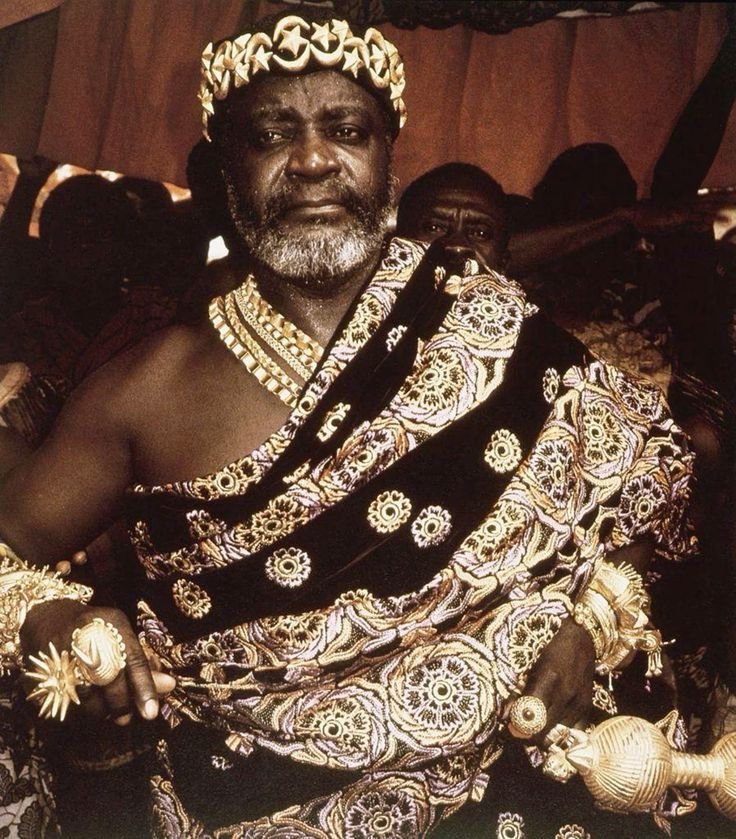
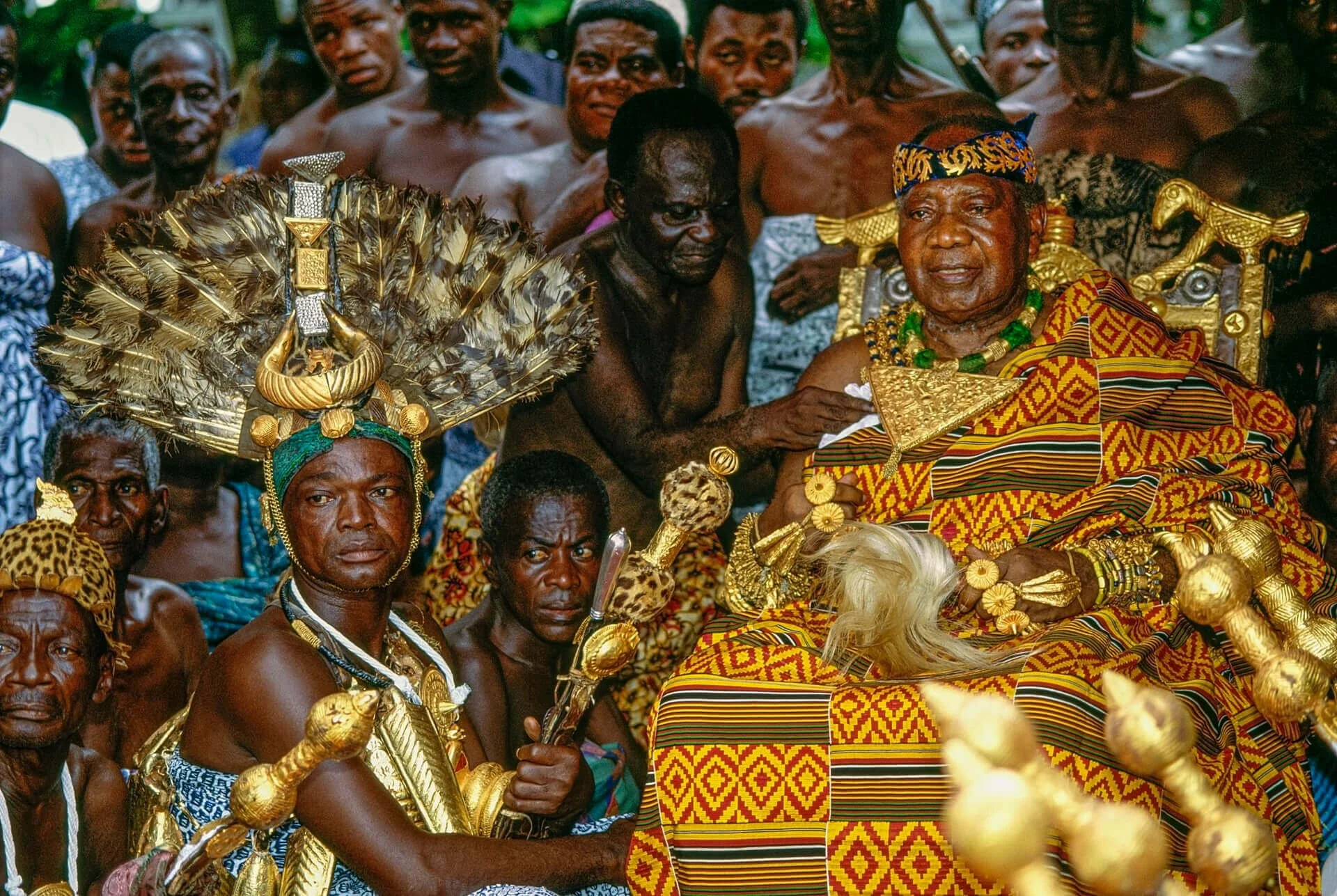
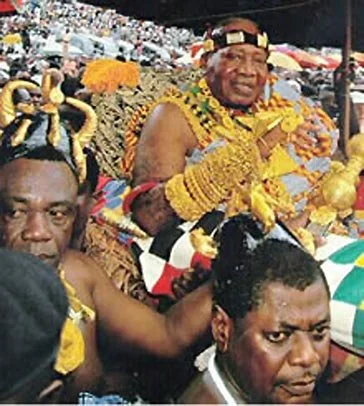
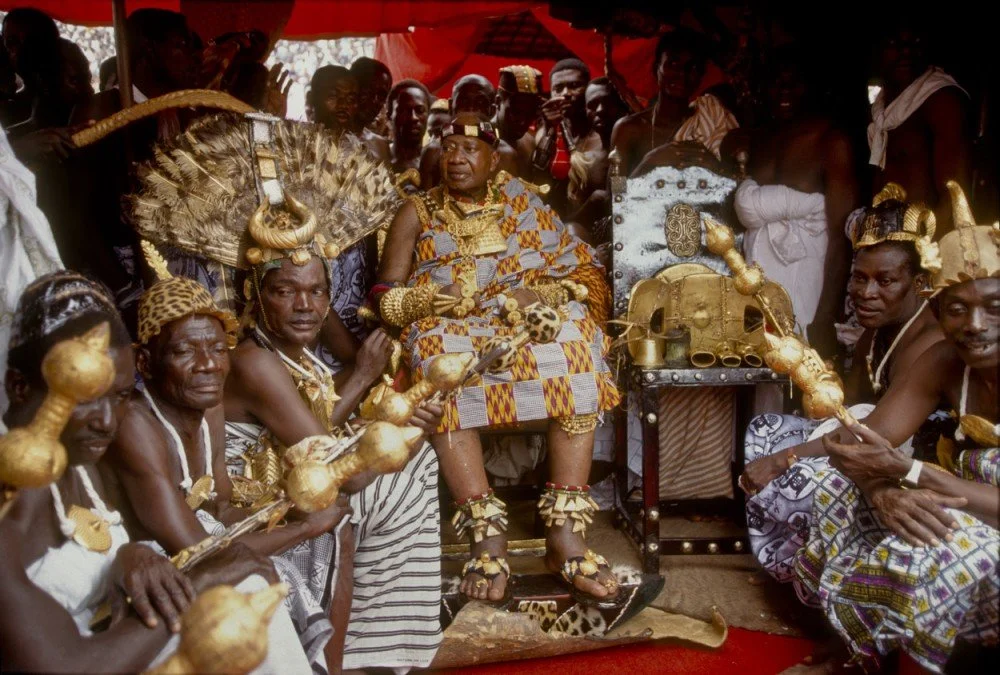
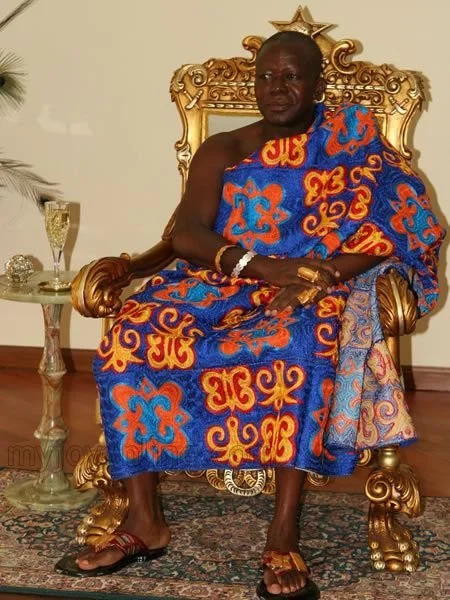
Asantehene with Chief Sword Bearer, Ghana. Seated in state during the Jubilee, the Asantehene is adorned in richly woven Kente cloth—“the cloth that befits kings”—a textile that signifies prestige and encodes cultural knowledge through motifs tied to proverbs of leadership and social order. At his side stands the Chief Sword Bearer, a ceremonial guardian tasked with absorbing any evil intent directed toward the monarch. He carries the Mponponsuo, a legendary sword used in acts of allegiance, and wears an eagle-feather headdress crowned with gilt ram’s horns, symbolizing vigilance, strength, and spiritual protection. Unknown photographer. (n.d.). Asantehene with Chief Sword Bearer, Ghana [Photograph]. Africa Online Museum. https://africaonlinemuseum.org/map/ghana/ashanti-kingdom/photos/
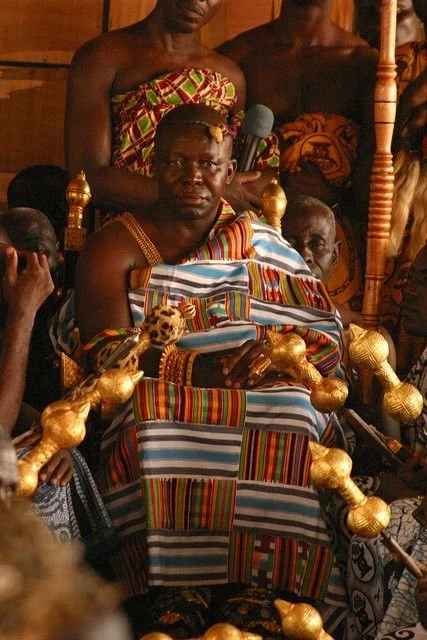
The ENTIRE Story of the Ashanti Empire - Full Detailed Documentary
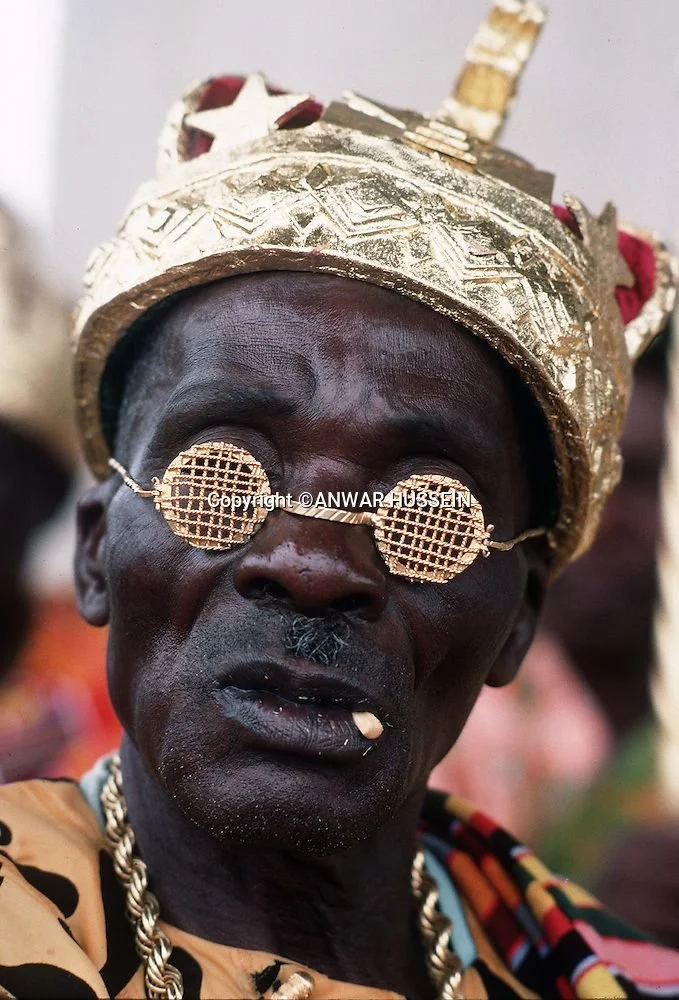
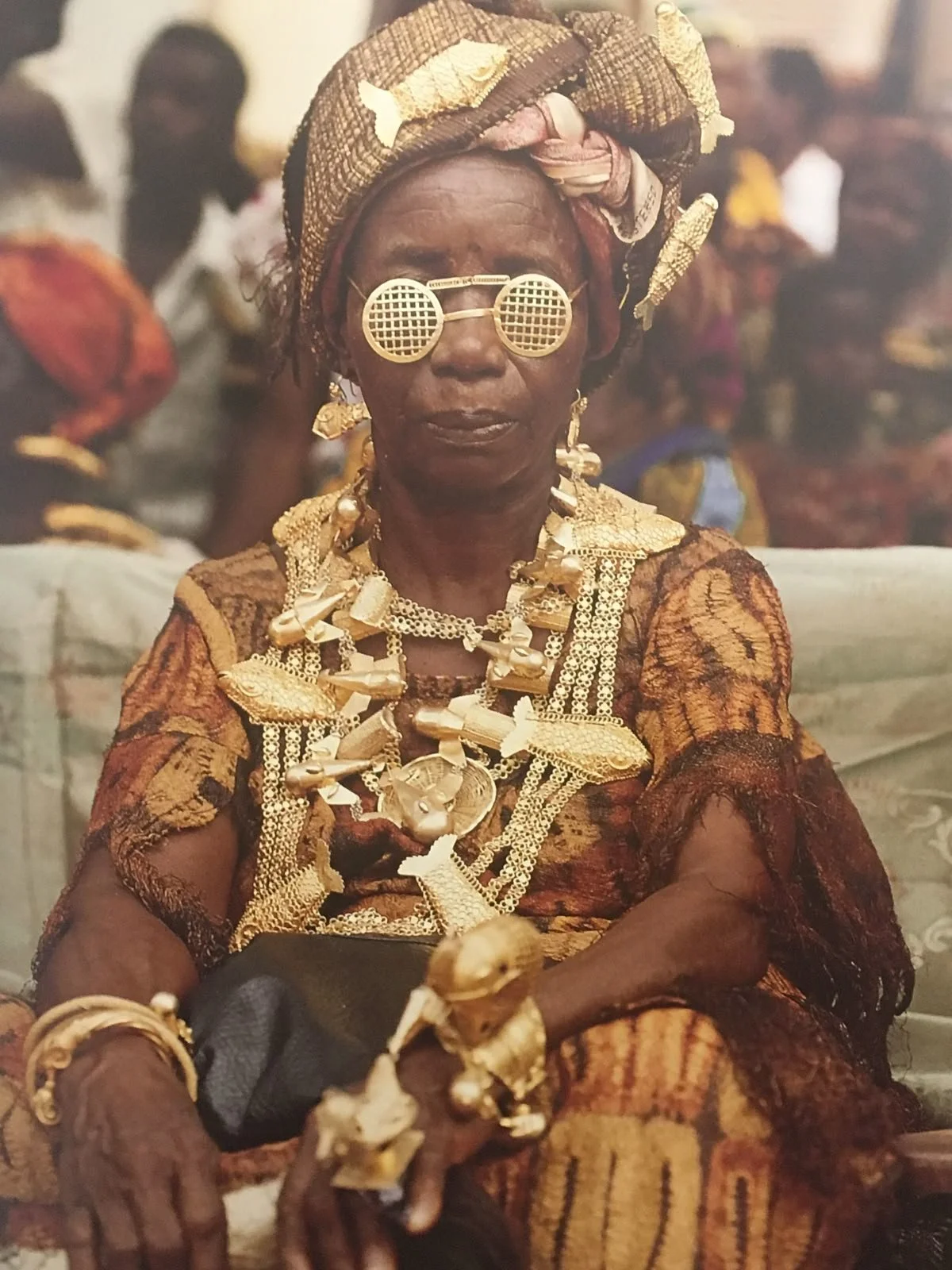
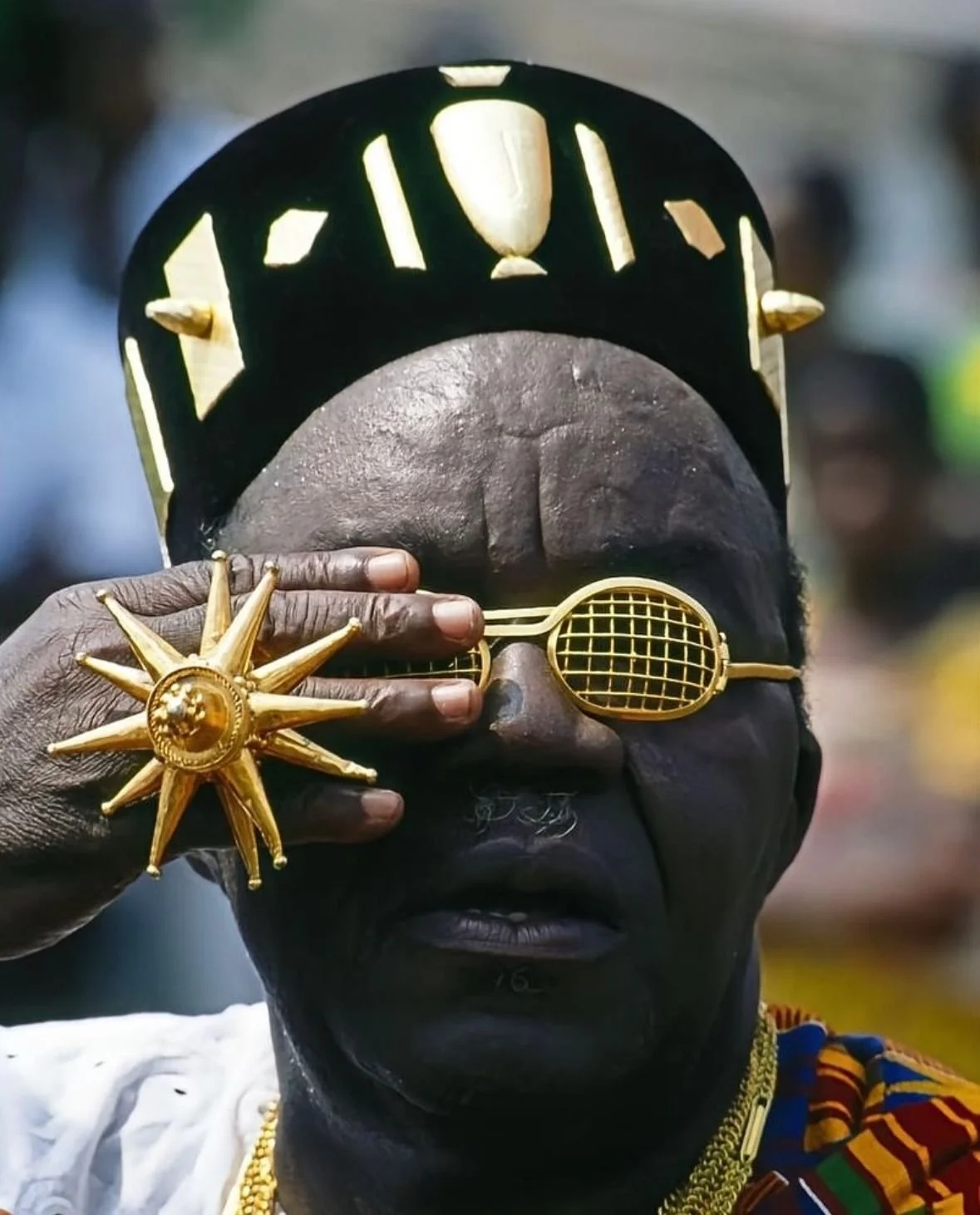
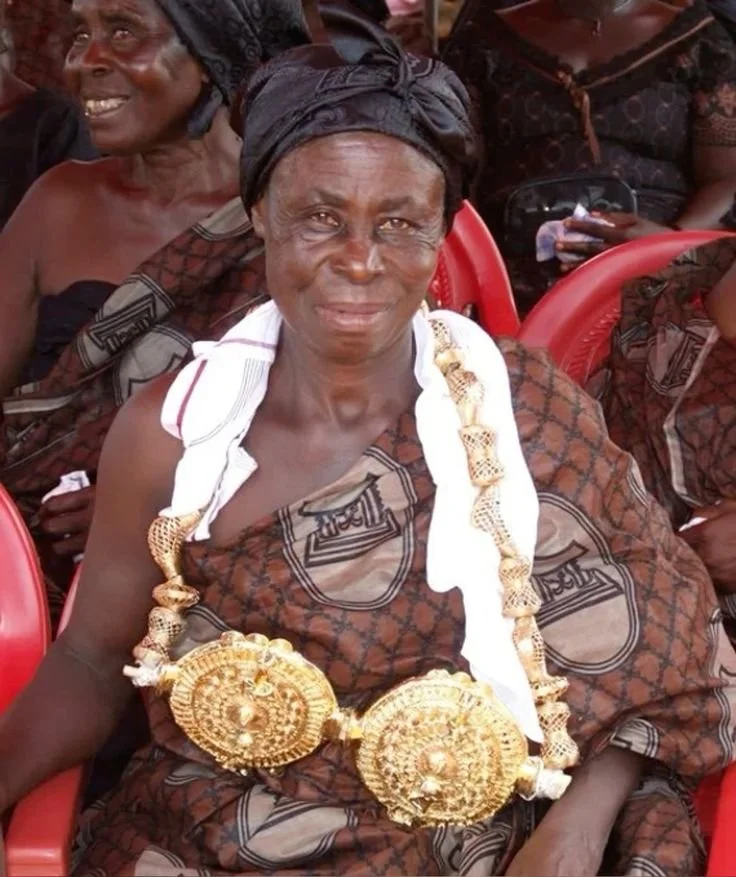
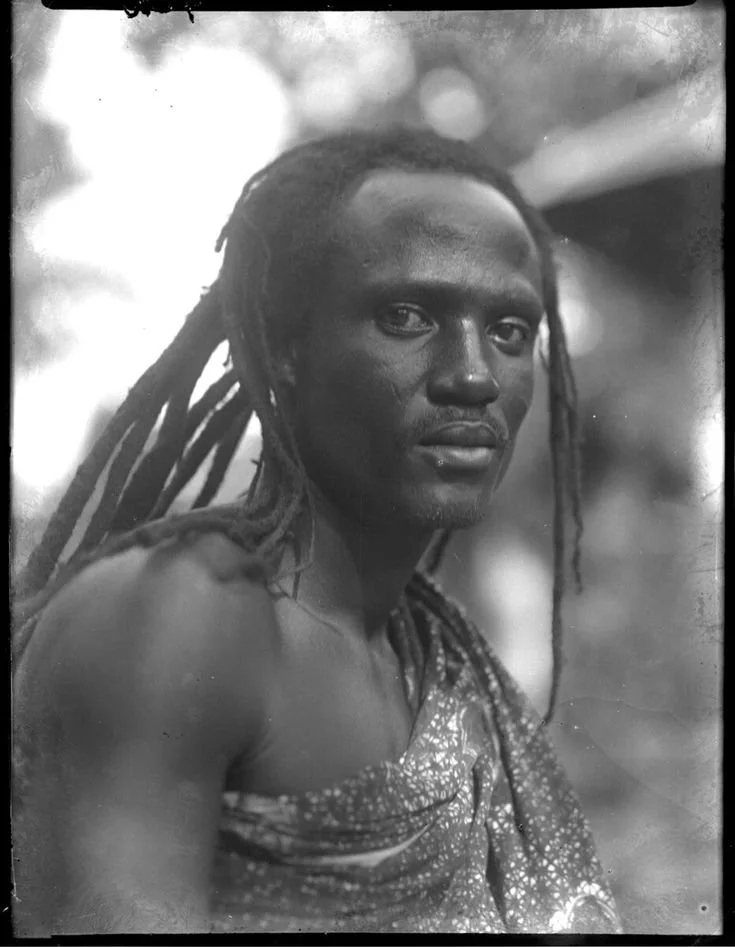
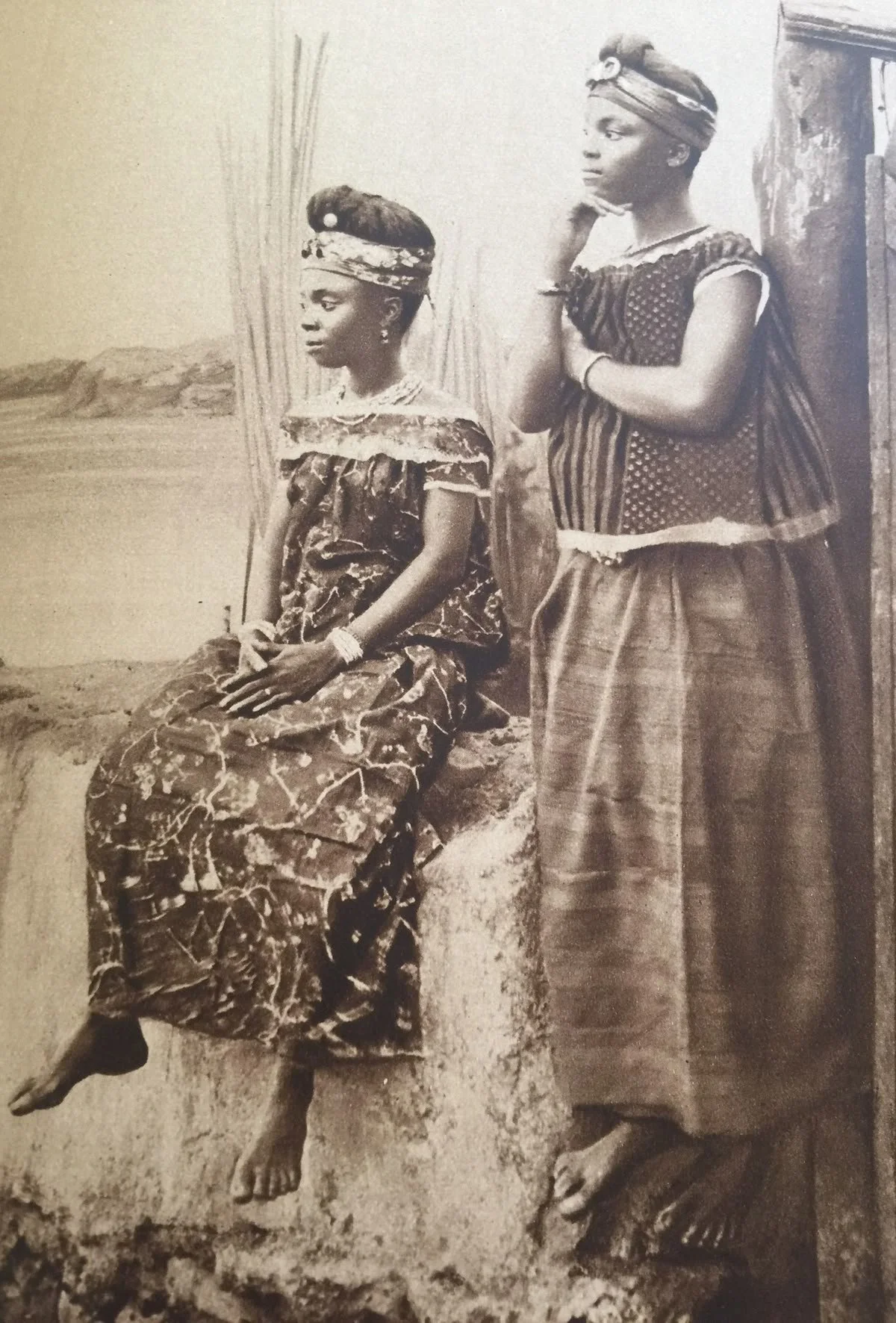
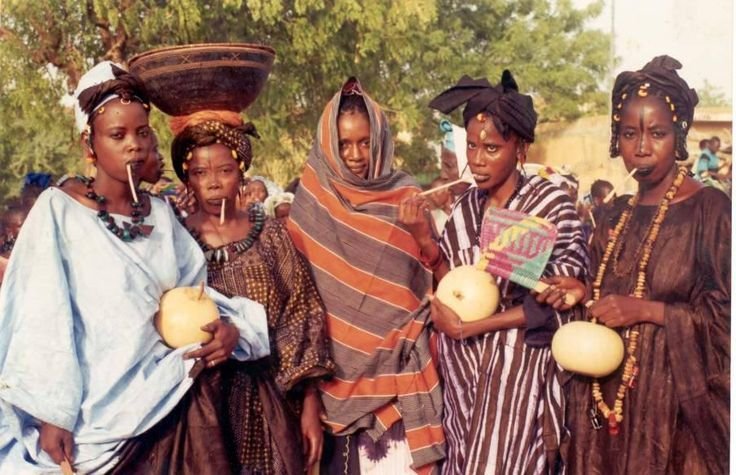
The Soninke People
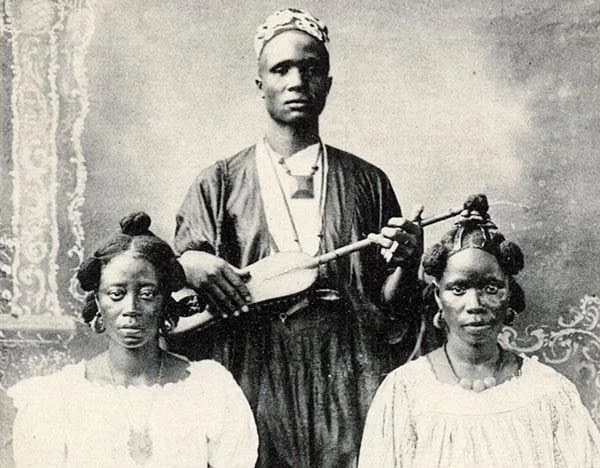
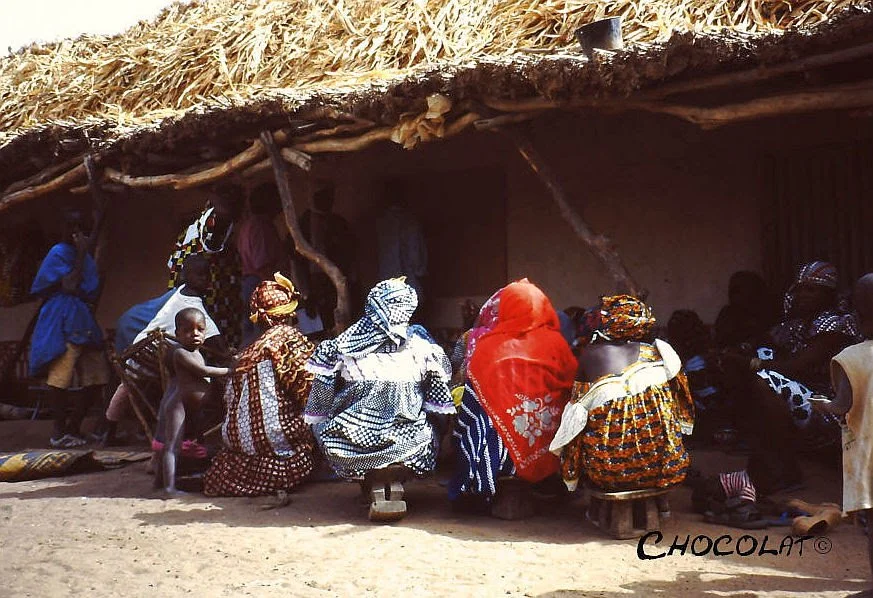
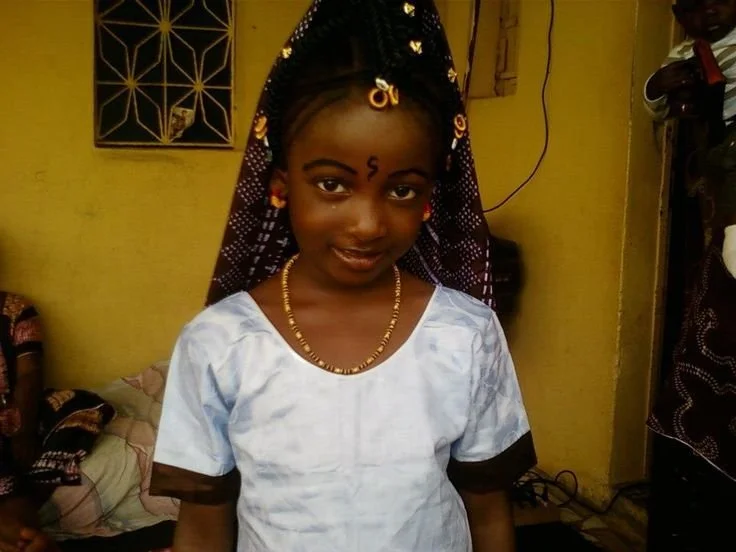

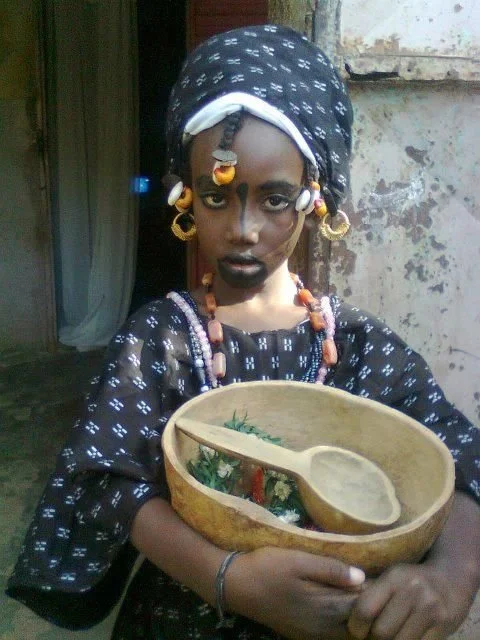
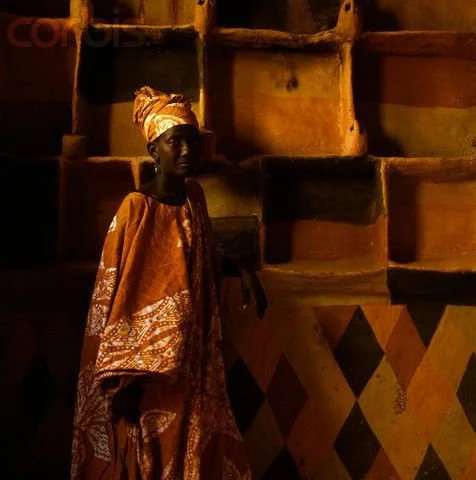
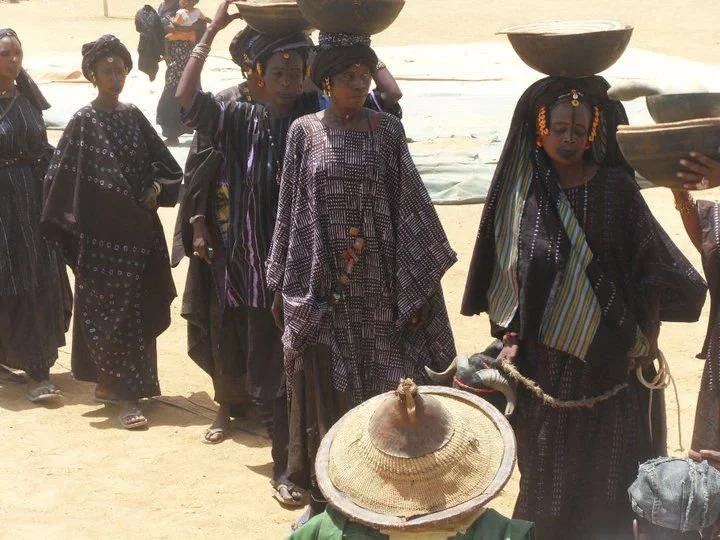
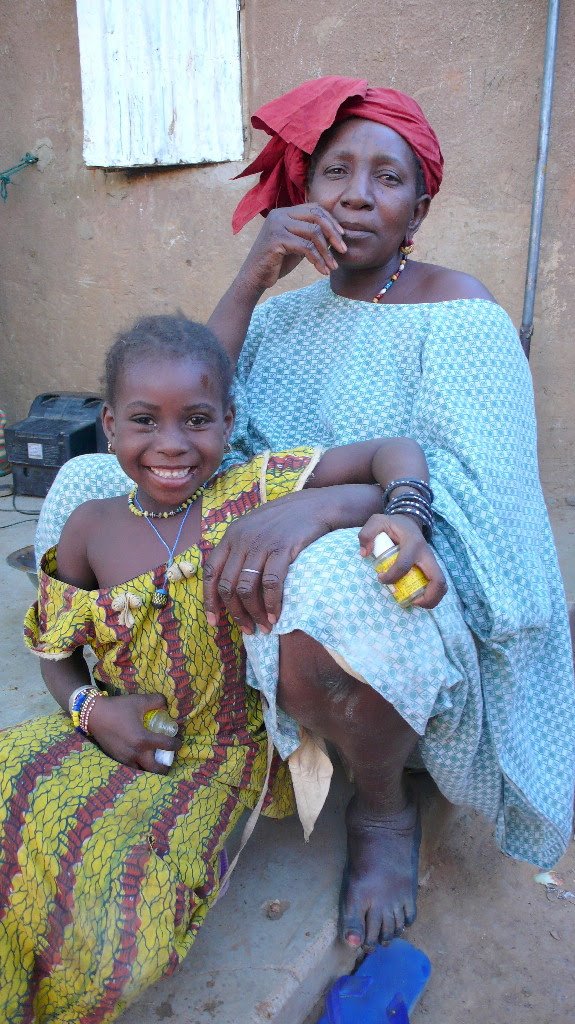
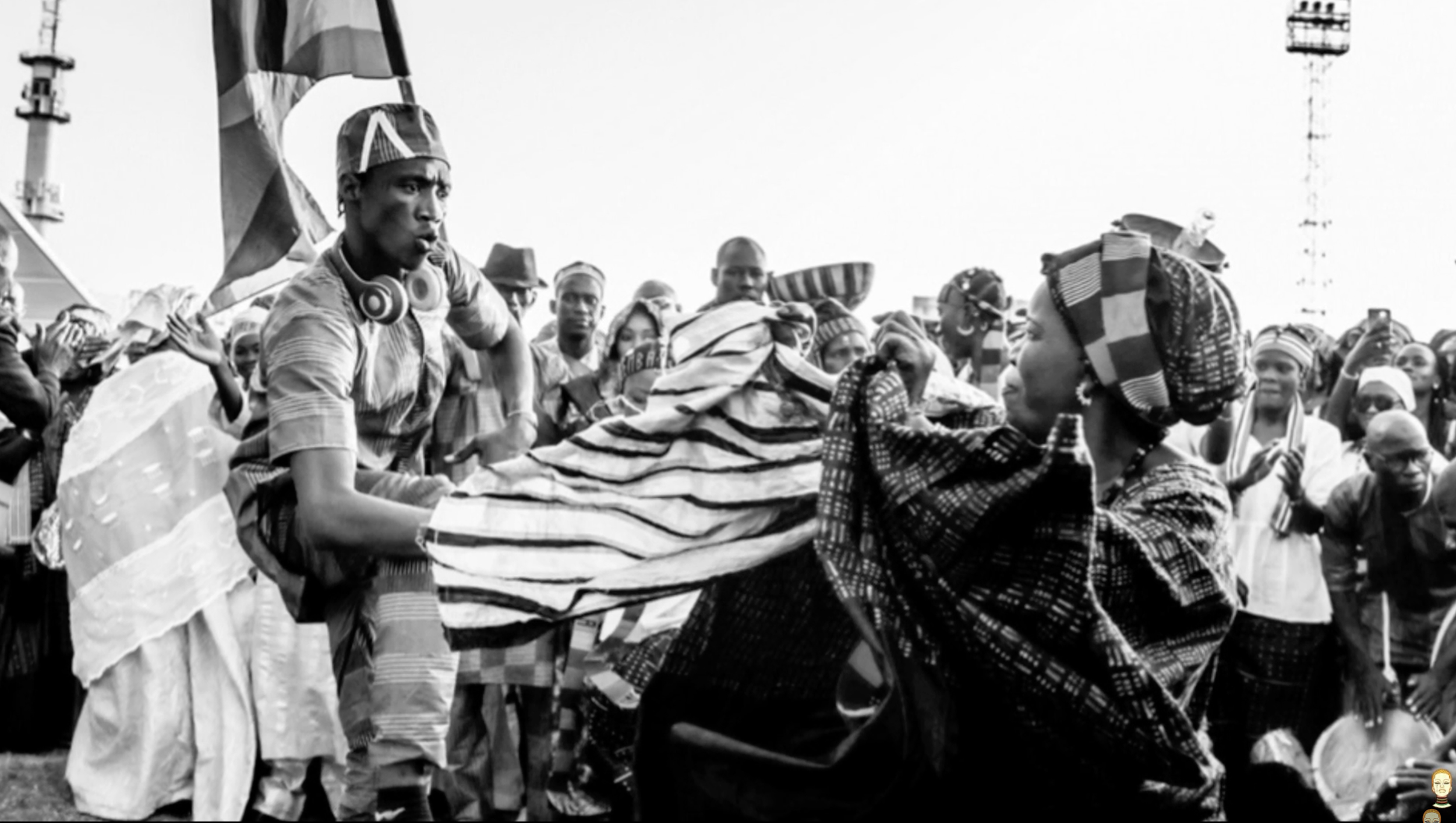
A History Of The Soninke People
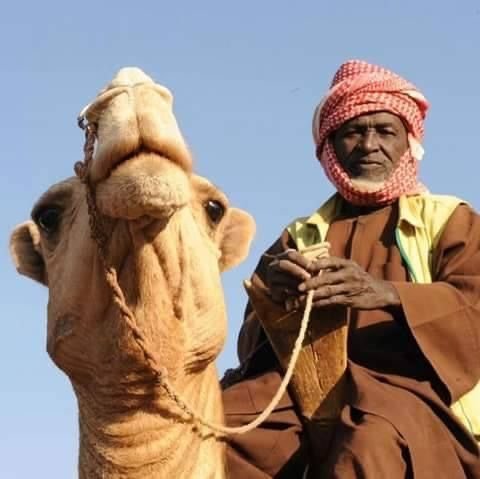
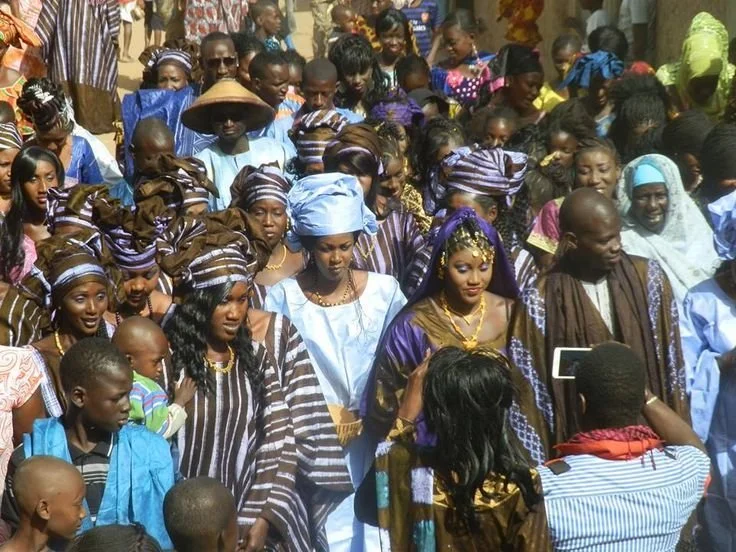
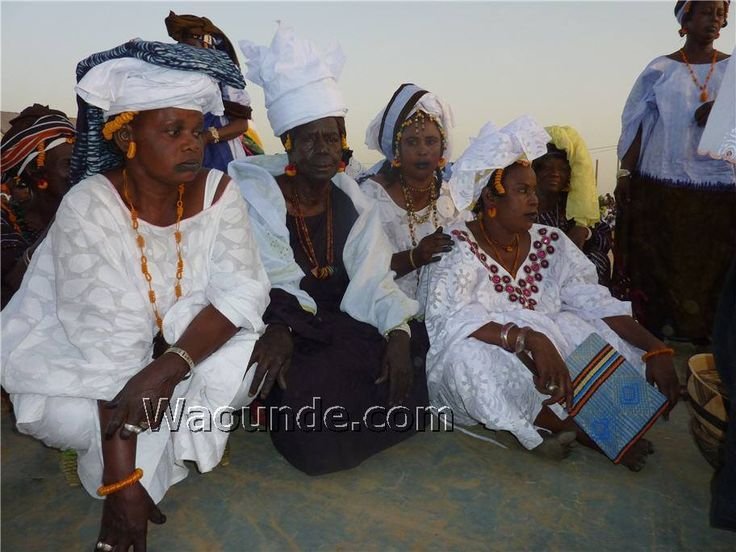
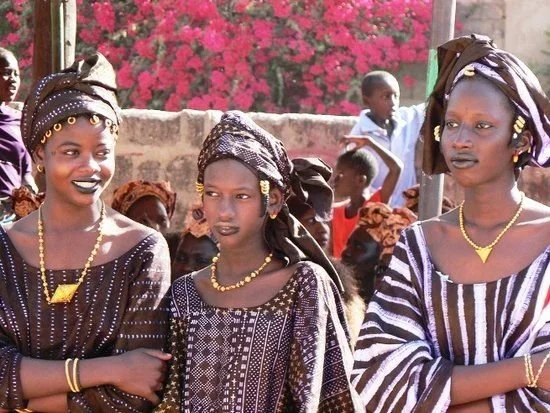
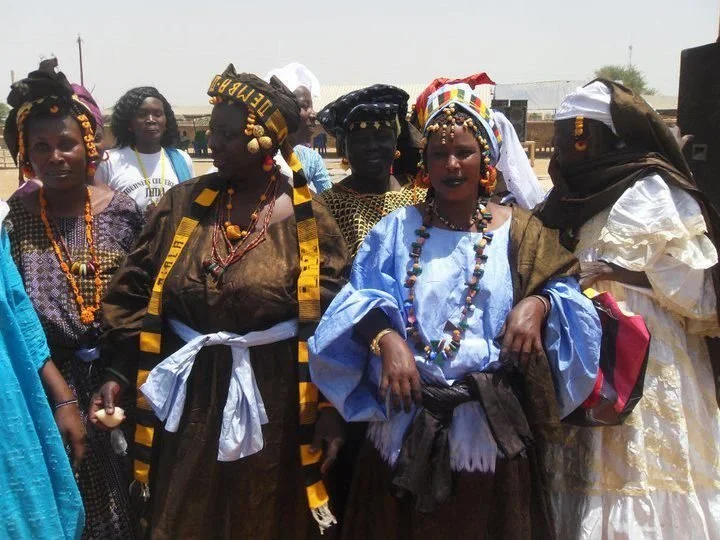
The Mandinka People
Kaabu: Histoire
The Wangara People
THE ROLE OF THE MANDE-DYULA IN THE CONDUCT OF TRADE IN WEST AFRICA
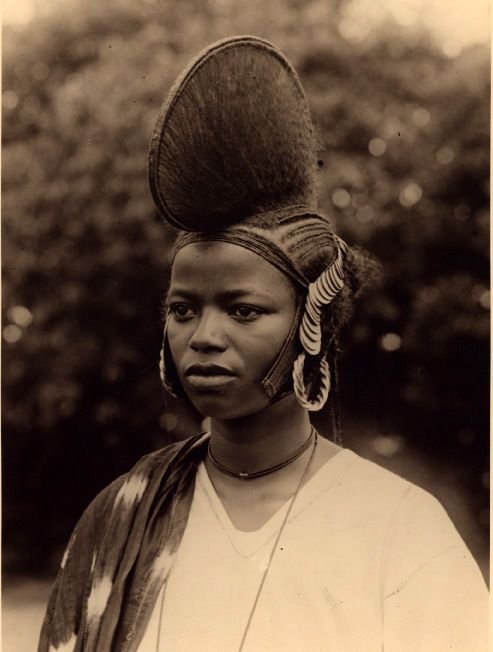
The Fulani People
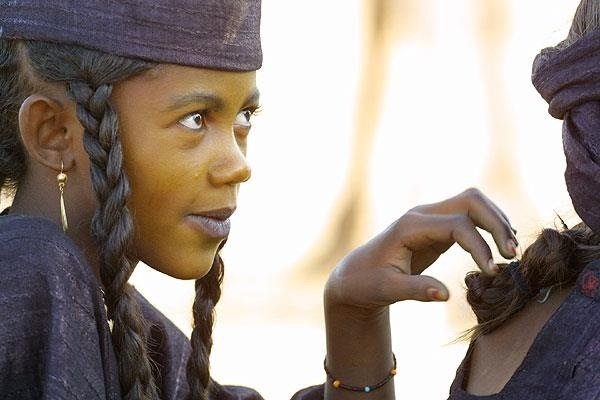
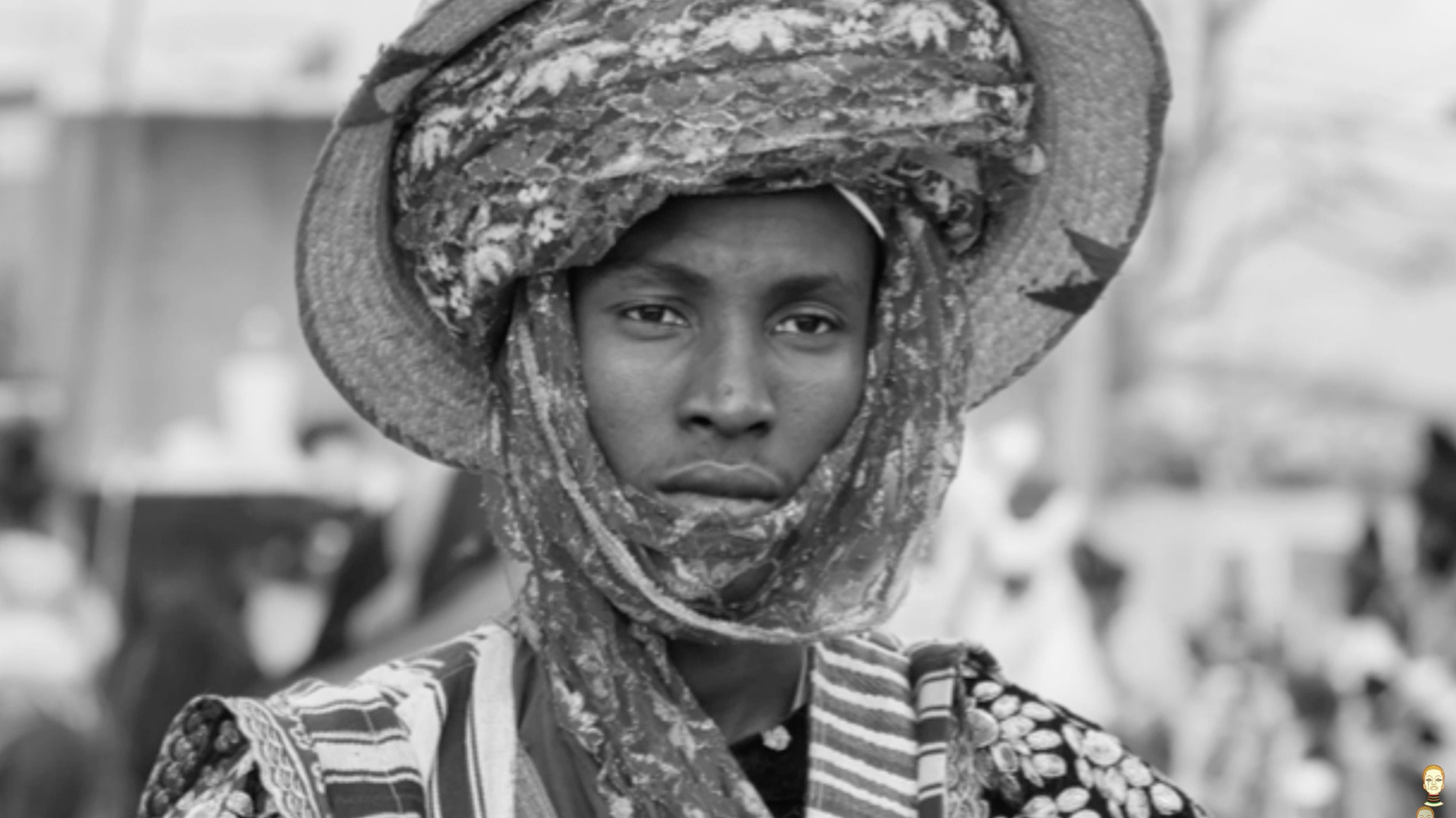
The Great Fulani Empire
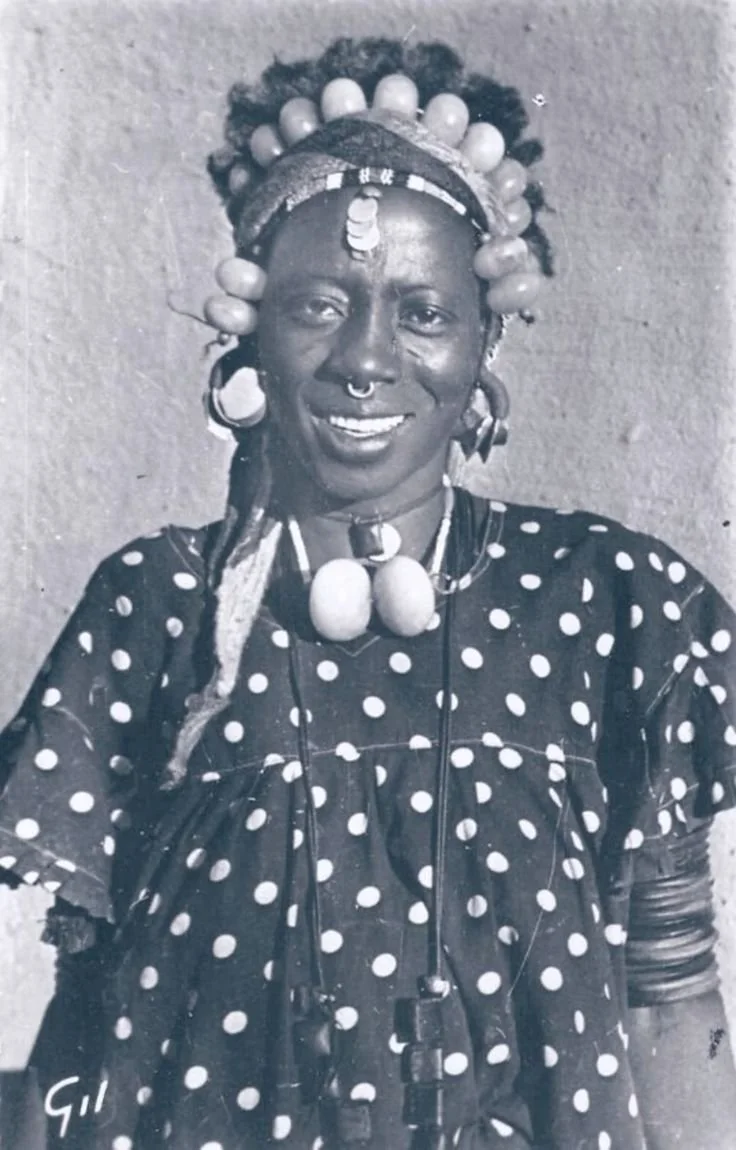
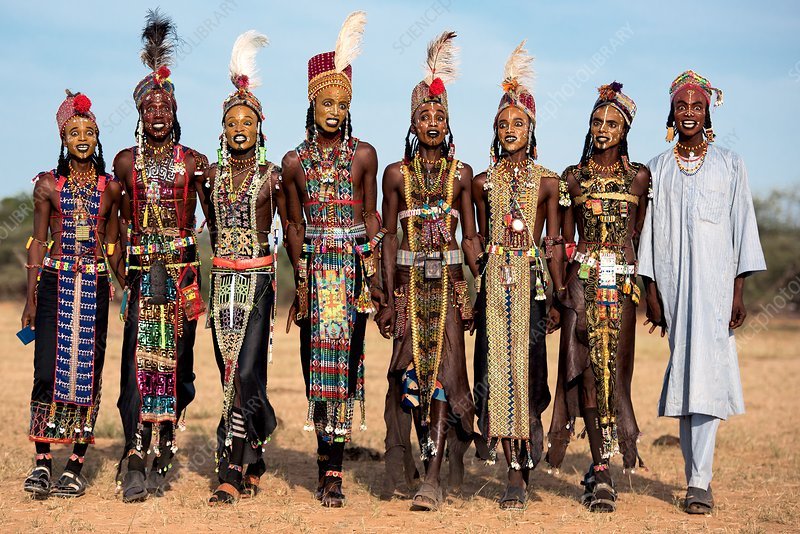
UNVEILING THE MYSTERIOUS WORLD OF THE FULANI PEOPLE: CULTURE, TRADITIONS, AND HERITAGE @NBO_ben
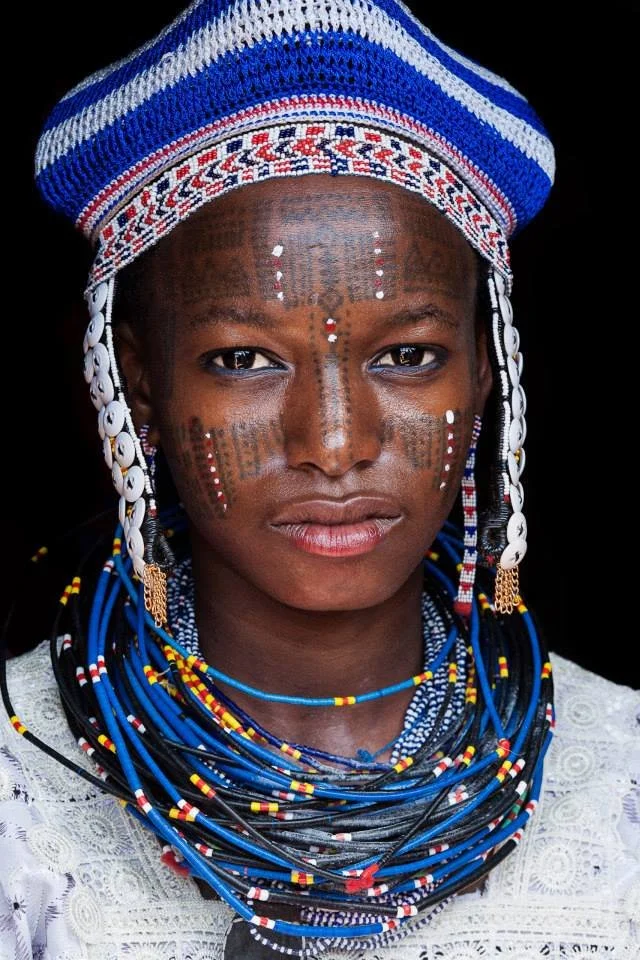
The Empire of the Great Fulo - Fulani History Episode 1
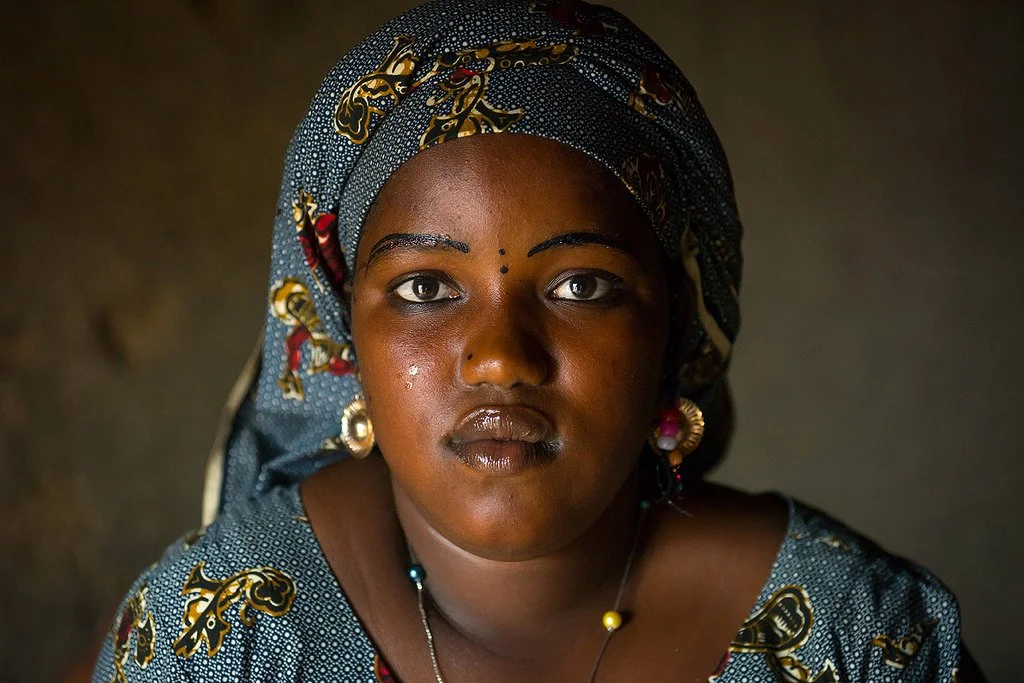
Who Are the Fulani? Inside the Life of the Fulani: Africa’s Nomadic Masters of the Sahel
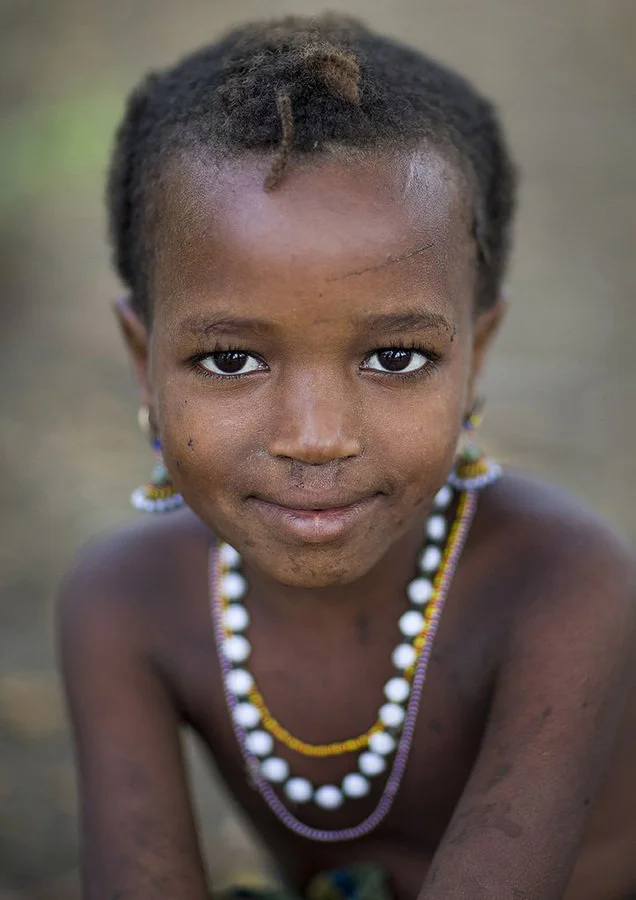
The Fulani/Fulbe People - The Most Mysterious Tribe in Africa
AFRICAN MUSIC SOGHA FULBE
Journey to the origins (Full Documentary)
The Fulani Cultural Exploration: Threads of tradition and heritage | My Gambia