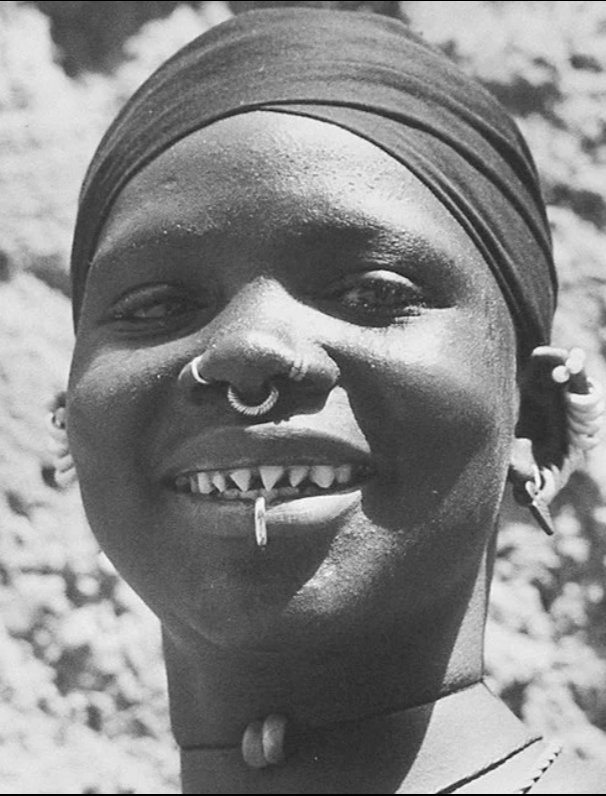
The Dogon People
Origins / Location : The Mande region, southwest of the Bandiagara Escarpment (near Bamako)
Names : Divided into 4 tribes including: the Dyon, Arou, Ono and Domno
Languages : Toro So, Sigui So, dyamsay and tombo
Religion : Esoteric-focused system centered on the worship of Amma, the Creator God. Key figures like Nommo, the water Spirits
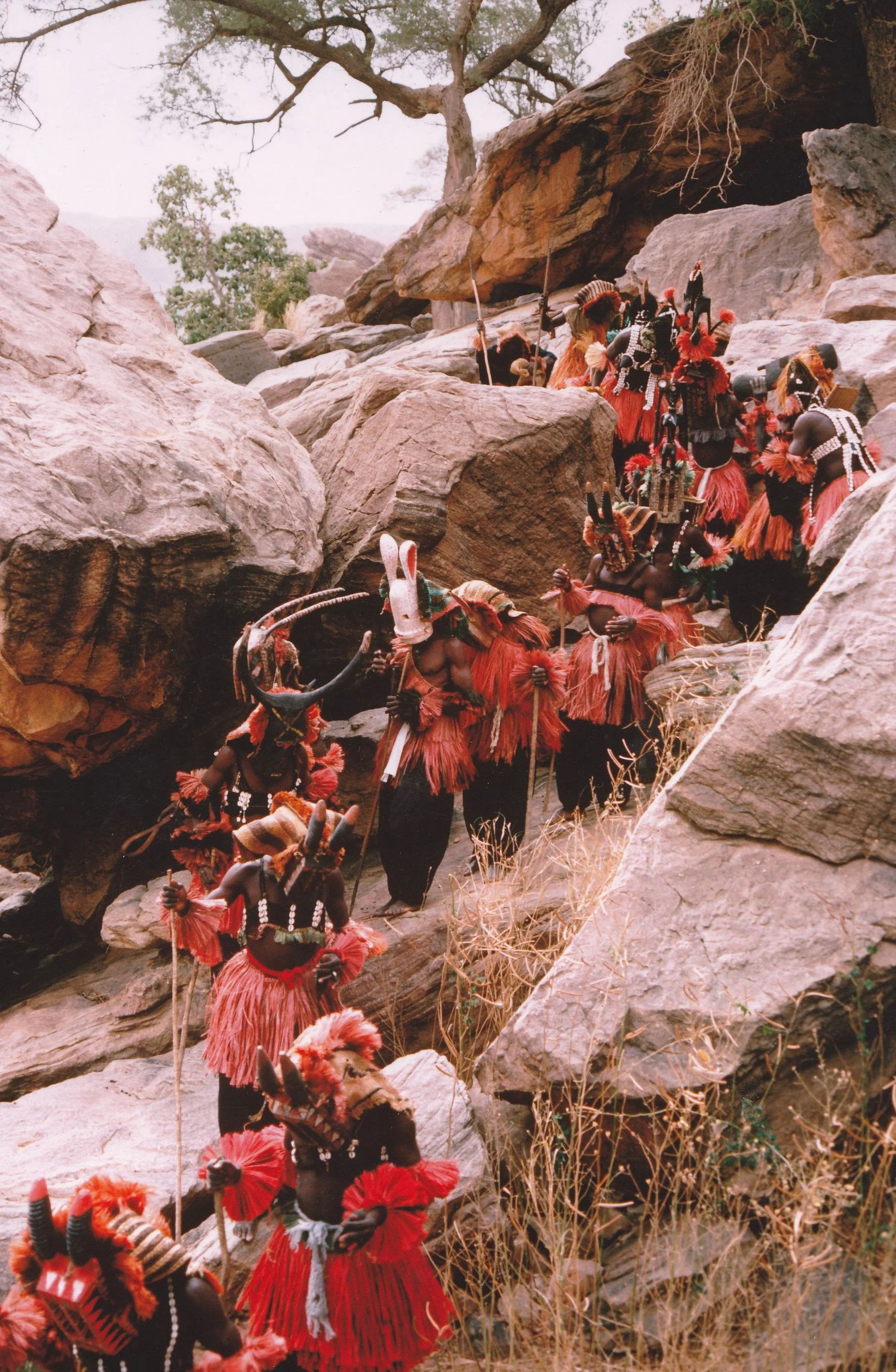
Dancers in Bandiagara, descending in single file to perform the Dama ceremony. Photographed by RAS News & Events.
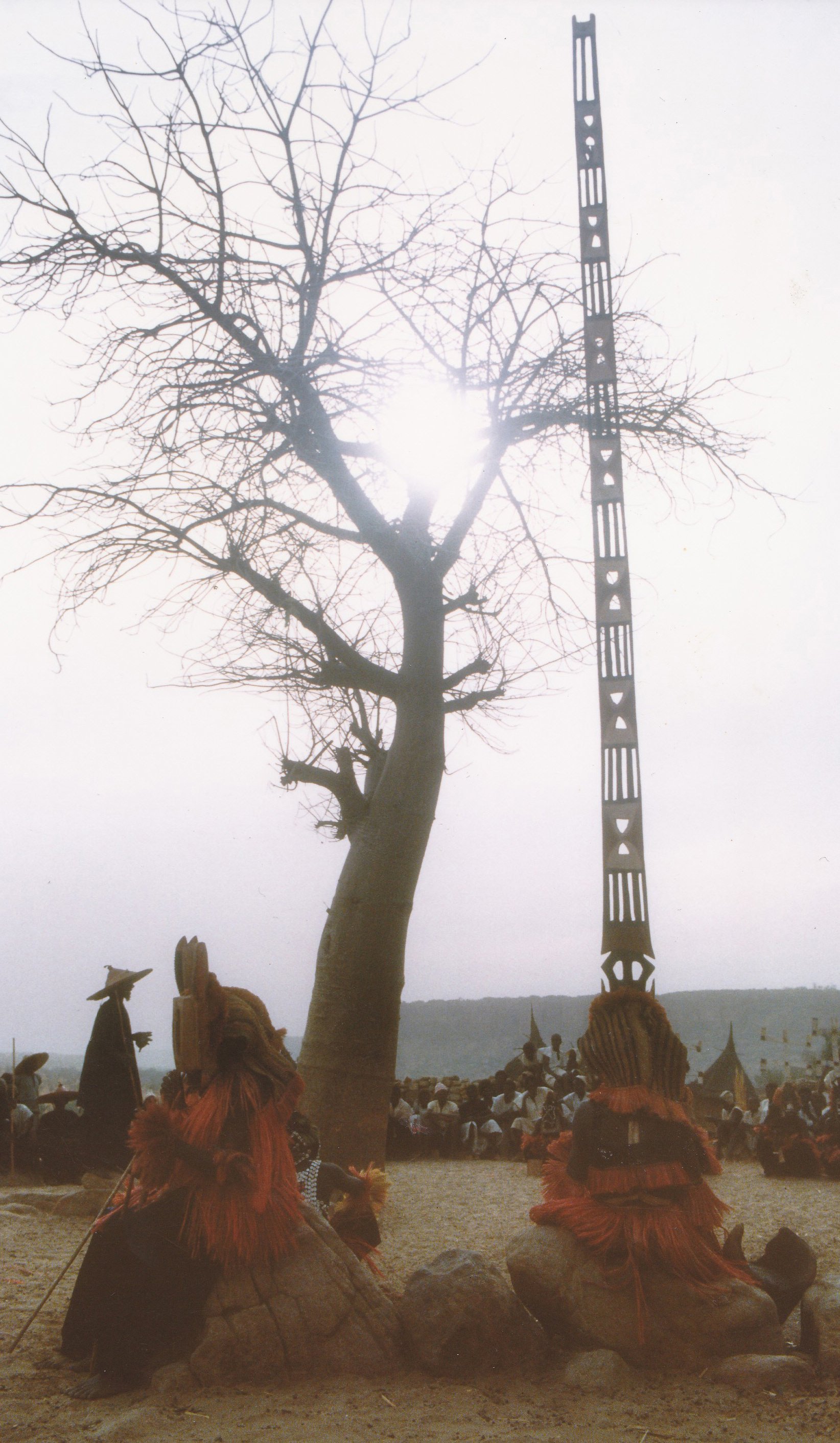
Dancers at the Dama ceremony, photographed by RAS News & Events.
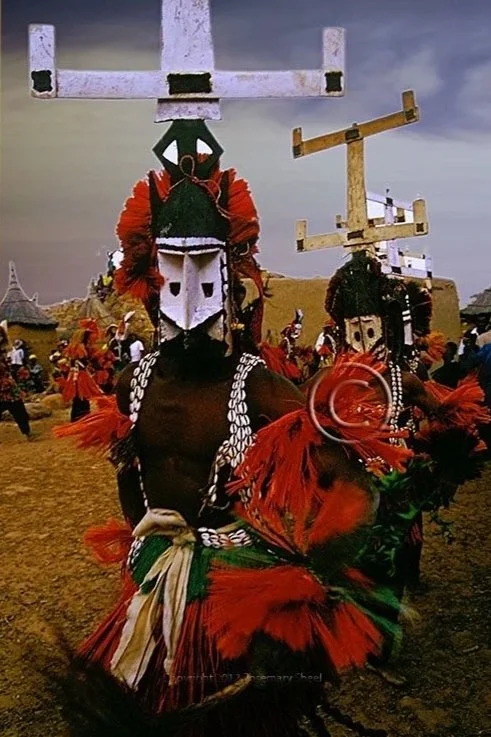
Dogon dancers performing a traditional masked ceremony. Photographed by Rosemary Sheel.
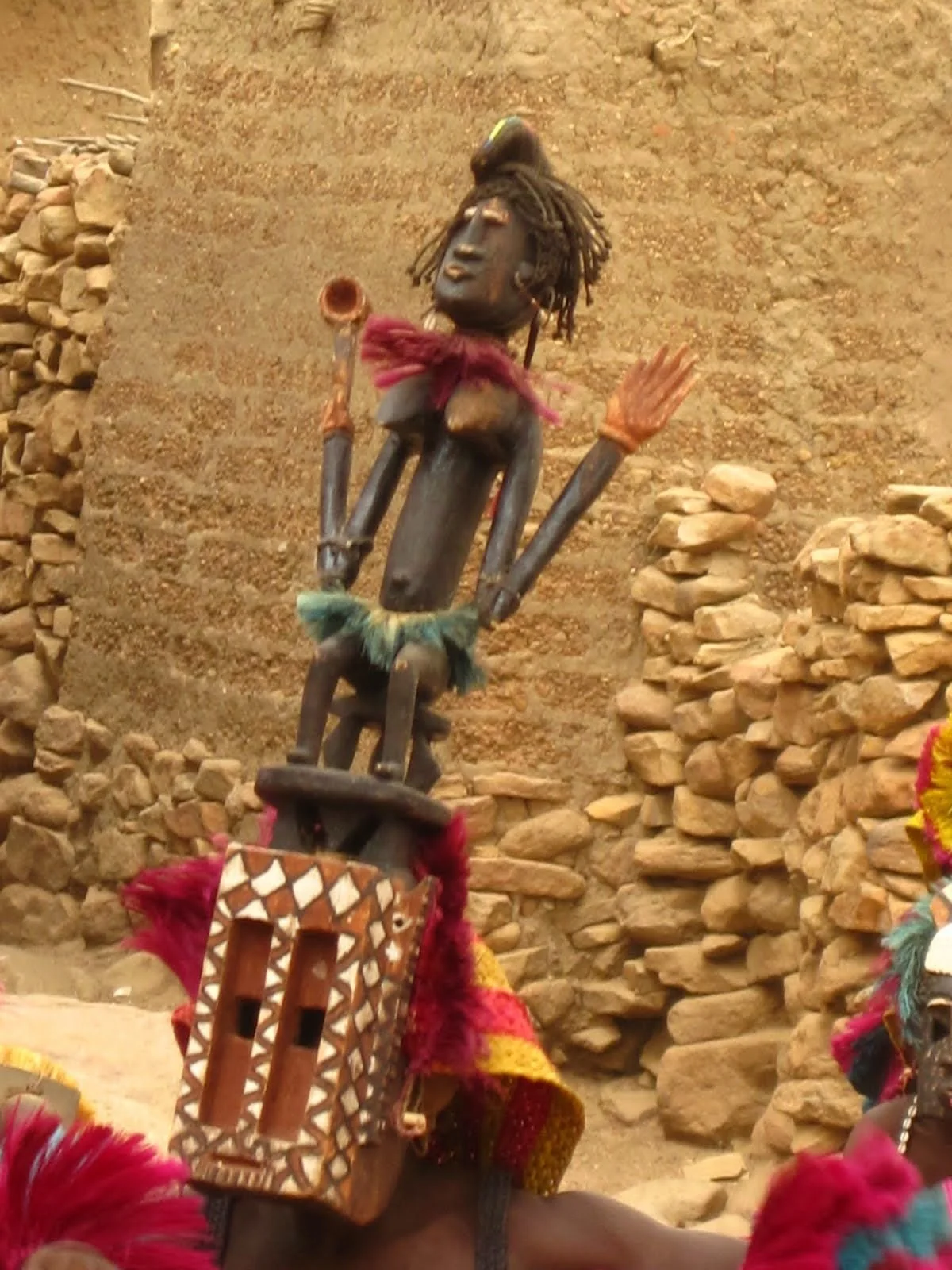
Dogon Satimbe mask.
Observe the Dogon dancers of Mali performing wearing Kanaga masks
Kanaga masks worn by Dogon dancers of Mali. These masks are traditionally associated with funerary rites to honor deceased relatives and to guide their spirits to the realm of the ancestors.
TravelShots. (n.d.). Observe the Dogon dancers of Mali performing wearing Kanaga masks [Video]. In Encyclopædia Britannica. Encyclopædia Britannica. https://www.britannica.com/art/African-dance/images-videos#/media/1/721941/168939
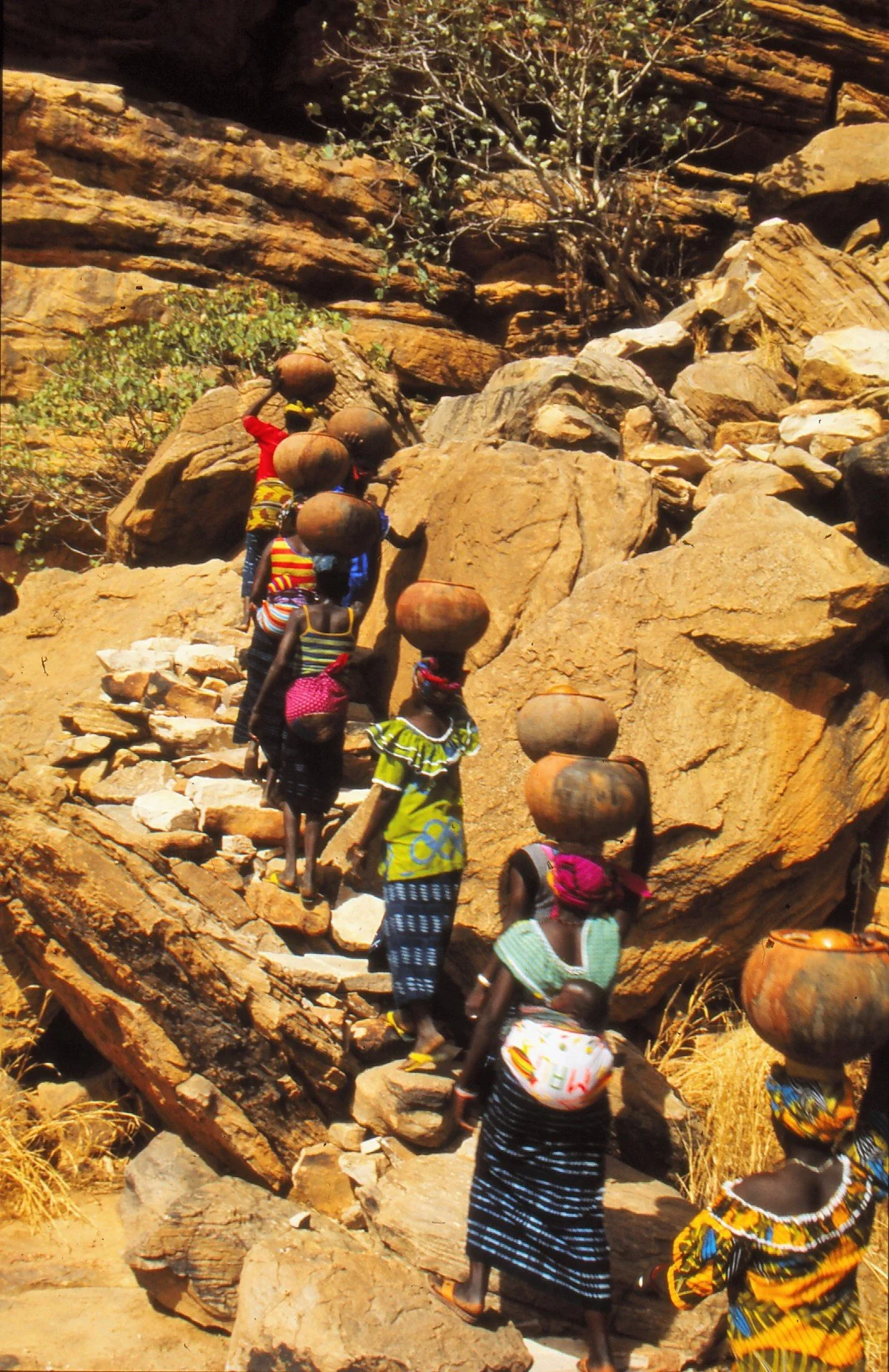
Dogon women carrying pots of beer to the market in Sangha, Tireli, Mali, 1990. "Dogon Daily Life," photographed by W.E.A. van Beek.
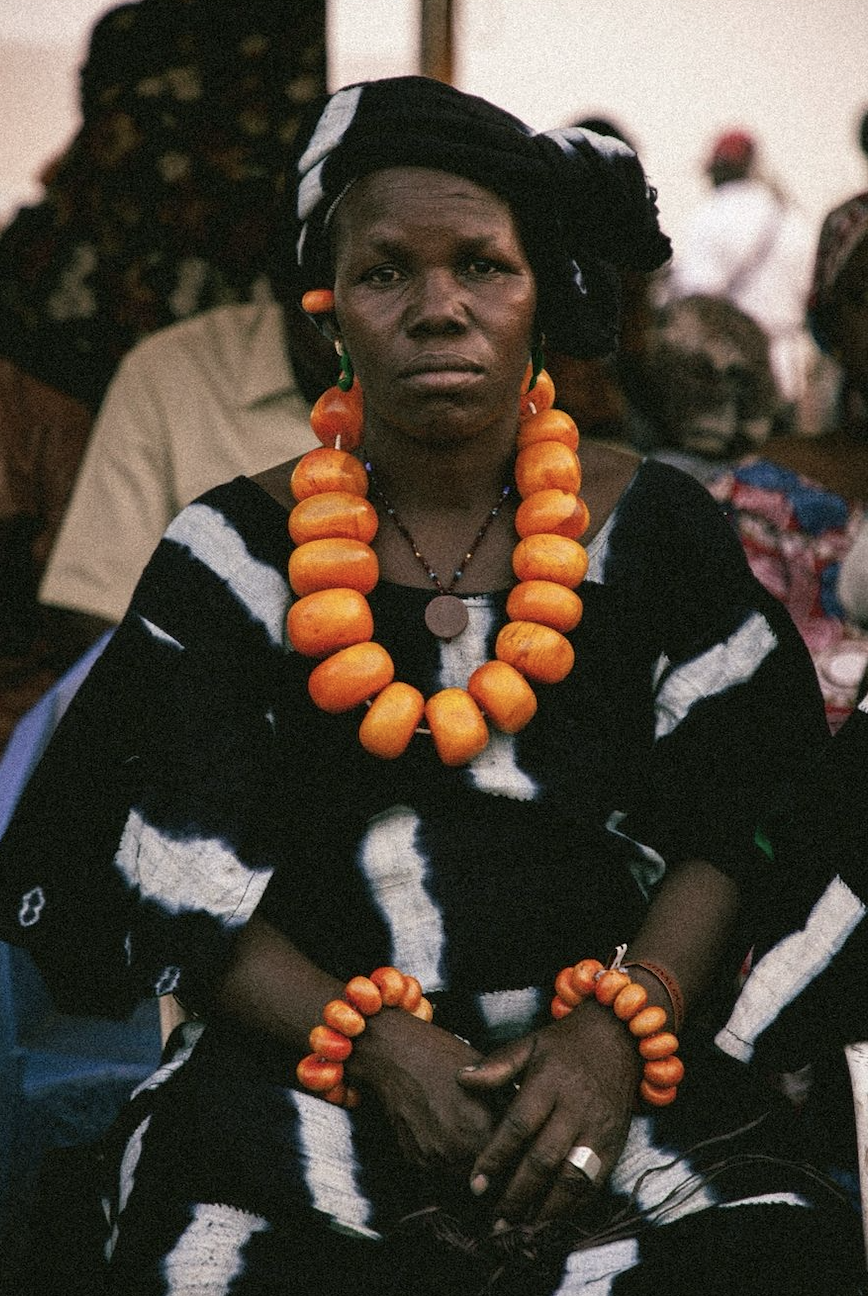
A Dogon woman wearing a patterned indigo cloth and large amber beaded jewelry.
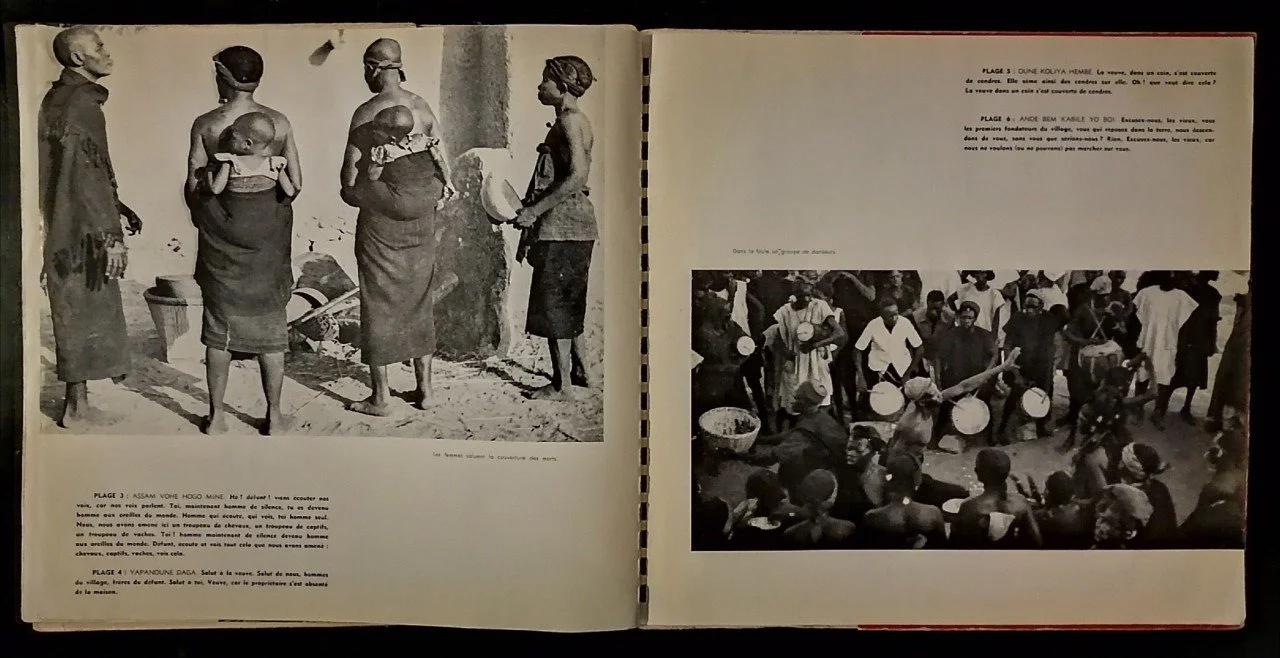
"The World of Albert Schweitzer", featuring photographs by Erica Anderson (1955)
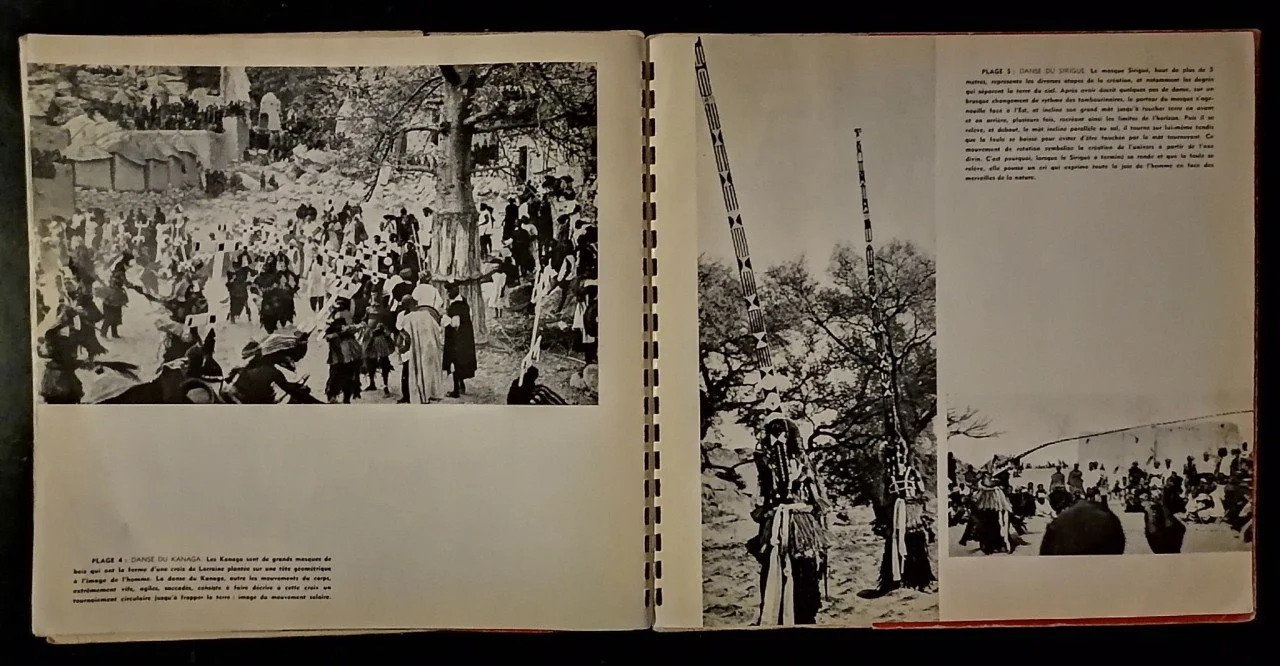
"The World of Albert Schweitzer", featuring photographs by Erica Anderson (1955)
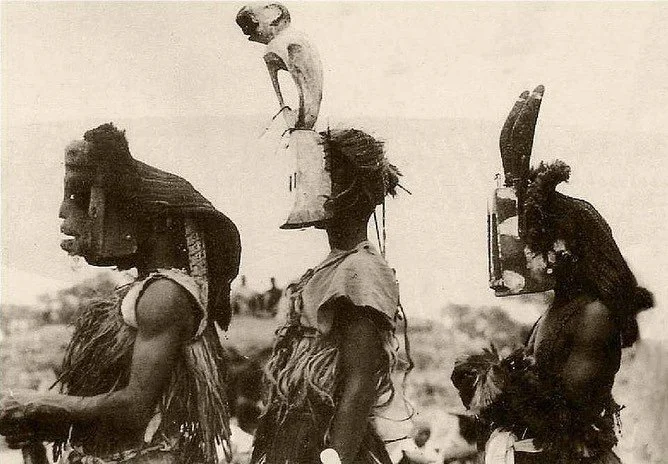
"Dogon, Dama masks, The Phantom Africa" Photographed by Michel Leiris in 1931.
Lecture on The Dogon Kemetic Masters of the Universe by Booker T. Coleman
Booker T. Coleman explores the Kemetic and Dogon origins of universal knowledge, arguing that the scientific and philosophical achievements of African ancestors serve as a vital foundation for liberating the minds and education of contemporary African people.
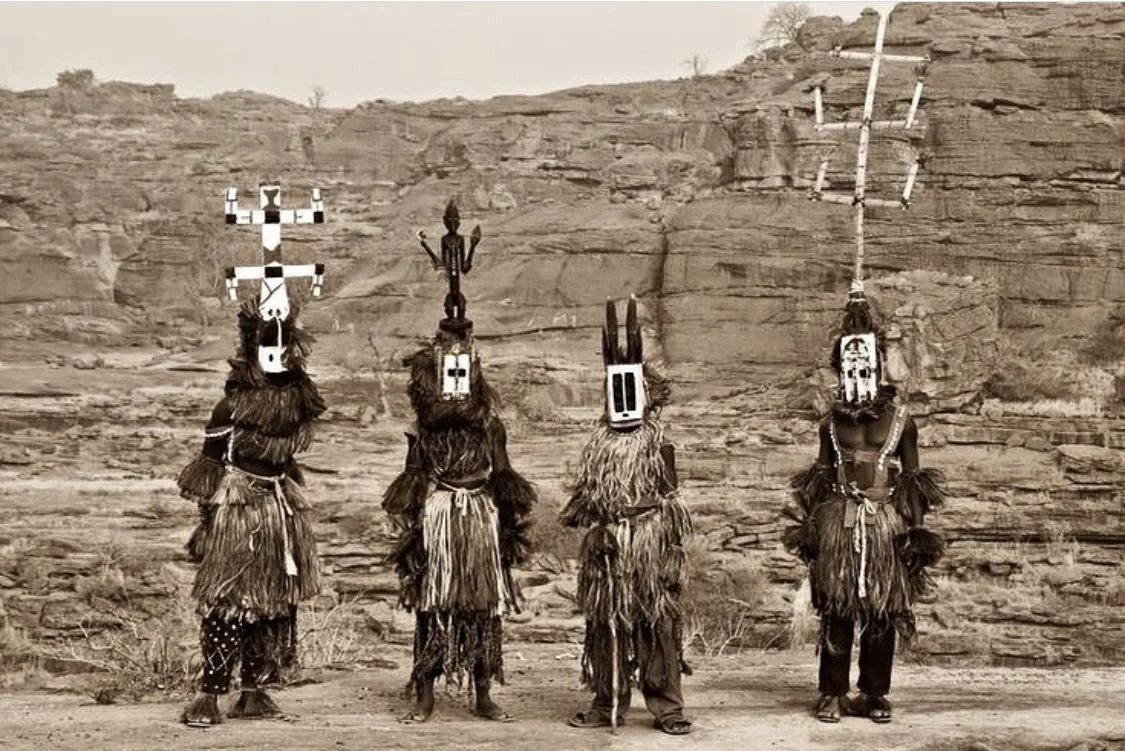
Dogon dancers wearing traditional Kanaga masks during a Dama funerary ritual in Mali, West Africa.
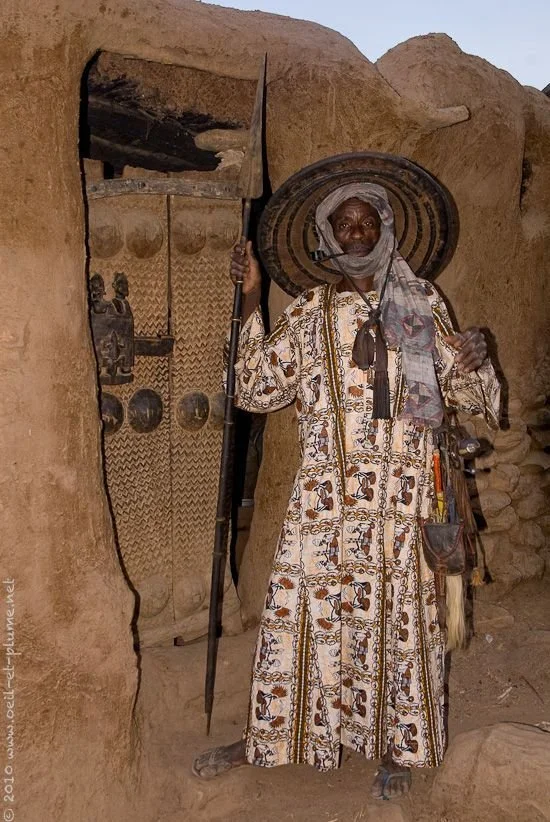
A Dogon man in a patterned robe and wide woven hat stands in the doorway of a mud-brick dwelling, holding a spear.
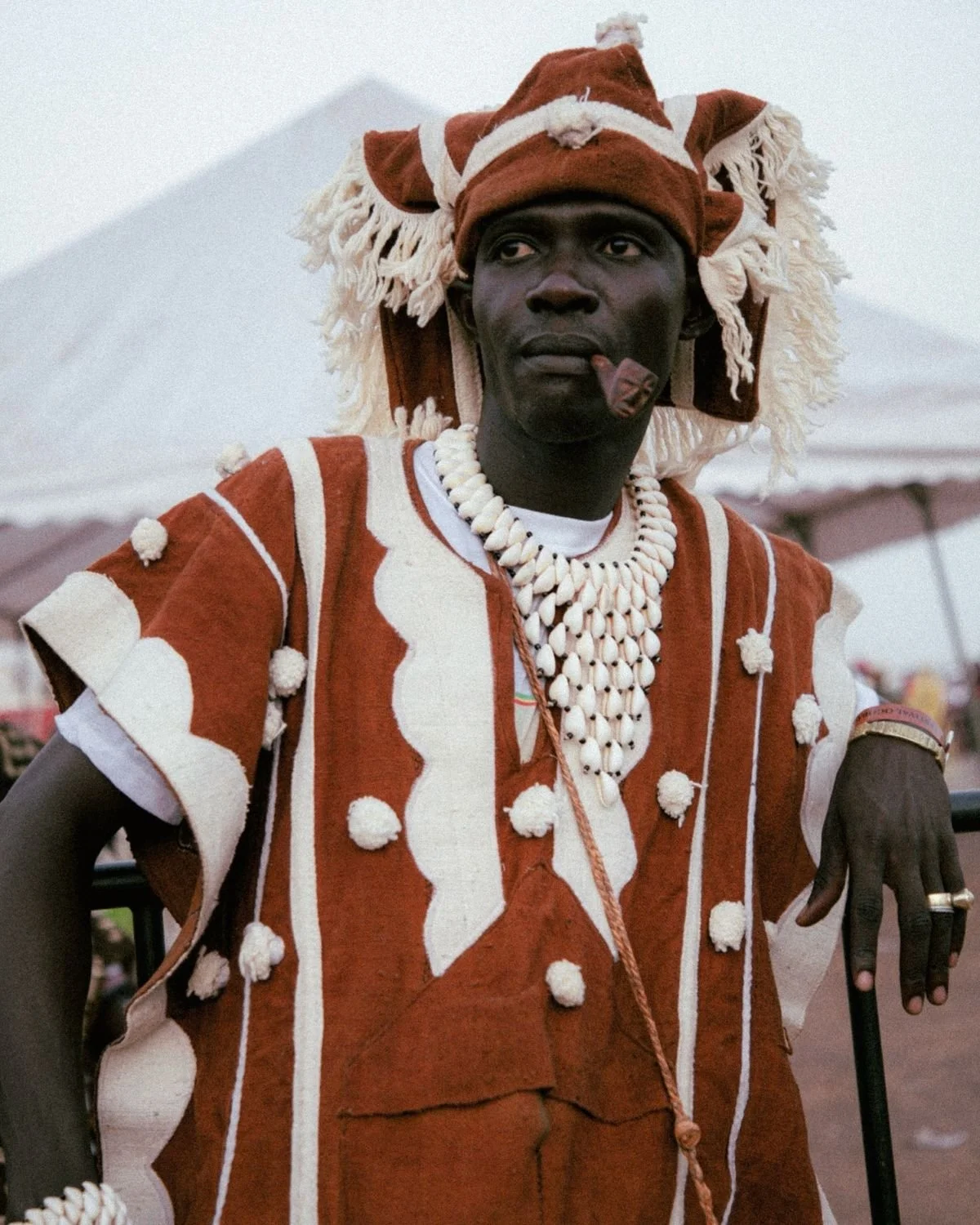
A Dogon man wearing a red and white patterned garment, a tasseled hat, and a layered shell necklace.
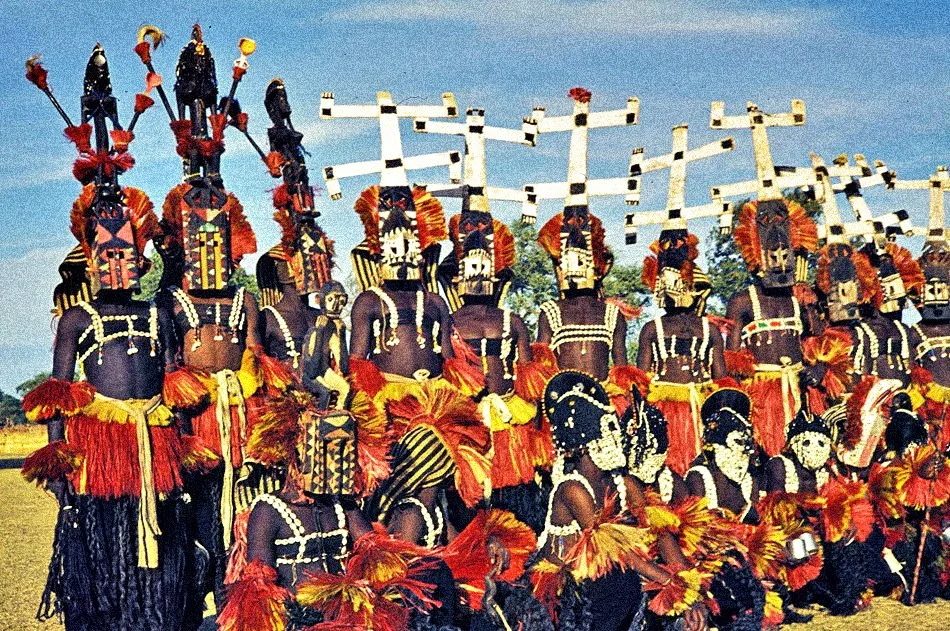
Dogon tribesmen wearing the Kanaga mask.
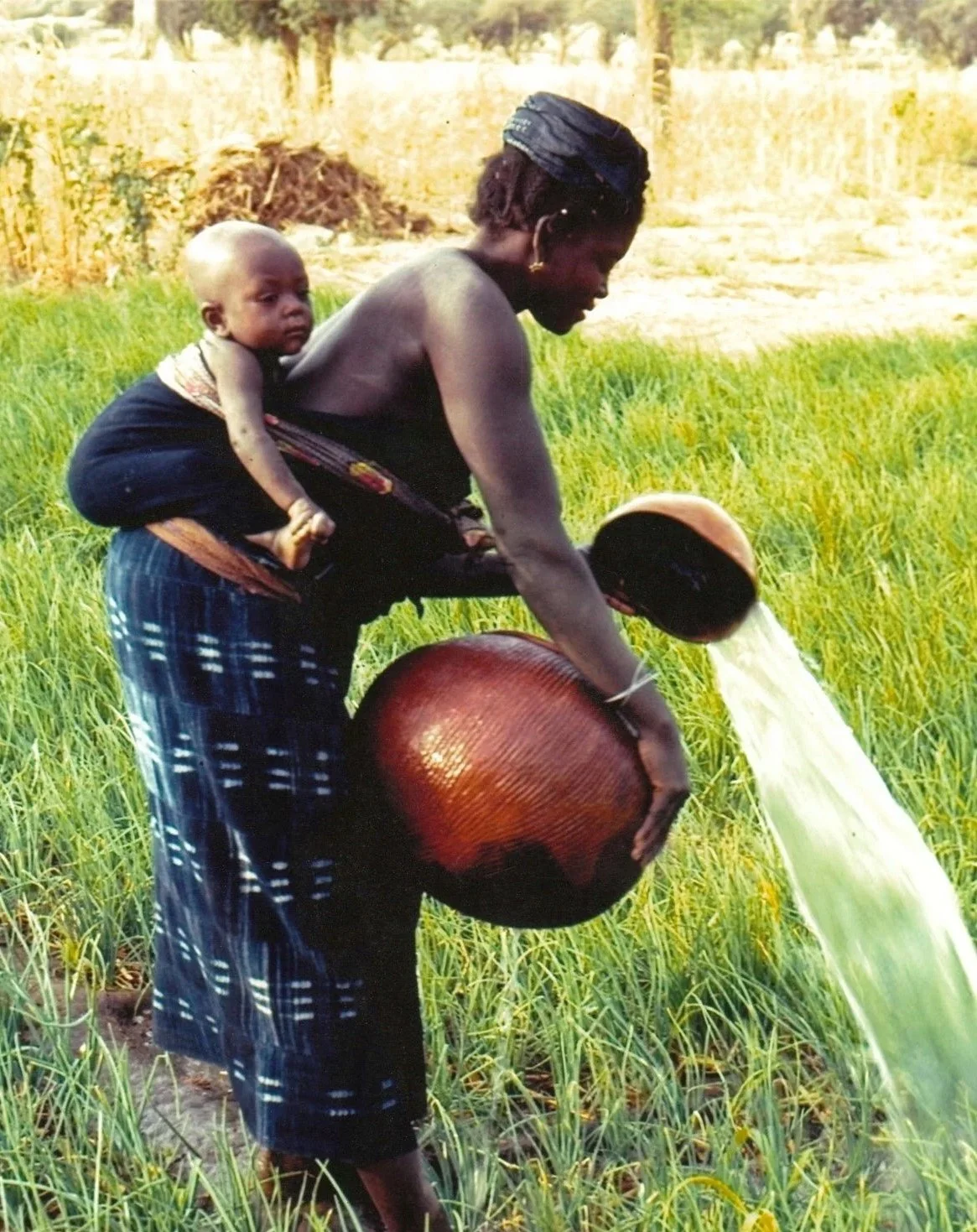
“Dogon woman, Yassima, irrigates her onion crop early each morning with water from the nearby well.” Mali. West Africa. Photographed by Beverly L. Strassman in 1981.
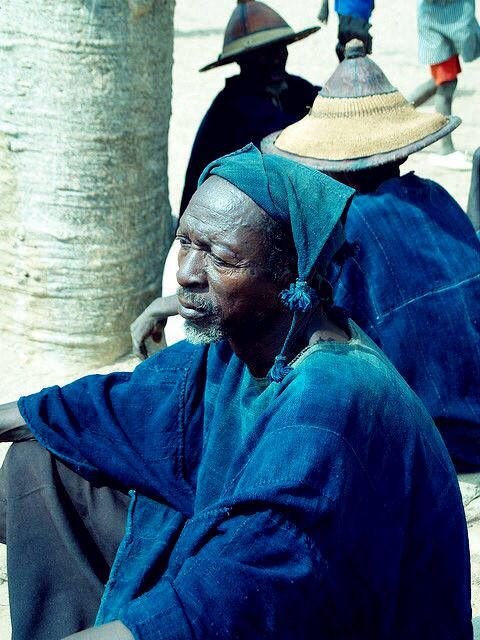
Dogon men in their traditional indigo garments.
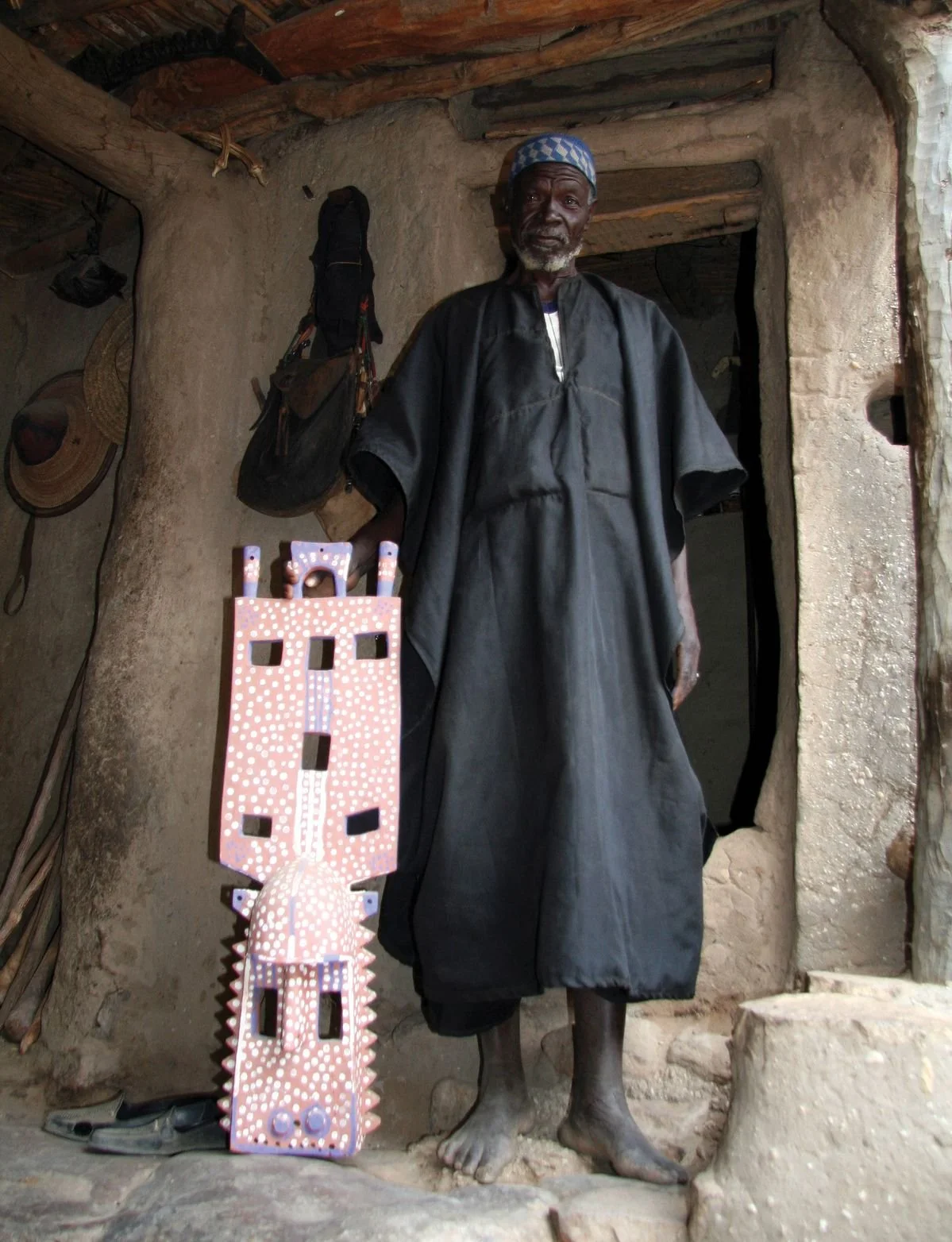
A Dogon man stands at the entrance of a mud-brick dwelling in Mali, holding a painted kanaga mask.
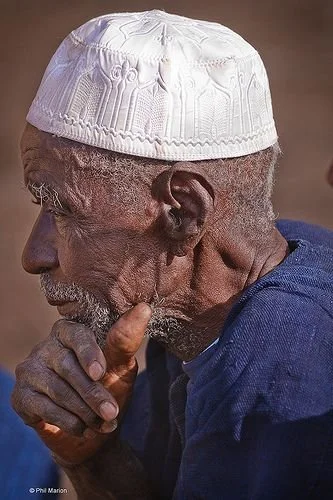
A Dogon man in a white embroidered cap and traditional indigo garment.
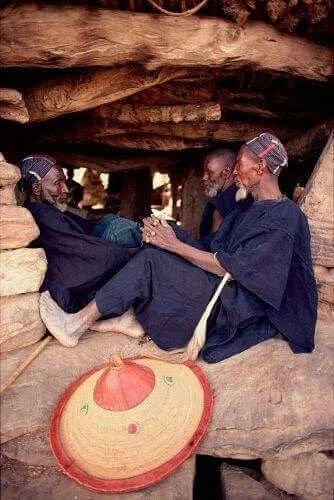
Three Dogon men sit together beneath a rocky overhang in Mali, wearing dark indigo garments and woven straw hats.
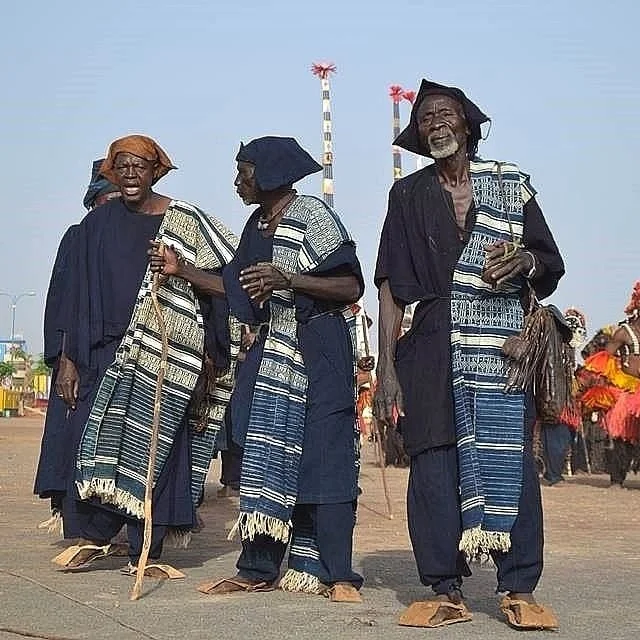
Three Dogon men wearing indigo garments and patterned woven shawls walk together.
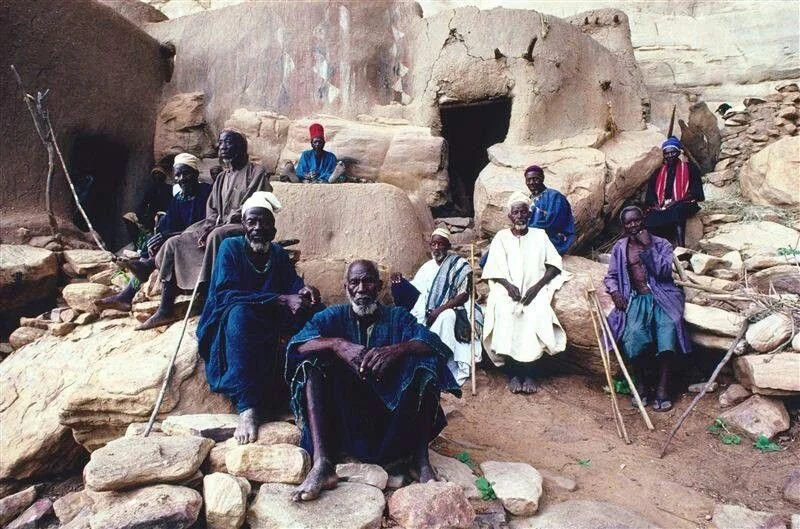
A group of Dogon men sitting outside cliffside dwellings in Mali.
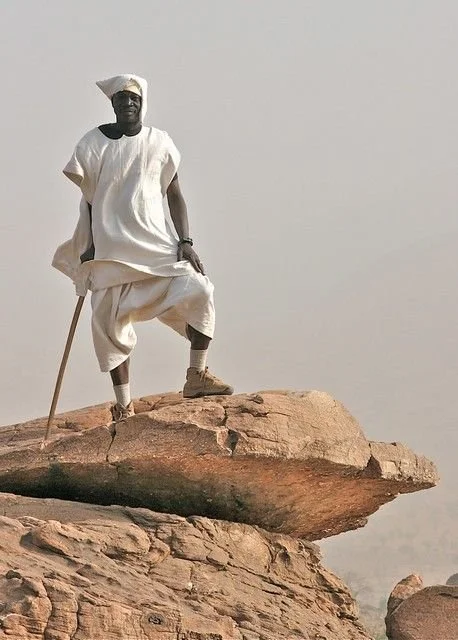
A Dogon man in white garments stands on a rocky outcrop, holding a walking stick.
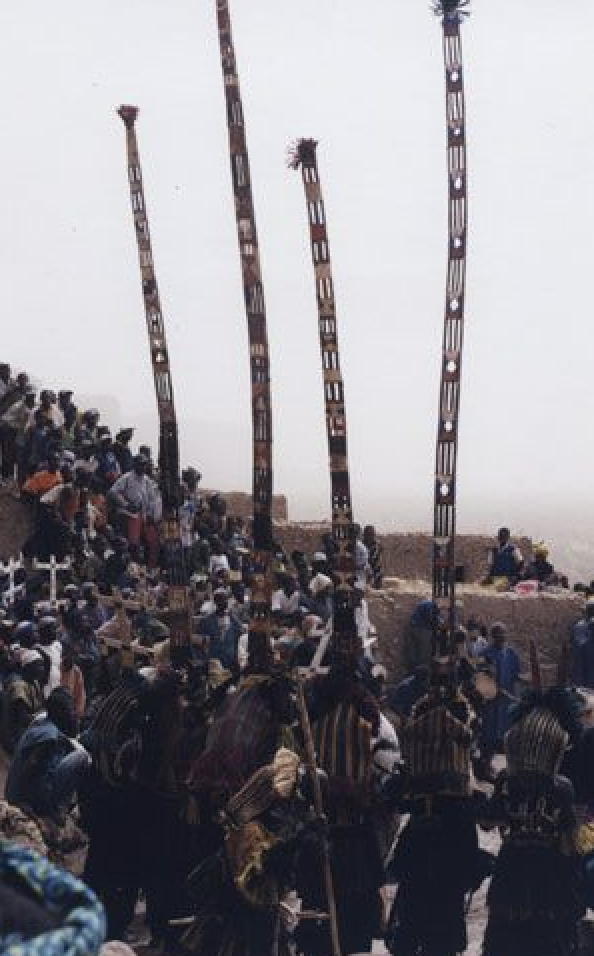
Dogon sirige masks in performance Mali, 2001. Photograph by Anne Rogers.
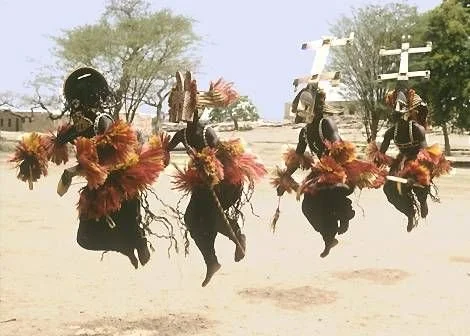
Dogon Masqueraders.
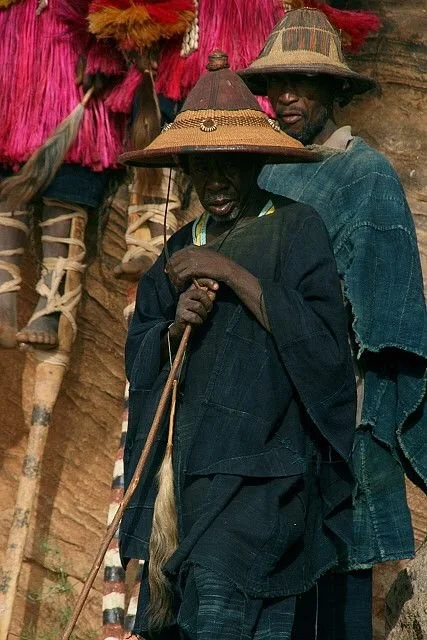
Two Dogon men wearing woven straw hats and dark indigo garments stand in front of a cliffside dwelling in Mali.
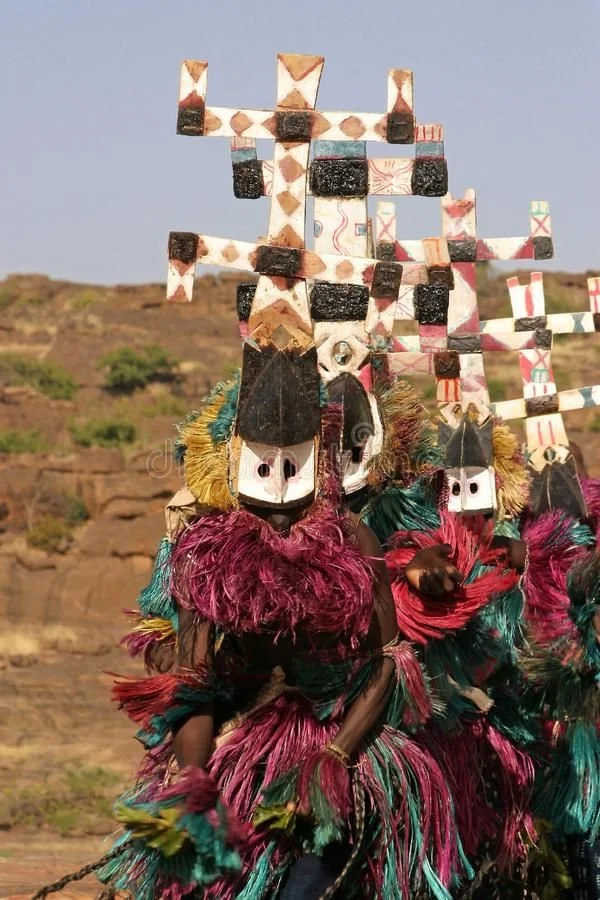
Dogon dancers wearing kanaga masks during a ceremonial procession in Mali.

A group of masked Dogon dancers from the Awa Society.

Dogon Kanaga masks.

Dogon people, Mali, 2003. Photo by Devriese via Wikimedia Commons (CC BY-SA 3.0). Detail.

Dogon art: The funeral rite called Damas by the Dogon people. Bino and Fino.

Dogon art: Kanaga mask dances. Photo by Huib Blom/Menil.

Dogon country: Village of Yanda Tourougo, 2012. Huib Blom.

Dogon Country: Village of Sangha, 2009. Huib Blom.

Dogon women from Mongui pounding millet. Huib Blom.


Dogon country, Village of Kundu Andou, 1986. Huib Blom.

Dogon country, Village of Kundu Andou, 1986. Huib Blom.

Dogon people wearing traditional masks.


Two Dogon men in front of a hogon house.
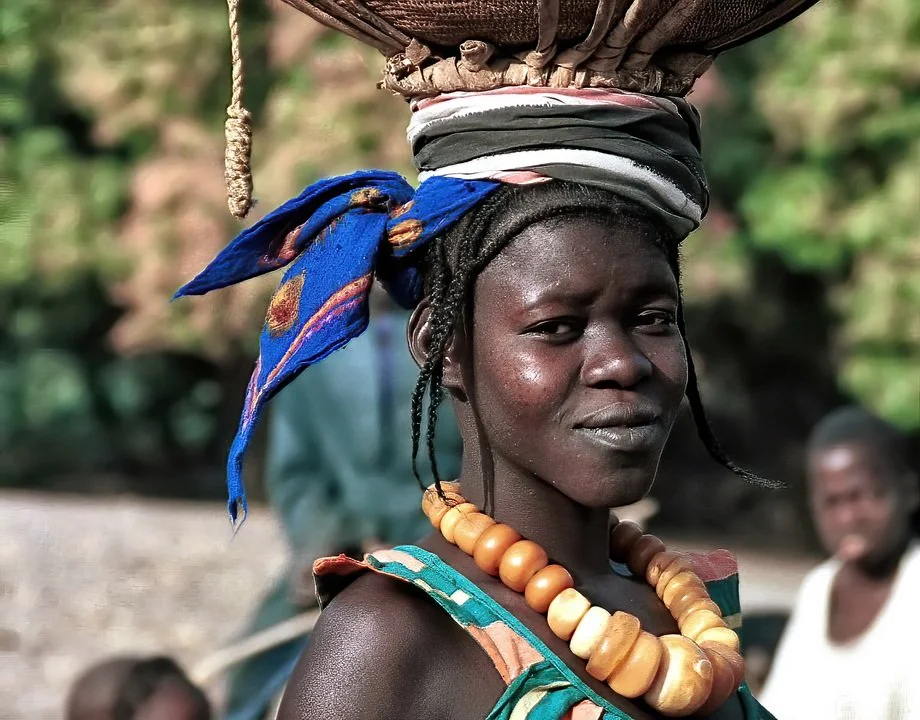


Yougo Dogorou village, 2008. Huib Blom.

Dogon men performing a traditional dance with masks.

Two Dogon men performing a traditional masked dance.

Dogon man weaving a cloth.

Installation of a Hogon in Sangha, Mali, 2012. Inogo Dolo. Examples of Dogon Kente showcased.

Dogon man holding wooden, sacred carvings.

Dogon tribe children.

Elderly man from the Dogon tribe.


Dogon traditional masks displayed on a baobab tree.
Dr. Booker T. Coleman’s lecture on the Dogon
Dr. Charles Finch’s lecture on the Dogon Egypt Sirius Connection

The mosque of Djenne.


Dogon native from Sangha, Mali. 1948/1953.
