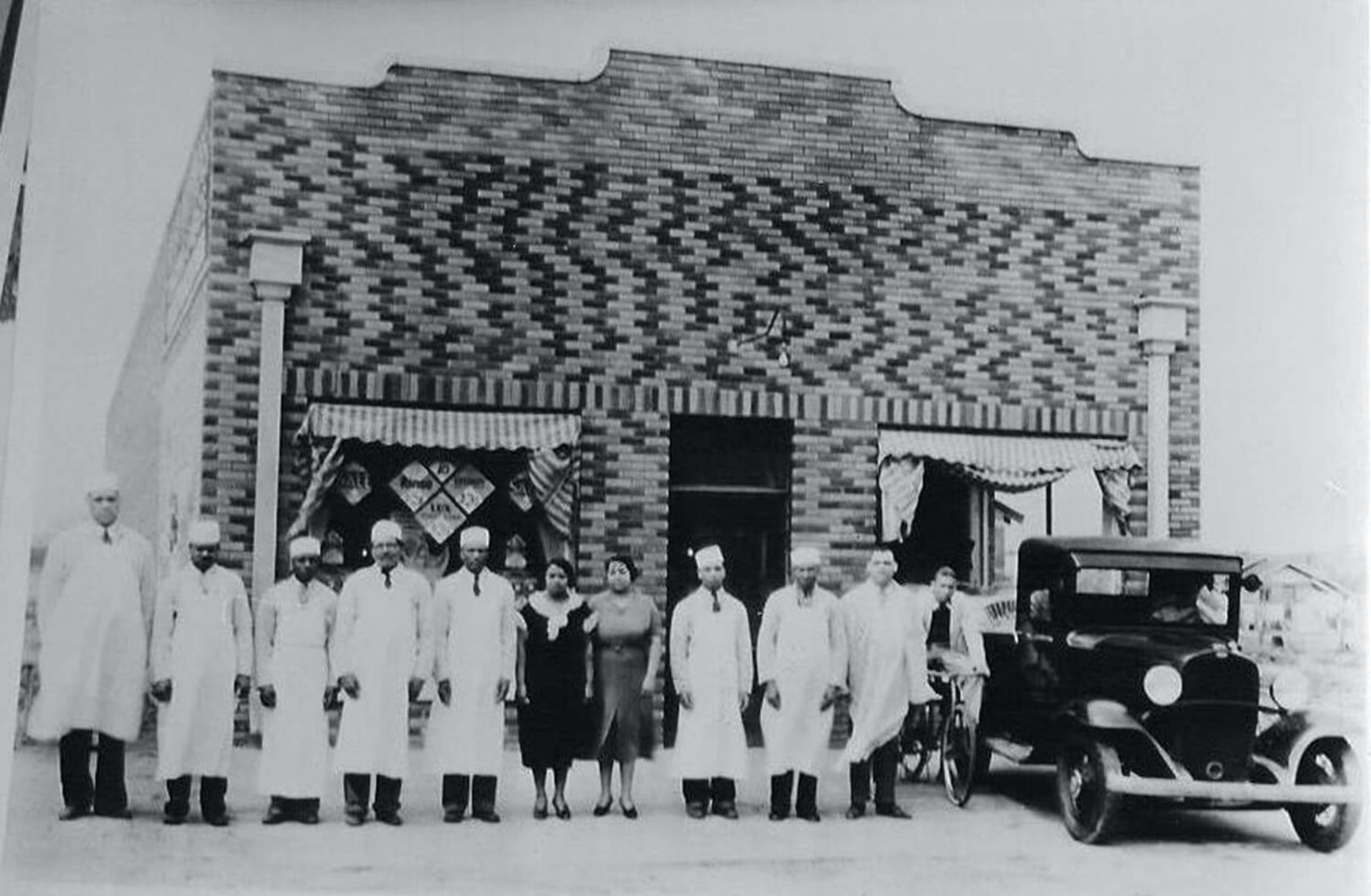
Mann brothers popular grocery and market at Lansing Avenue and Oklahoma Street in Tulsa, circa 1940s. Image Source: The Counter
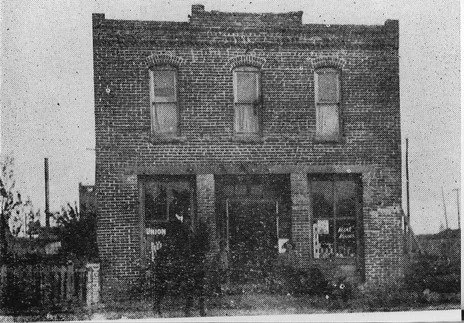
O.W Gurley's Rooming House. The rooming house became very popular and useful, even acting as a safe haven for African American migrants fleeing the oppression in Mississippi. Image source: The Cilo
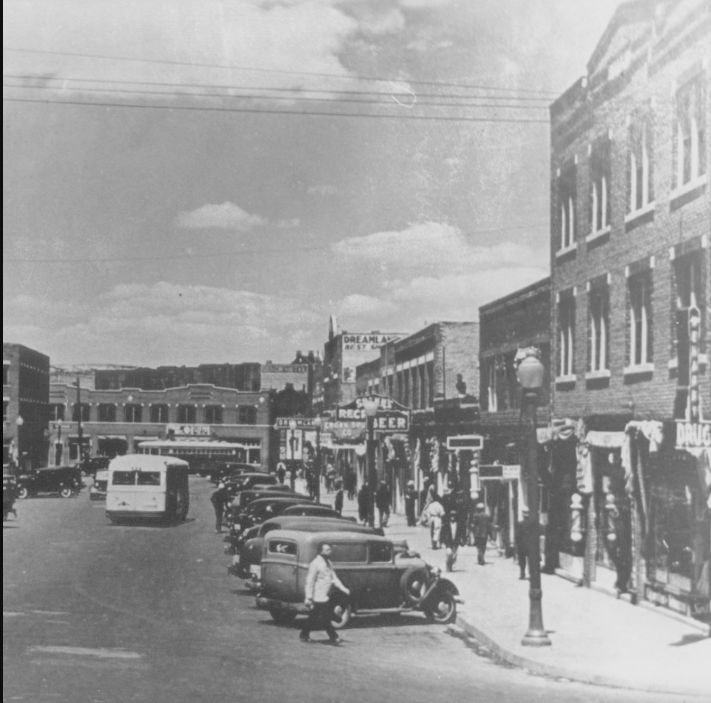
Image source WSJ
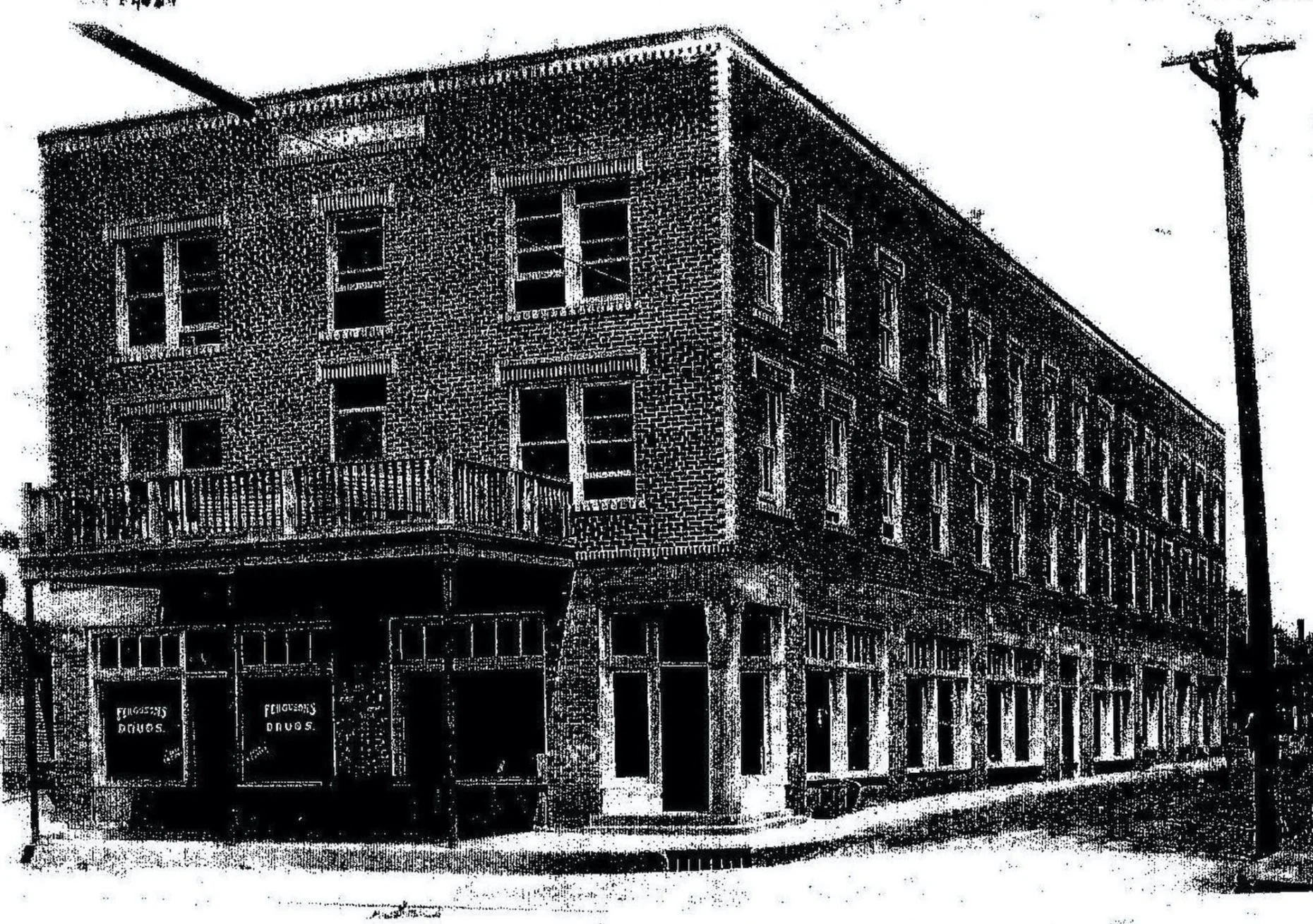
The Stradford Hotel, which had more than 50 rooms and luxury amenities, opened on June 1, 1918. Three years to the day it opened, it was reduced to ashes by fires set during the massacre in the area known as Tulsa’s “Black Wall Street. Image Source: The Counter
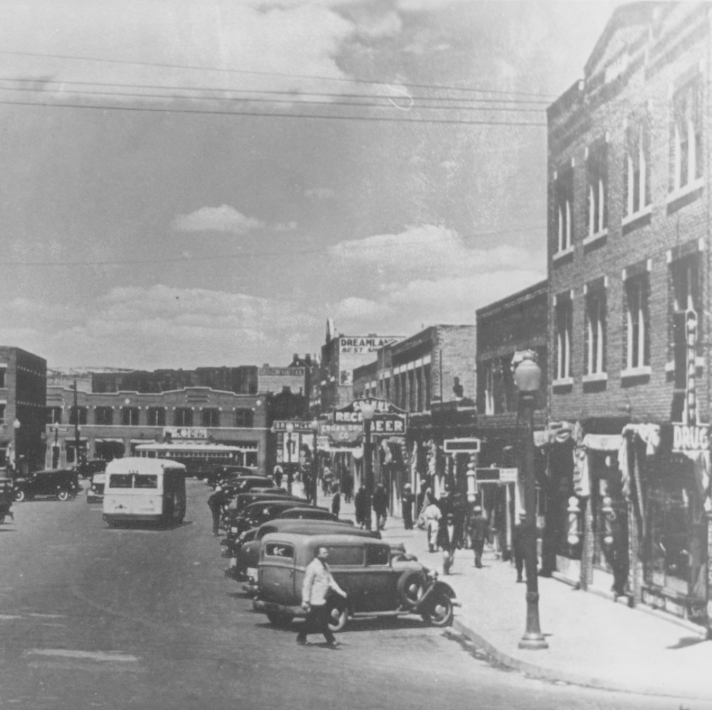
Image Source: WSJ

This photo provided by the Department of Special Collections, McFarlin Library, The University of Tulsa shows an African American woman and girl sitting on a porch swing, both dressed in coats and hats, by the side of a house. Provenance is unknown; however, it is believed that these photos were taken in Tulsa, Okla. prior to the Tulsa Race Massacre. (Department of Special Collections, McFarlin Library, The University of Tulsa via AP)
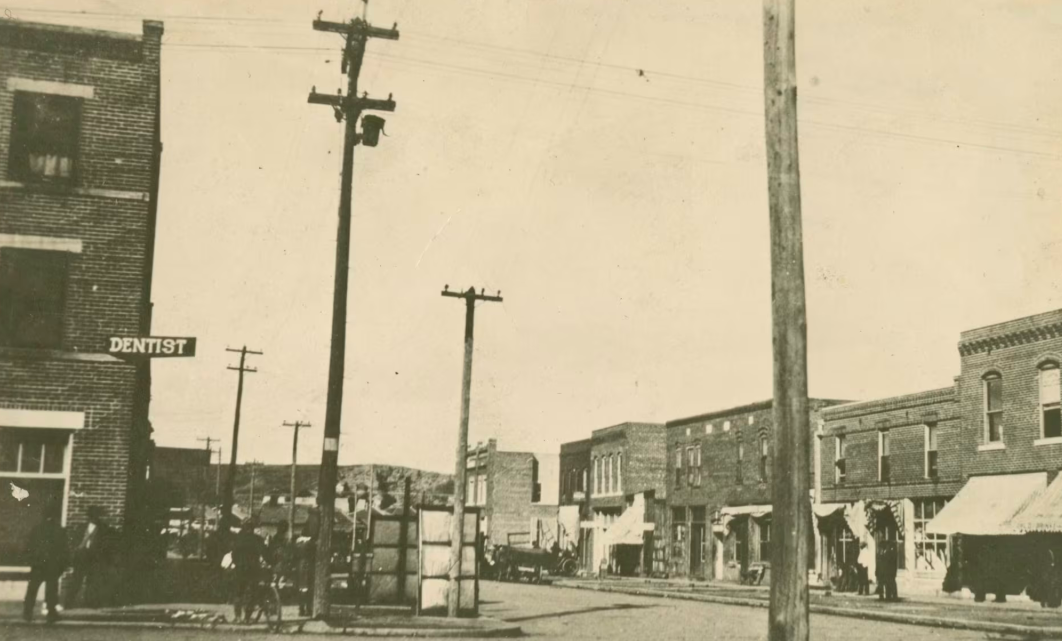
North Greenwood Avenue in Tulsa
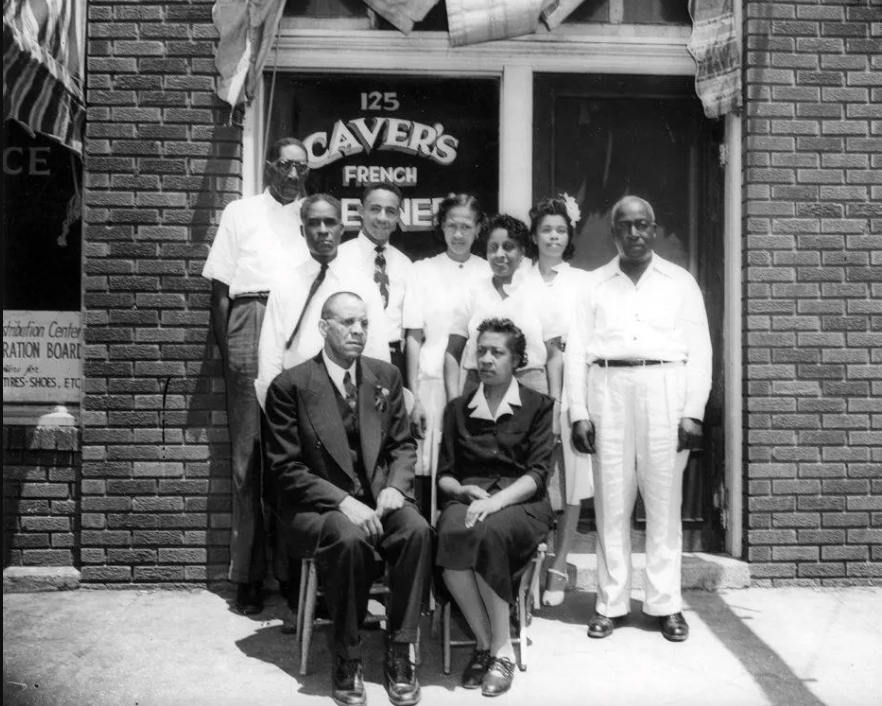
North Greenwood Avenue in Tulsa Images: Miro Medium
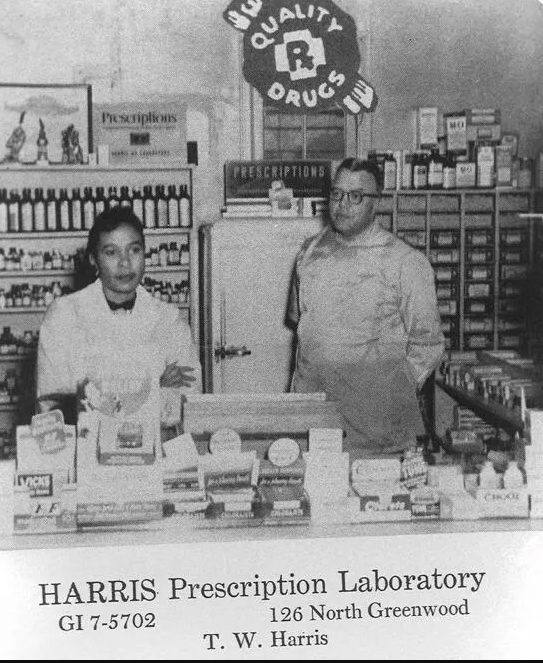
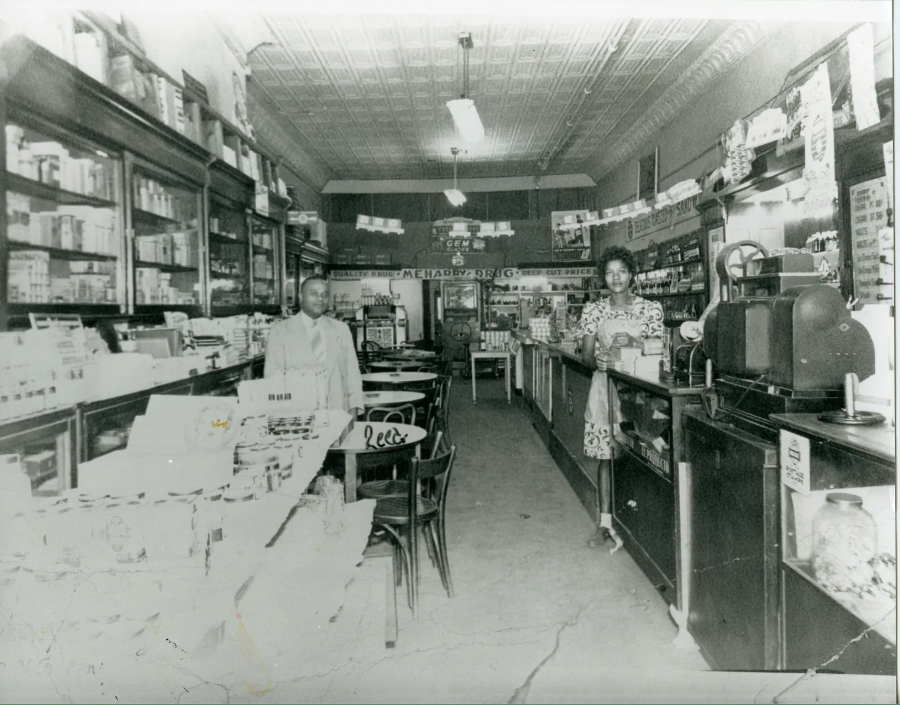
Meharry Drug Store in the Greenwood District in the 1930s. Photo courtesy Greenwood Cultural Center.
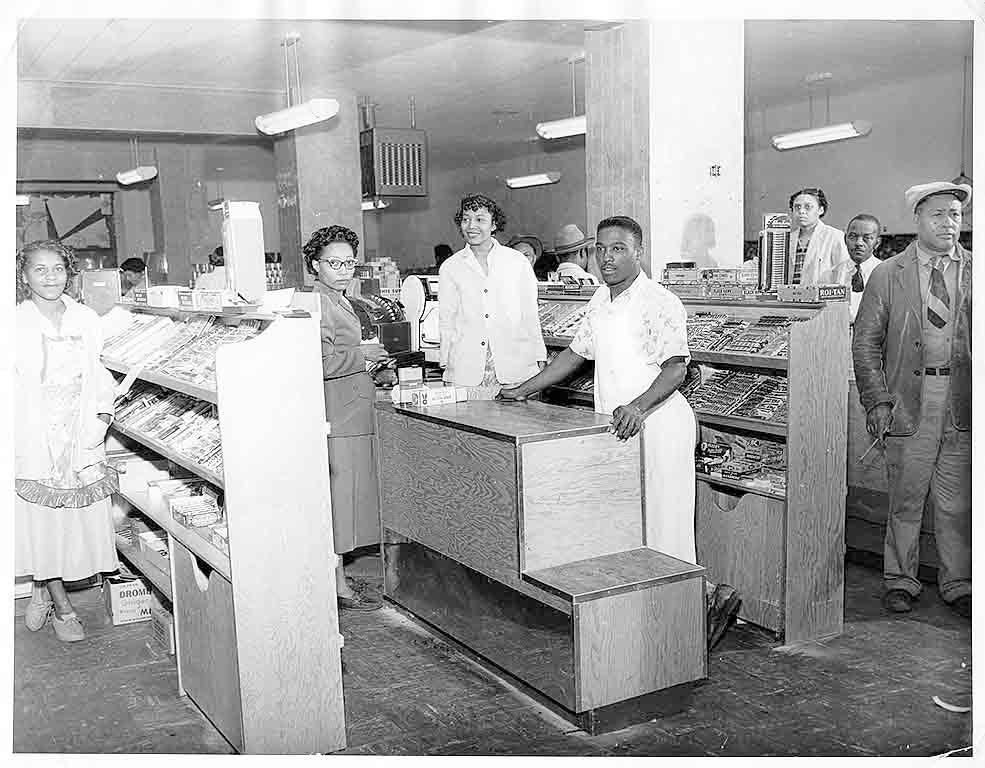
Image: Miro Medium
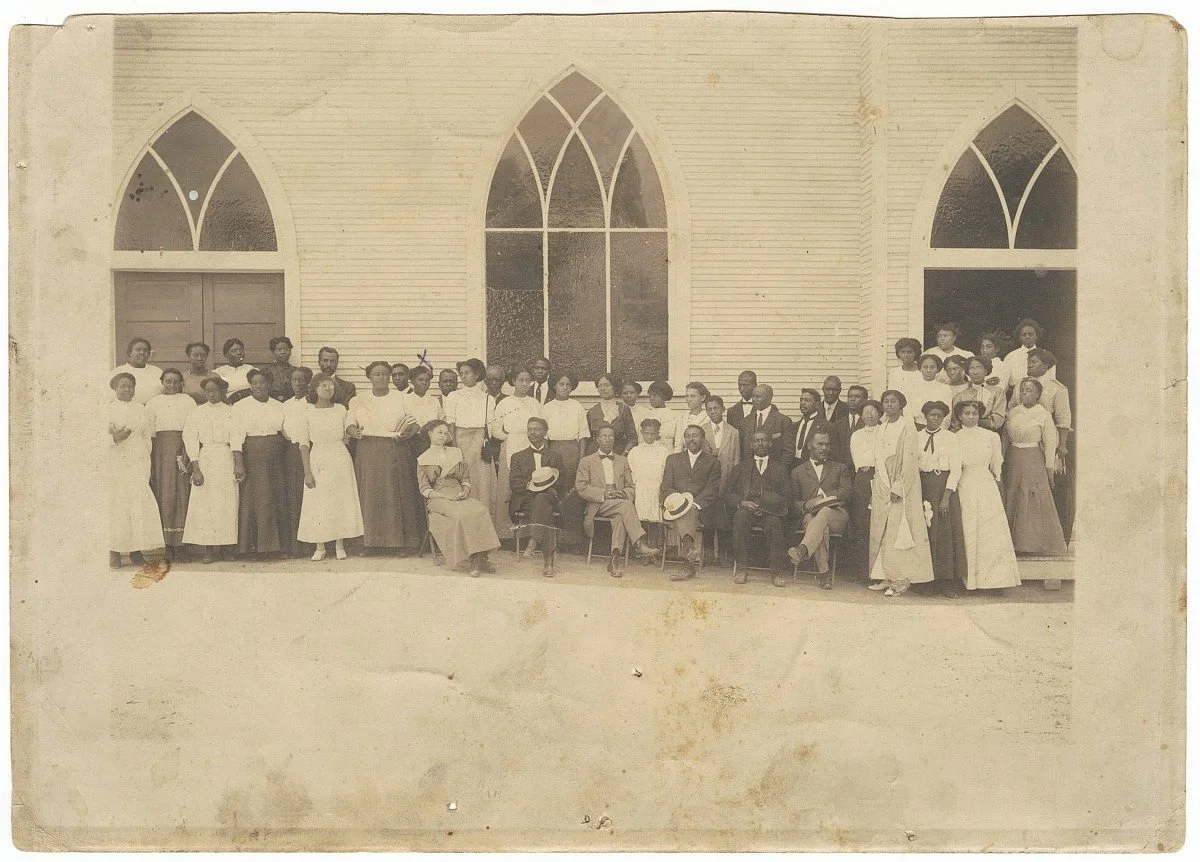
A group of community members in Greenwood posed for a group photograph in front of the Vernon AME Church, Tulsa, OK, 1919. The dress of these individuals speaks to their affluence—the enormity of the church itself an expression of the economic success of this community. Image Source: Cinders in the Sky The Legacy of the Tulsa Race Massacre
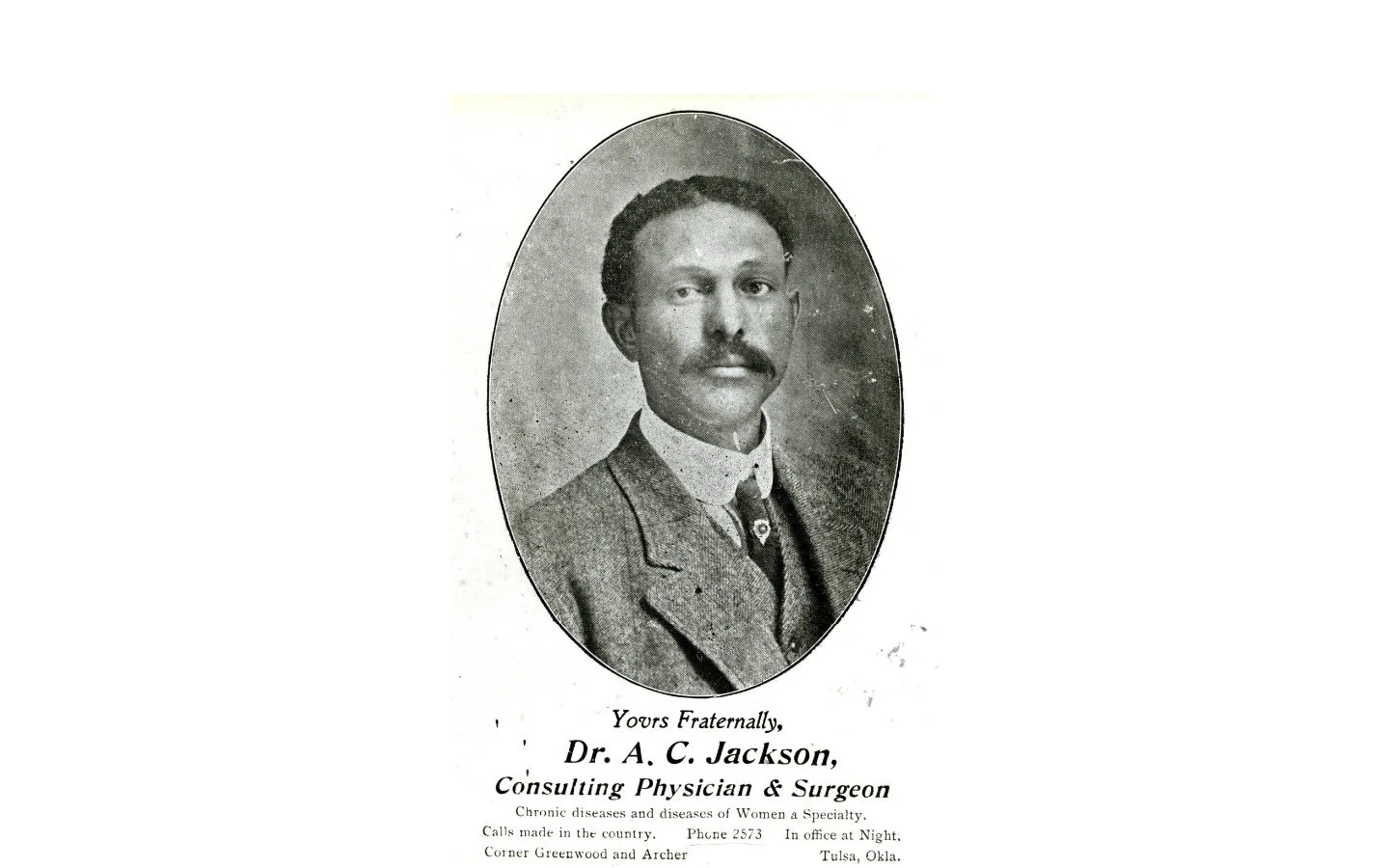
This image of a Tulsan, Dr. A.C. Jackson, exemplifies the level of achievement common to members of the Greenwood community. NAACP Assistant Secretary Walter White reported in The Nation that Dr. Jackson had an estimated net worth of $100,000. According to White, Dr. Jackson received his education by the Mayo brothers who described him as "the most able Black surgeon in America," moreover, he crossed racial barriers as white Tulsans received their care from Dr. Jackson because of his medical and surgical prowess. Image source: Cinders in the Sky The Legacy of the Tulsa Race Massacre
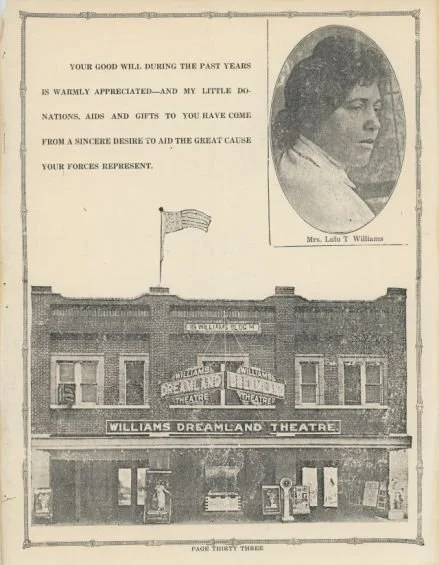
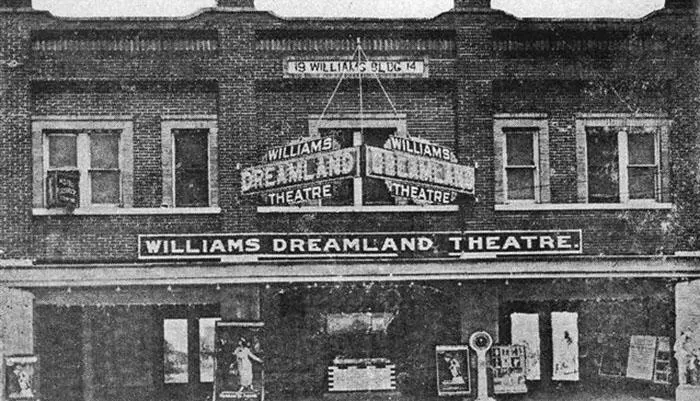
This page from the 1921 Booker T. Washington yearbook was a tribute to Loula Williams. The image depicts a portrait of Loula above an image of one of her family's businesses, Williams' Dreamland Theatre, which the top floor served as the Alexander Hotel, operated by Alexander Carr. Image source: Cinders in the Sky The Legacy of the Tulsa Race Massacre
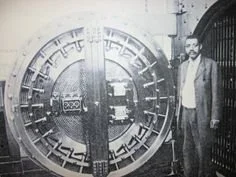
The Mechanics Savings Bank was the third bank chartered by black businessmen in Richmond, Virginia. Image source: New Afrika History
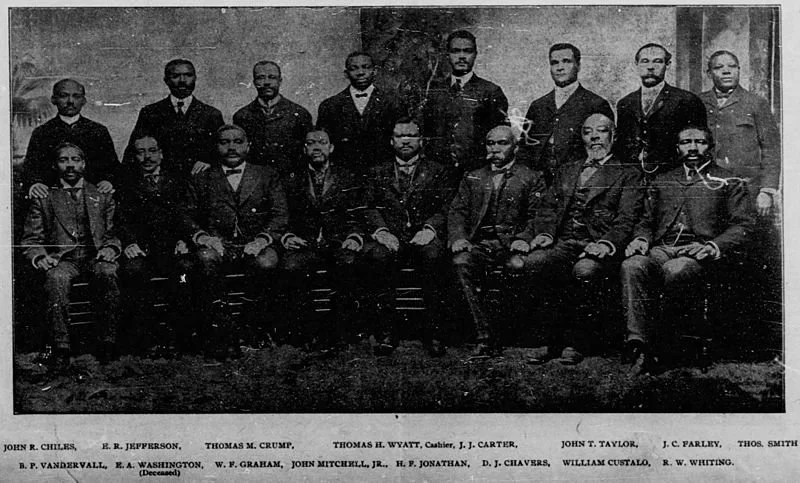
Founded in 1902 by John Mitchell, Jr., a journalist and newspaper owner, the bank opened at another location before moving in 1910 to a new building at the corner of East Clay and 3rd Streets. image source: New Afrika History
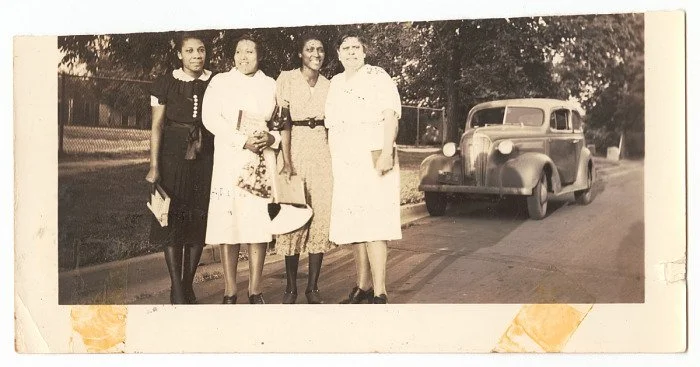
The Princetta R. Newman Collection of Family Photographs, Tulsa, Oklahoma. (n.d.-d). Photographic print of four women standing in a street, ca. 1940. Collection of the Smithsonian National Museum of African American History and Culture, Gift of Princetta R. Newman.
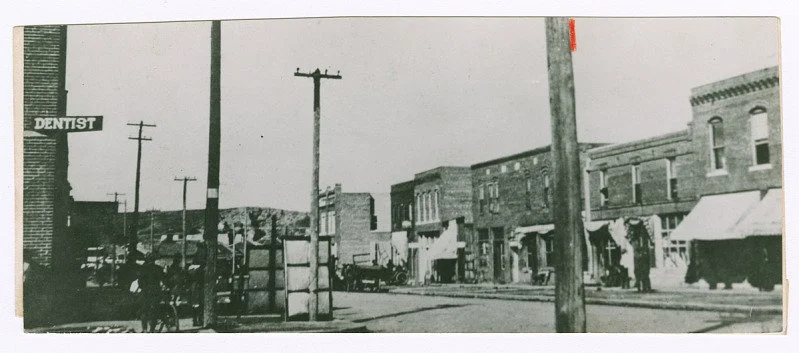
Photographic print of the Greenwood district in Tulsa, Oklahoma, before 1921. (n.d.). Collection of the Smithsonian National Museum of African American History and Culture, Gift of the Families of Anita Williams Christopher and David Owen Williams.
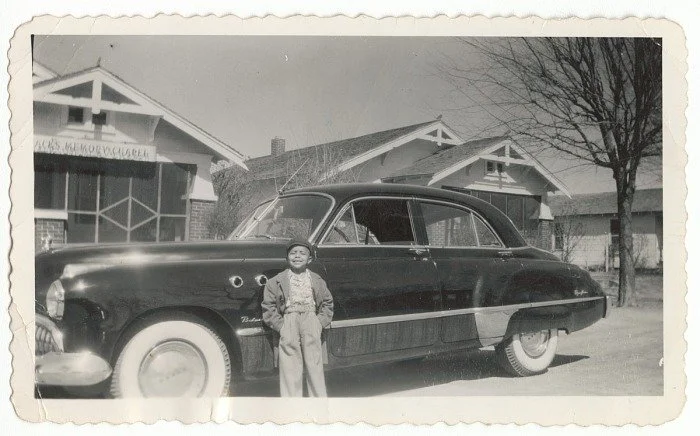
The Princetta R. Newman Collection of Family Photographs, Tulsa, Oklahoma. (n.d.-g). Photographic print of young boy standing in front of a car, ca. 1949. Collection of the Smithsonian National Museum of African American History and Culture, Gift of Princetta R. Newman.
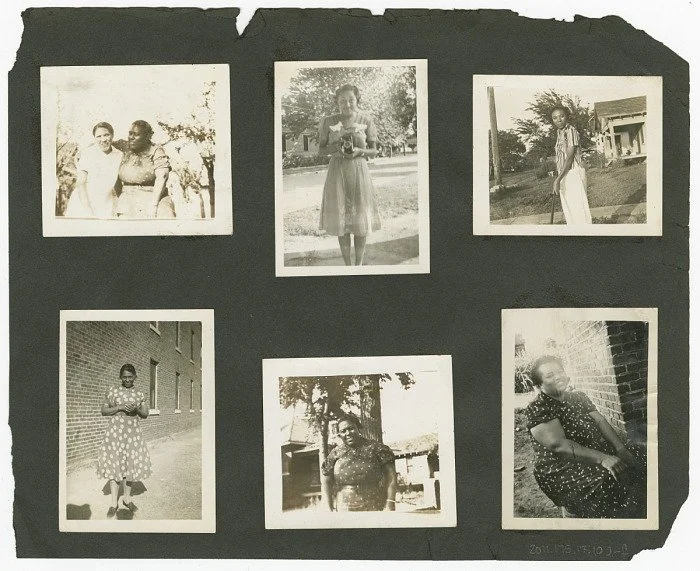
Page of a photograph album from Tulsa, Oklahoma, ca. 1940. (n.d.-a). Collection of the Smithsonian National Museum of African American History and Culture.
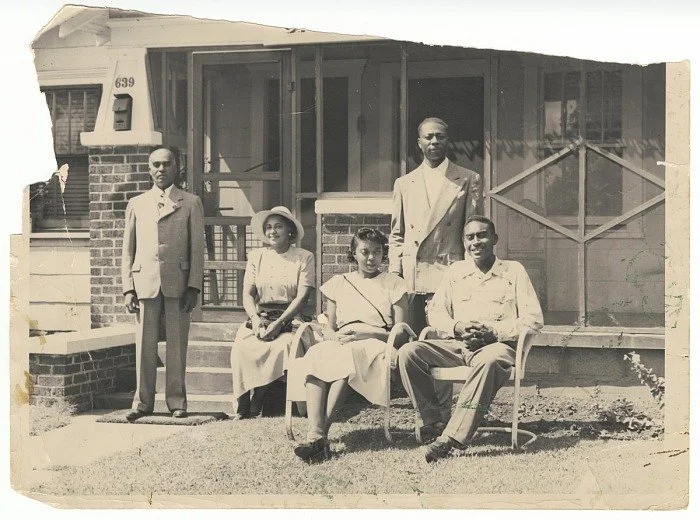
The Princetta R. Newman Collection of Family Photographs, Tulsa, Oklahoma. (n.d.-a). Photographic print of 3 men and 2 women sitting in front of Jack’s Memory Chapel, April 3, 1948. Collection of the Smithsonian National Museum of African American History and Culture, Gift of Princetta R. Newman.
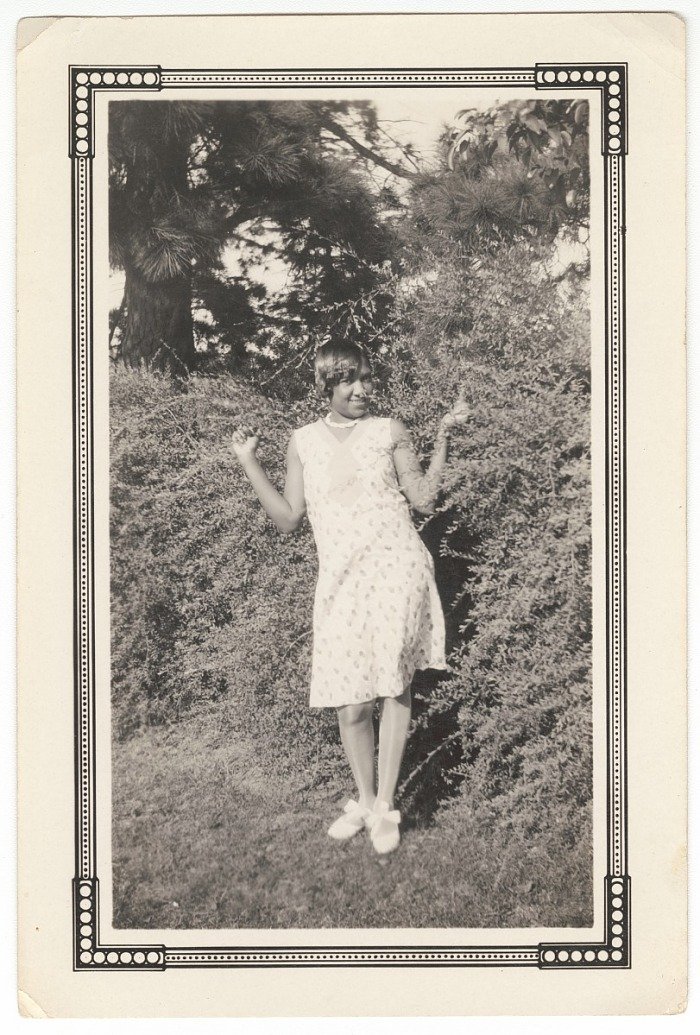
The Princetta R. Newman Collection of Family Photographs, Tulsa, Oklahoma. (n.d.). Photographic print of a woman posing in front of bushes, Jackson, Eunice, American, 1903 - 2004. (n.d.). Collection of the Smithsonian National Museum of African American History and Culture, Gift of Princetta R. Newman
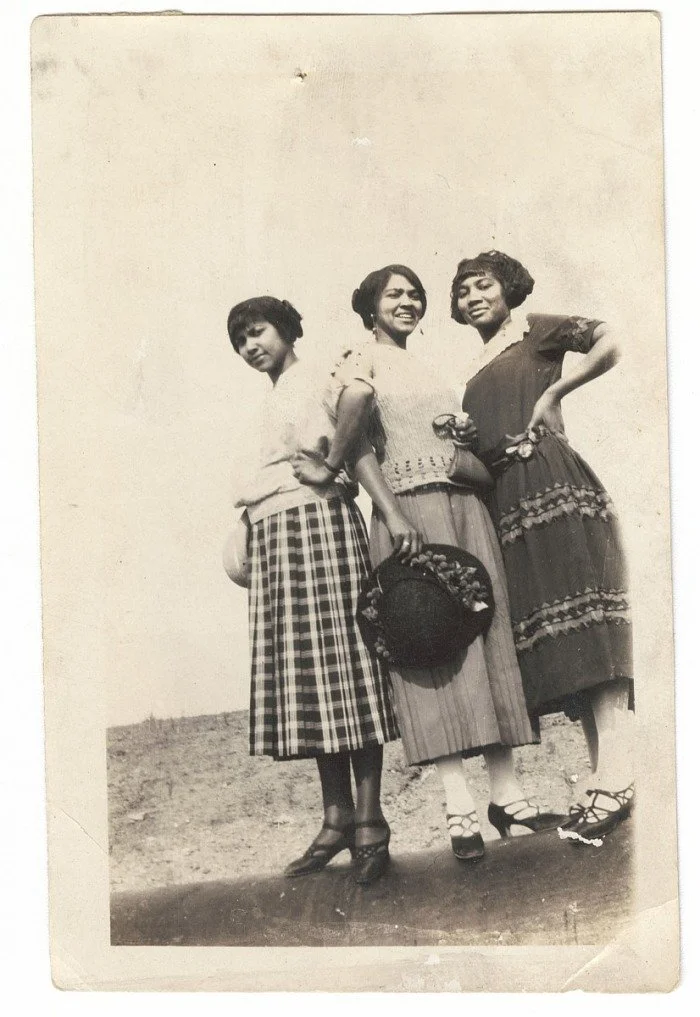
The Princetta R. Newman Collection of Family Photographs, Tulsa, Oklahoma. (n.d.). Photographic print of Eunice Jackson and two other women posing, Jackson, Eunice, American, 1903 - 2004. (n.d.). Collection of the Smithsonian National Museum of African American History and Culture, Gift of Princetta R. Newman.
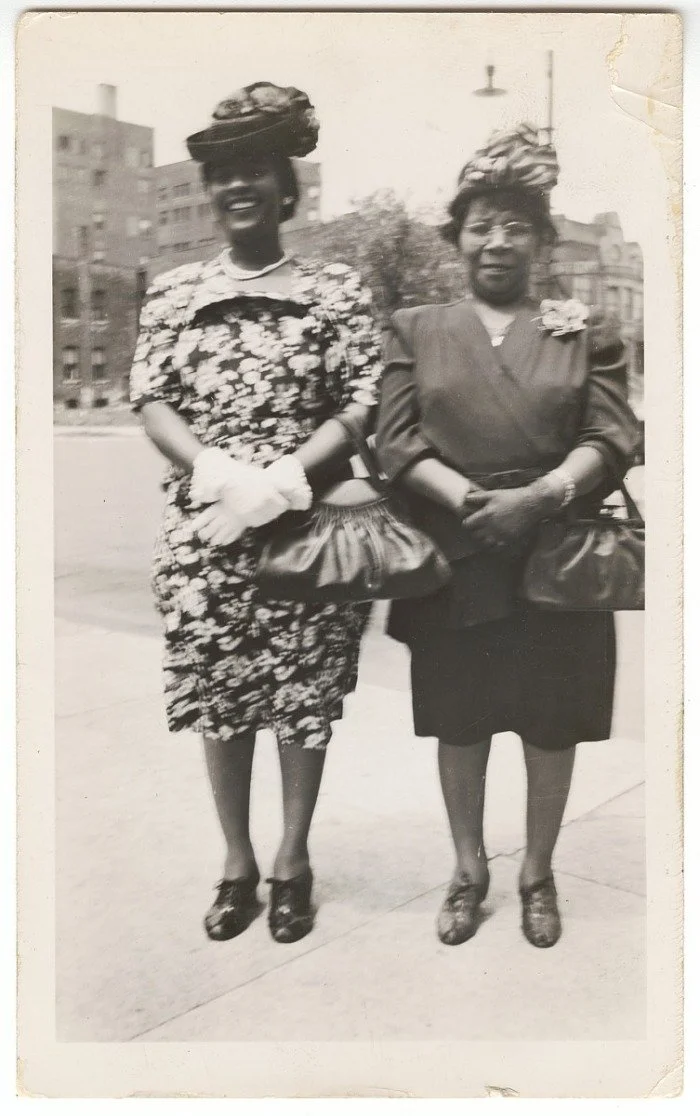
The Princetta R. Newman Collection of Family Photographs, Tulsa, Oklahoma. (n.d.). Photographic print of two women wearing dresses and hats, mid 20th century. Collection of the Smithsonian National Museum of African American History and Culture, Gift of Princetta R. Newman.
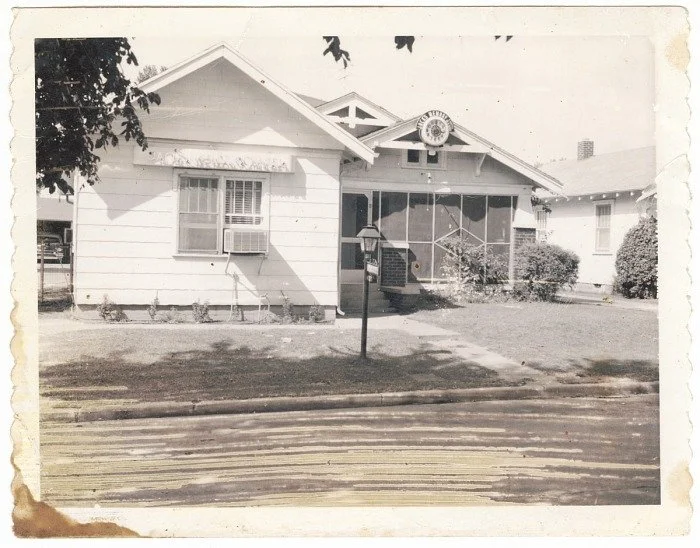
The Princetta R. Newman Collection of Family Photographs, Tulsa, Oklahoma. (n.d.-c). Photographic print of Jack’s Memory Chapel in Tulsa, Oklahoma, 1948. Collection of the Smithsonian National Museum of African American History and Culture, Gift of Princetta R. Newman.
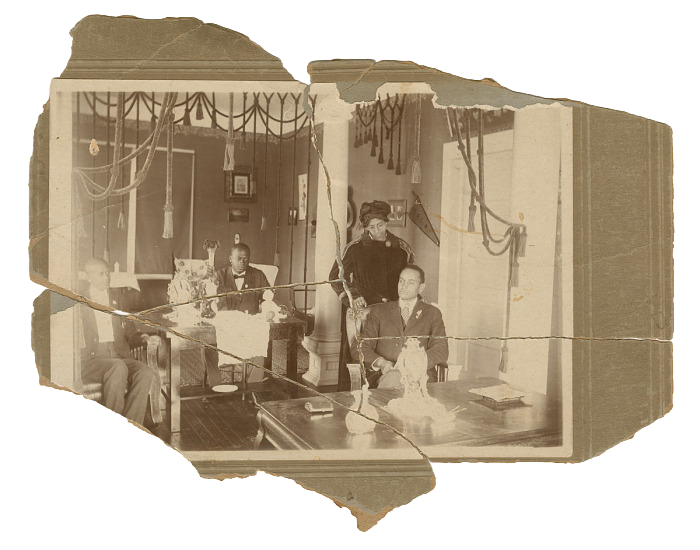
The Princetta R. Newman Collection of Family Photographs, Tulsa, Oklahoma. (n.d.-a). Photographic print of Beatrice Coleman and Beatrice Dedman, and unidentified men in indoor setting, early 20th century. Collection of the Smithsonian National Museum of African American History and Culture, Gift of Princetta R. Newman.
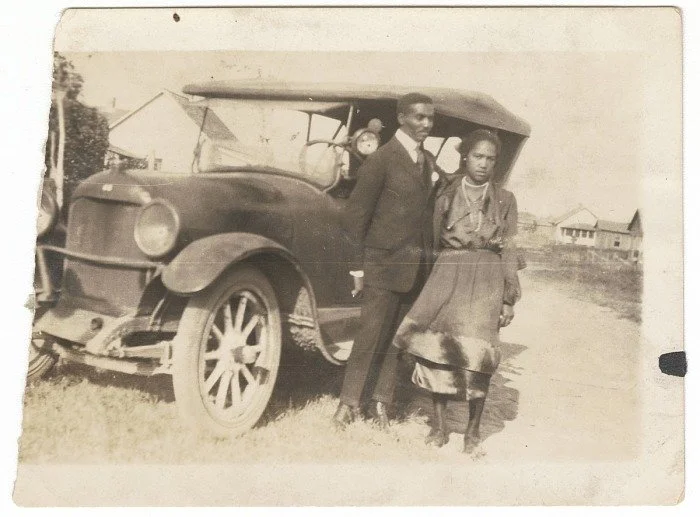
The Princetta R. Newman Collection of Family Photographs, Tulsa, Oklahoma. (n.d.-a). Photographic print of a man and woman standing in front of a car, 1920’s. Collection of the Smithsonian National Museum of African American History and Culture, Gift of Princetta R. Newman.
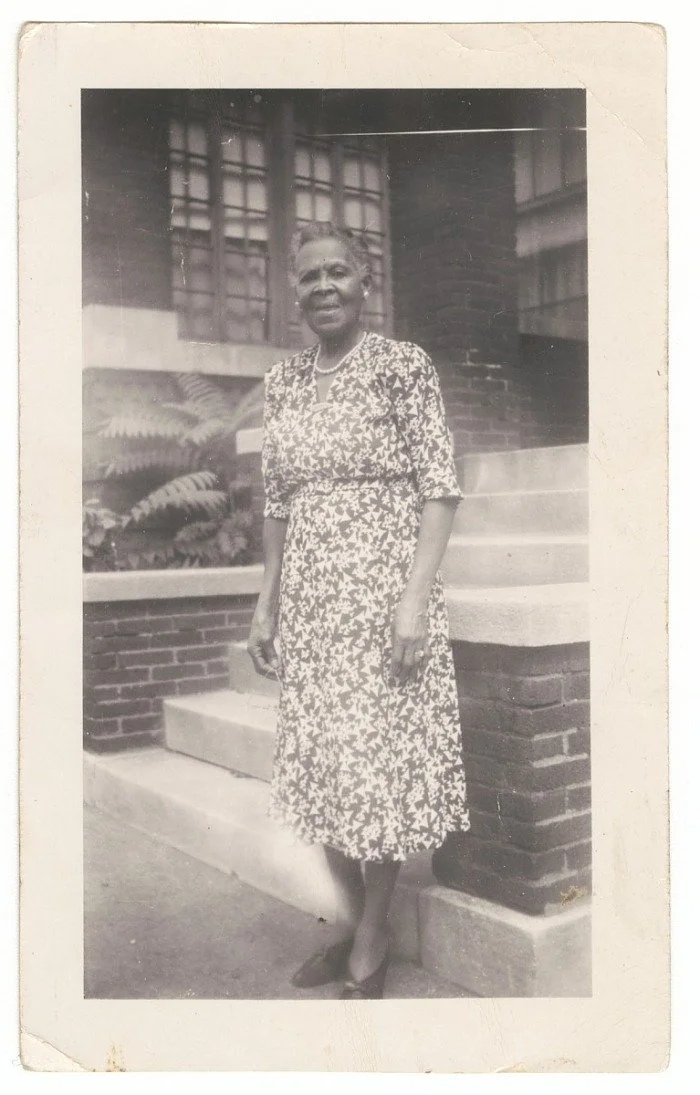
The Princetta R. Newman Collection of Family Photographs, Tulsa, Oklahoma. (n.d.). Photographic print of Irene Banks standing in front of a brick building, mid 20th century. Collection of the Smithsonian National Museum of African American History and Culture, Gift of Princetta R. Newman.
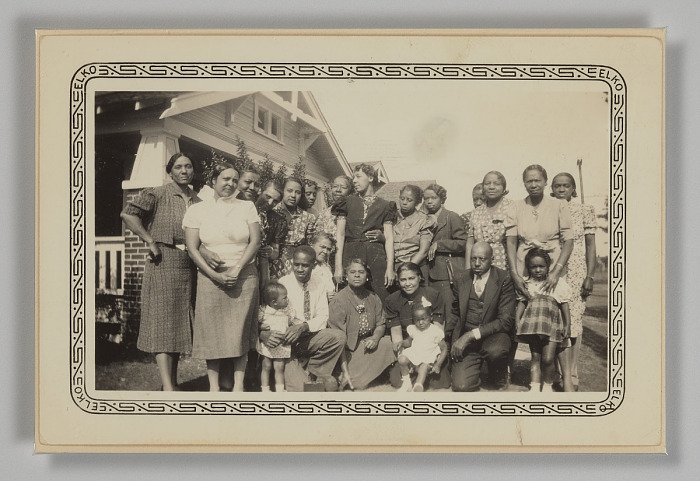
The Princetta R. Newman Collection of Family Photographs, Tulsa, Oklahoma. (n.d.). Photographic print of a large group of people posing outside of a house, mid 20th century. Collection of the Smithsonian National Museum of African American History and Culture, Gift of Princetta R. Newman.
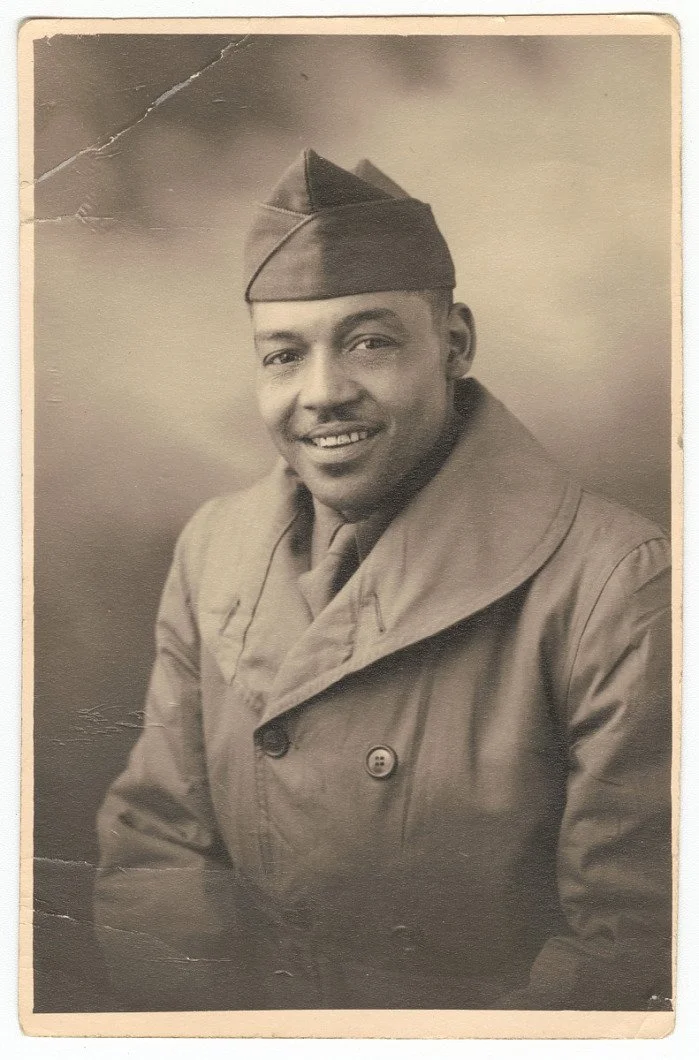
The Princetta R. Newman Collection of Family Photographs, Tulsa, Oklahoma. (n.d.-a). Photographic print of Hayes, Louis S. Jr. in uniform, American, 1918 – 1998, mid-20th century. Collection of the Smithsonian National Museum of African American History and Culture, Gift of Princetta R. Newman.