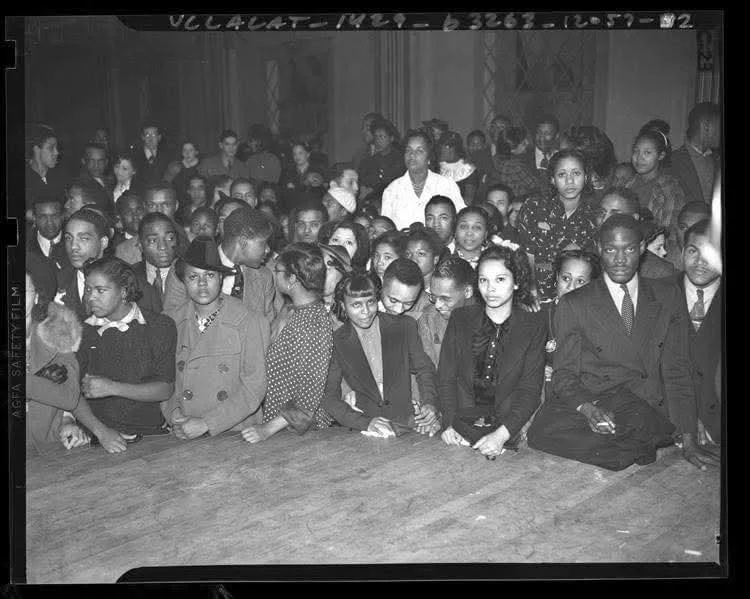
From the 1920s to the 1950s, Central Avenue was the hub of West Coast jazz. “The Avenue,” as it was lovingly called, was a must-visit destination for jazz lovers in Los Angeles. Photo: Los Angeles Times/UCLA 1938.
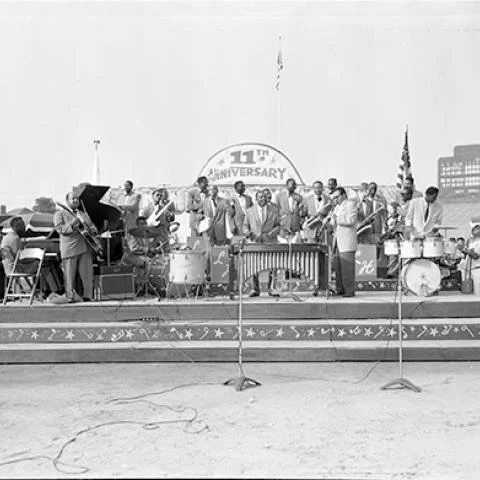
Central Avenue street scene - c. 1941 Image Source: CSUN Library
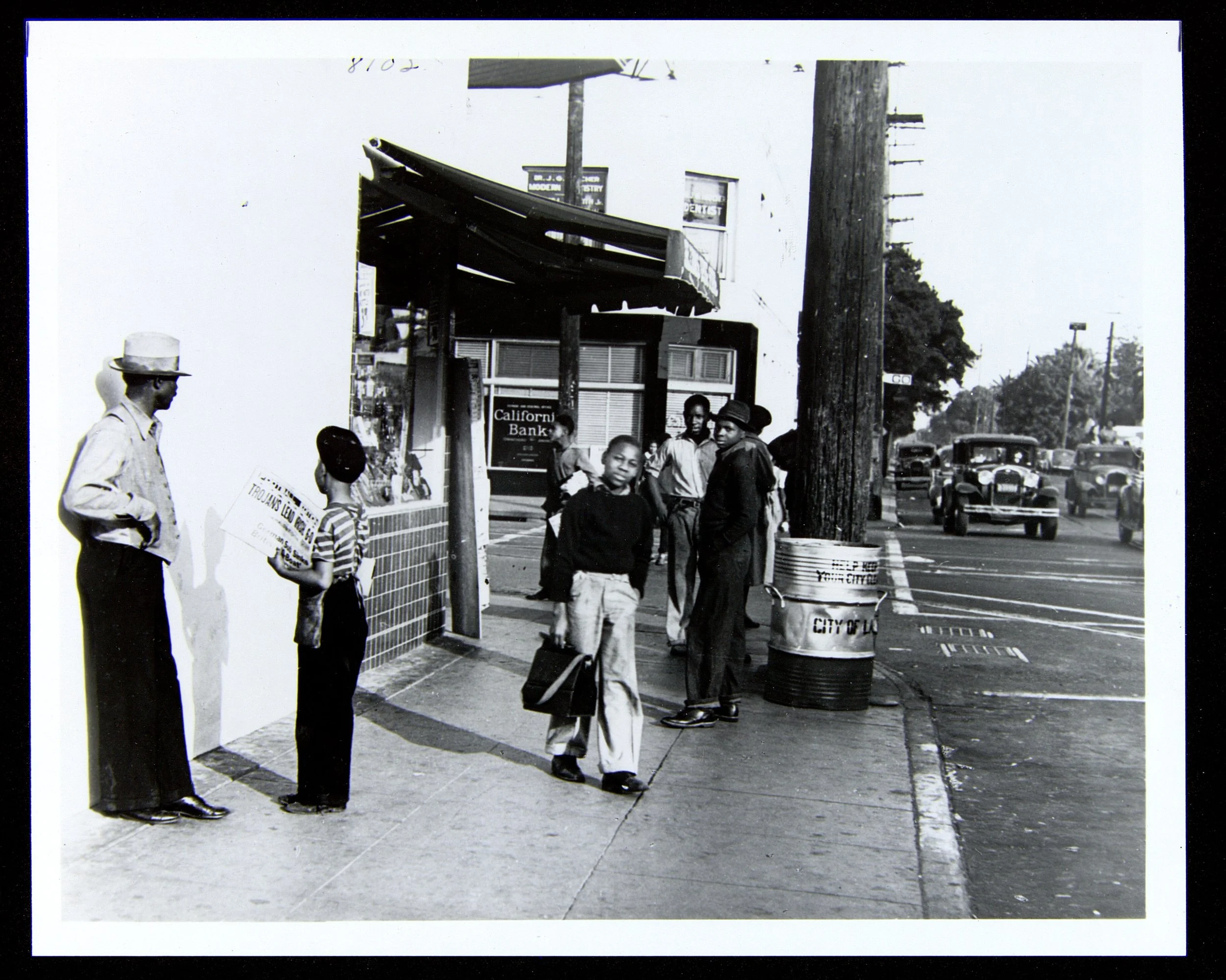
Central Avenue street scene - c. 1941 Image Source: CSUN Library
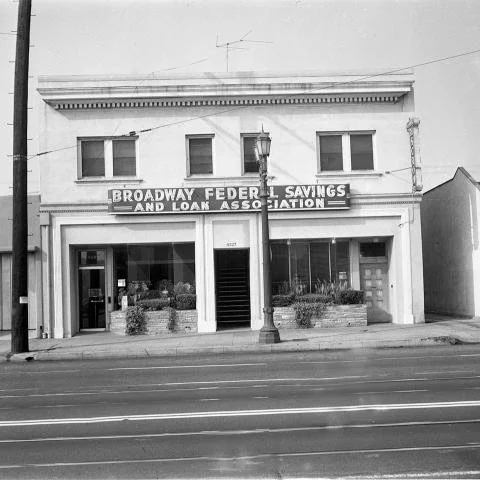
Central Avenue street scene - c. 1941 Image Source: CSUN Library
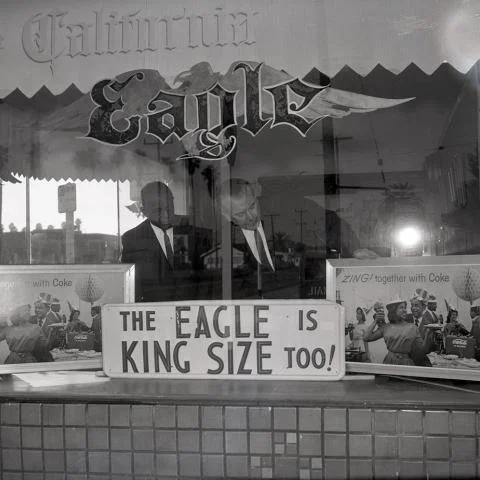
Central Avenue street scene - c. 1941 Image Source: CSUN Library
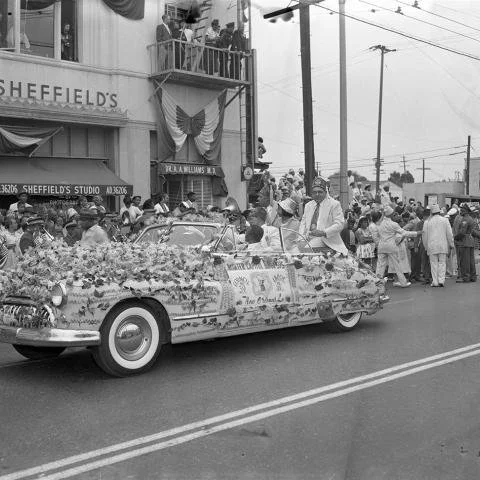
Central Avenue street scene - c. 1941 Image source: CSUN Library
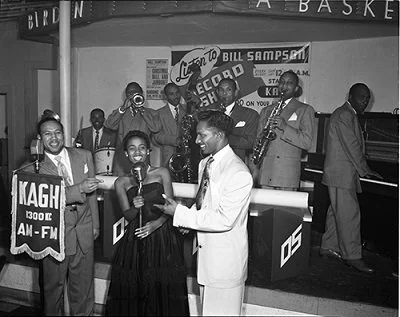
Central Avenue street scene - c. 1941
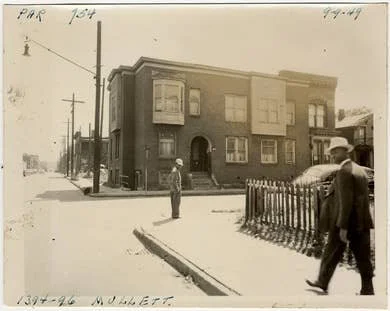
"Black Bottom Street View" at Detroit Public Library documents the long-gone African-American neighborhood. Burton Historical Collection, Detroit Public Library.
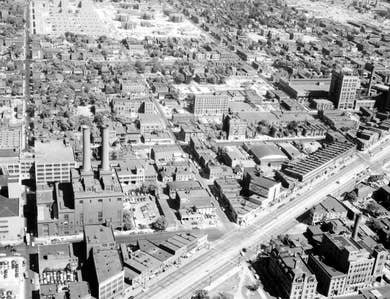
Detroit's East Side in the area of Gratiot and Hastings looking north in 1953. DETROIT NEWS ARCHIVE
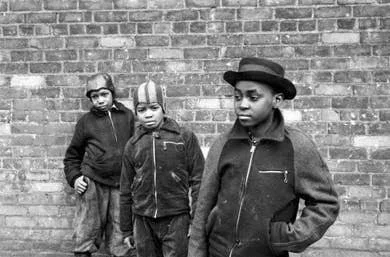
Edward Stanton / Walter P. Reuther Library
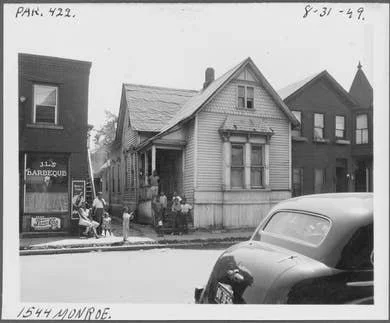
Black Bottom, a historically African-American neighborhood, was razed in the 1950s. BURTON HISTORICAL COLLECTION, DETROIT PUBLIC LIBRARY
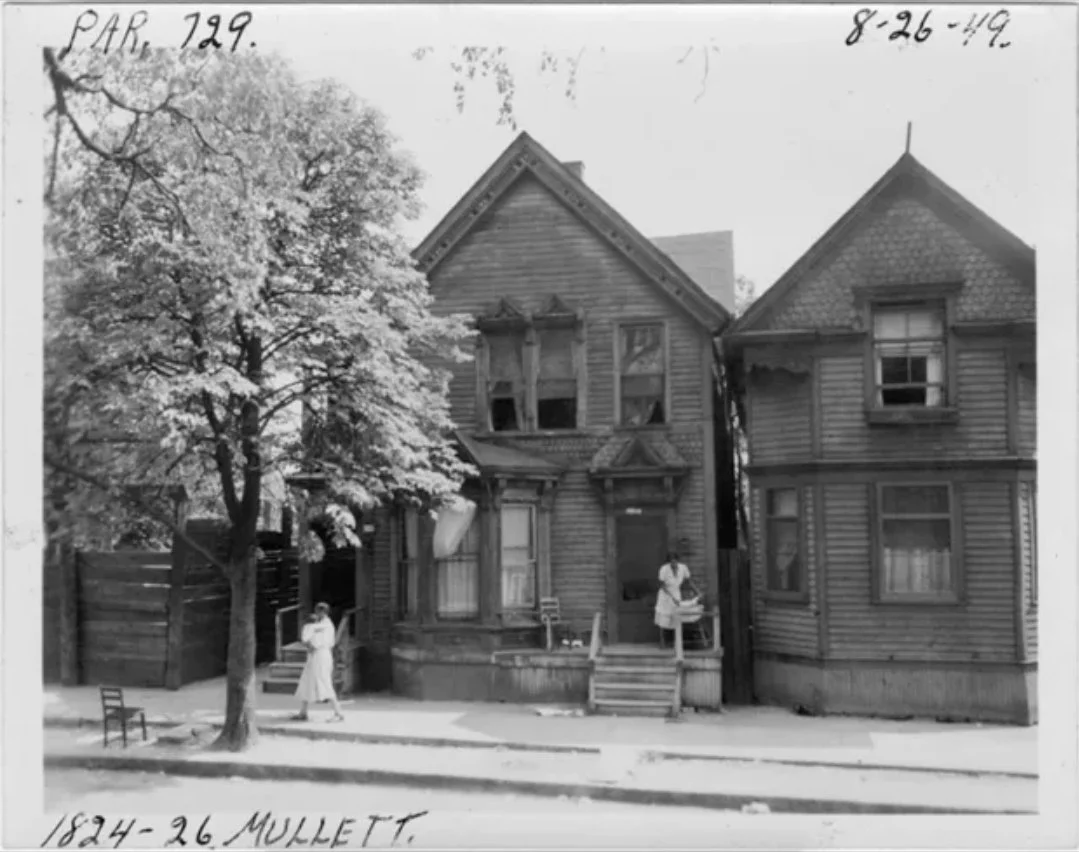
Houses at 1824-1826 Mullett, taken on August 26, 1949.Detroit Public Library Digital Collections
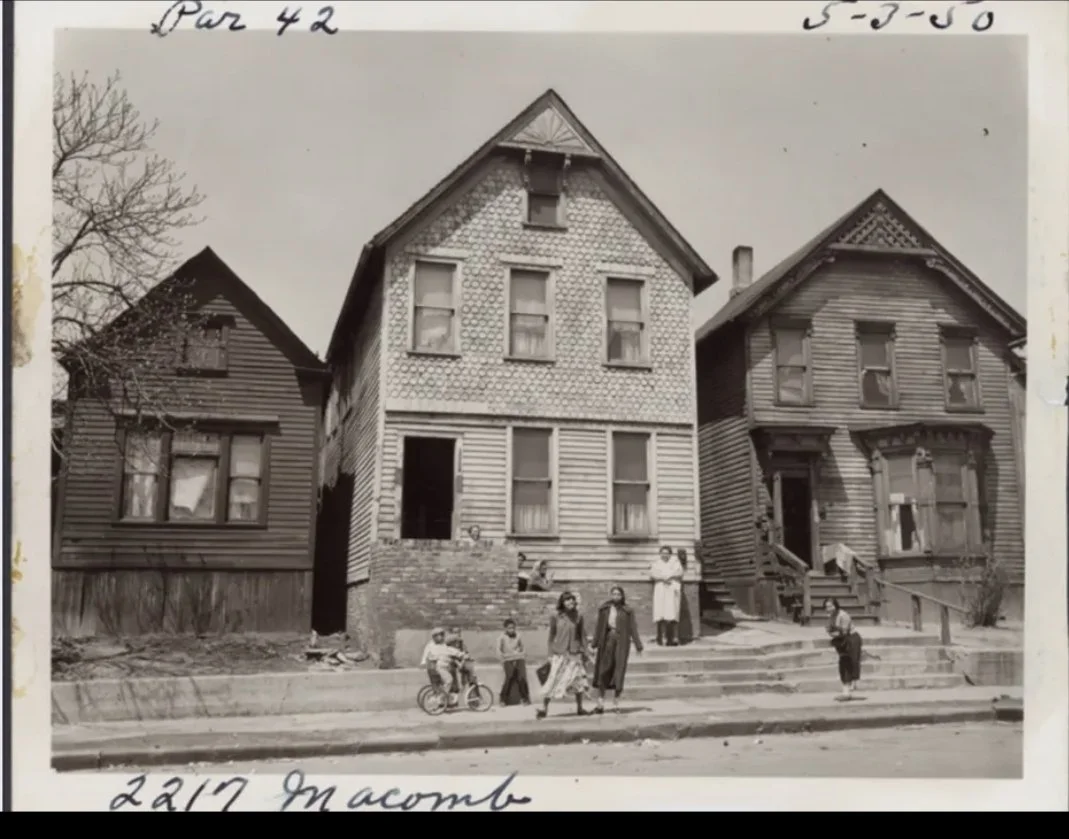
House at 2217 Macomb, taken on May 3, 1950.Detroit Public Library Digital Collections
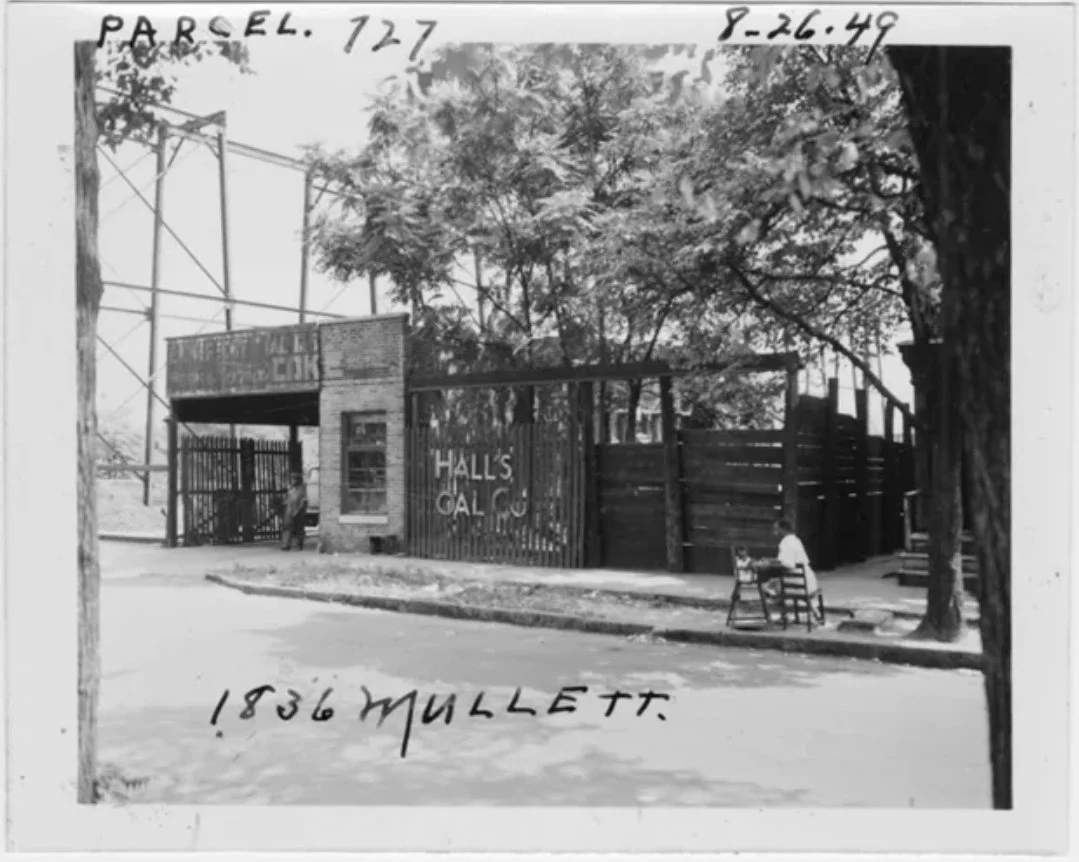
Hall Coal Co. at 1836 Mullett Detroit Public Library Digital Collections
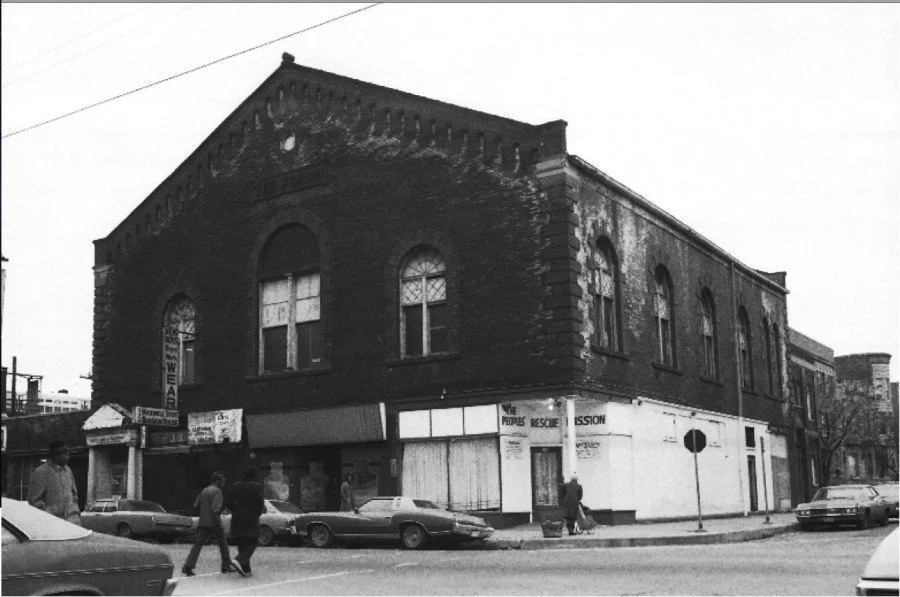
The Forum, One of the Oldest Ballrooms in Chicago (built in 1889). Image Source: Chicago Patterns
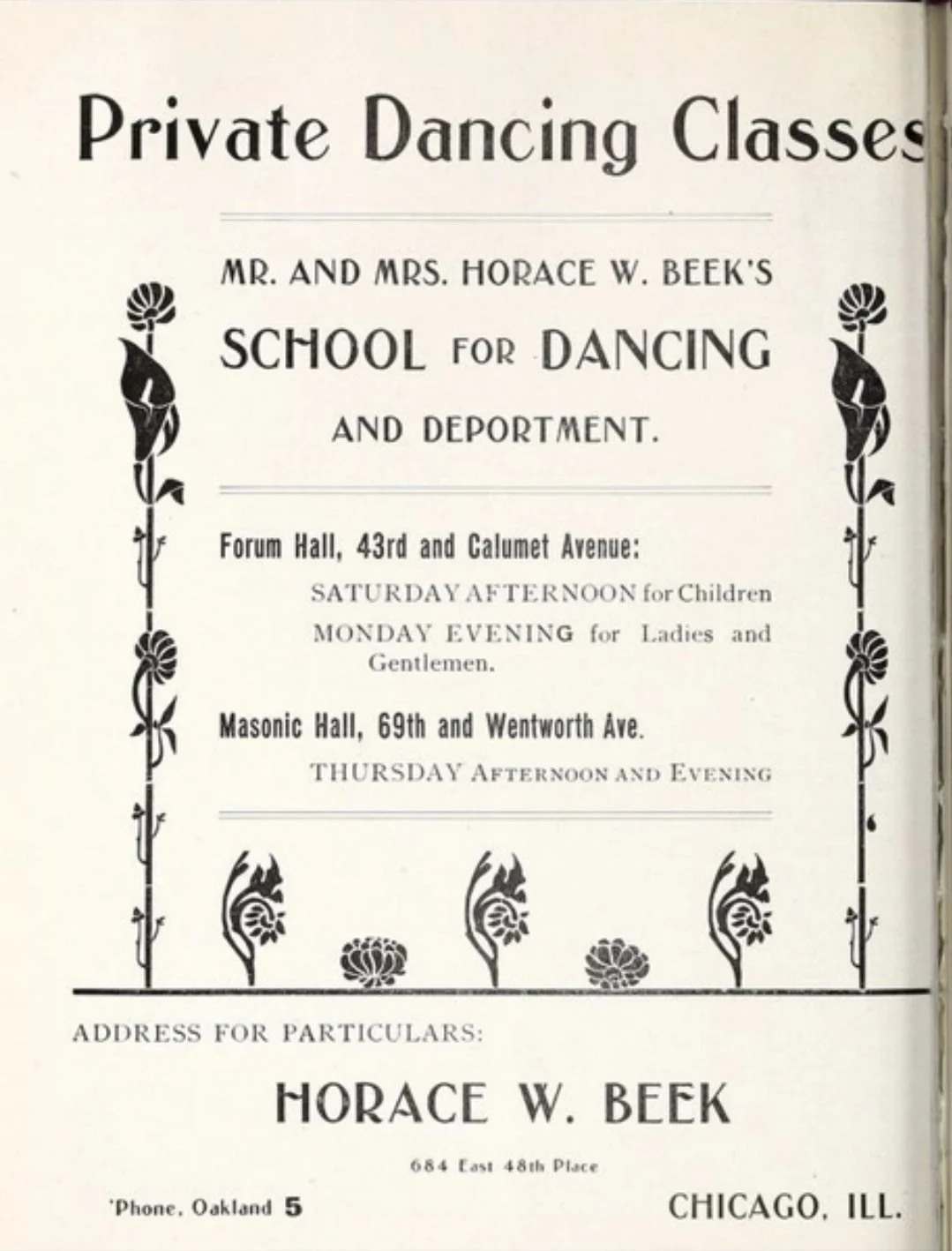
1902 Official Women’s Clubs Directory of Chicago contains an advertisement showing one of the uses of this structure, dancing classes. Image Source: Chicago Patterns

The Chicago Bee Building. Anthony Overton founded the newspaper for "civic and racial improvement and development" and to promote black business. image source: nps.gov

The Negro in Chicago, 1779-1929, Washington Intercollegiate Club of Chicago, Inc., 1929. Destroyed by the Illinois Institute of Technology to make way for Crown Hall.

Overton Hygenic Building, 1927. Image Source: nps.gov

State Street, 1925. Image Source: nps.gov

Miller's Hotel was one of three located on Second Street that catered to Black performers according to Billboard in December 1921. Richmond News Leader, October 27, 1910. image source: uncommonwealth

In 1897 the Richmond Planet moved its printing office to North Fourth Street, where John Mitchell Jr. proudly displayed the newspaper's dramatic masthead of a flexed bicep radiating lightning bolts from a clenched fist. Image source: uncommonwealth
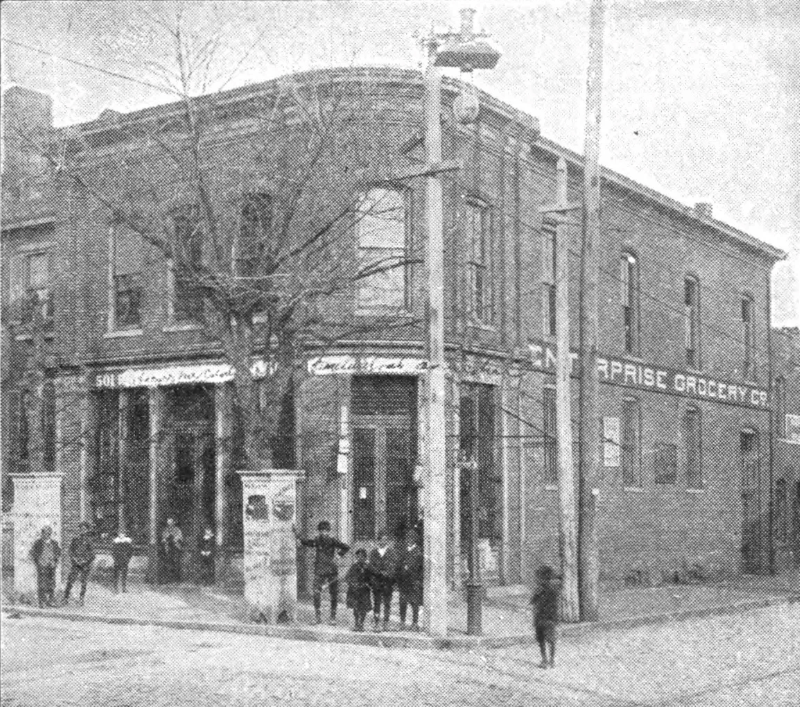
Located at the corner of Sixth and Clay Streets, the True Reformers' first general store opened in 1900. Image source: uncommonwealth

The St. Luke Emporium employed a majority-female staff while operating on East Broad Street between 1905 and 1911. Image Source: uncommonwealth

By the early twentieth century, North Second Street had become the hub of Richmond's Black business community and housed the headquarters of several fraternal associations and insurance companies. Souvenir Views: Negro Enterprises & Residences, Richmond, Va. (1907), Library of Congress.
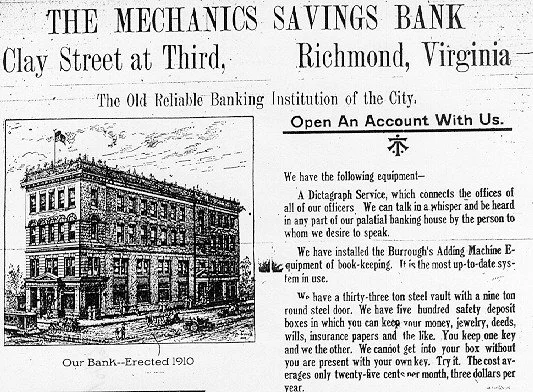
The Mechanics Savings Bank was the third bank chartered by black businessmen in Richmond, Virginia. Founded in 1902 by John Mitchell, Jr., a journalist and newspaper owner, the bank opened at another location before moving in 1910 to a new building at the corner of East Clay and 3rd Streets. Image Source: New Afrika History
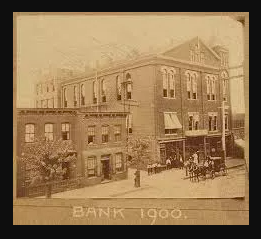
The True Reformers was one of the first major fraternal organizations to rise up in Jackson Ward. Image Source: National Park Service
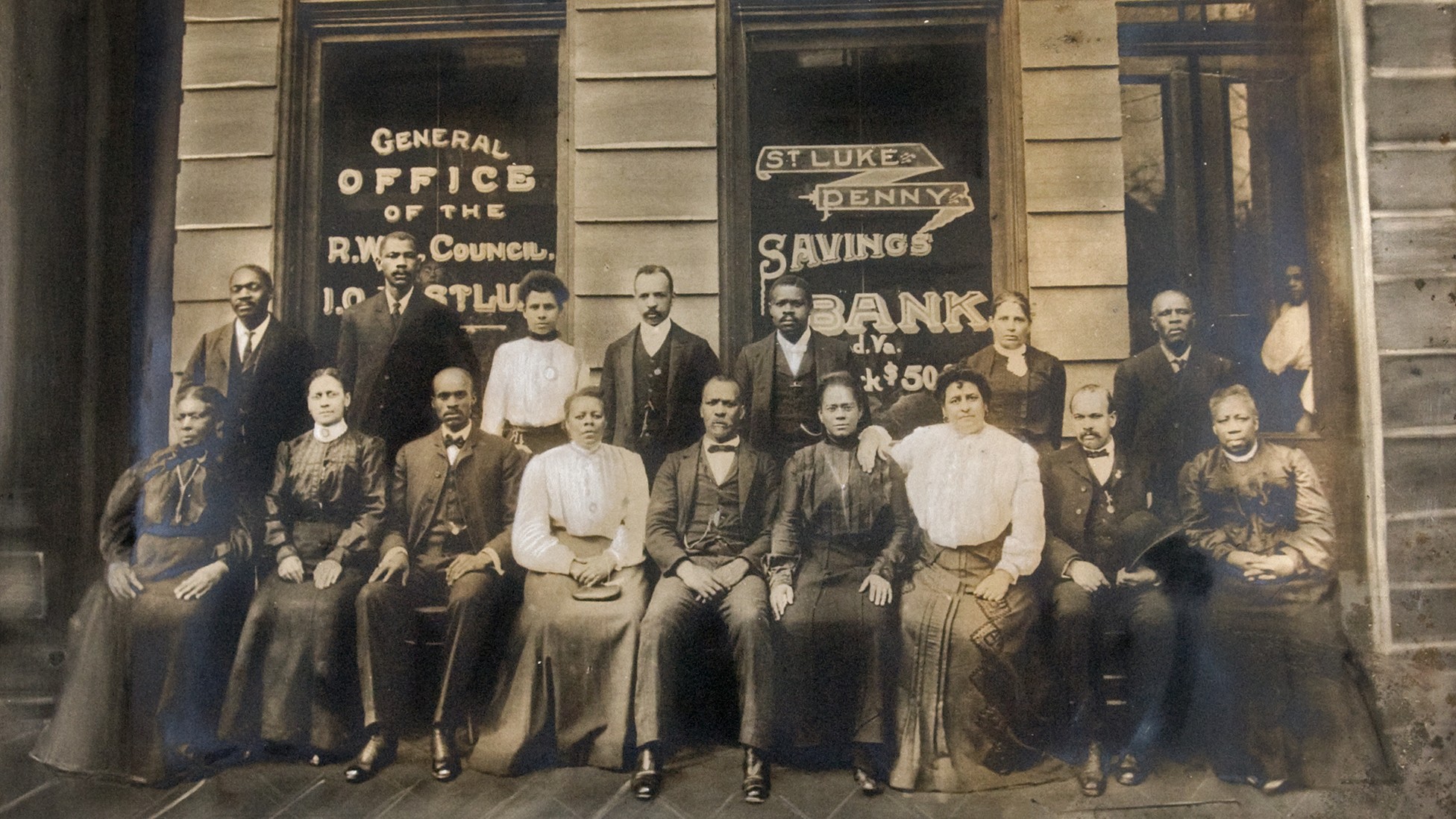
The St. Luke Penny Savings Bank in Richmond was one of the first black-owned banks in the United States. (Courtesy of National Park Service, Maggie L. Walker National Historic Site)
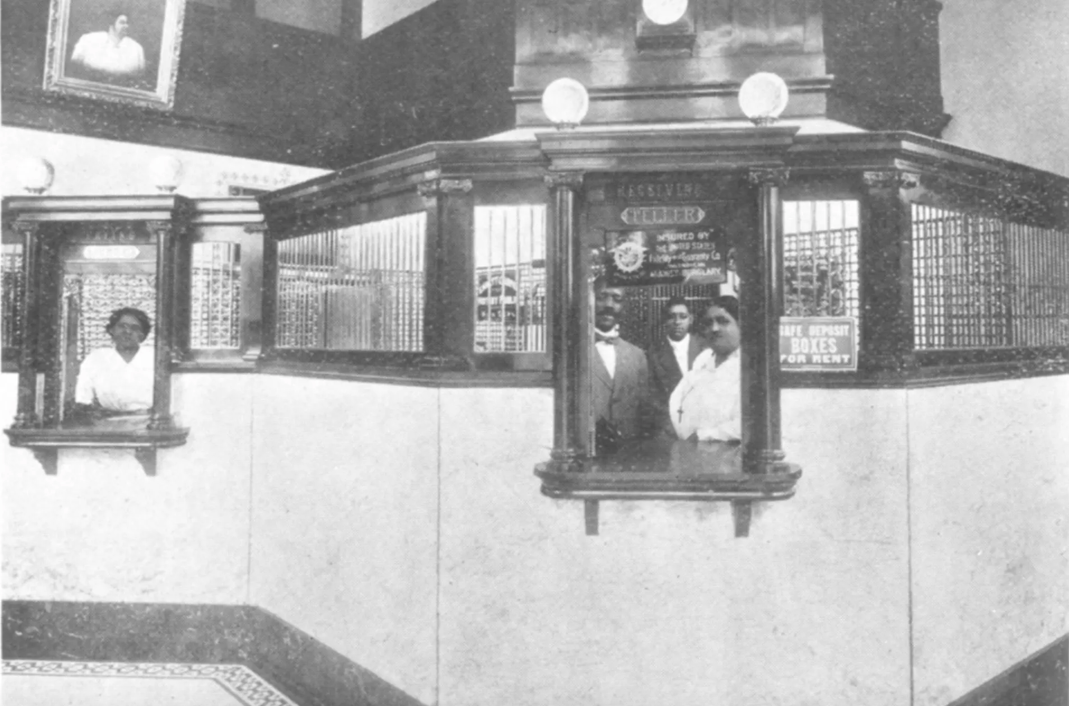
The St. Luke Penny Savings Bank was opened by Maggie Lena Walker (pictured, center-right) and became the longest running Black-owned bank in Jackson Ward and the United States.