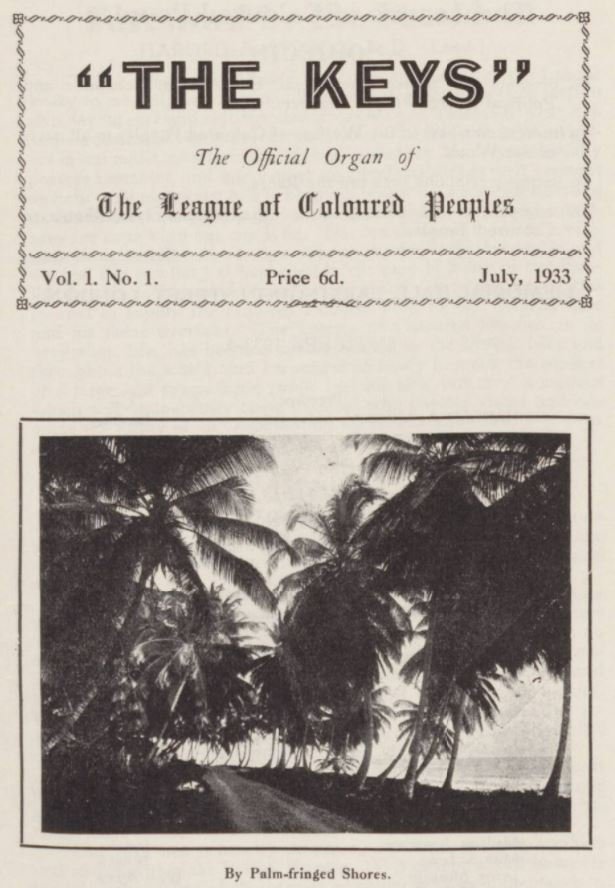
''Quarterly journal The Keys was first published in July 1933, with Jamaican-born Doctor Harold Moody as its editor. ‘The Official Organ of the League of Coloured Peoples,’ it aimed to address ‘the racial misunderstanding’ that was prevalent in society, both in Britain and beyond.''
The Key's Journal
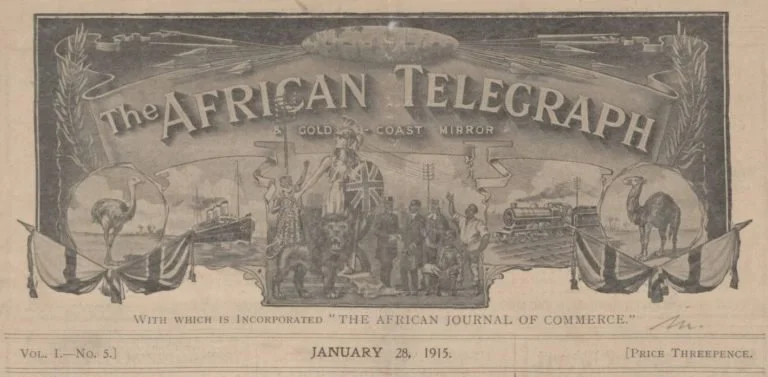
''The African Telegraph and Gold Coast Mirror was published in London from 1914. However, as academic Professor K.A.B. Jones-Quartey noted in his survey of the Gold Coast press, the African Telegraph and Gold Coast Mirror was a ‘child of both worlds.’ Jones-Quartey goes on to describe how:It was printed in London in technical perfection, but was sponsored in Accra, and was lavishly illustrated with pictures from the then Gold Coast while at the same time carrying a wide coverage of West African affairs.''
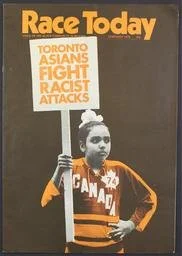
Race Today vol.10 No.2 February 1978
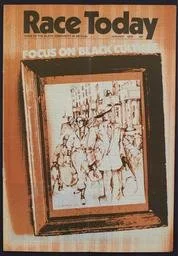
Race Today vol.10 No.1 January 1978
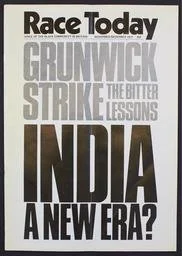
Race Today vol.9 No.7 November/December 1977
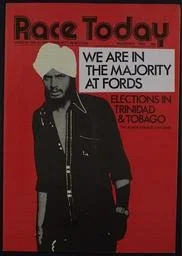
Race Today vol.8 No.11 November 1976
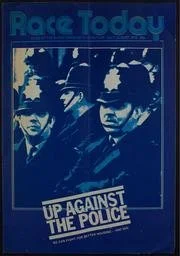
Race Today vol.8 No.7-8 July/August 1976
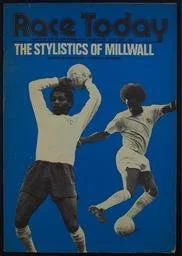
Race Today vol.8 No.5 May 1976
The struggle of Asian workers in Britain Race today1983
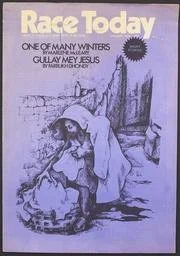
Race Today vol.11 No.1. January 1979
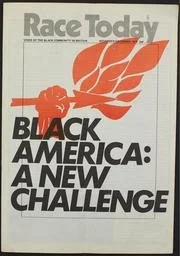
Race Today vol.10 No.7 November/December 1978

Race Today vol.10 No.6 September /October 1978
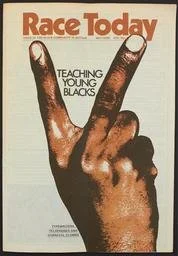
Race Today vol.10 No.4 May/June 1978
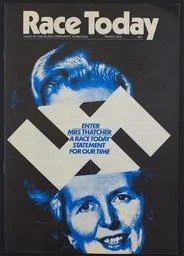
Race Today vol.10 No.3 March 1978
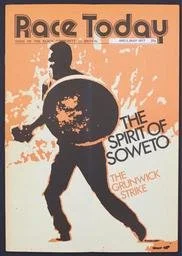
Race Today vol.9 No.3 April/May 1977
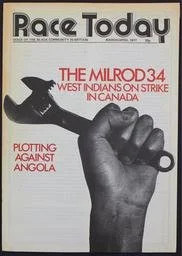
Race Today vol.9 No.2 March/April 1977
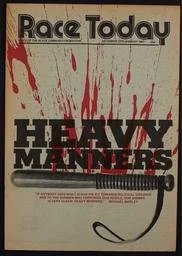
Race Today vol.8 No.12 December 1976/January 1977

Race Today Vol.8 No.10, October 1976

Race Today Vol.8 No.9, September, 1976

Race Today Vol.10 No.4, May / June 1978
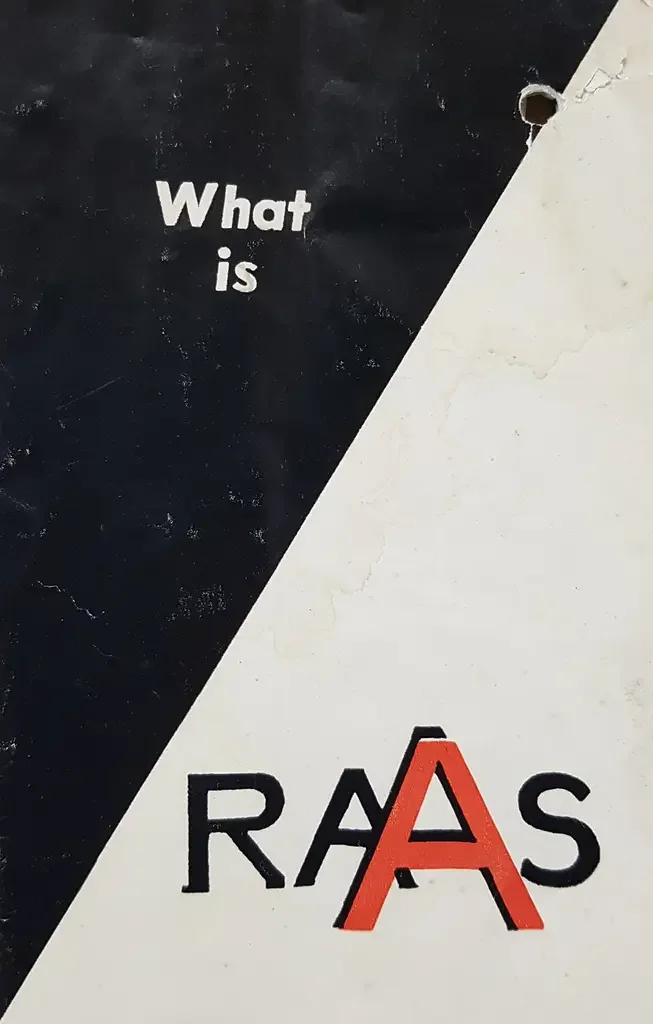
RAAS The front cover of a Michael X's pamphlet with the title 'What is RAAS' written across it. Date 1970 Catalogue reference MEPO 28/4 The Racial Action Adjustment Society, or RAAS, was the brainchild of Michael X. Born Michael de Freitas in Port of Spain, Trinidad in 1933, Michael came to England in the late 1950s as a merchant seaman. He would later change his name to Michael Abdul Malik, following his conversion to Islam, but was best known as Michael X. The name was given to him by a reporter after Malcolm X, on his visit to England in 1965, referred to him as his ‘brother.’ Michael chose the name 'The Racial Action Adjustment Society' for comedic effect. The acronym, RAAS, doubled as a swearword in Jamaican Patois (meaning ‘arse,’ and often used with ‘claat’ meaning ‘cloth’ for toilet paper, or sanitary towel). Michael thought it would be funny to hear white people unknowingly repeat it in media content and viewed it as a way of poking fun at the establishment, capitalising on their failure to grasp Black vernacular.
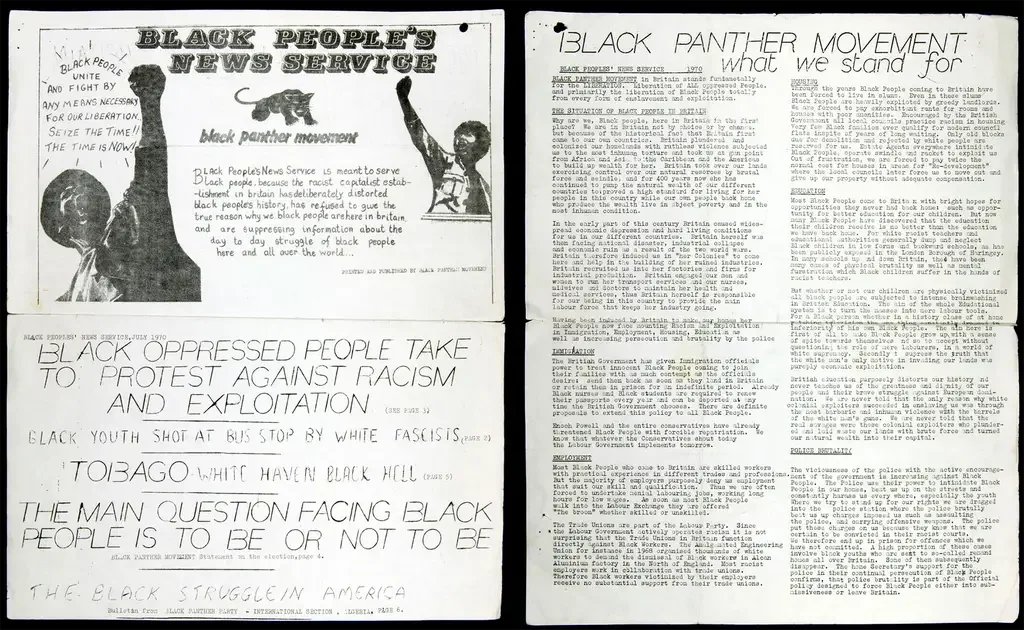
Black People’s News Service Two pages from Black People's News Service. The left page shows two black men raising their fists. Date 1970 Catalogue reference MEPO 31/21 Black People’s News Service was a publication by the British Black Panther Party, the largest Black Power group in Britain at this time. Police described the organisation as ‘black militant extremists’. Yet, the aims of the movement describe concerns about employment, housing, education and police brutality. The newspaper detailed their work including Black history sessions, political education courses, and supporting Black people through the courts. It also tracked global Black liberation struggles, and reported local experiences of racism in London. It was taken as evidence as part of the Mangrove Nine trial, seized from Rhodan Gordon's house during his arrest. Copies of the publication were also sold at the Mangrove march, as seen in photographic police evidence. The British Black Panther Party was relatively short lived, but other organisations appeared around this time.