Skip to Content
About
Library
Archives
Books
Objects + Artefacts
Physical Packages
Digital Packages
Notes
Visionsofblackness
Login Account
English
0
0
About
Library
Archives
Books
Objects + Artefacts
Physical Packages
Digital Packages
Notes
Visionsofblackness
Login Account
English
0
0
About
Library
Archives
Folder: Shop
Back
Books
Objects + Artefacts
Physical Packages
Digital Packages
Notes
Login Account
English
Back
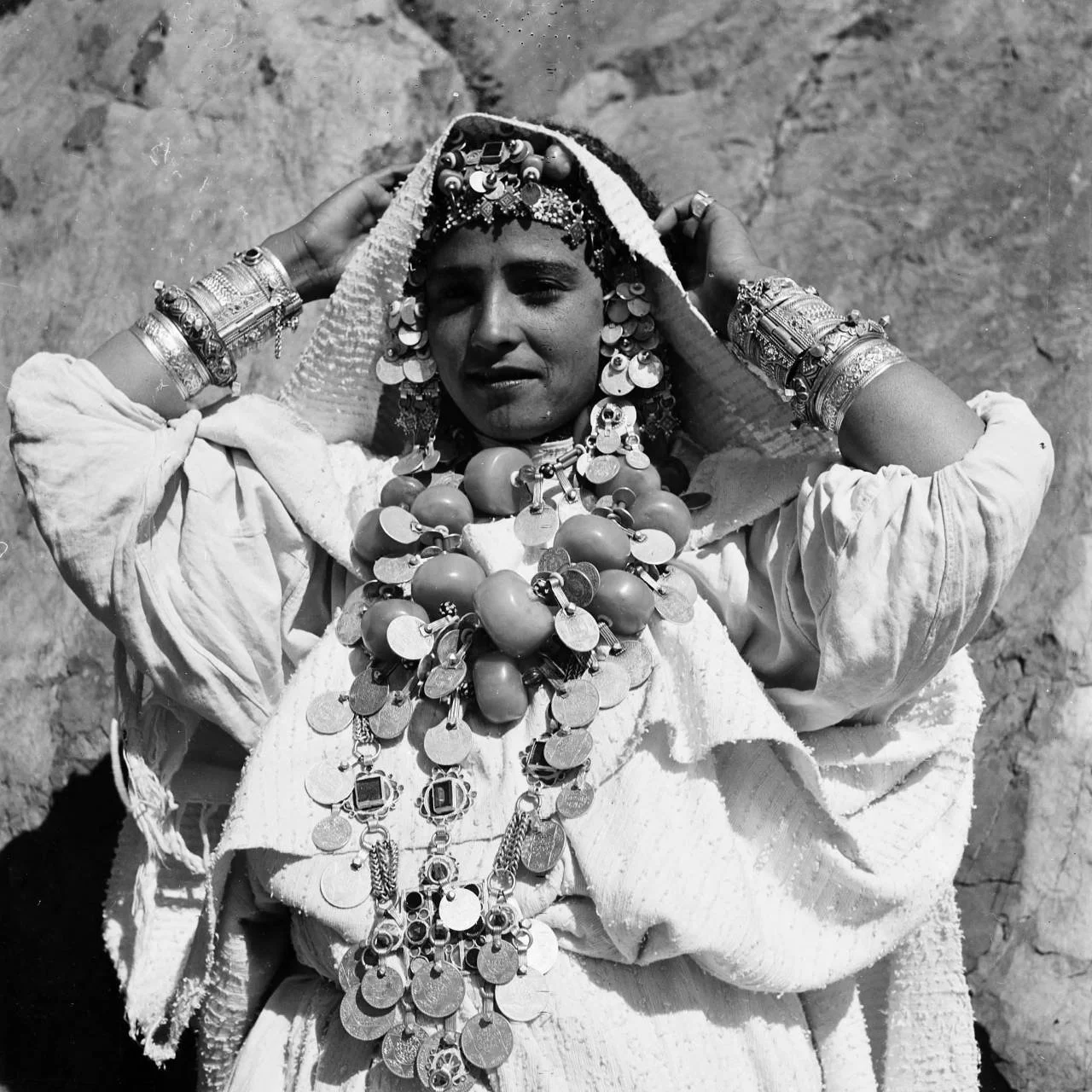
Ammeln, Morocco, 1934-37. Jean Besancenot
Ammeln, Morocco, 1934-37. Jean Besancenot

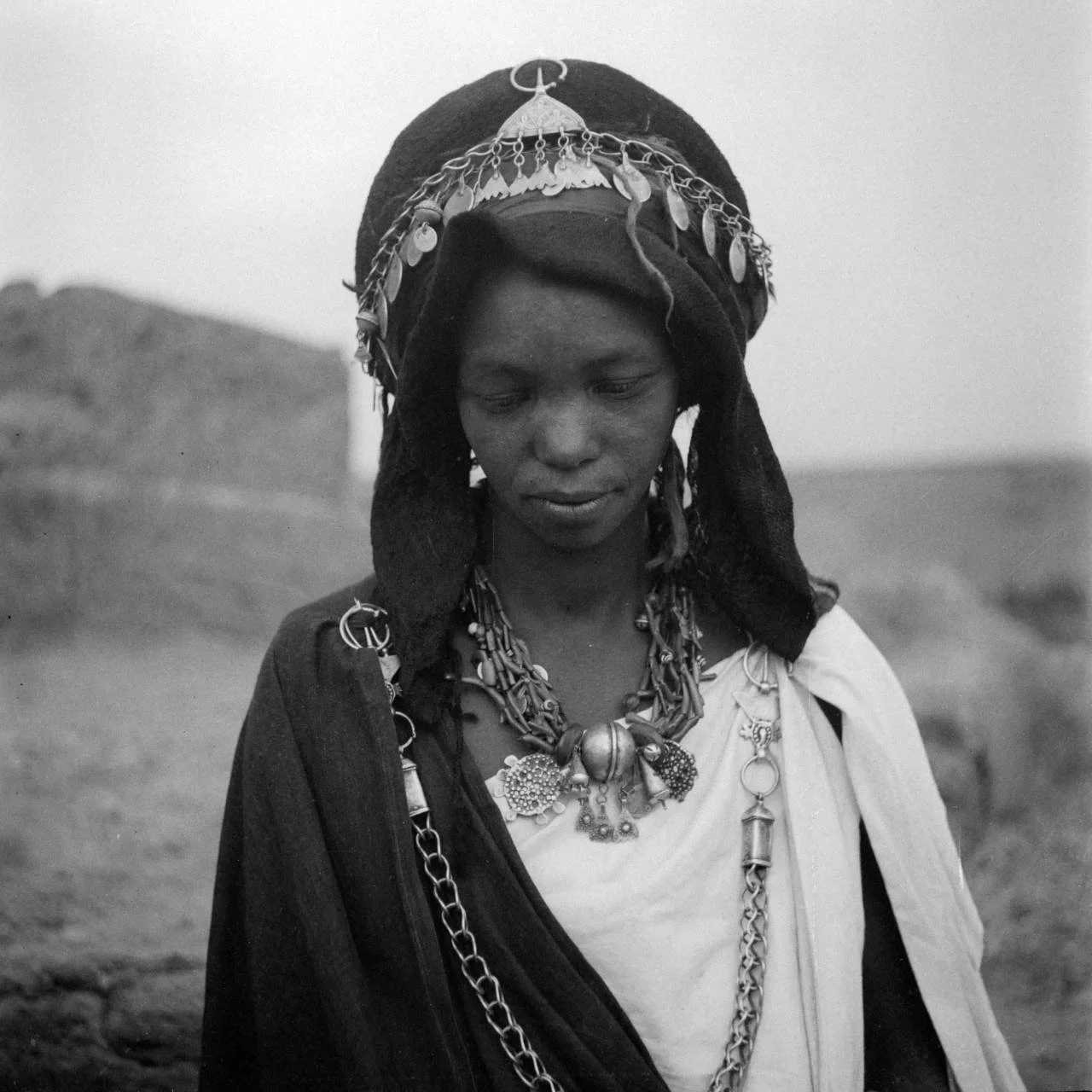
Dades Valley, Morocco, 1934-1947. Jean Besancenot
Dades Valley, Morocco, 1934-1947. Jean Besancenot

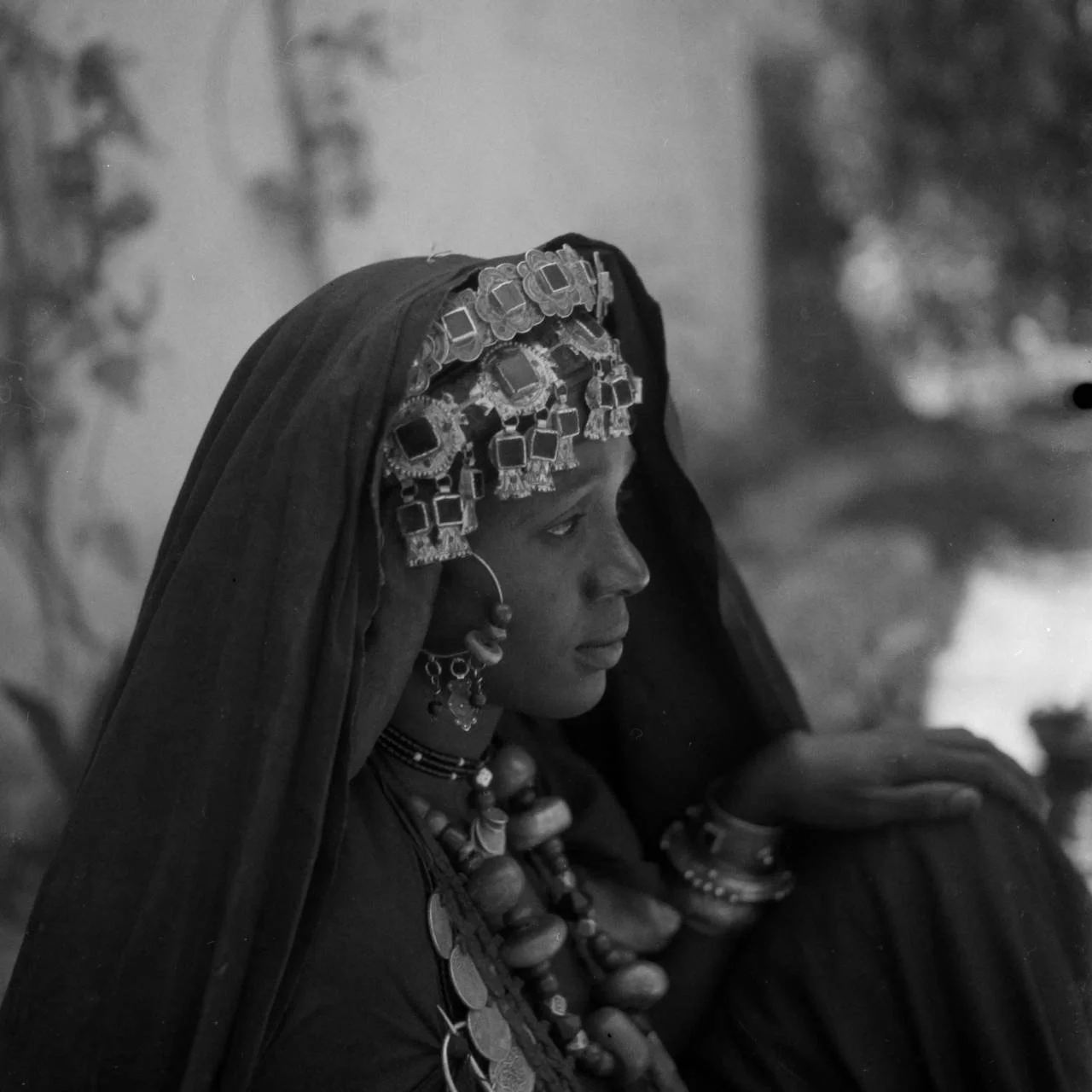
Tagmout, Morocco, 1934-1947. Jean Besancenot
Tagmout, Morocco, 1934-1947. Jean Besancenot

Nubian woman — source: unknown
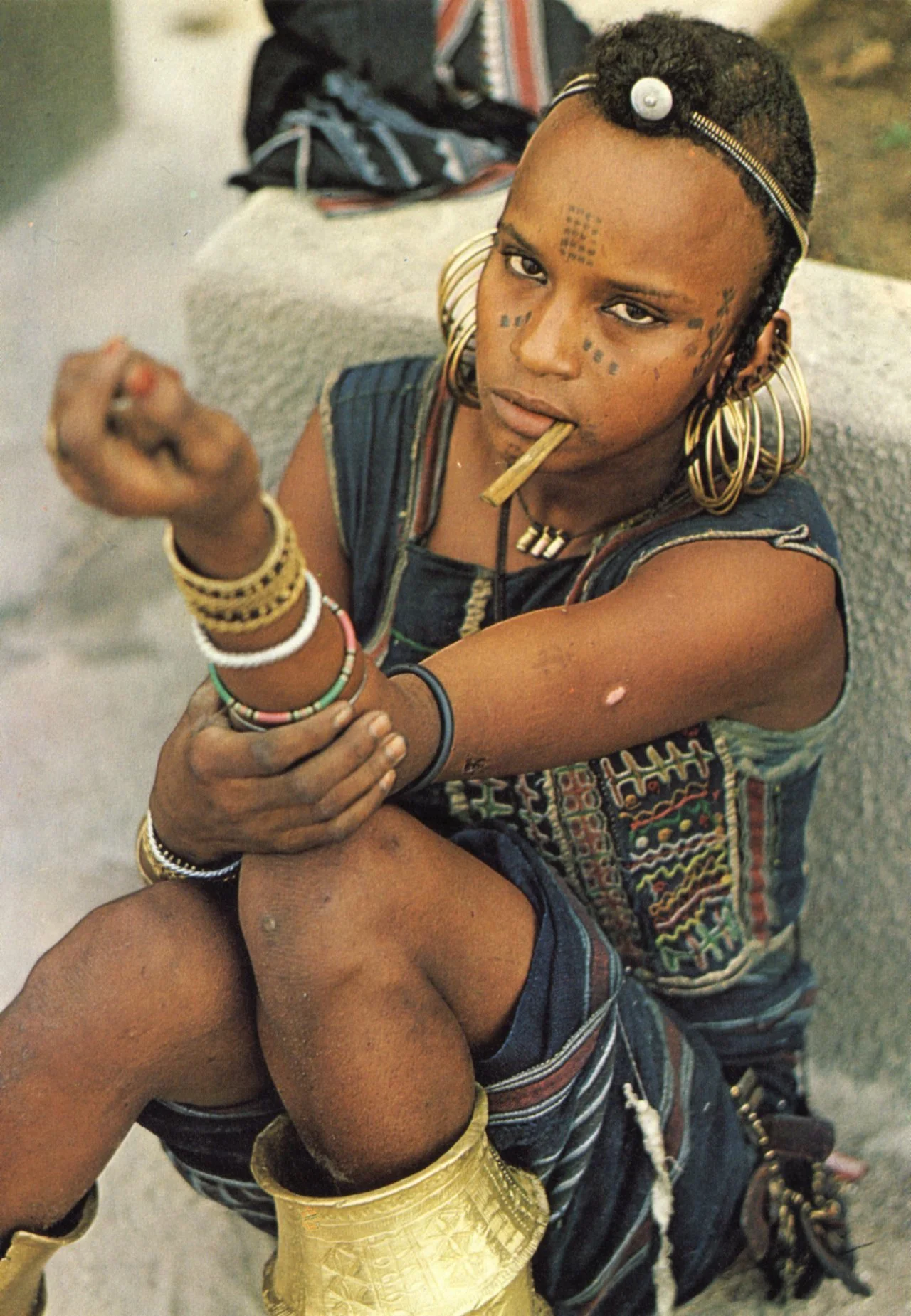
Nubian woman — source: unknown

Scanned from the book Regards sur le Niger; 1978; Michel Renaudeau & Ide Oumarou
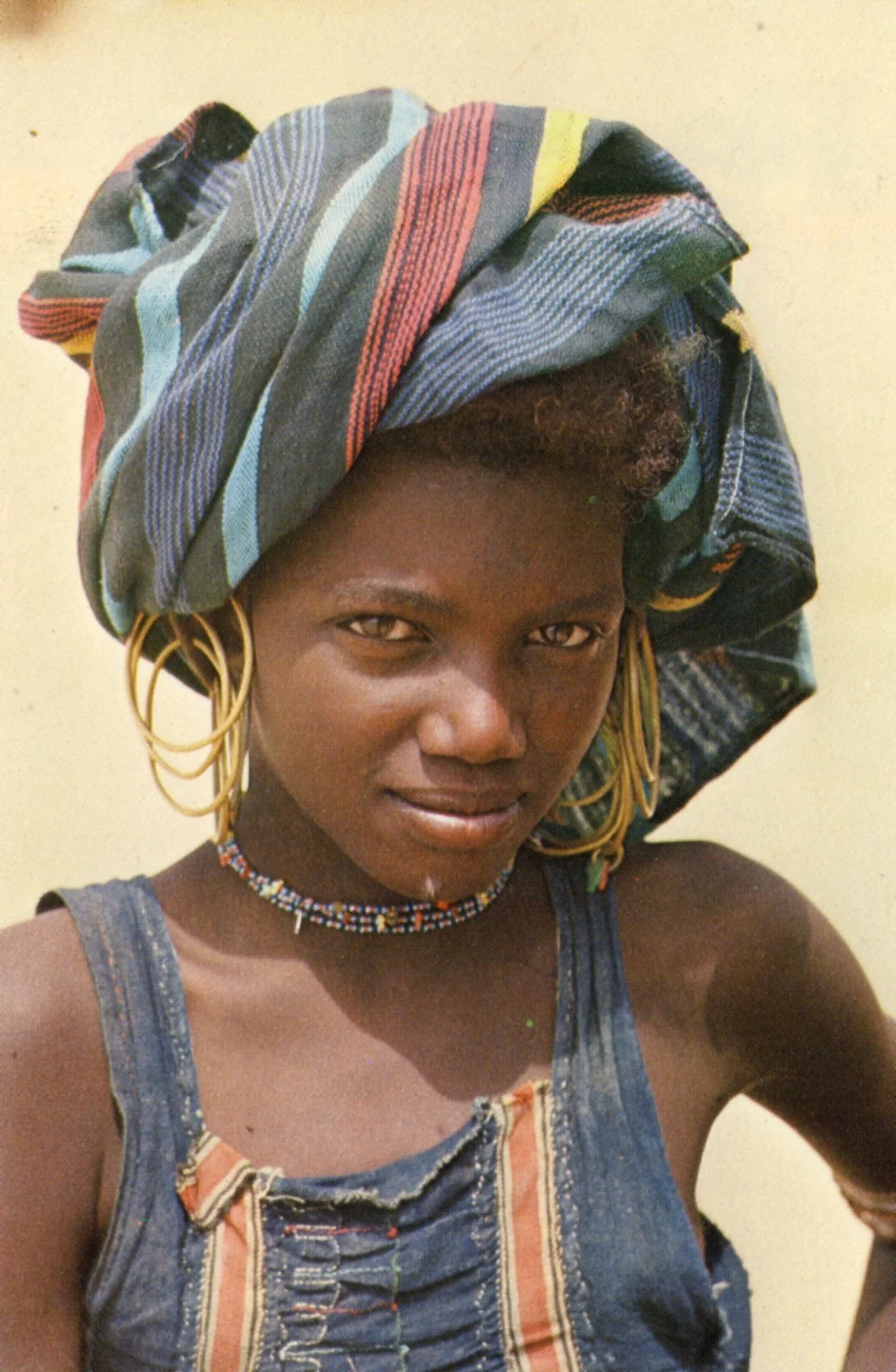
Scanned from the book Regards sur le Niger; 1978; Michel Renaudeau & Ide Oumarou
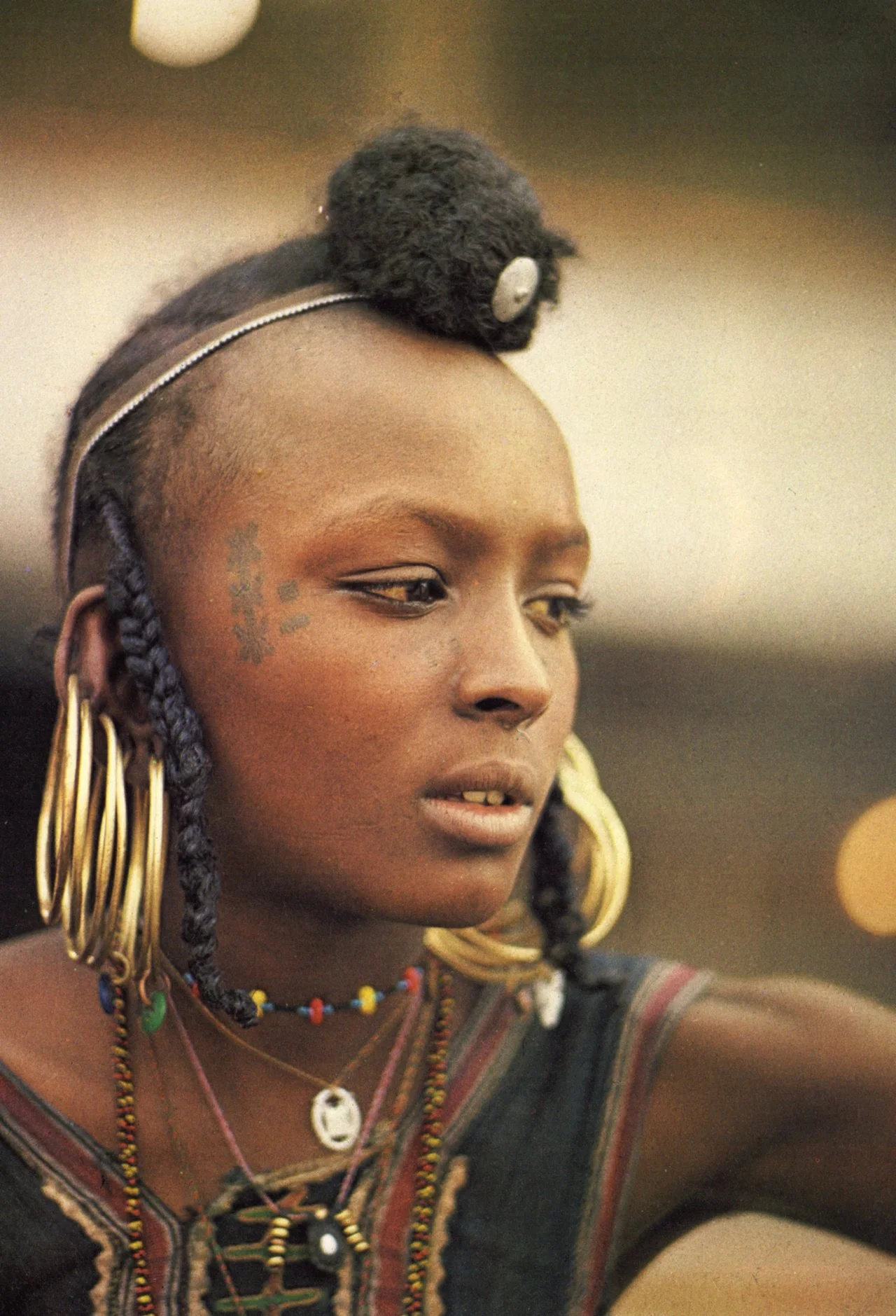
Scanned from the book Regards sur le Niger; 1978; Michel Renaudeau & Ide Oumarou
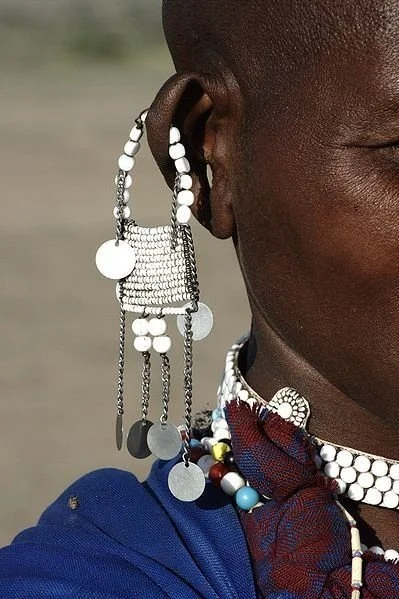
Scanned from the book Regards sur le Niger; 1978; Michel Renaudeau & Ide Oumarou

Scanned from the book Regards sur le Niger; 1978; Michel Renaudeau & Ide Oumarou

Scanned from the book Regards sur le Niger; 1978; Michel Renaudeau & Ide Oumarou

Maasai adornment (Tanzania) — source: unknown
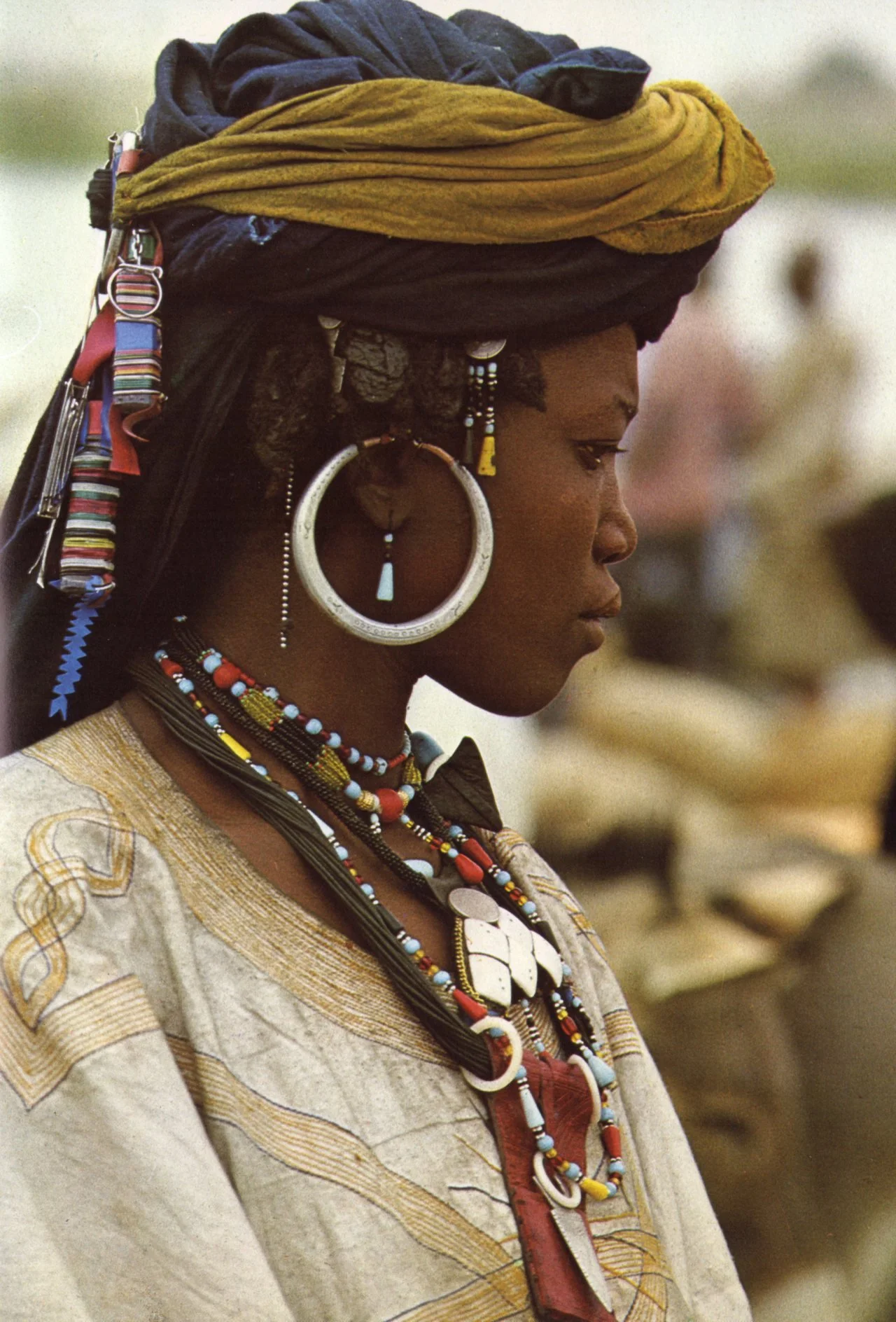
Maasai adornment (Tanzania) — source: unknown

Scanned from the book Regards sur le Niger; 1978; Michel Renaudeau & Ide Oumarou
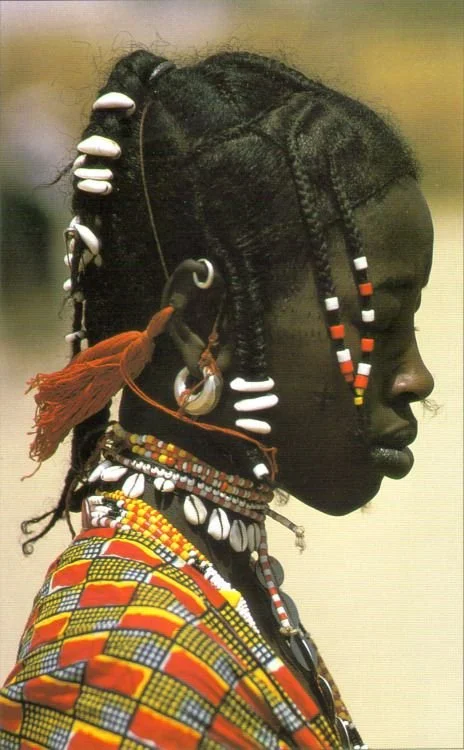
Scanned from the book Regards sur le Niger; 1978; Michel Renaudeau & Ide Oumarou

Eritrean woman — source: unknown

Eritrean woman — source: unknown

Ethiopian woman — source: unknown

Ethiopian woman — source: unknown

Hair style of a Songhai woman from the Gao region (Niger). — source: unknown

Hair style of a Songhai woman from the Gao region (Niger). — source: unknown

South Africa, 1971 — source: unknown

South Africa, 1971 — source: unknown

Woman form Burkina Faso — source: unknown
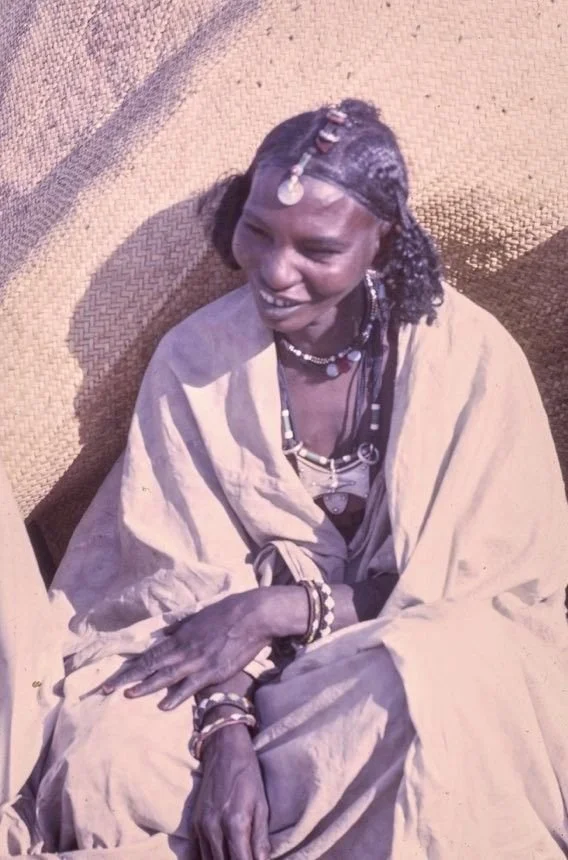
Woman form Burkina Faso — source: unknown

Source: unknown
Source: unknown

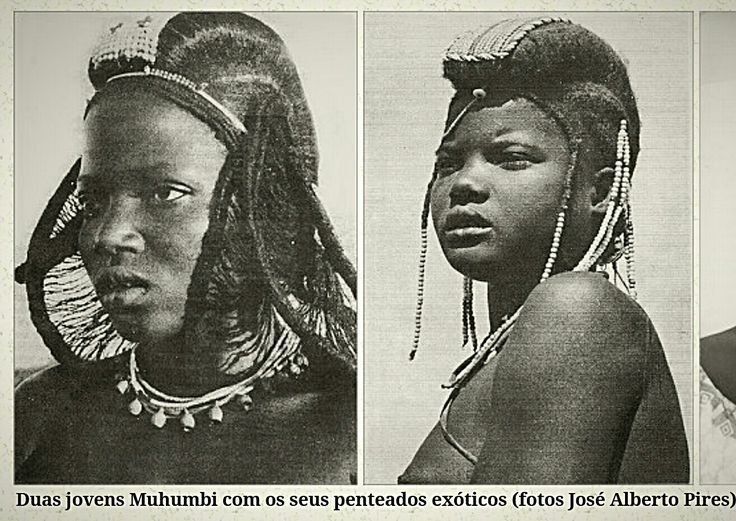
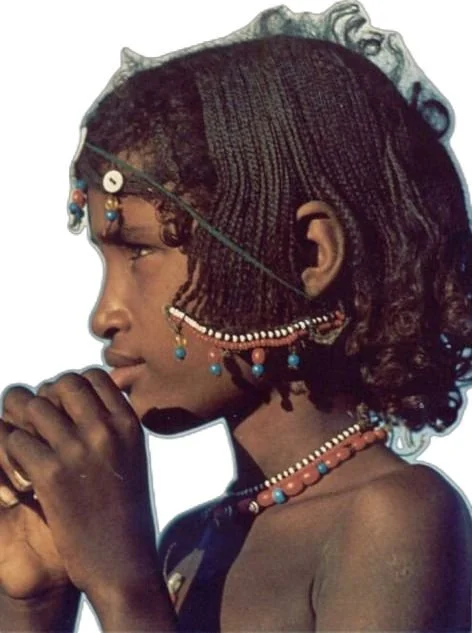
Two young Muhumbi women  (photos by José Alberto Pires).
Two young Muhumbi women (photos by José Alberto Pires).

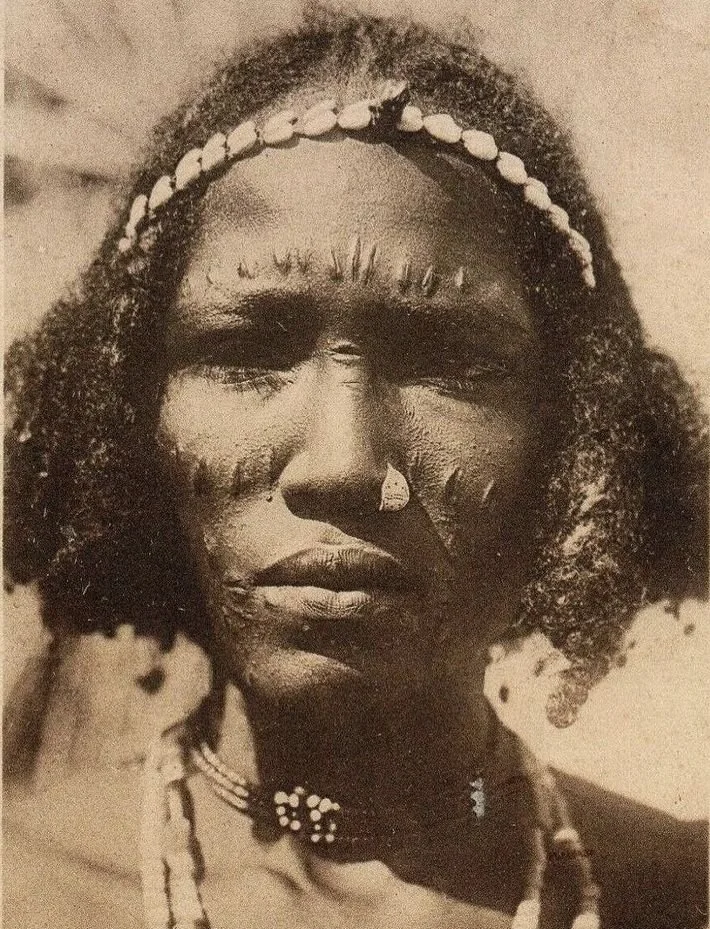
Kunama woman from Eritrea, 1920 — unknown
Kunama woman from Eritrea, 1920 — unknown

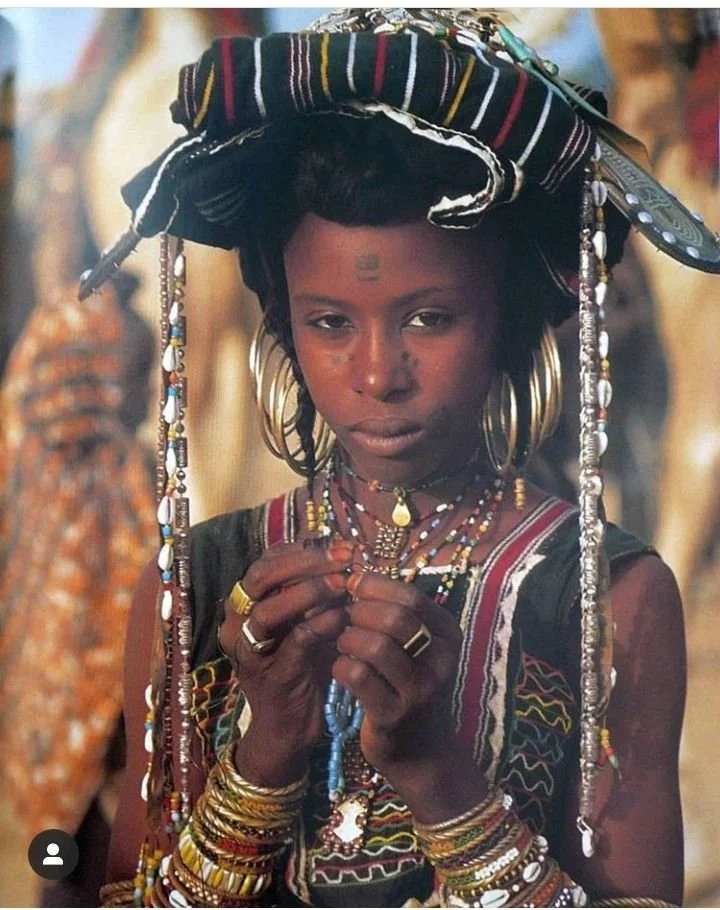
Source: unknown
Source: unknown

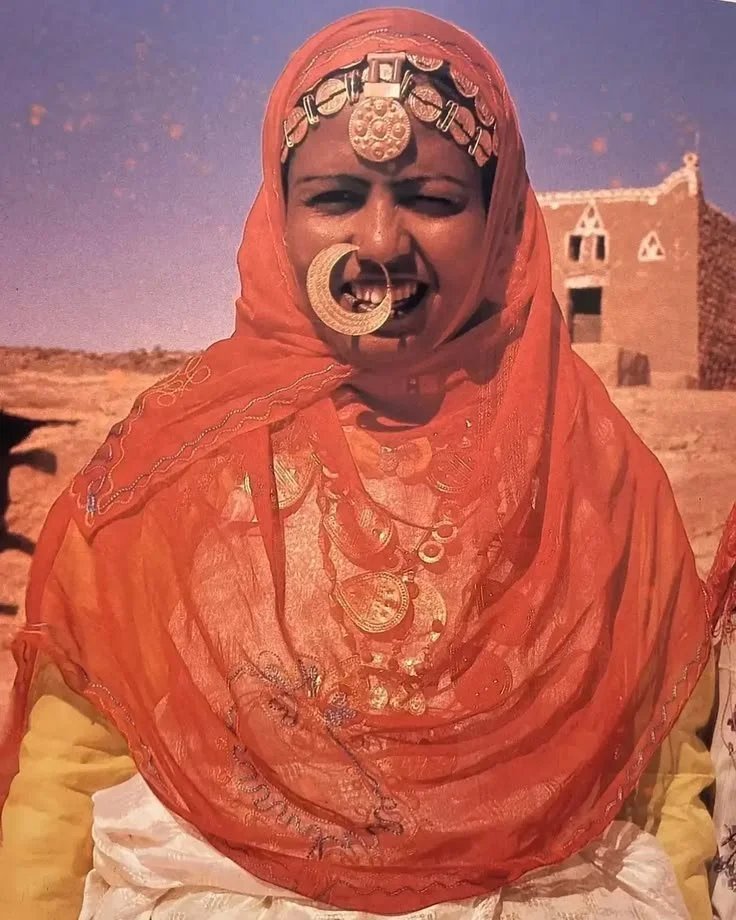
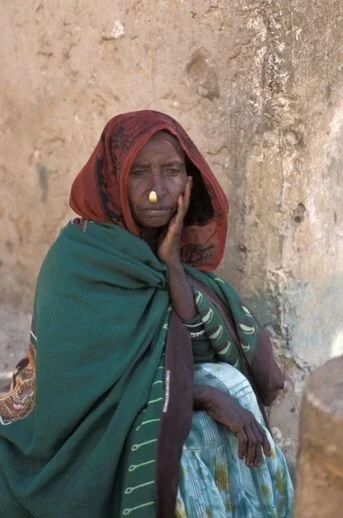
Tigray woman with gold nose ring
Tigray woman with gold nose ring

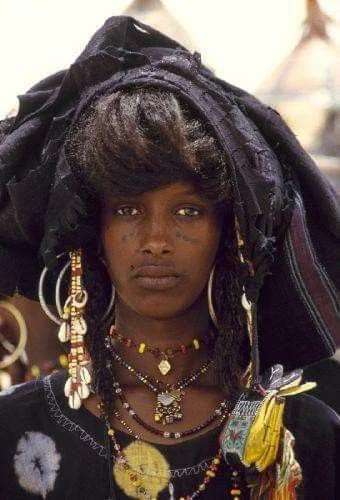
Source: unknown
Source: unknown

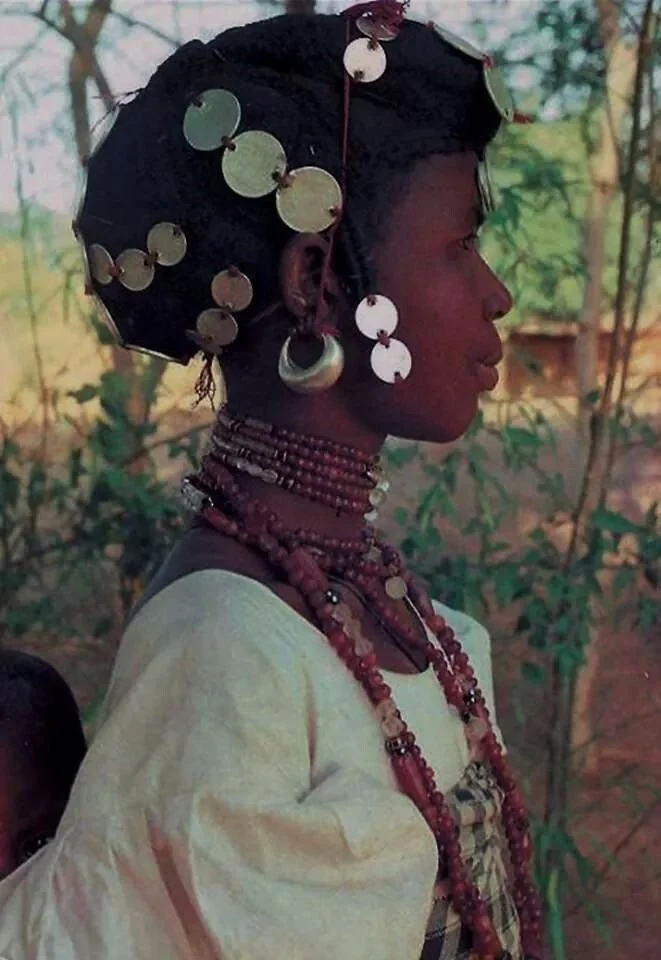
Haute Volta (Upper Volta), “Face of High Volta,” young Peulh mother.
Haute Volta (Upper Volta), “Face of High Volta,” young Peulh mother.

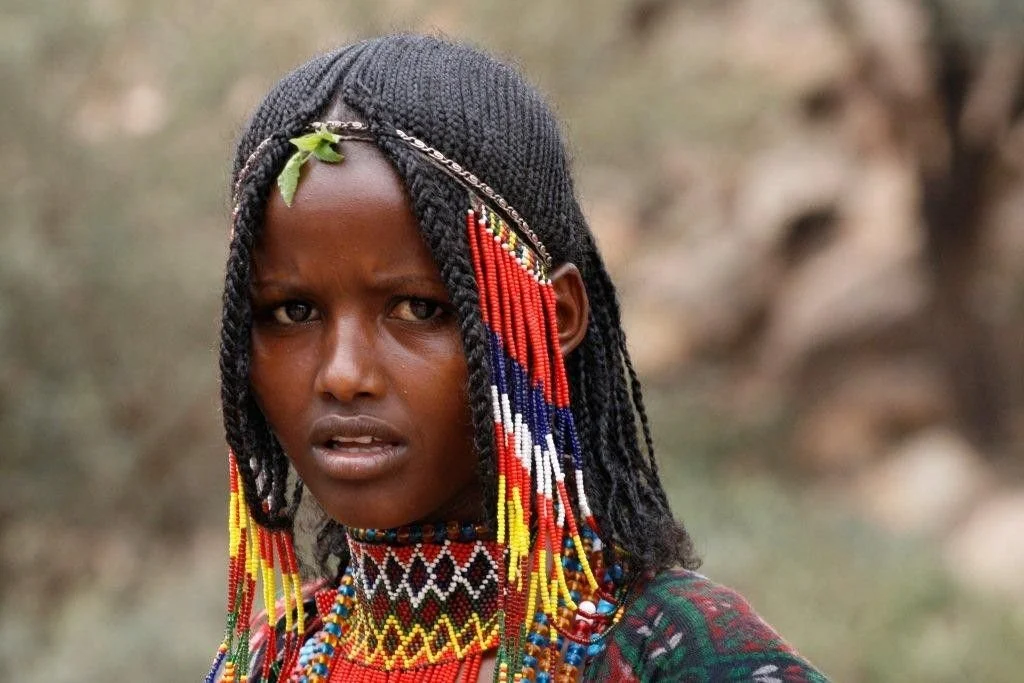
portrait of an Ethiopian woman
portrait of an Ethiopian woman

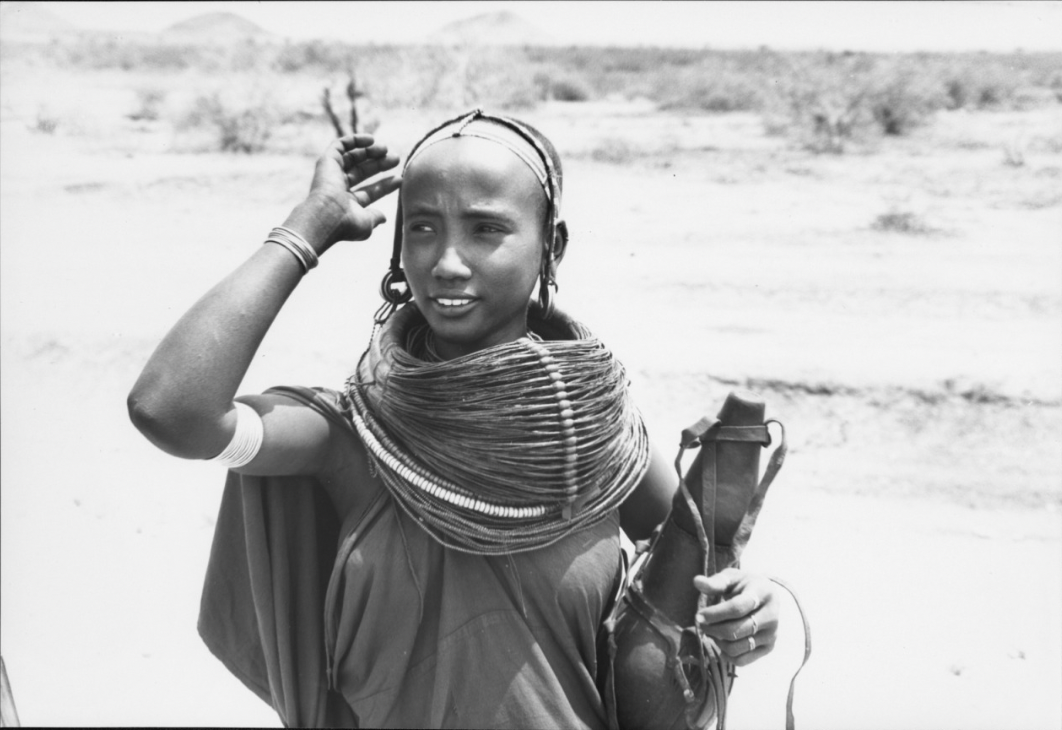
Kenya, 1977. Günther Helm
Kenya, 1977. Günther Helm

Fulbe woman
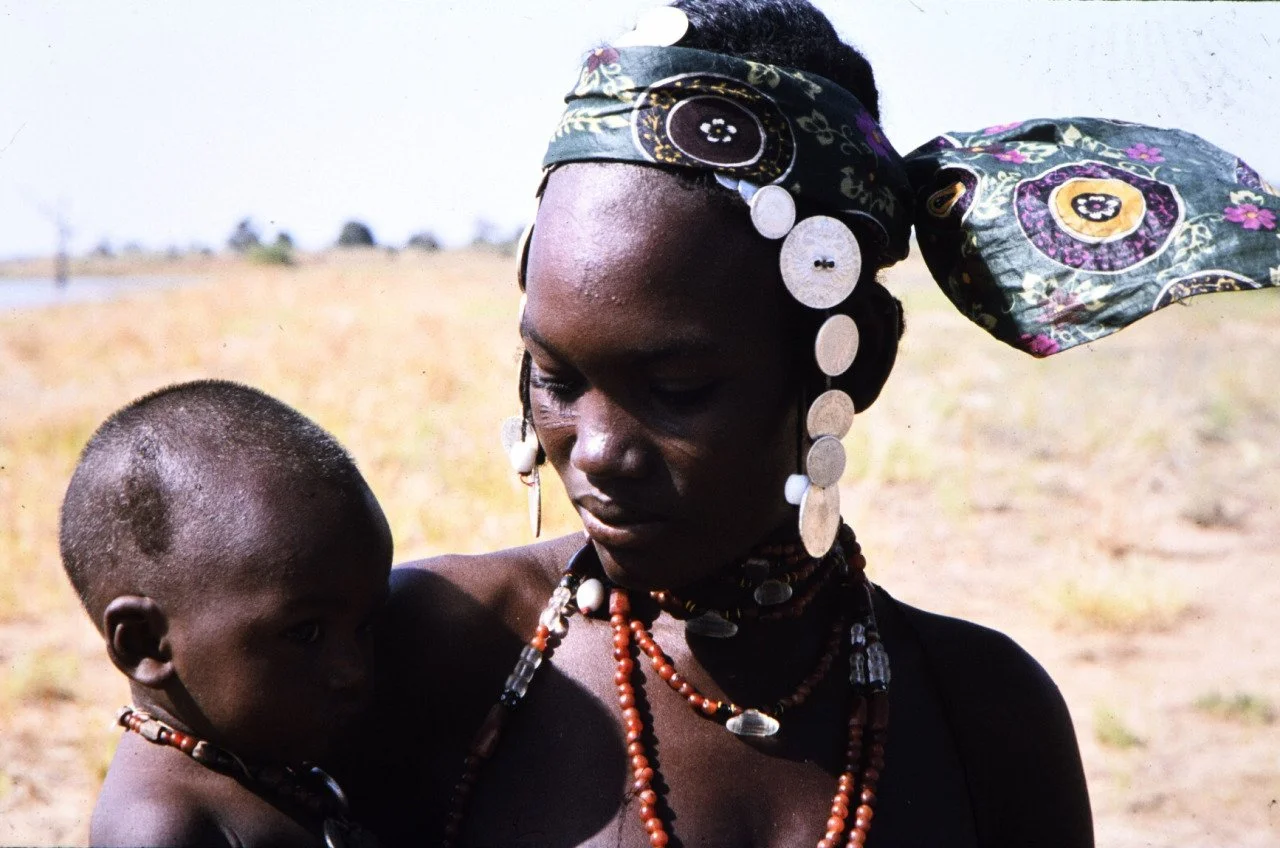
Fulbe woman

Burkina Faso, 1978. Johan Theodorus Broekhuijse
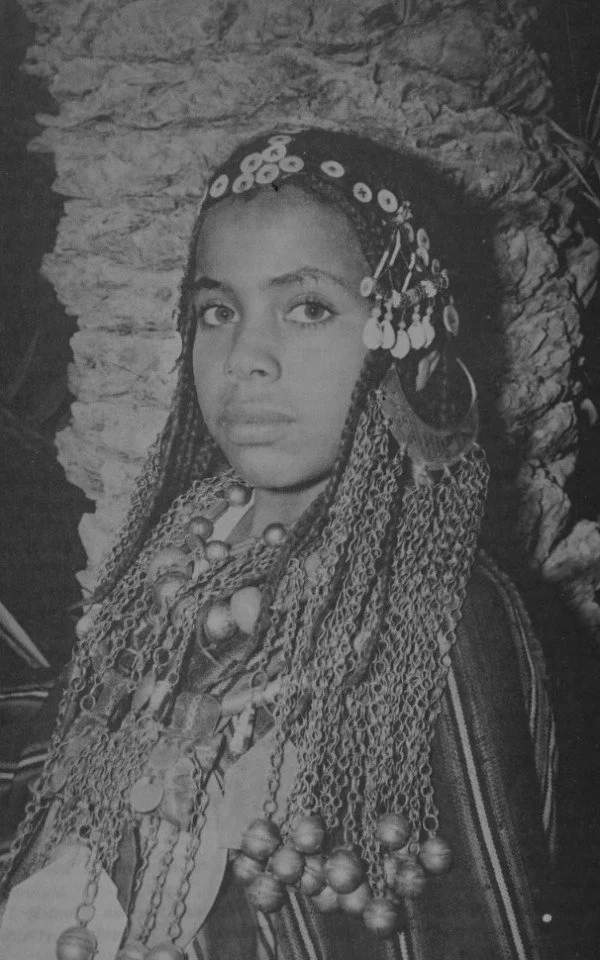
Burkina Faso, 1978. Johan Theodorus Broekhuijse

Young Siwa Oasis girl wearing silver neck torques with a sun-disc pendant
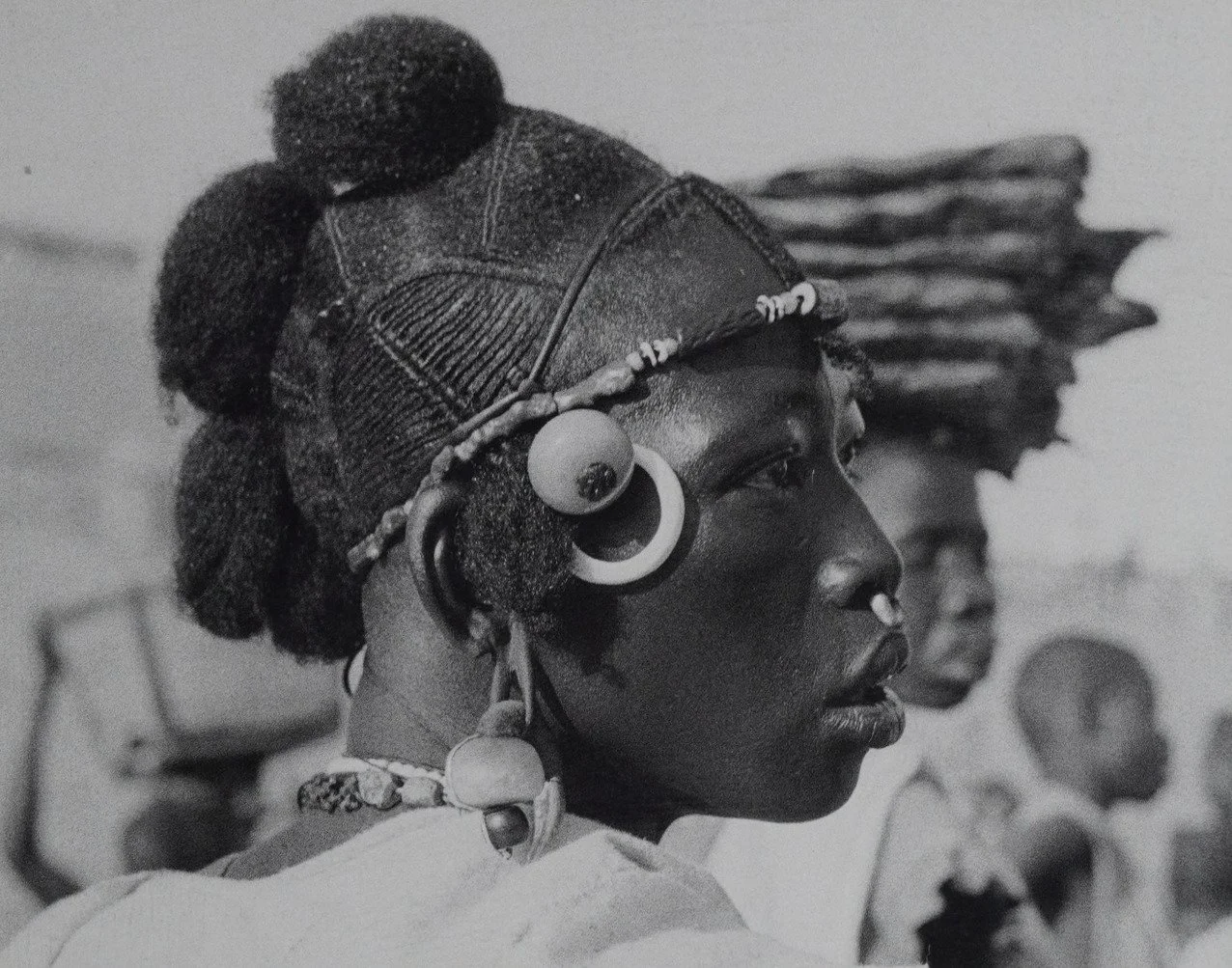
Young Siwa Oasis girl wearing silver neck torques with a sun-disc pendant

unidentified woman, Mali, 1949. From the book Hector Acebes: portraits in Africa; 1948-1953. Pg. 28
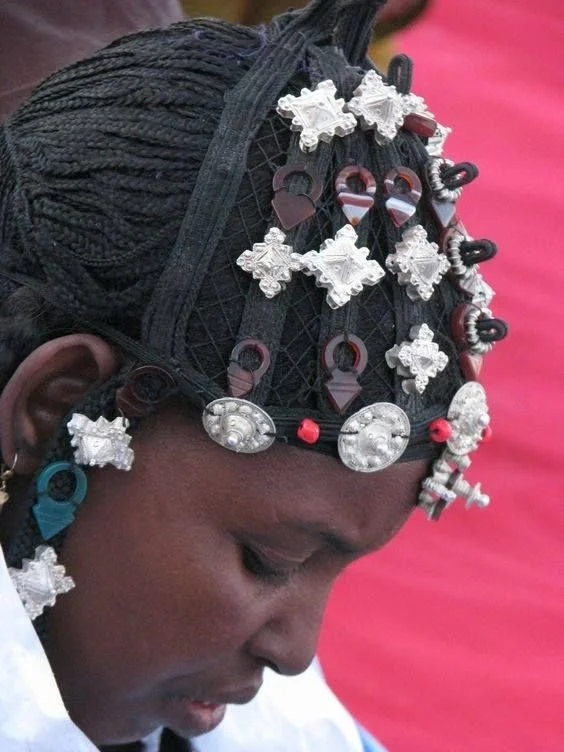
unidentified woman, Mali, 1949. From the book Hector Acebes: portraits in Africa; 1948-1953. Pg. 28

Tuareg, Mali — Source: unknown
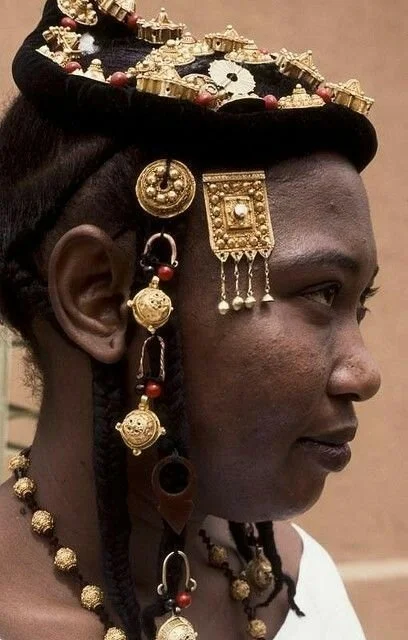
Tuareg, Mali — Source: unknown

Songhai woman, Mali — Source: unknown
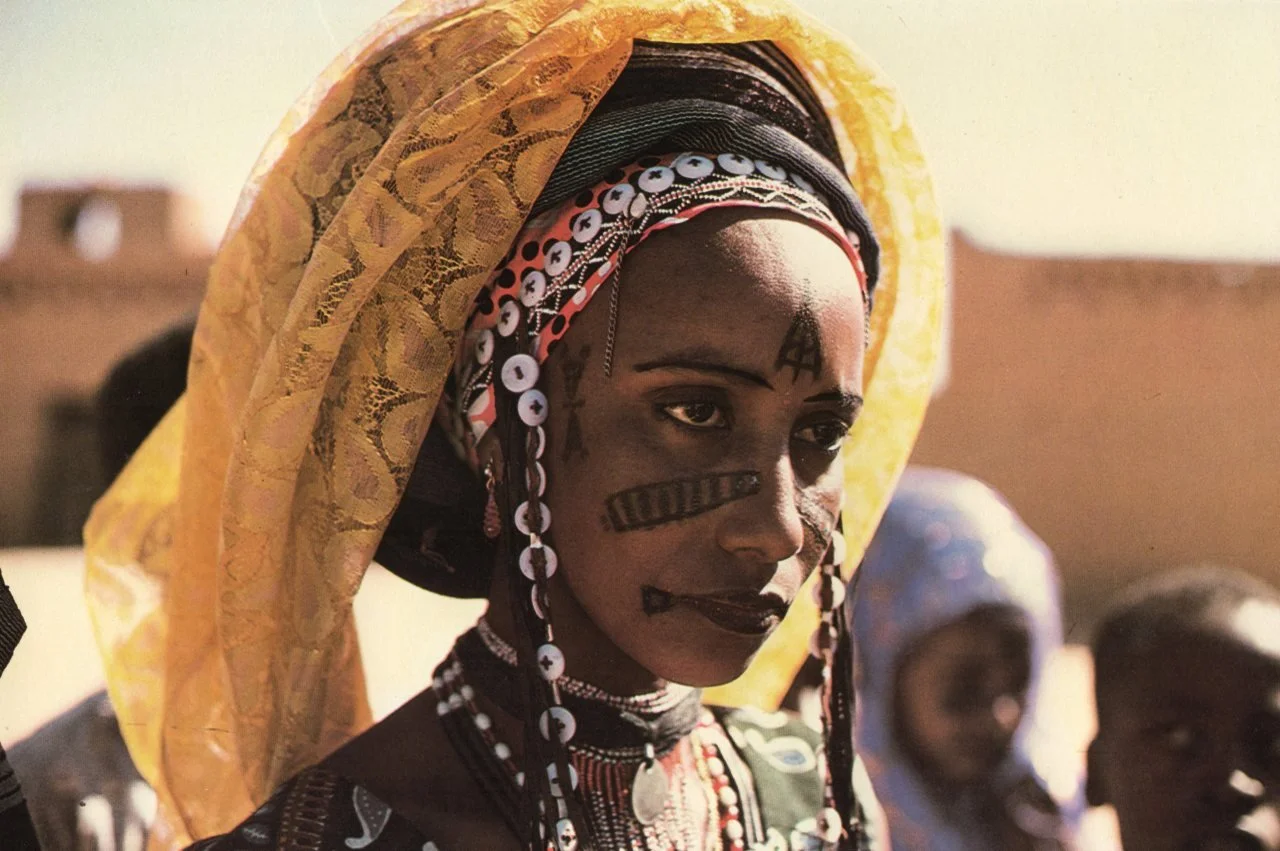
Songhai woman, Mali — Source: unknown

Scanned from the book Sahara toujours recommencé; 1978; Henri-Jean Hugot & Jean-Marc Durou and Joël Jaffré
Scanned from the book Sahara toujours recommencé; 1978; Henri-Jean Hugot & Jean-Marc Durou and Joël Jaffré

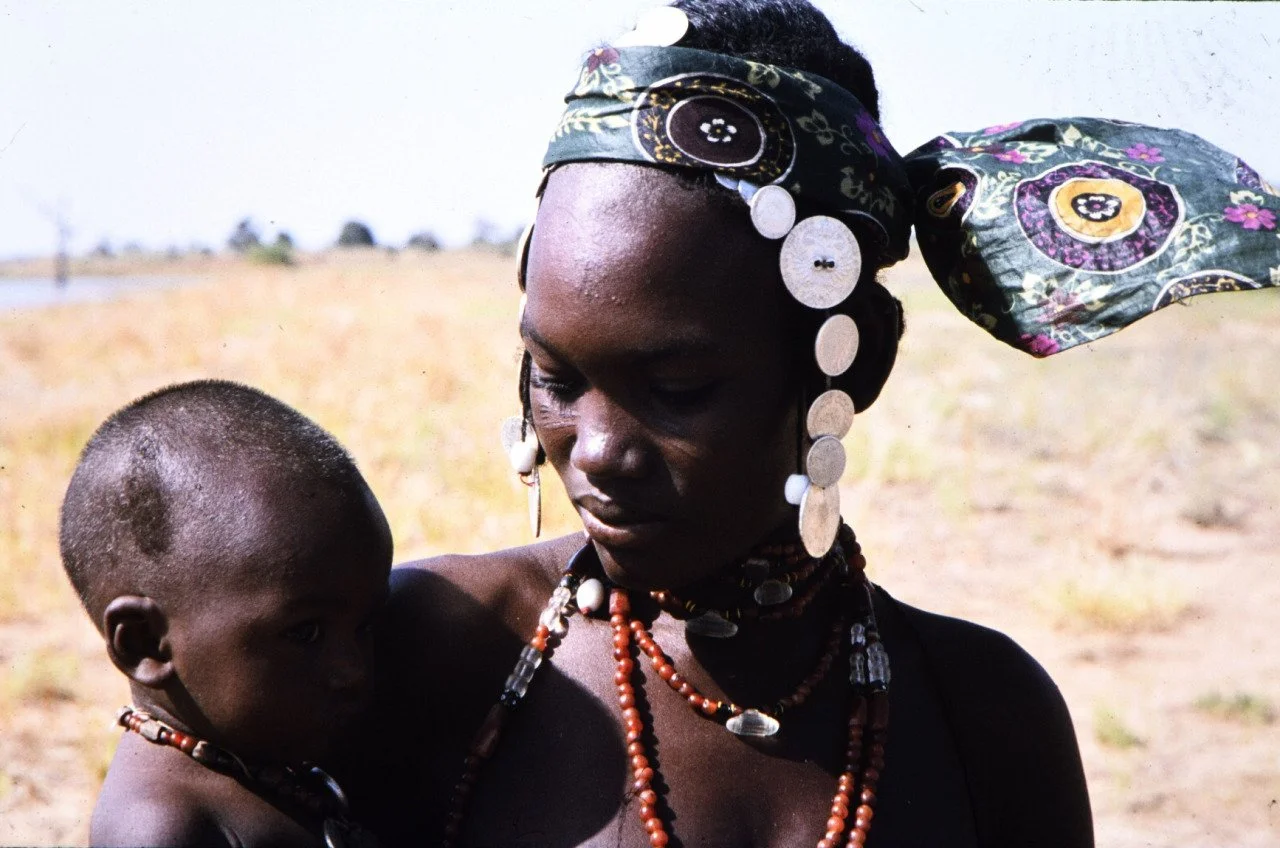
Fulani woman wearing silver coins in her hair, which allows women to easily carry and protect family savings while moving across the Sahel region. Photographed by Johan Theodorus Broekhuijse in Burkina Faso, 1978.
Fulani woman wearing silver coins in her hair, which allows women to easily carry and protect family savings while moving across the Sahel region. Photographed by Johan Theodorus Broekhuijse in Burkina Faso, 1978.

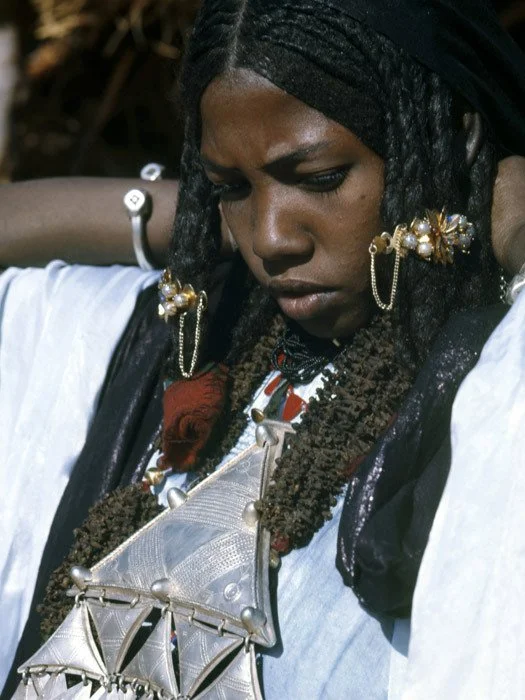
An Algerian woman wearing a pectoral pendant, serving as the focal point of a bride's adornment on her wedding day. Around her neck, she wears a collar made of cloves. Photographed by Maximilien Bruggmann in Illizi, Algeria, 1967.
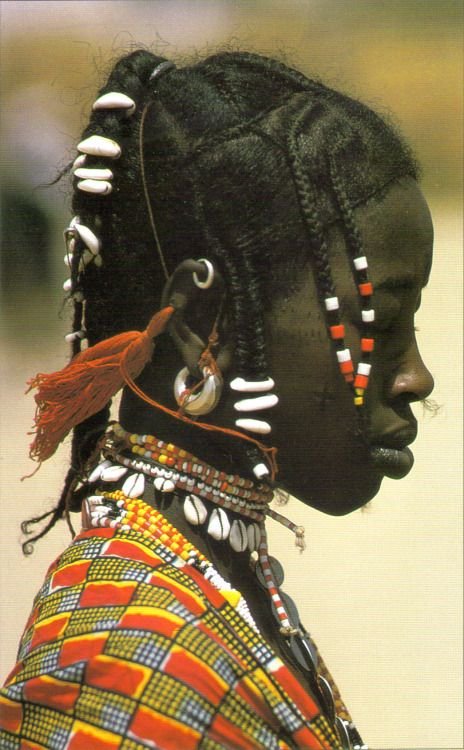
An Algerian woman wearing a pectoral pendant, serving as the focal point of a bride's adornment on her wedding day. Around her neck, she wears a collar made of cloves. Photographed by Maximilien Bruggmann in Illizi, Algeria, 1967.

Fulani woman wearing traditional glass beads, cowrie shells, and silver adornments. The jewelry often signifies social class, tribe, or marital status.

Fulani woman wearing traditional glass beads, cowrie shells, and silver adornments. The jewelry often signifies social class, tribe, or marital status.

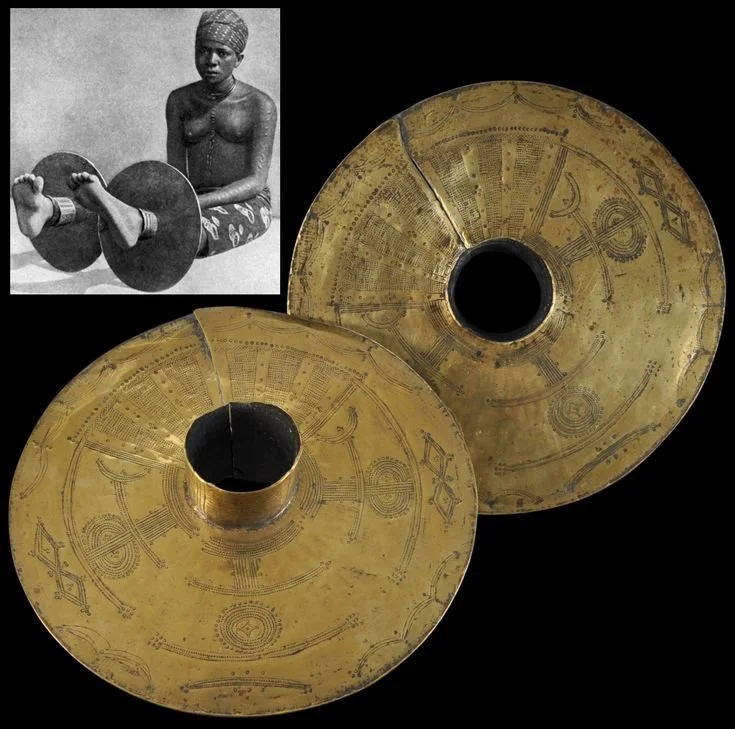
A Fulani woman wearing a headband of large amber beads to symbolize her martial status and family wealth.
A Fulani woman wearing a headband of large amber beads to symbolize her martial status and family wealth.

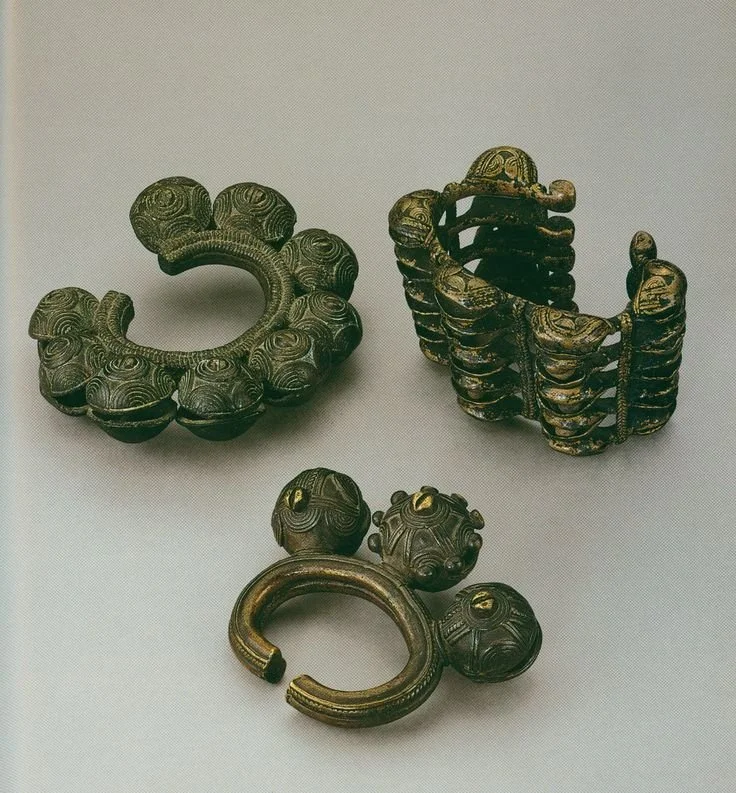
Wobe ankle bells from the Ivory Coast which  functioned as both currency and ceremonial dance adornments, with the hollow pellets serving as rattles.
Wobe ankle bells from the Ivory Coast which functioned as both currency and ceremonial dance adornments, with the hollow pellets serving as rattles.

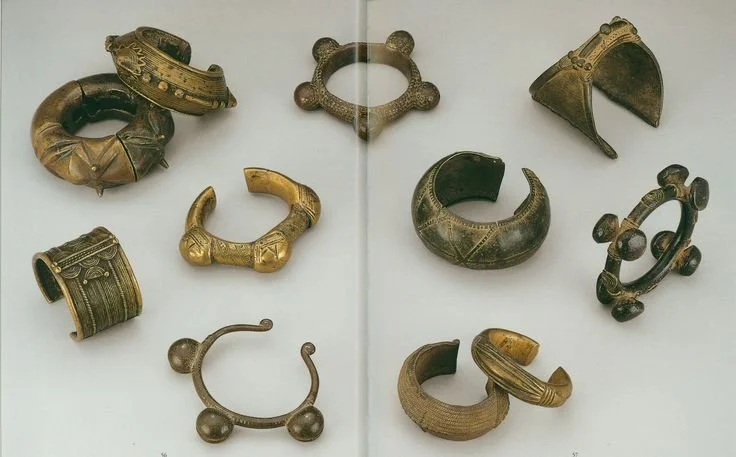
Dowry bracelets which are often made from bronze, brass, or copper alloys. They served as currency, dowry items, and status symbols for different ethnic groups such as the Frafra, Lobi, Gan, and Yoruba.
Dowry bracelets which are often made from bronze, brass, or copper alloys. They served as currency, dowry items, and status symbols for different ethnic groups such as the Frafra, Lobi, Gan, and Yoruba.

An Igbo woman wearing brass Ogba anklets, serving as wealth and status indicators. Hammered onto the womans ankle, the anklets are worn at all times and cannot be removed by the wearer.

An Igbo woman wearing brass Ogba anklets, serving as wealth and status indicators. Hammered onto the womans ankle, the anklets are worn at all times and cannot be removed by the wearer.

Another angle of the brass Ogba anklets.
Another angle of the brass Ogba anklets.

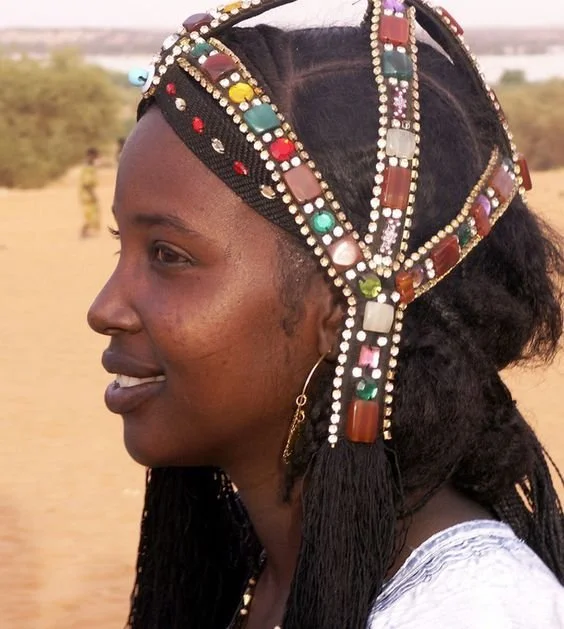
Chad woman wearing a traditional headpiece adorned with colorful agate stones and glass beads, which serves as a protective amulet or fertility charm.

Chad woman wearing a traditional headpiece adorned with colorful agate stones and glass beads, which serves as a protective amulet or fertility charm.

Fulani woman wearing a traditional headpiece that serves as a protective amulet or fertility charm. Photographed by  Eric Lafforgue in Burkina Faso.

Fulani woman wearing a traditional headpiece that serves as a protective amulet or fertility charm. Photographed by Eric Lafforgue in Burkina Faso.
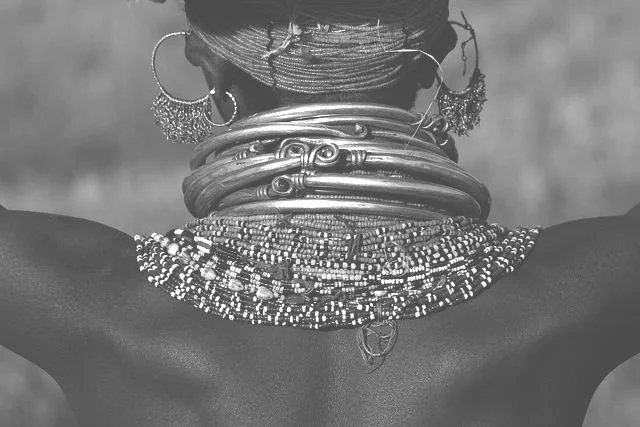
Turkana Woman from the Lake Turkana region adorned with traditional metal neck collars and intricate beaded necklaces. Photographed by David Ballam in Kenya.
Turkana Woman from the Lake Turkana region adorned with traditional metal neck collars and intricate beaded necklaces. Photographed by David Ballam in Kenya.

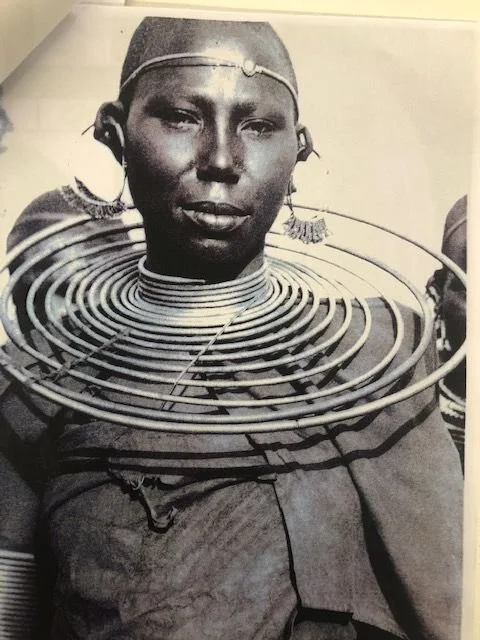
Maasai woman with brass neck coils, traditionally worn to represent wealth, high social status, or a husband's affection. Photographed by S. Skulina in the 1960s, Kenya.
Maasai woman with brass neck coils, traditionally worn to represent wealth, high social status, or a husband's affection. Photographed by S. Skulina in the 1960s, Kenya.

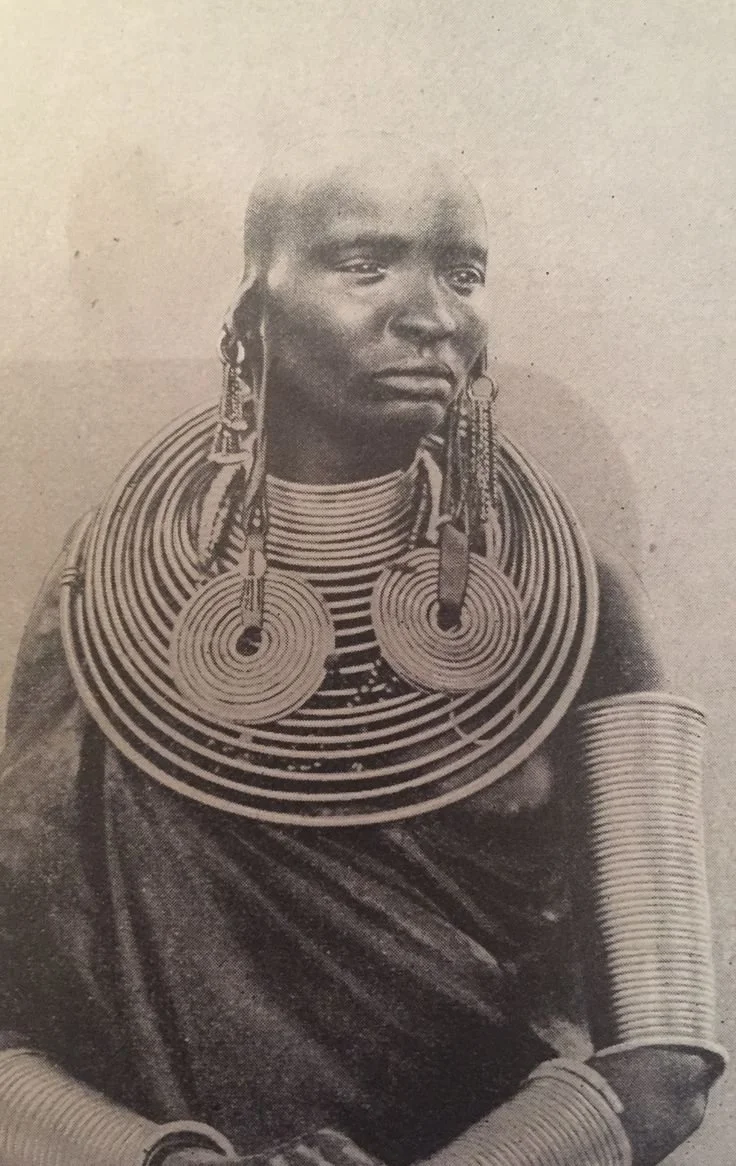
Maasai woman with brass neck coils and matching coiled earrings. These neck coils are traditionally worn to represent wealth, high social status, or a husband's affection. Photographer unknown.
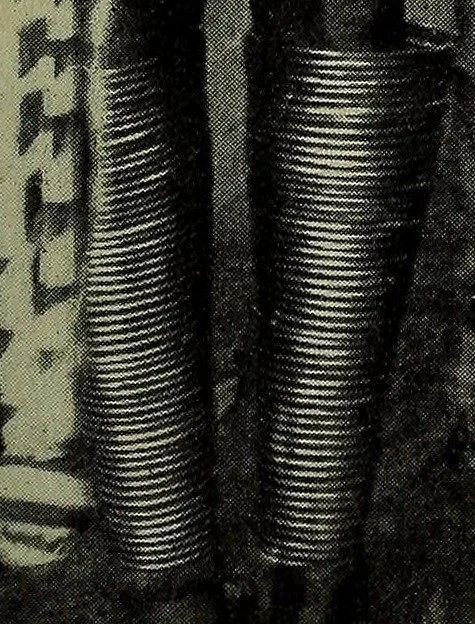
Maasai woman with brass neck coils and matching coiled earrings. These neck coils are traditionally worn to represent wealth, high social status, or a husband's affection. Photographer unknown.

An Igbo woman wearing nja anklets, brass coil leg ornaments worn by young Igbo before marriage, after which they are taken off.
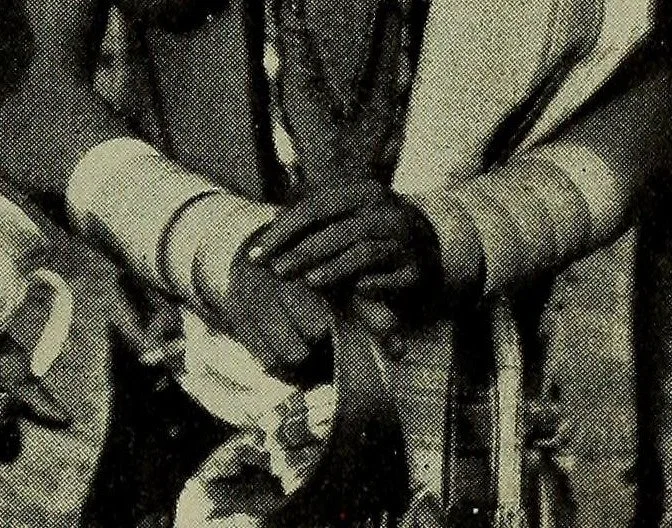
An Igbo woman wearing nja anklets, brass coil leg ornaments worn by young Igbo before marriage, after which they are taken off.

An Igbo woman wearing odu ivory bangles.
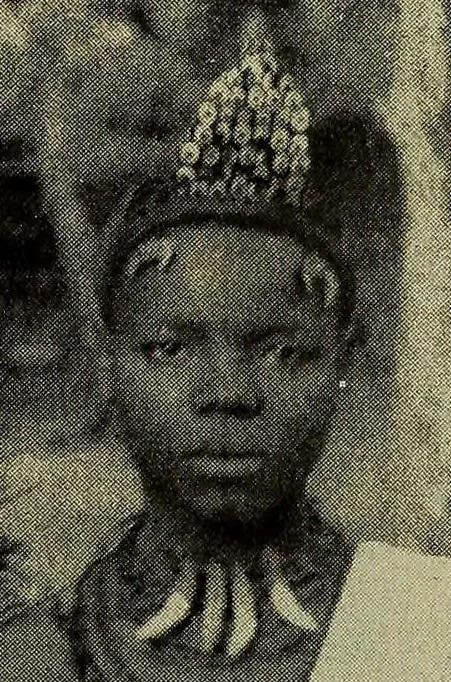
An Igbo woman wearing odu ivory bangles.

An Igbo woman wearing a necklace made of leopard's teeth mixed with aggry beads. These necklaces were strictly reserved for chiefs, nobility, and their prospective brides. They served as a direct visual marker of wealth, high social standing, and pol

An Igbo woman wearing a necklace made of leopard's teeth mixed with aggry beads. These necklaces were strictly reserved for chiefs, nobility, and their prospective brides. They served as a direct visual marker of wealth, high social standing, and political authority.
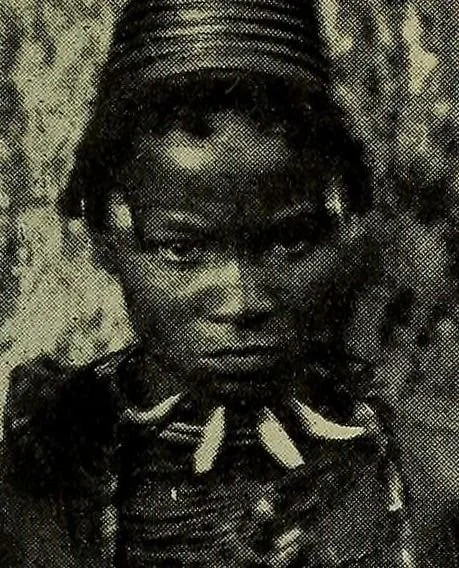
An Igbo woman wearing a necklace made of leopard's teeth mixed with aggry beads. These necklaces were strictly reserved for chiefs, nobility, and their prospective brides. They served as a direct visual marker of wealth, high social standing, and pol

An Igbo woman wearing a necklace made of leopard's teeth mixed with aggry beads. These necklaces were strictly reserved for chiefs, nobility, and their prospective brides. They served as a direct visual marker of wealth, high social standing, and political authority.

A Congolese woman wearing a large, weighty, copper cuff choker.
A Congolese woman wearing a large, weighty, copper cuff choker.

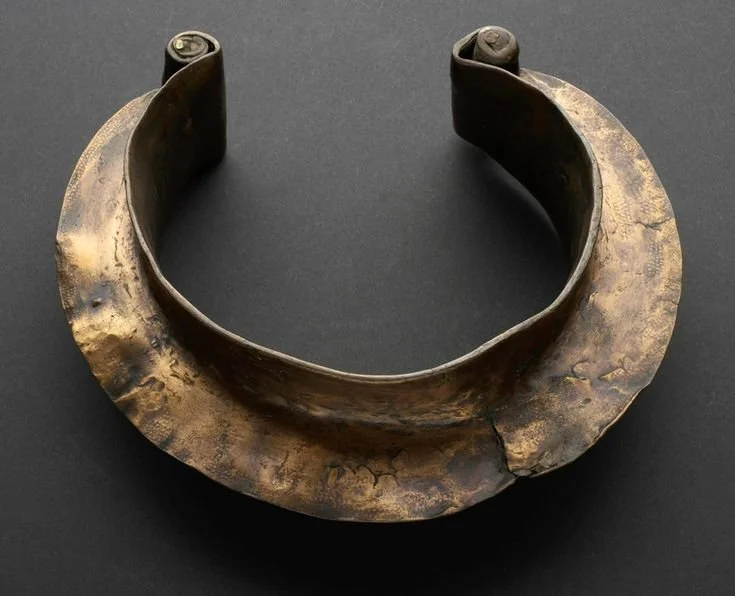
An African cuff choker necklace made out of copper and hammered with curled ends.
An African cuff choker necklace made out of copper and hammered with curled ends.

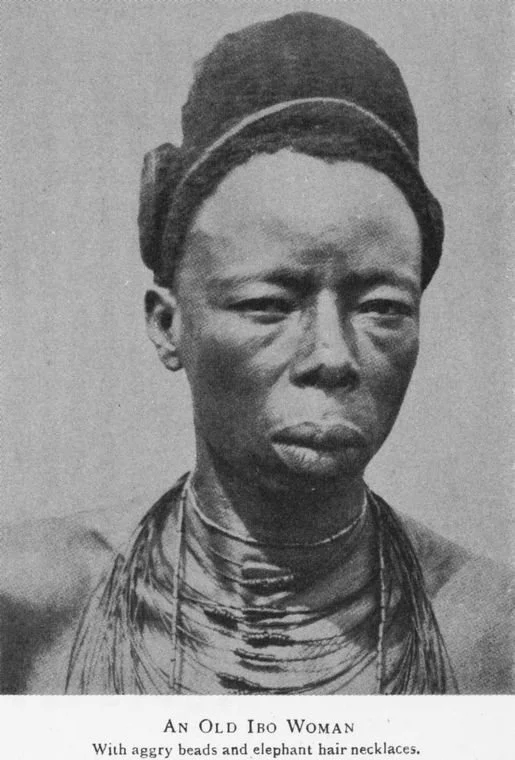
An elderly Ibo woman wearing aggry beads and elephant necklace. Photographed by Basden in 1921.
An elderly Ibo woman wearing aggry beads and elephant necklace. Photographed by Basden in 1921.

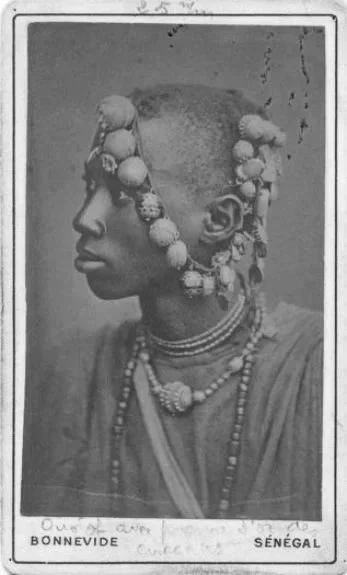
A Fulani man from Senegal wearing his mothers granulated metal spheres and multiple beads in his hair as he undergoes an initiation rite.
A Fulani man from Senegal wearing his mothers granulated metal spheres and multiple beads in his hair as he undergoes an initiation rite.

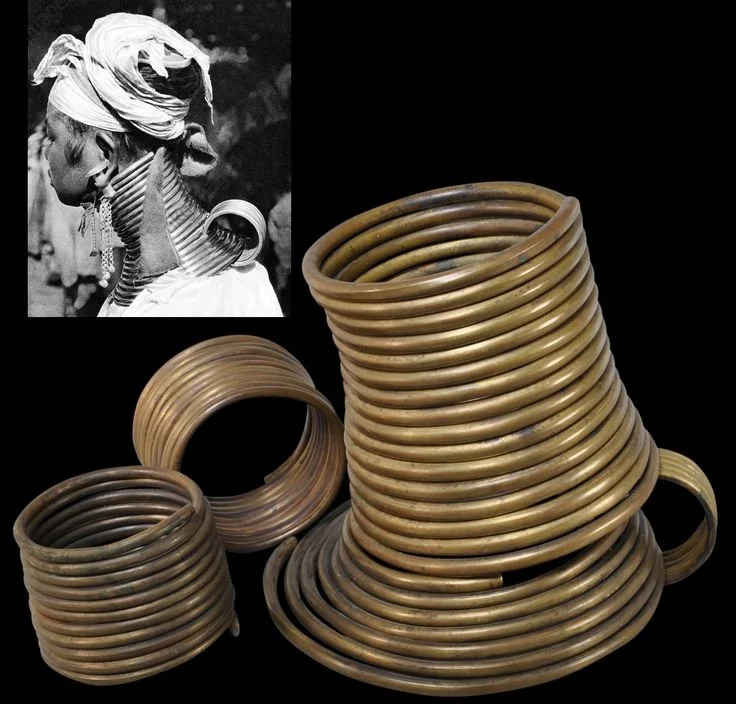
Paduang or Kayan Lahwi Woman's Brass Neck Rings & Anklets. Within their culture, a long-extended neck resembles beauty.
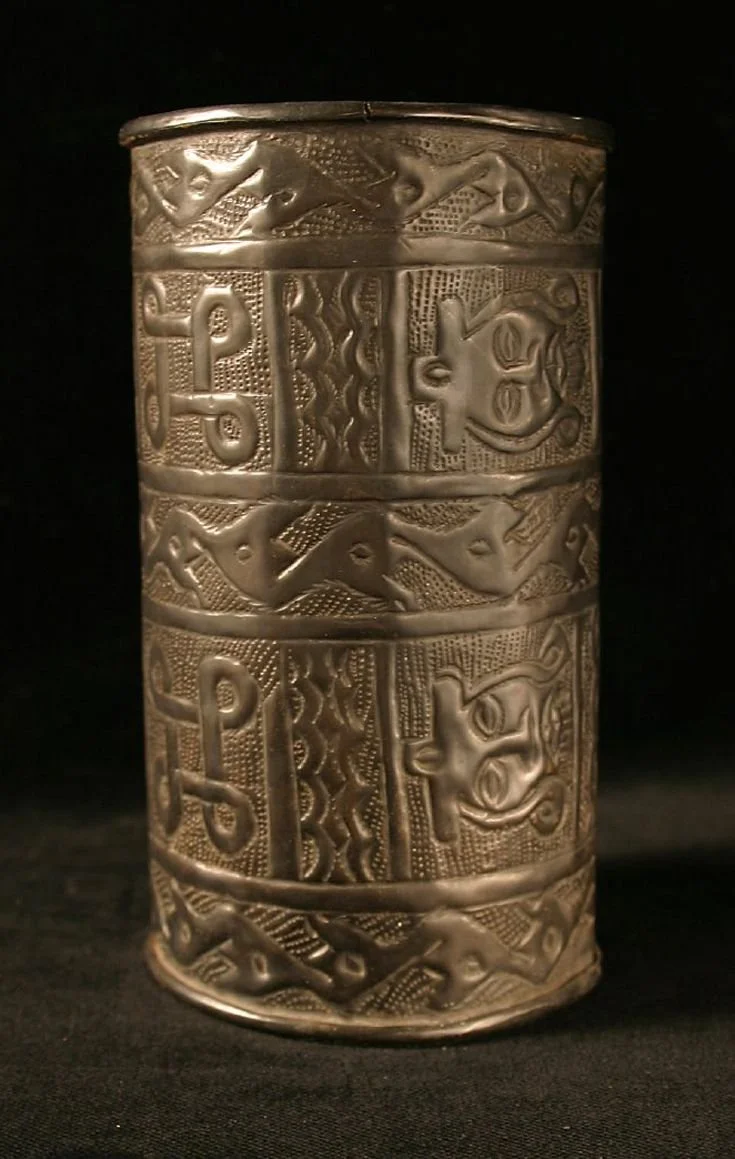
Paduang or Kayan Lahwi Woman's Brass Neck Rings & Anklets. Within their culture, a long-extended neck resembles beauty.

Bronze alloy arm cuff possibly made by the Edo people of Nigeria.
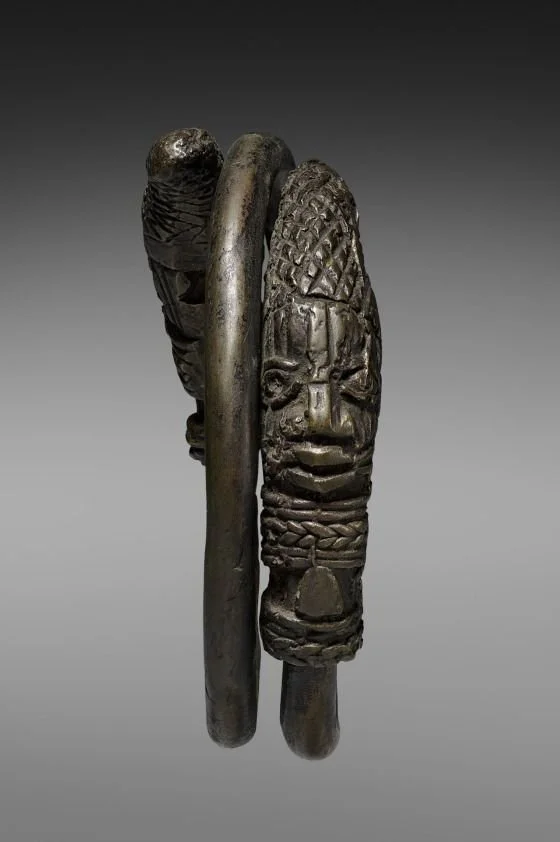
Bronze alloy arm cuff possibly made by the Edo people of Nigeria.

An 19th-century Benin hand coil from Nigeria, crafted from a copper alloy by Edo peoples royal brasscasters. It is designed as a ceremonial item to be grasped vertically by a chief during the annual Igu festival, rather than worn on the wrist.
An 19th-century Benin hand coil from Nigeria, crafted from a copper alloy by Edo peoples royal brasscasters. It is designed as a ceremonial item to be grasped vertically by a chief during the annual Igu festival, rather than worn on the wrist.

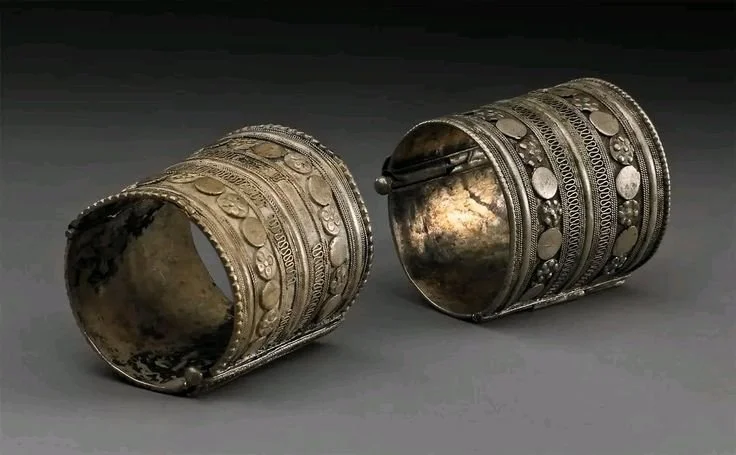
Traditional Somali silver cuff bracelets featuring intricate filigree work and a secure push-pin closure.
Traditional Somali silver cuff bracelets featuring intricate filigree work and a secure push-pin closure.

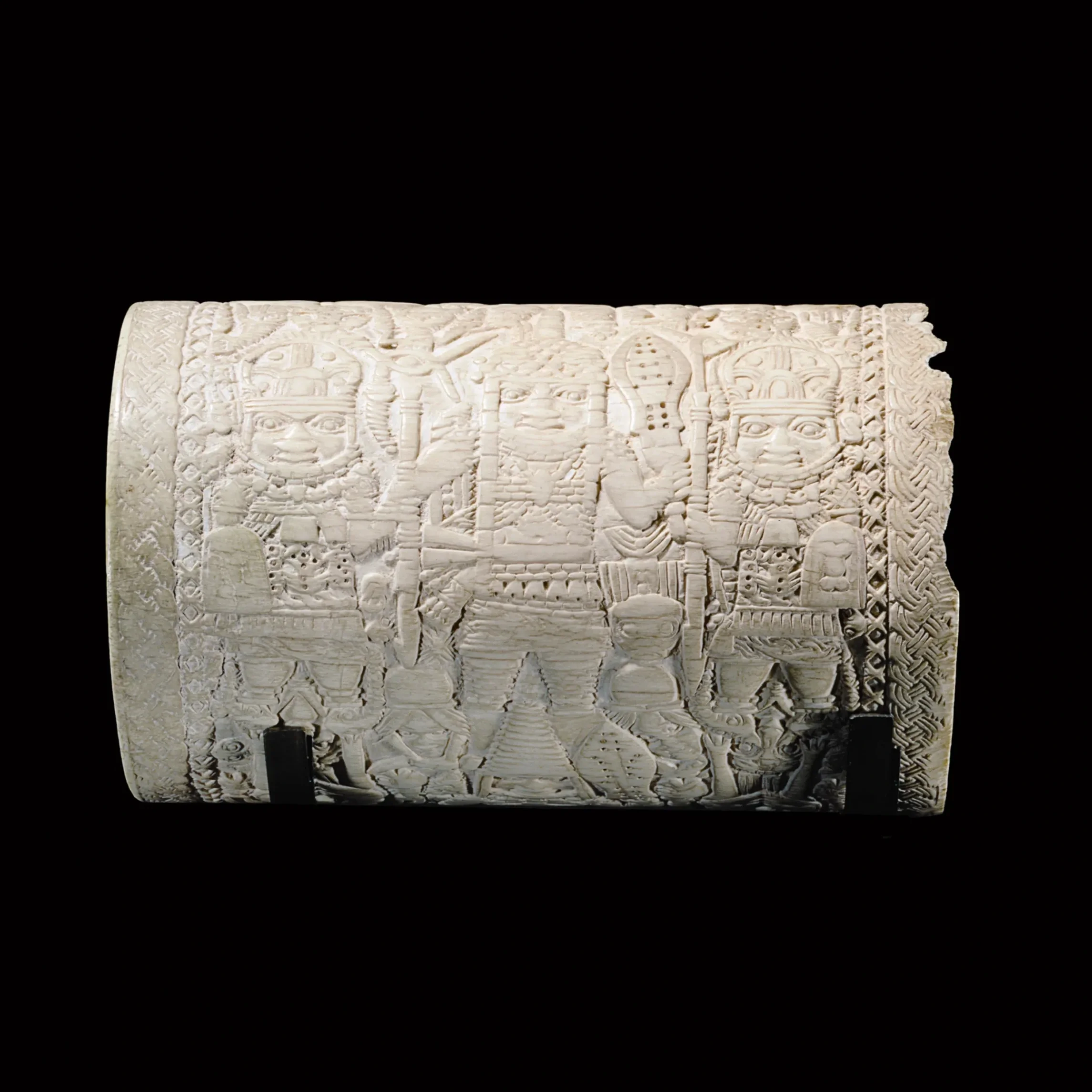
An ivory arm cuff made in Benin Nigeria, covered with champlevé motifs, revealing four rows of standing figures and two repeating war scenes arranged alternately.
An ivory arm cuff made in Benin Nigeria, covered with champlevé motifs, revealing four rows of standing figures and two repeating war scenes arranged alternately.

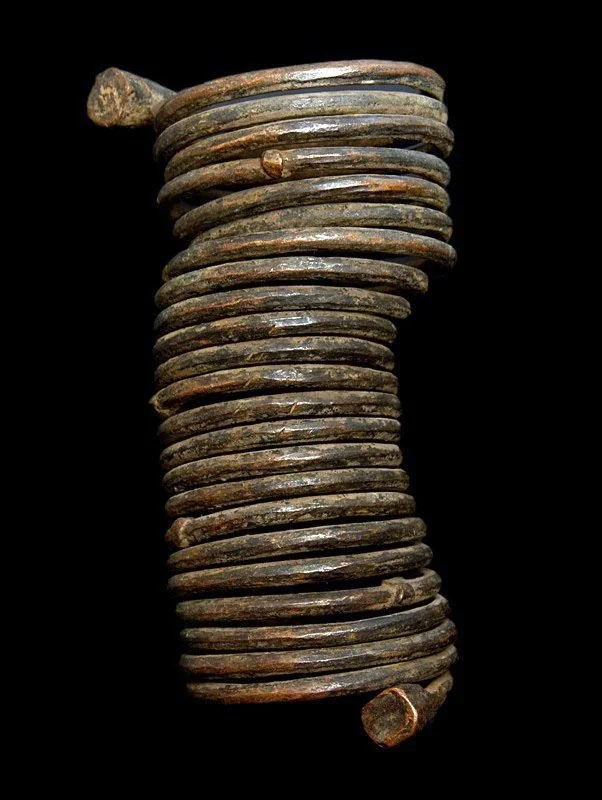
An 20th-century Igbo copper coil currency piece, also known as manilla, from Nigeria. Manilla was used as a form of money and stored wealth in West Africa.

An 20th-century Igbo copper coil currency piece, also known as manilla, from Nigeria. Manilla was used as a form of money and stored wealth in West Africa.

Pair of African Igbo open-sided cast copper cuff bracelets, circa 1980s. Before 1920, Igbo woman commonly wore these large cuffs as armlets or anklets as symbols of wealth and status.

Pair of African Igbo open-sided cast copper cuff bracelets, circa 1980s. Before 1920, Igbo woman commonly wore these large cuffs as armlets or anklets as symbols of wealth and status.

Pair of Igbo Man’s Cast Brass Wrist Guards or Cuff Bracelets worn by an Igbo man in Nigeria.

Pair of Igbo Man’s Cast Brass Wrist Guards or Cuff Bracelets worn by an Igbo man in Nigeria.

Copyright. All rights reserved.

ADVANCED PAN AFRICAN PACKAGE NOW AVAILABLE! ✨‼️

A ( advanced ) package dedicated to knowledge on Pan-Africansim.

Includes: A digital pamphlet with full details of everything you’ve received in this package, 57 full book pdf’s, 28 full i Sculptures “SHAKA” and “Ramses” by Jamaican Artist, Ceramists and Bronze Sculptor Gene Pearson (1946-2018). The Visions of Blackness logo was inspired by the Adinkra symbol “Mate Masie” which means “ I have heard and kept it”. Symbolising wisdom and knowledge and the importance of thinking about information you’ve received. 

Boy next to food bowl. Abiriba Igbo 
- G.I Jones Sun. Moon. Star 🌙 Igbo tribe of Nigeria 🇳🇬 .
Igbo Archives available via the website; ARCHIVES- - - TRIBES- - - IGBO MAROONS of the Caribbean 
Maroon Archives available via the website; ARCHIVES- - - TRIBES- - - MAROON Updated archives- TRIBES. 
Images of Maroon tribe of the Caribbean. 
🇯🇲🇧🇷🇸🇷🇬🇫 African Art : An Introduction by Dennis Duerden. Found on the website via - LIBRARY - BOOKS 🗿
A glimpse of some of the essays available to read from the website !!!🔖

“A look at Colonialism from a the spiritual aspect of Africans.” - Raisa Cornelia Parnell
 
“Cultural Identity and Diaspora” - Stuart Hall
 
“ BLA Todays 4 book uploads ! ✨Link in the bio ! 
Book Requests are always welcome!….. 
Enjoy ✨ Carries Mae Weems ; Reflections of Now Ujami Uhuru Schule Community Freedom School The Blood Of Jesus Black people flying …. Guadeloupean woman