
Friction oracle "kakishi" for "kashekesheke" divination
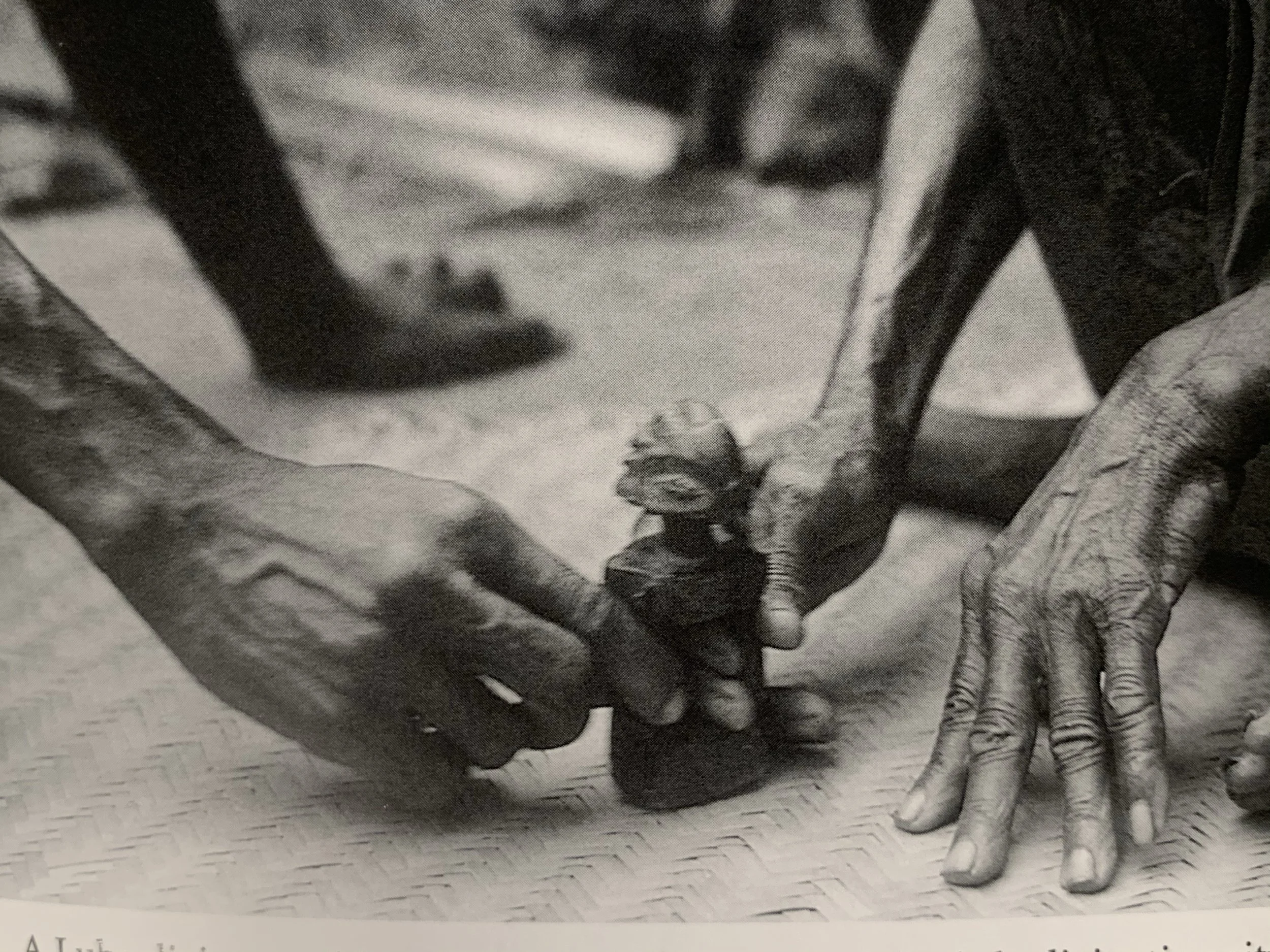
''The kakishi is used in a form of Luba divination called kashekesheke. It is about six inches high, with an open body for the insertion of the fingers of client and diviner.''
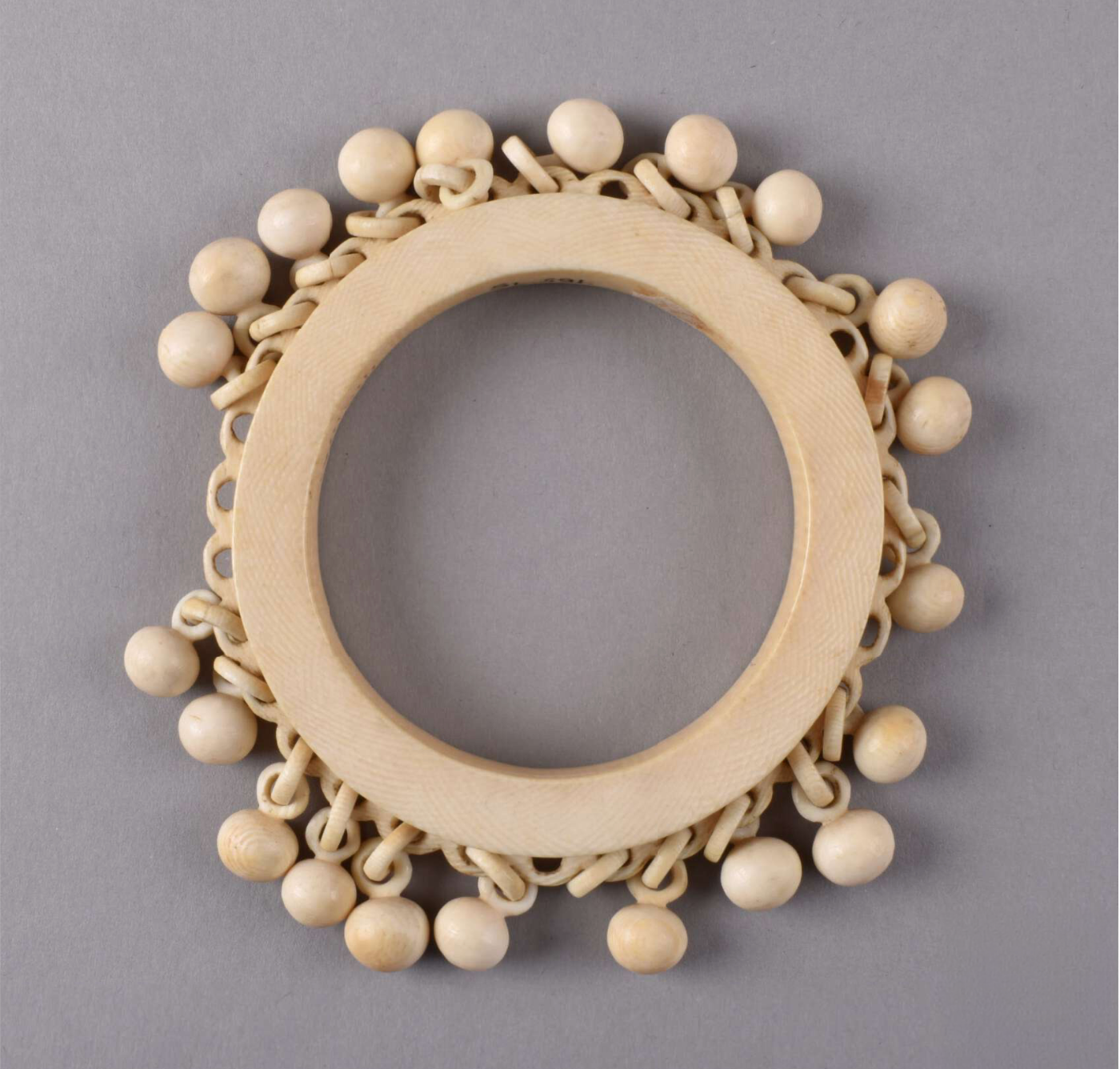
Yoruba Armlet, Nigeria, 1700-1750 (circa). The British Museum
Yoruba Armlet, Nigeria, 17thC - 18thC. The British Museum
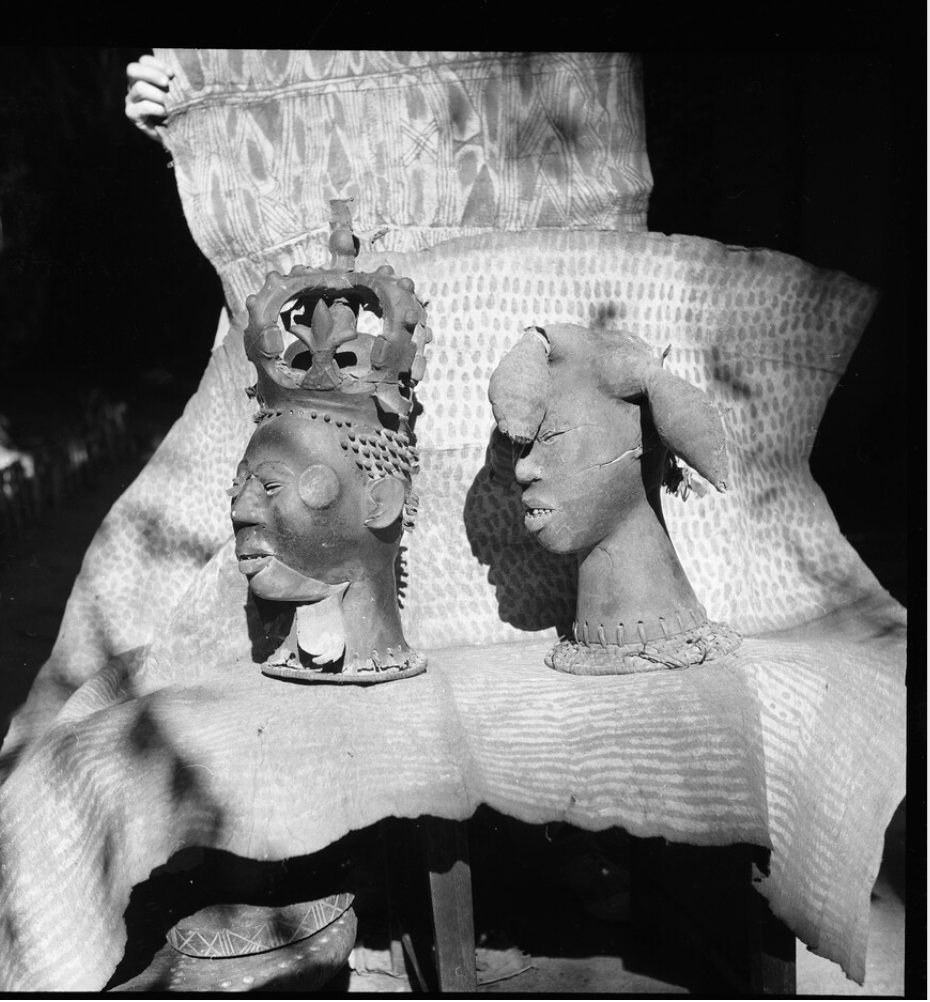
Image is part of the Putnam African art collection. Epulu, 1953. Pitt Rivers Museum, University of Oxford.
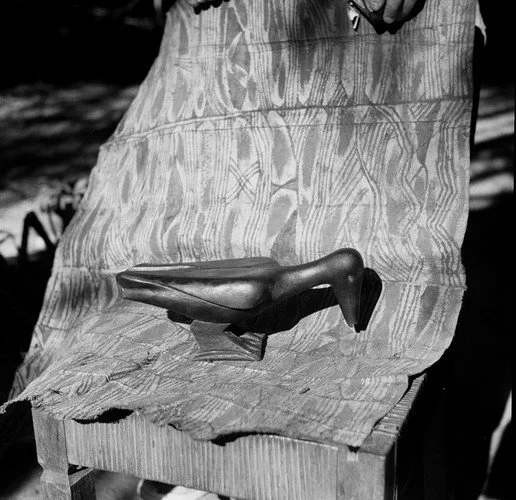
Image is part of the Putnam African art collection. Epulu, 1953. Pitt Rivers Museum, University of Oxford.
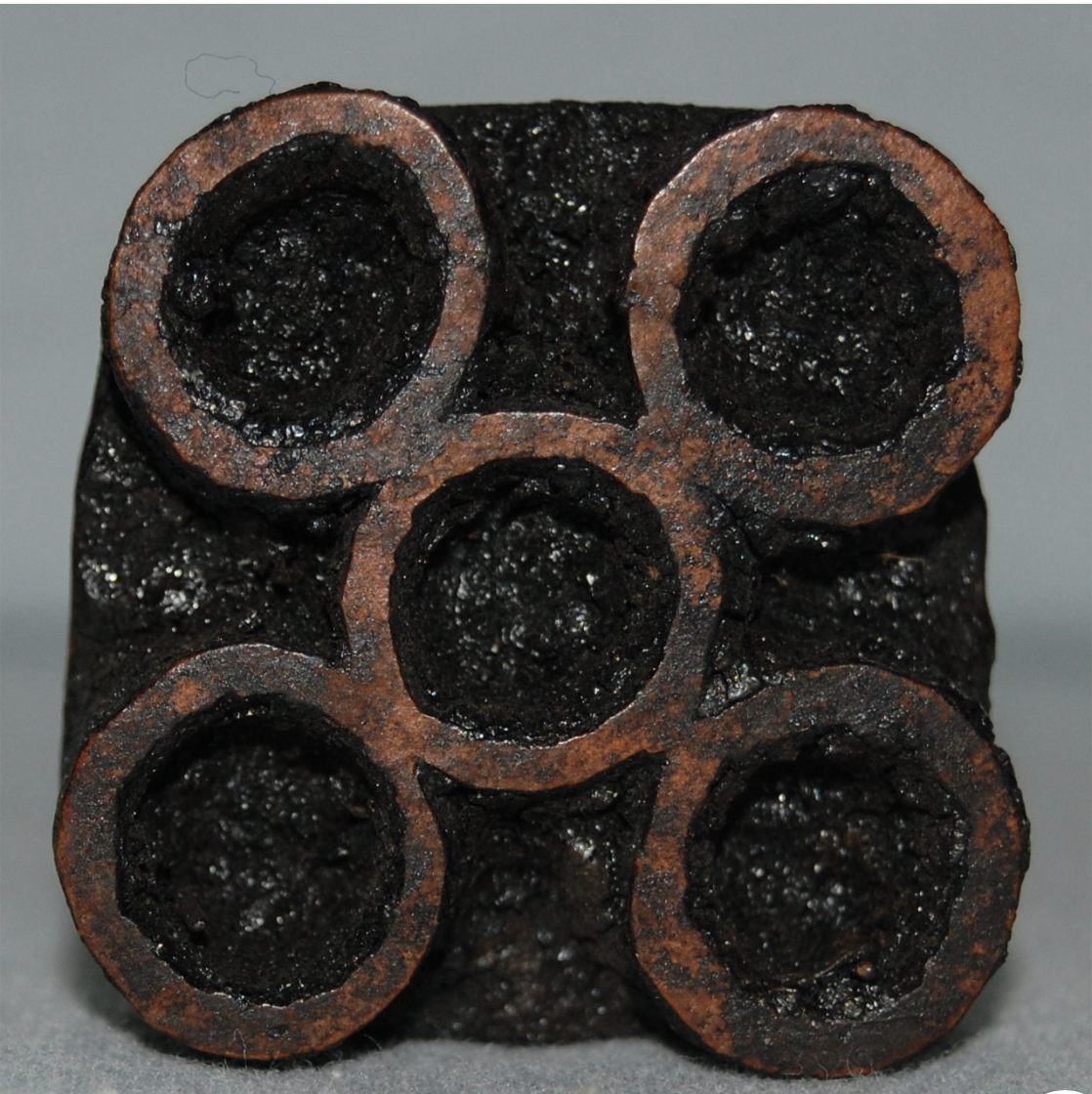
Adinkra-stamp, Ghana, The British Museum
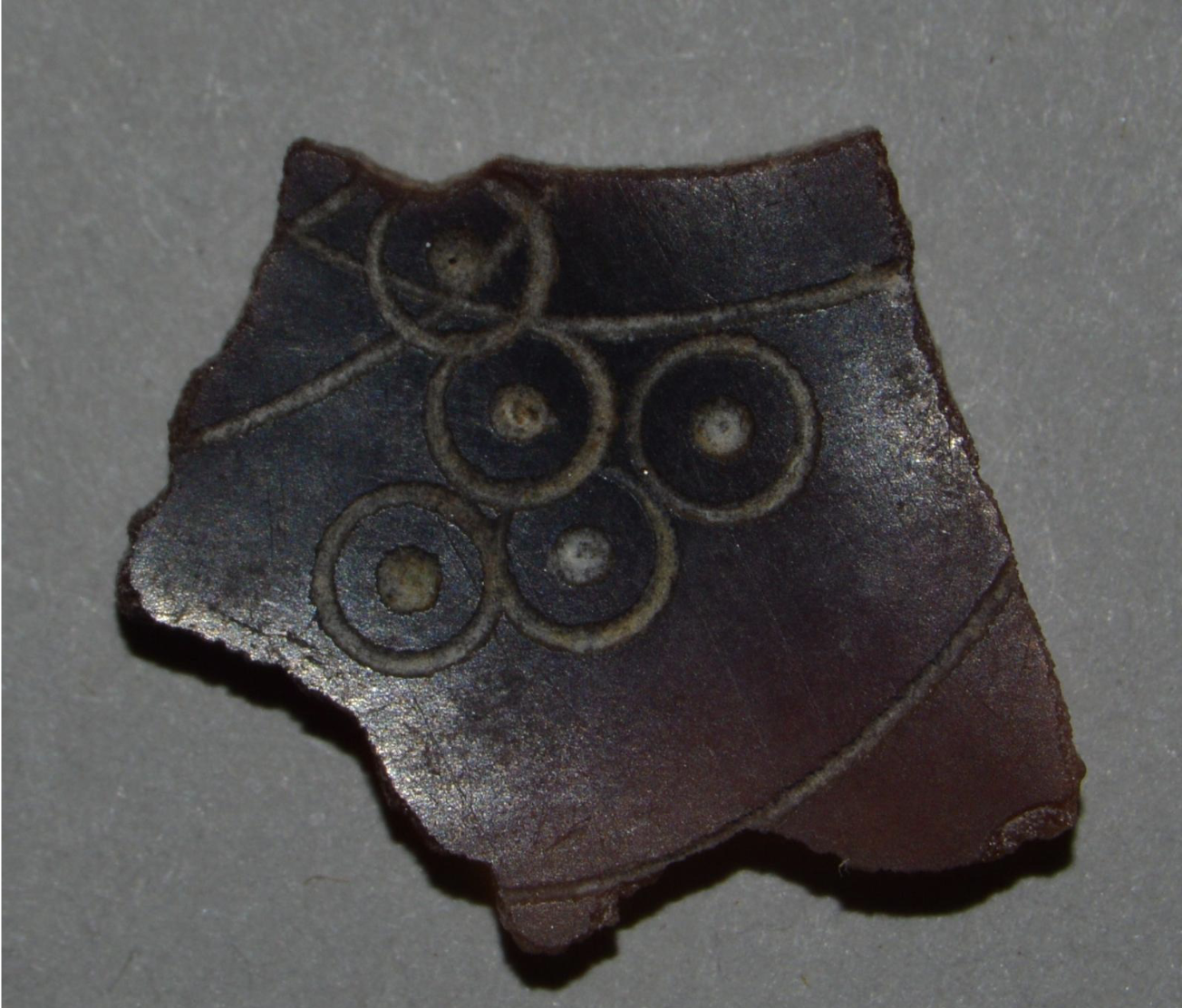
Fragment of shell. The British Museum
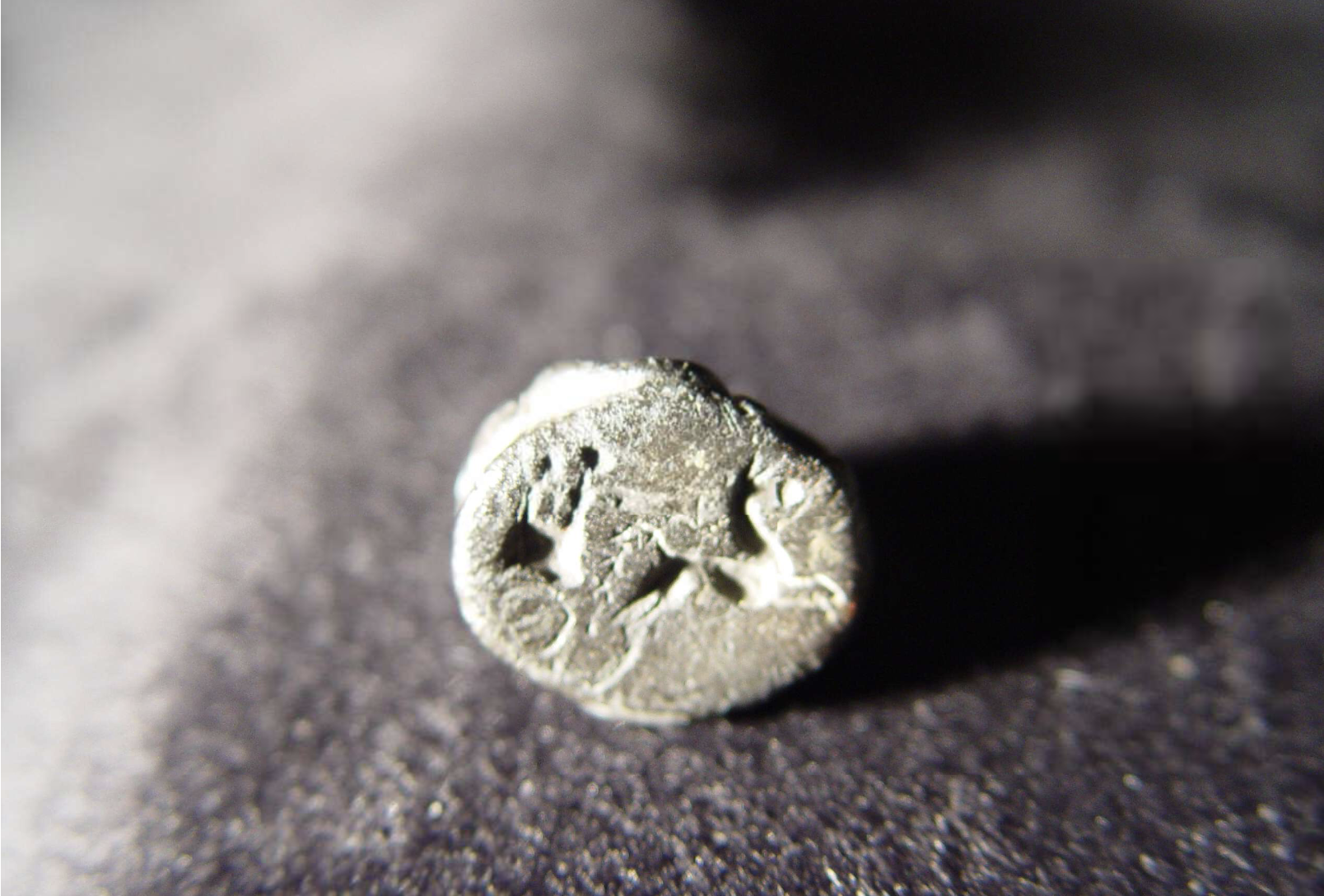
Amulet, Egypt. The British Museum
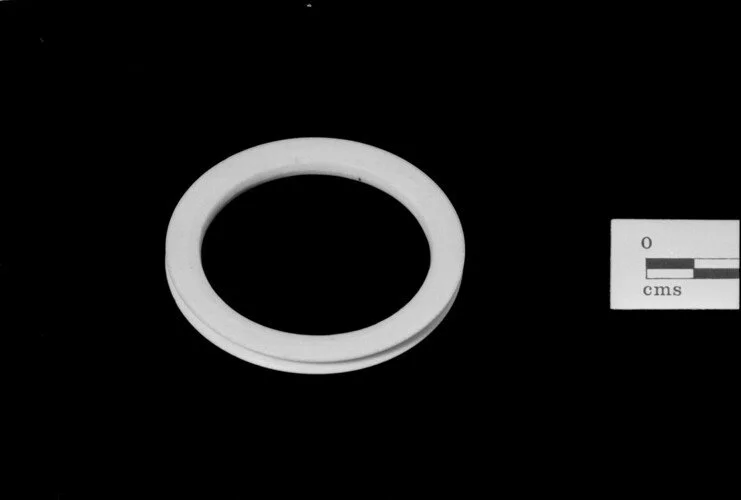
Small ivory bracelet with grooved rim, Lozi, 1905. Pitt Rivers Museum, University of Oxford.
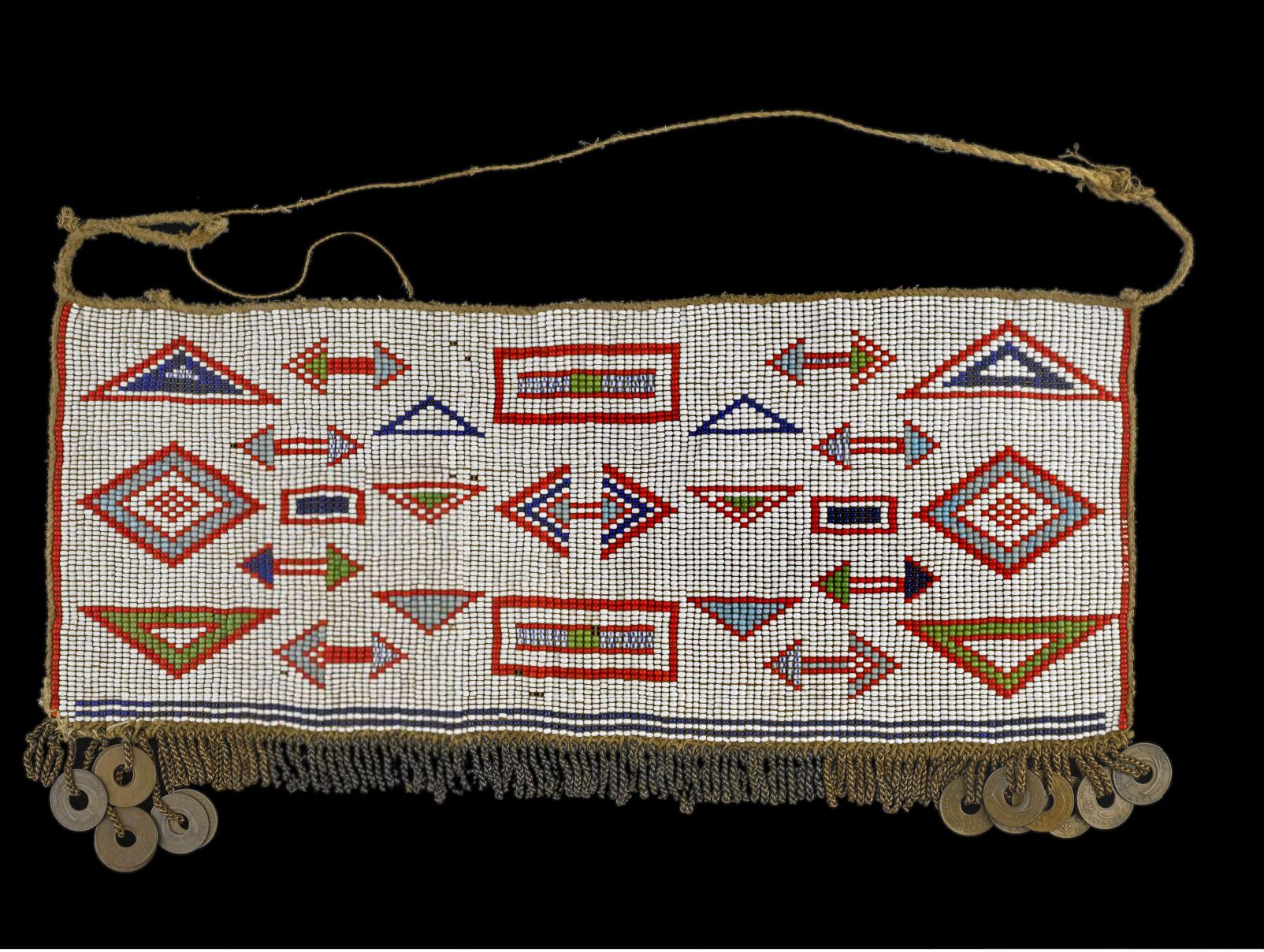
Kamba Apron, Kenya, 1987. The British Museum
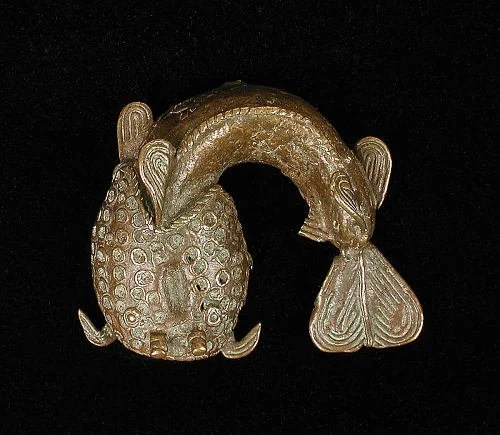
Akan Weight, Ghana/ Côte d'Ivoire, 18th-late 19th century. National Museum of African Art, Smithsonian
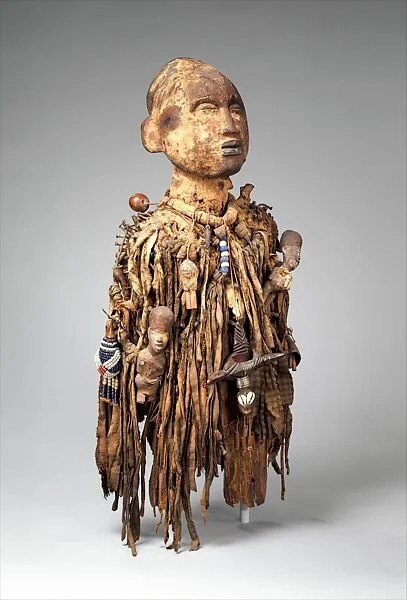
Nkisi (power figure), Kongo artist and nganga (ritual specialist), 19th–first half of 20th century. The Metropolitan Museum of Art
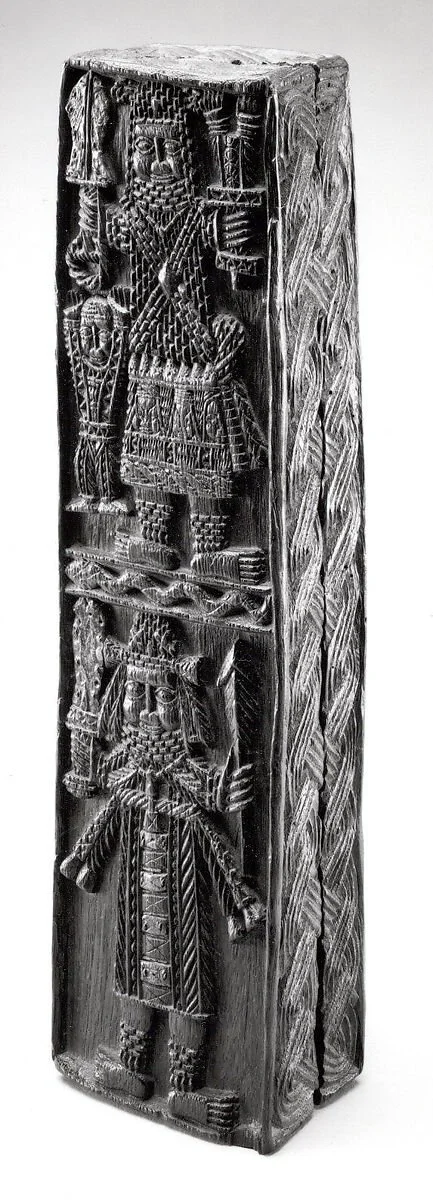
Box: Oba Ozolua and Unidentified Oba, Nigeria, 19th century. The Metropolitan Museum of Art.
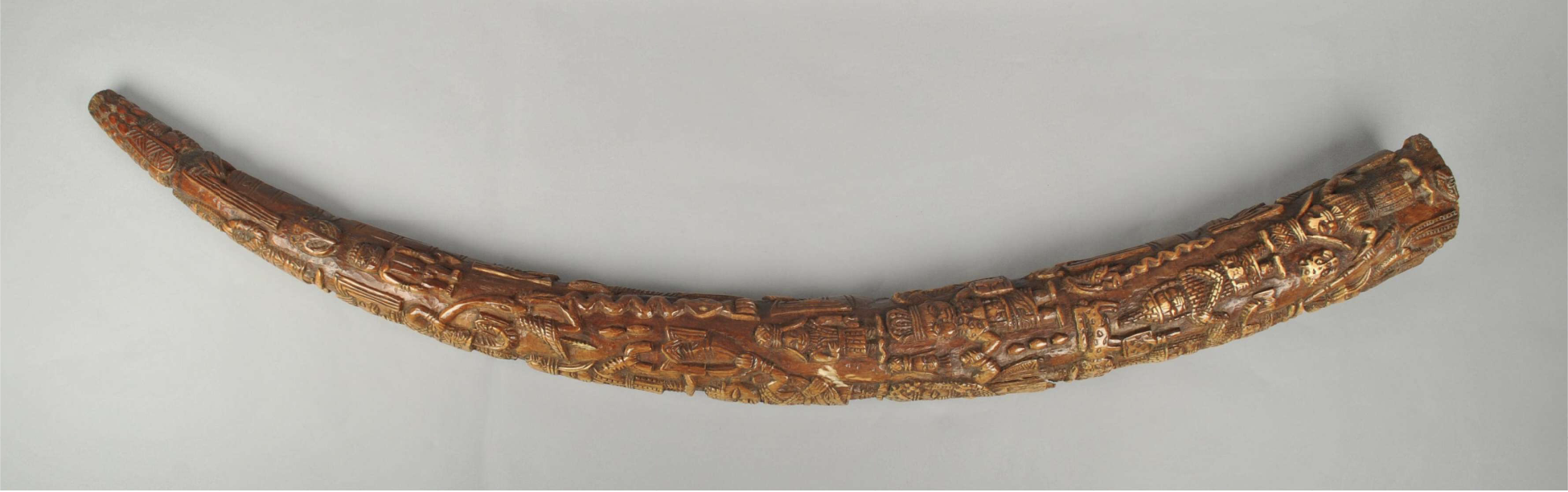
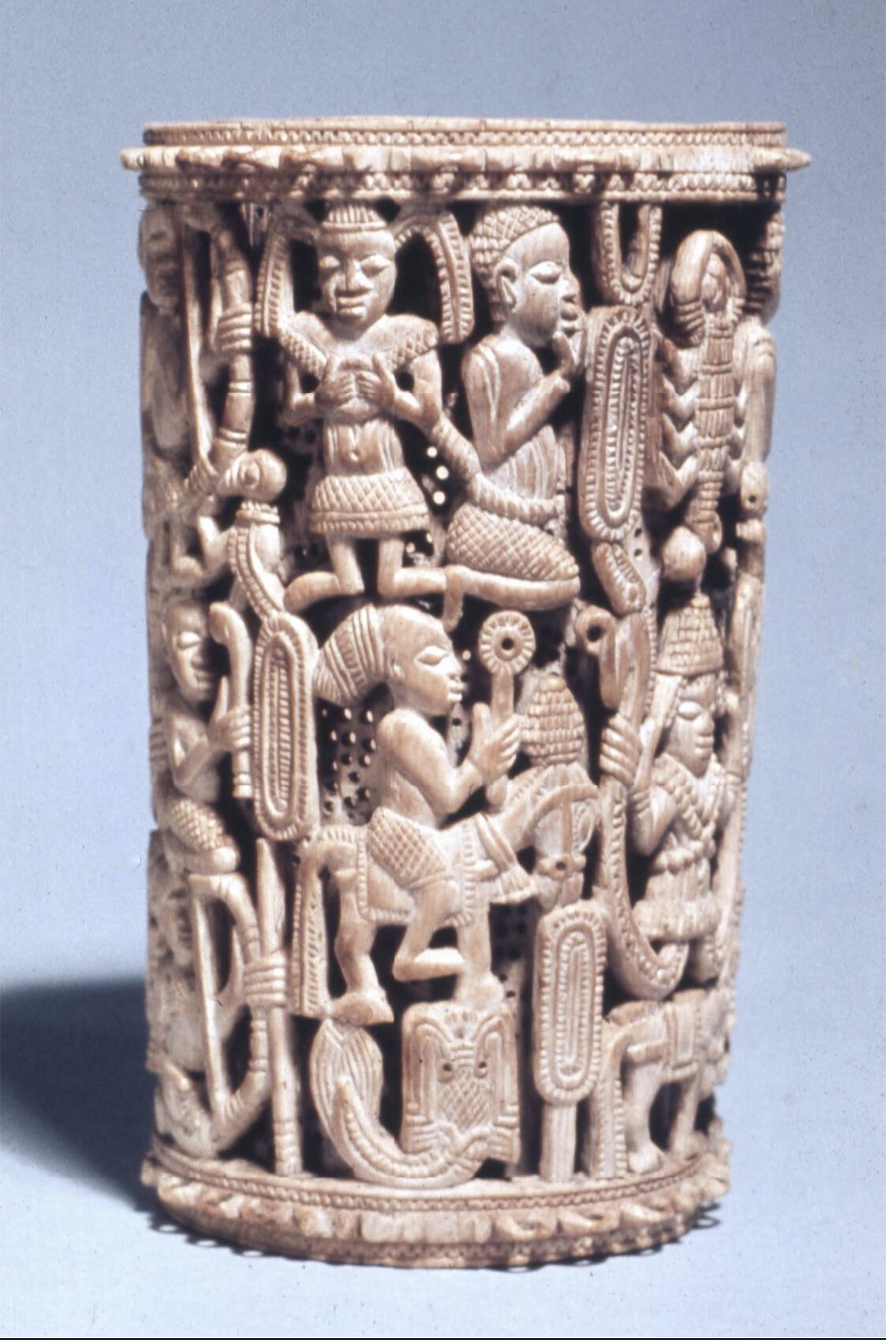
Altar-tusk, Benin, 18thC-19thC. The British Museum
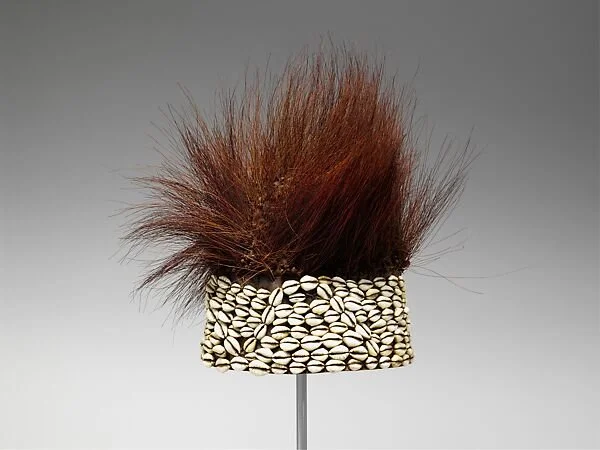
Prestige headdress, Central Africa, ca. 1850–1920. The Metropolitan Museum of Art
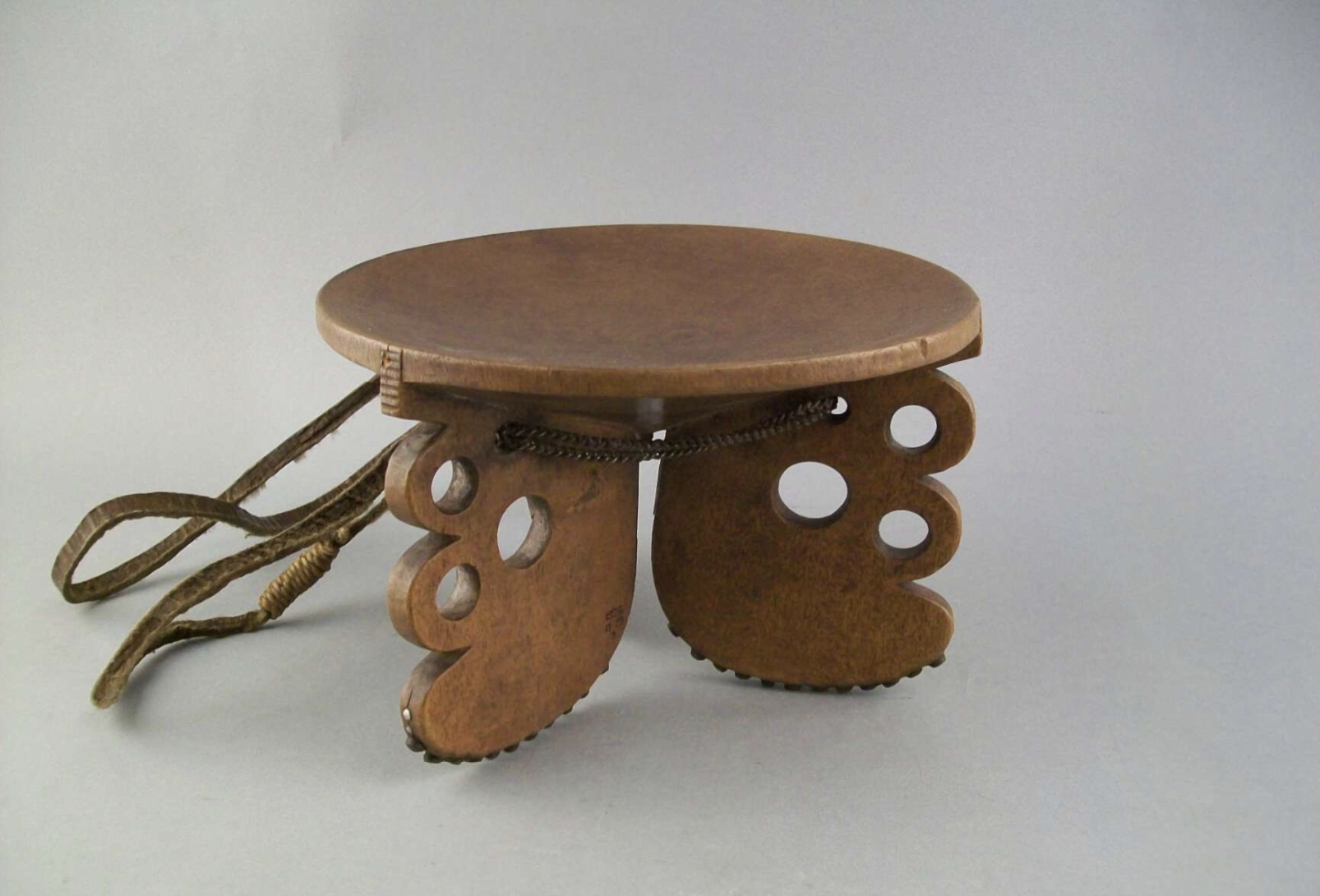
Kamba Stool, Kenya, 1922-3. The British Museum
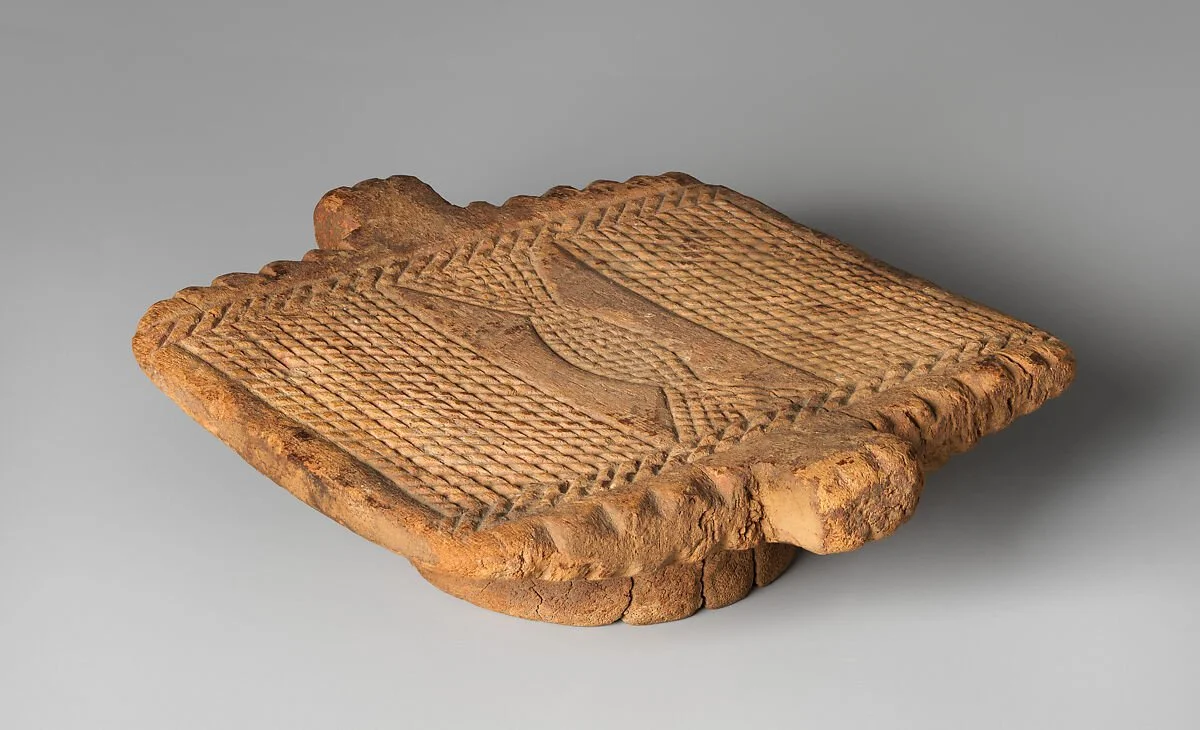
Tellem Headrest or headboard, Mali, 16th century. The Metropolitan Museum of Art.
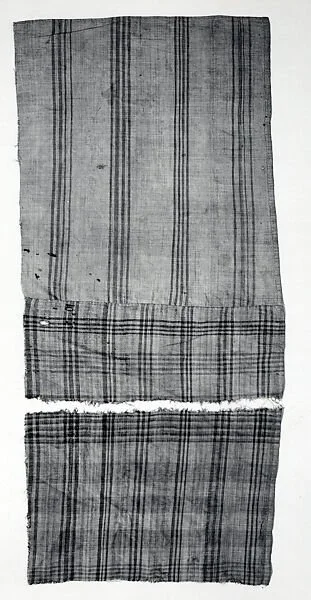
Raffia palm fiber - Double Panel, 19th–20th century. The Metropolitan Museum of Art.
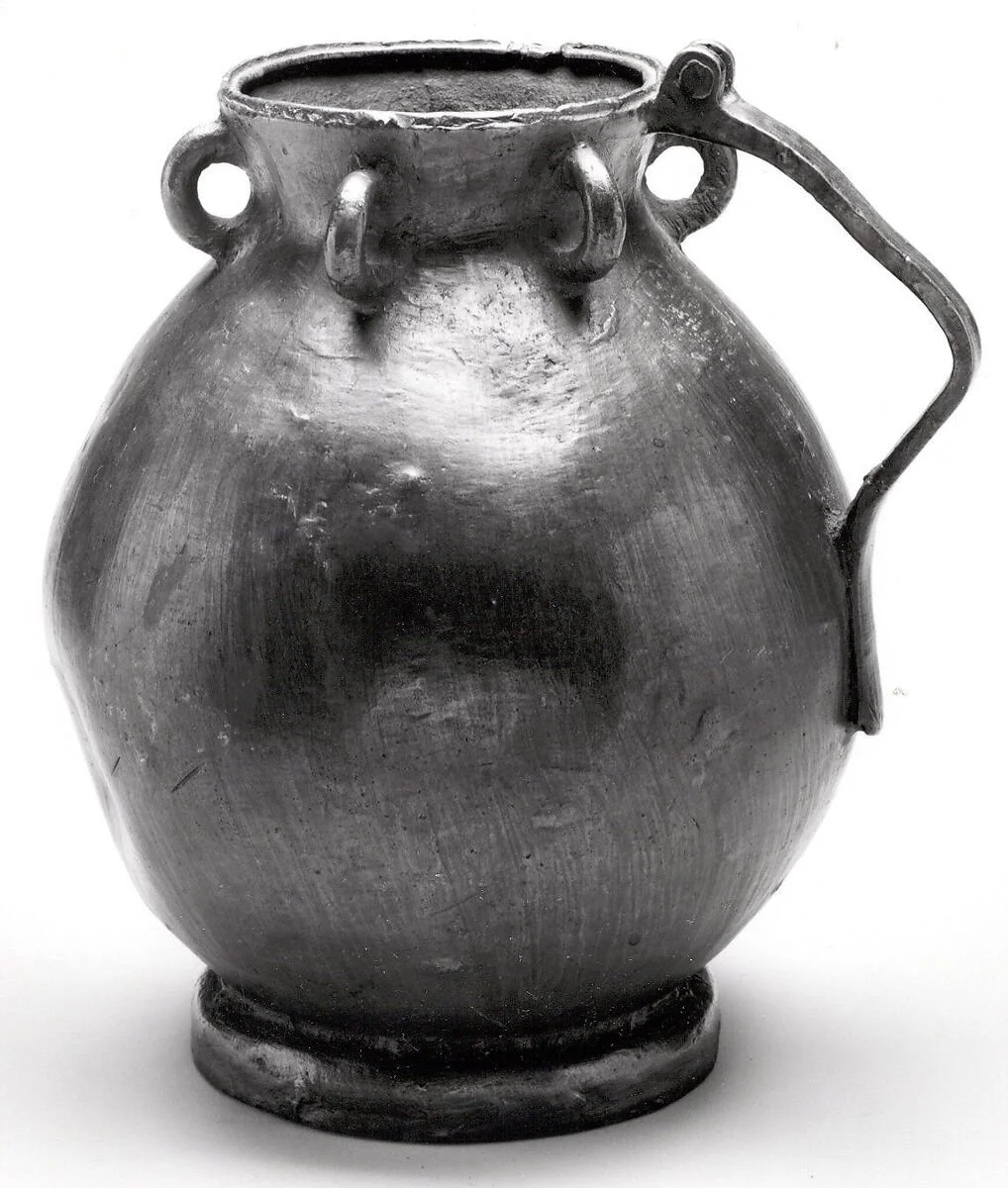
Edo Vessel, 16th–19th century. The Metropolitan Museum of Art.
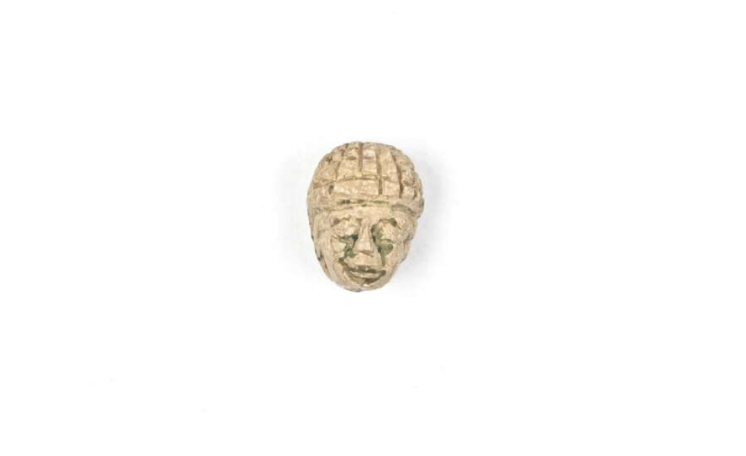
Amulet, Egypt. The British Museum
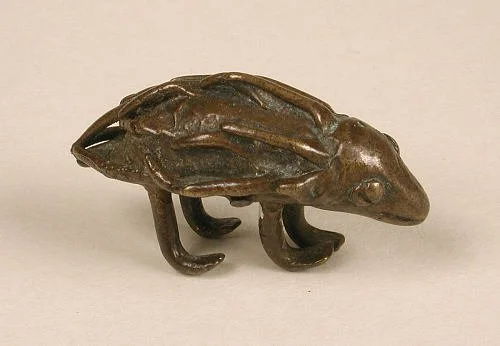
Akan Weight, Ghana/ Côte d'Ivoire, 18th-late 19th century. National Museum of African Art, Smithsonian
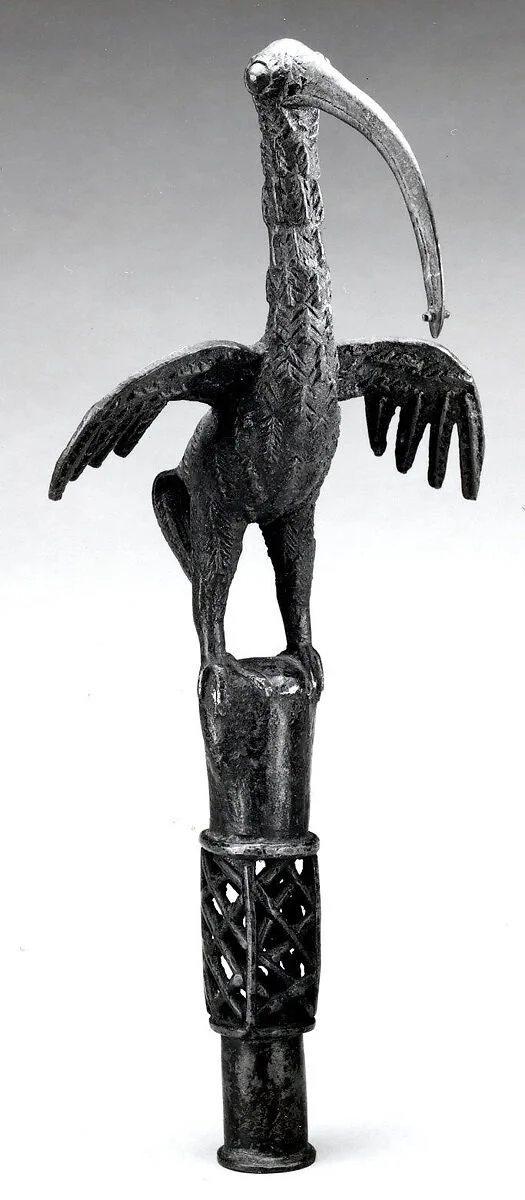
Idiophone: Bird of Prophecy (ahianmwen-oro), Nigeria, 16th–19th century. The Metropolitan Museum of Art.
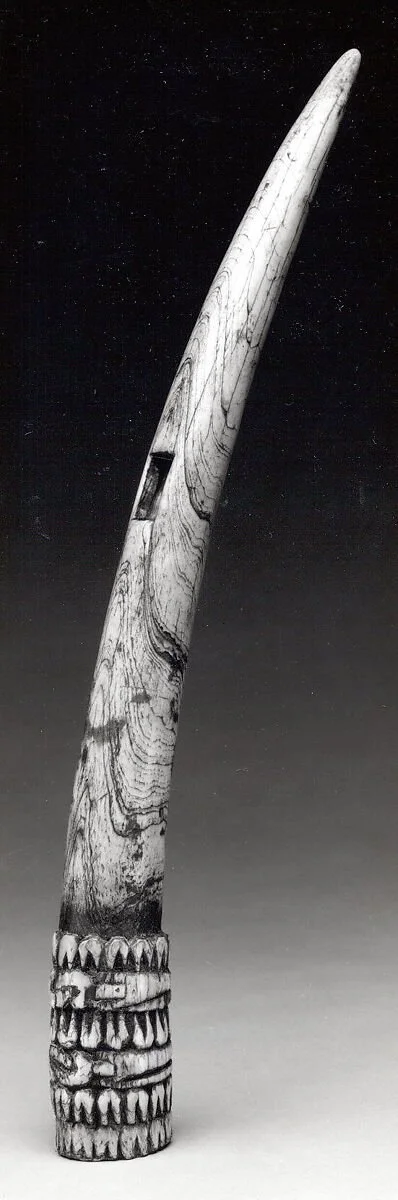
Side-blown Trumpet (Oko), Nigeria, 18th–19th century. The Metropolitan Museum of Art.
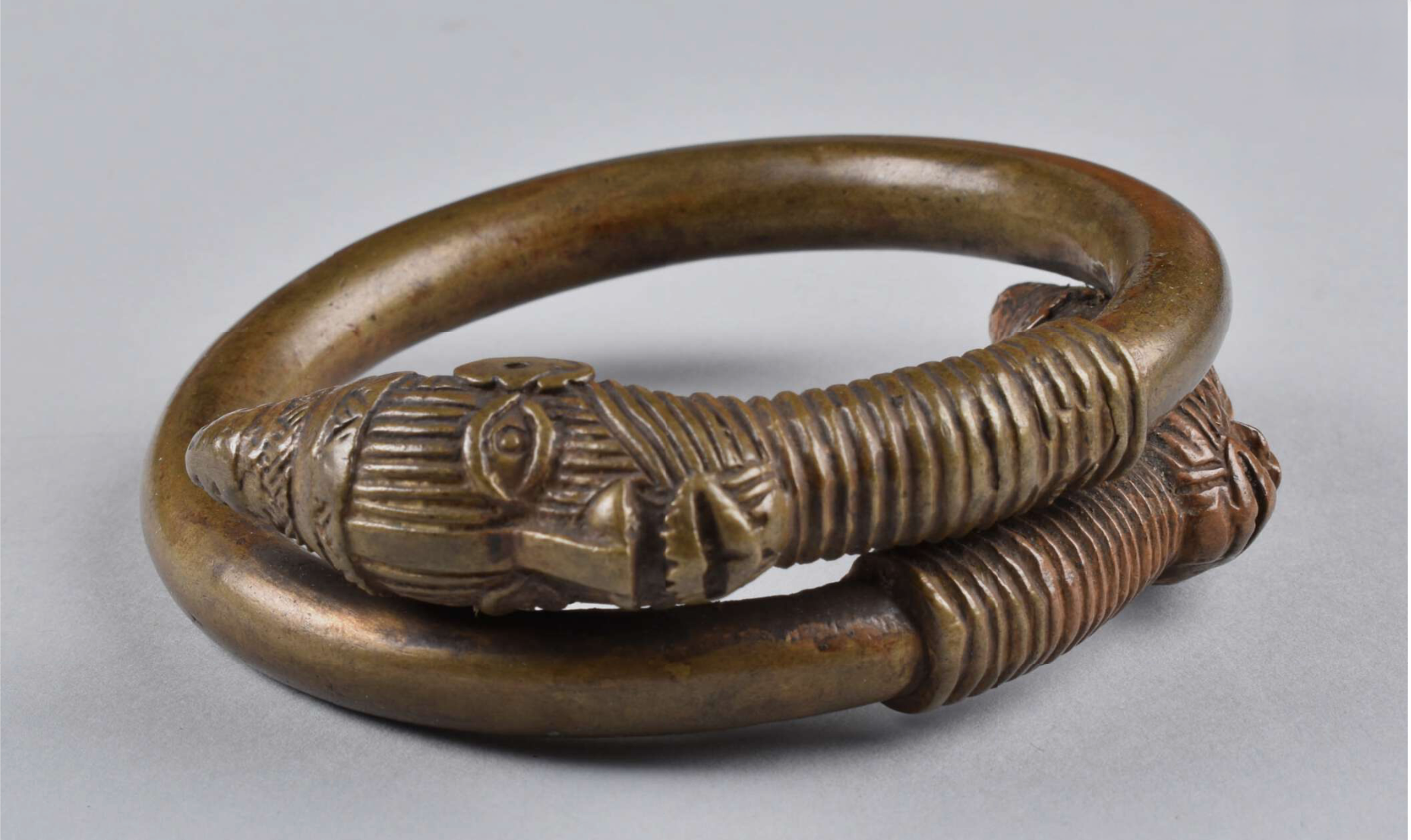
Edo Armlet, 18thC. The British Museum
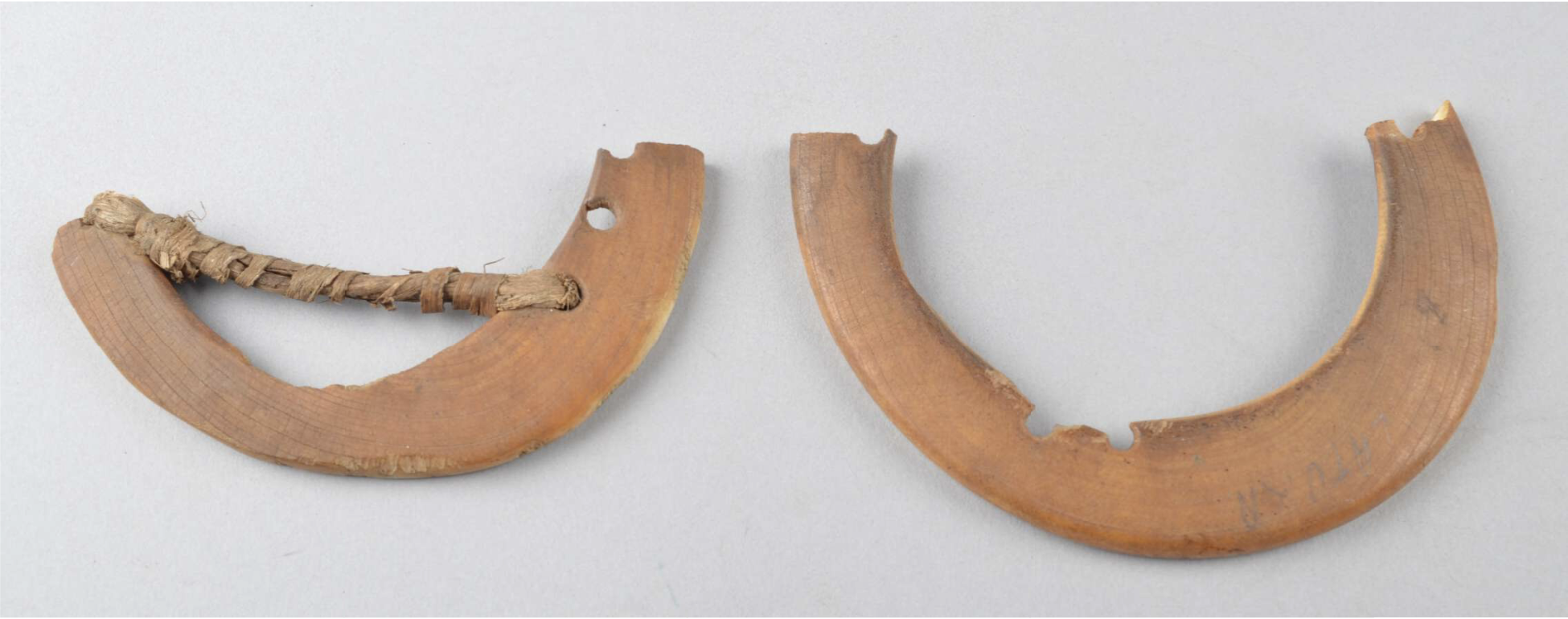
Latuka armlet, South Sudan. The British Museum

Image of Woman Holding an Esu Dance Vestment. Pemberton 1975
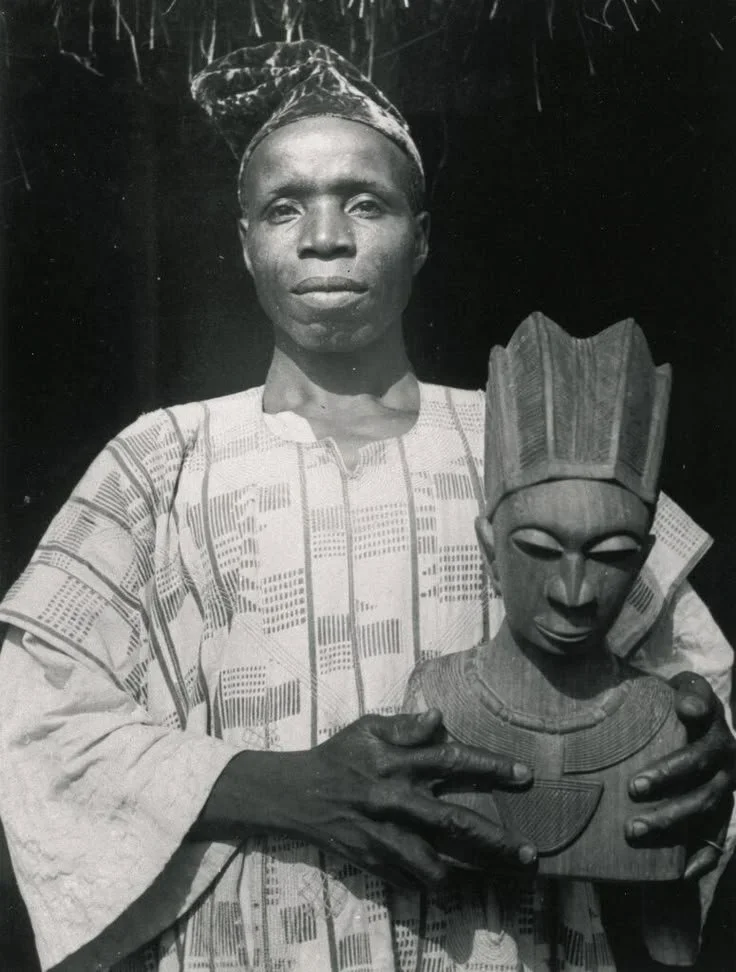
E. H. Duckworth, Moshood Olúṣọmọ Bámigbóyè Holding a Portrait Bust. Ìlọfà, Kwara State, Nigeria, ca. 1940. Danford Collection of West African Art and Artefacts, University of Birmingham, United Kingdom, BIRRC-D432-1. © Research and Cultural Collections, University of Birmingham
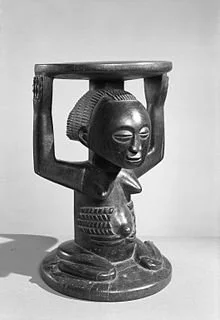
Unknown Artist. "Luba art varies regionally and has also influenced the art of neighboring peoples including the Hemba and the Boyo. Most of the Luba art in Western collections was originally produced in association with royal or chiefly courts and was meant to validate the power of leaders. Luba art forms tend to be "delicately modeled and curvilinear, expressing serenity and introspection." Sources: Photo: © Joan Riera Baladas (2024) Pierre Petit - Everyculture.com Nalrc.indiana.edu Wikipedia.org Peoplegroups.com
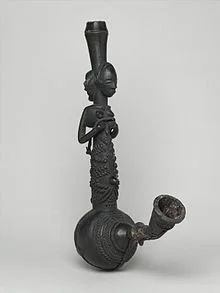
Unknown Artist. Sources: Photo: © Joan Riera Baladas (2024) Pierre Petit - Everyculture.com Nalrc.indiana.edu Wikipedia.org Peoplegroups.com
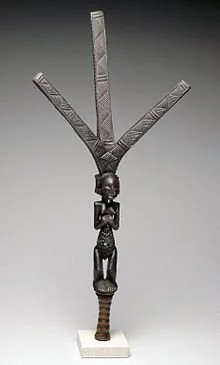
Unknown Artist. "Luba art refers to the visual and material culture of the Luba people. Most objects were created by people living along the Lualaba River and around the lakes of the Upemba Depression, or among related peoples to the east in what is now the Democratic Republic of the Congo." Sources: Photo: © Joan Riera Baladas (2024) Pierre Petit - Everyculture.com Nalrc.indiana.edu Wikipedia.org Peoplegroups.com
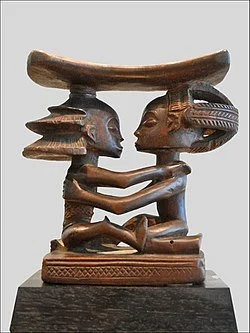
Unknown Artist. "The Luba people have many famous artistic traditions. Stools, divination bowls (called mboko), bow stands, memory boards (called lukasa), sculptures and wood carvings are all central to Luba culture. Luba sculptures are famous for their pervasive representation of women, which also signifi es the important role of women in society. Lukasa, or memory boards were important pneumonic devices that used colored beads to help remember the complex history and ritual life of the Luba people. Sources: Photo: © Joan Riera Baladas (2024) Pierre Petit - Everyculture.com Nalrc.indiana.edu Wikipedia.org Peoplegroups.com
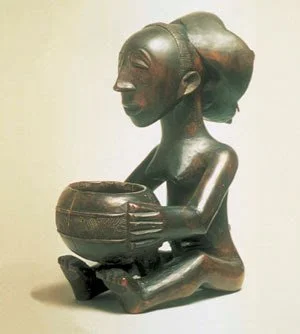
Luba Sculpture
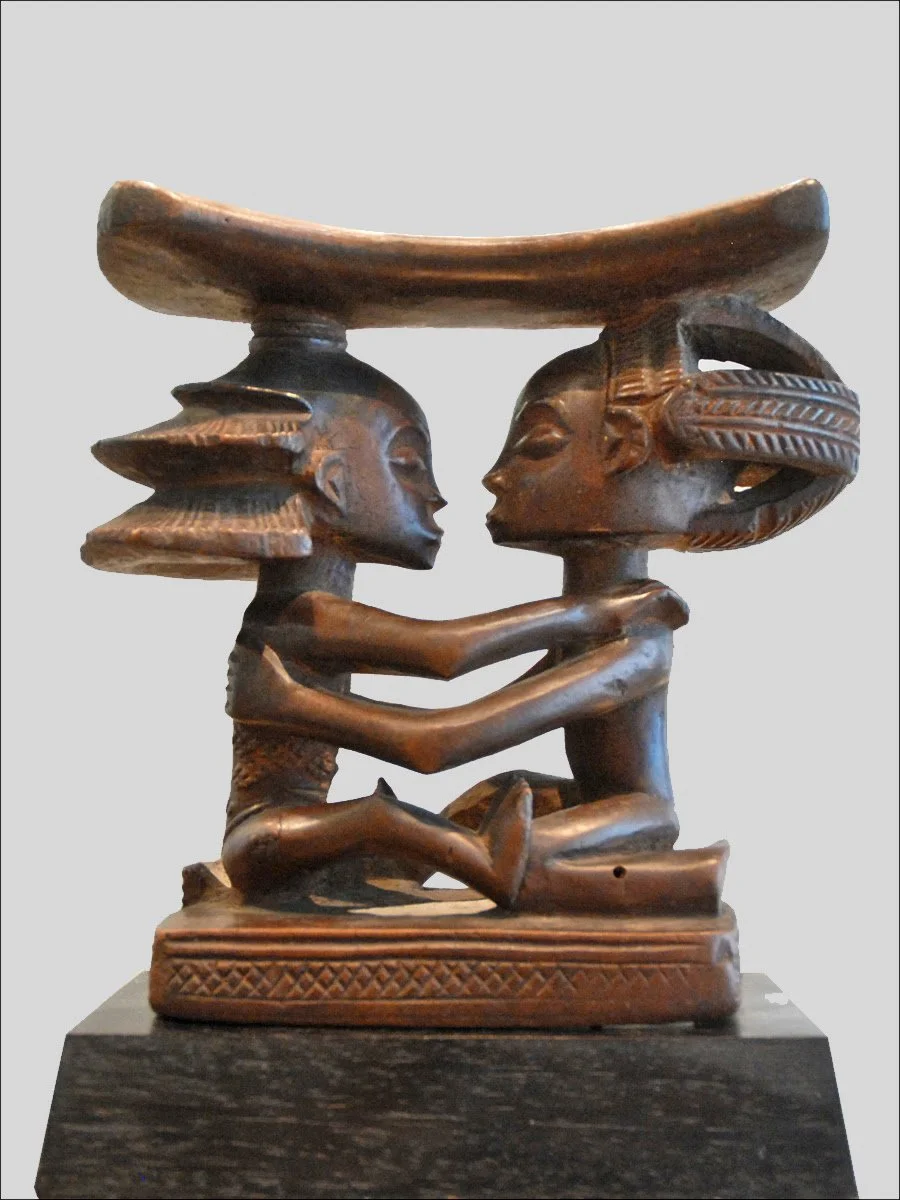
Appuie-tête Luba-RDC
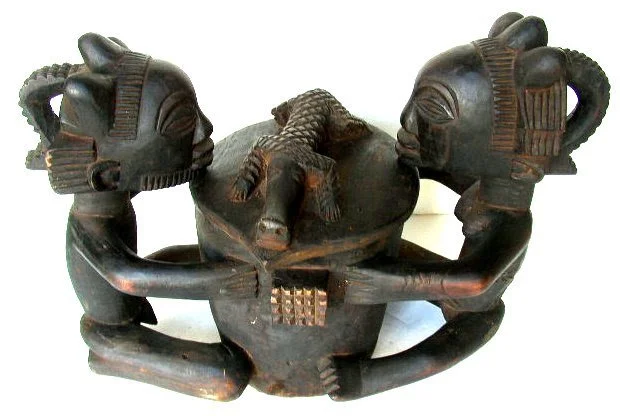
Luba Sculpture

Luba Sculpture
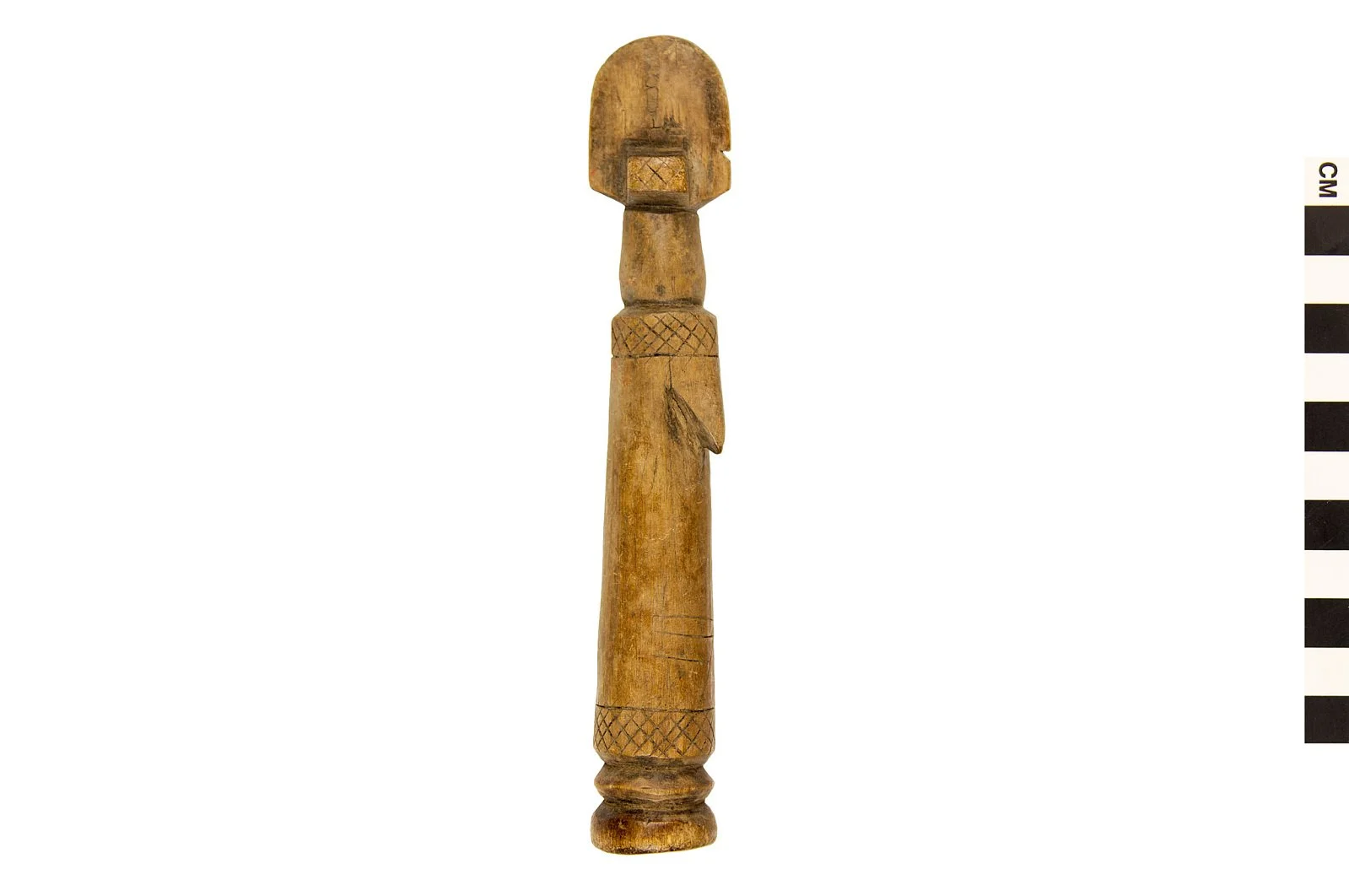
A carved wooden Mossi Doll from Burkina Faso
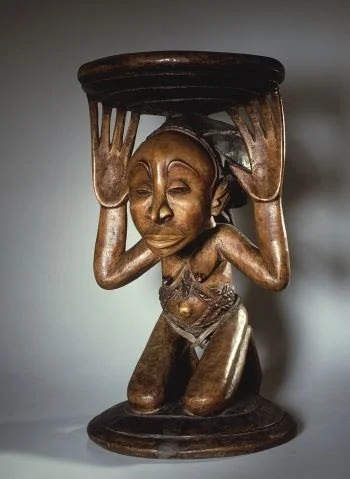
Caryatid throne stool from the school of the Buli Master, Kingdom of the Luba ( · Found on lindenmuseum.de

Zande ( Azande ) Figures

Bambara Heddle Pulley

Kneeling Figure with Snakes Mali, Inland Niger Delta Eleventh/fourteenth century Terracotta; 47.6 x 23.5 × 30.5 cm ( 1 8 3/4 × 9 1/4 × 12 in.) Maurice D. Galleher, Ada Turnbull Hertle, and Laura R. Magnuson funds, 1983.917
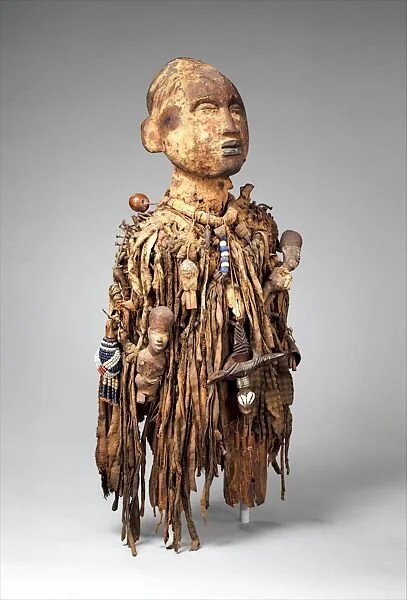
Prestige headdress, Central Africa, ca. 1850–1920. The Metropolitan Museum of Art

Bamana Head of Sceptre
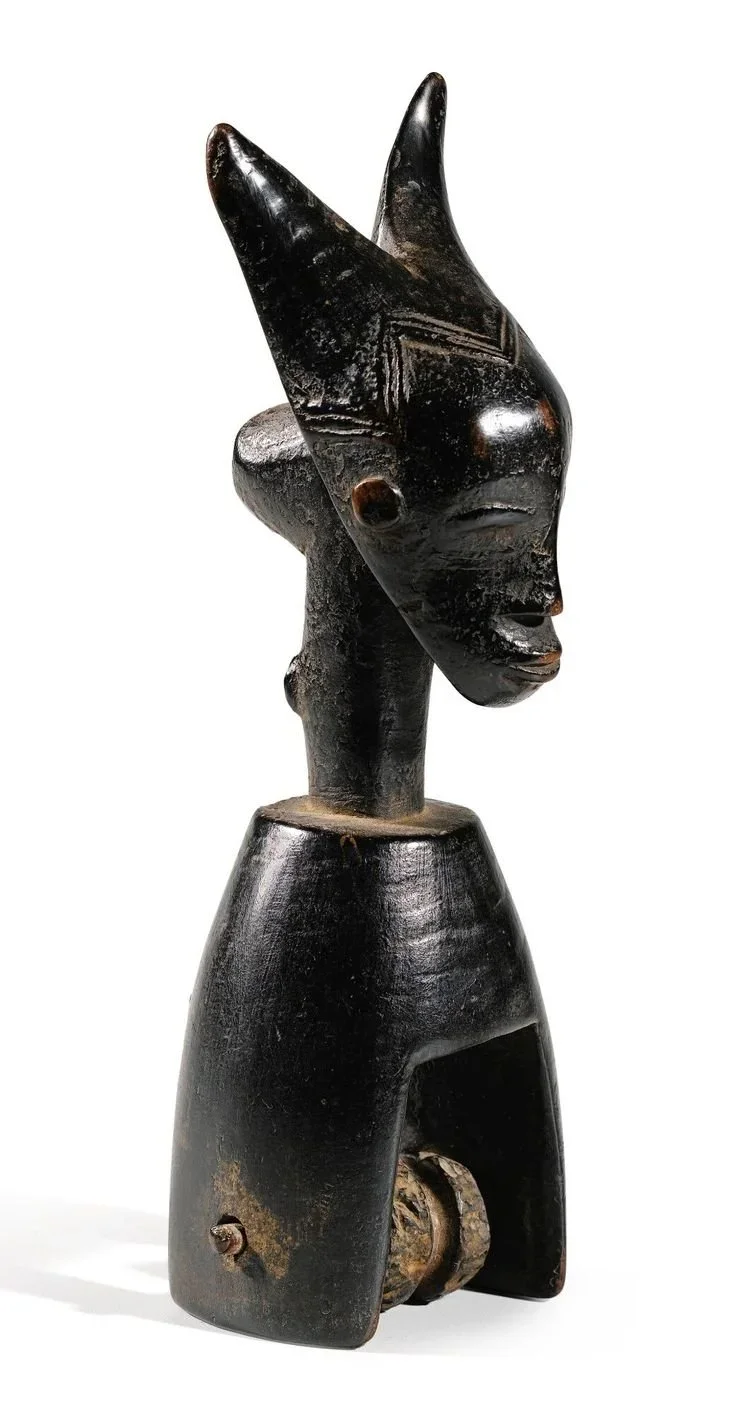
Baule Heddle Pulley

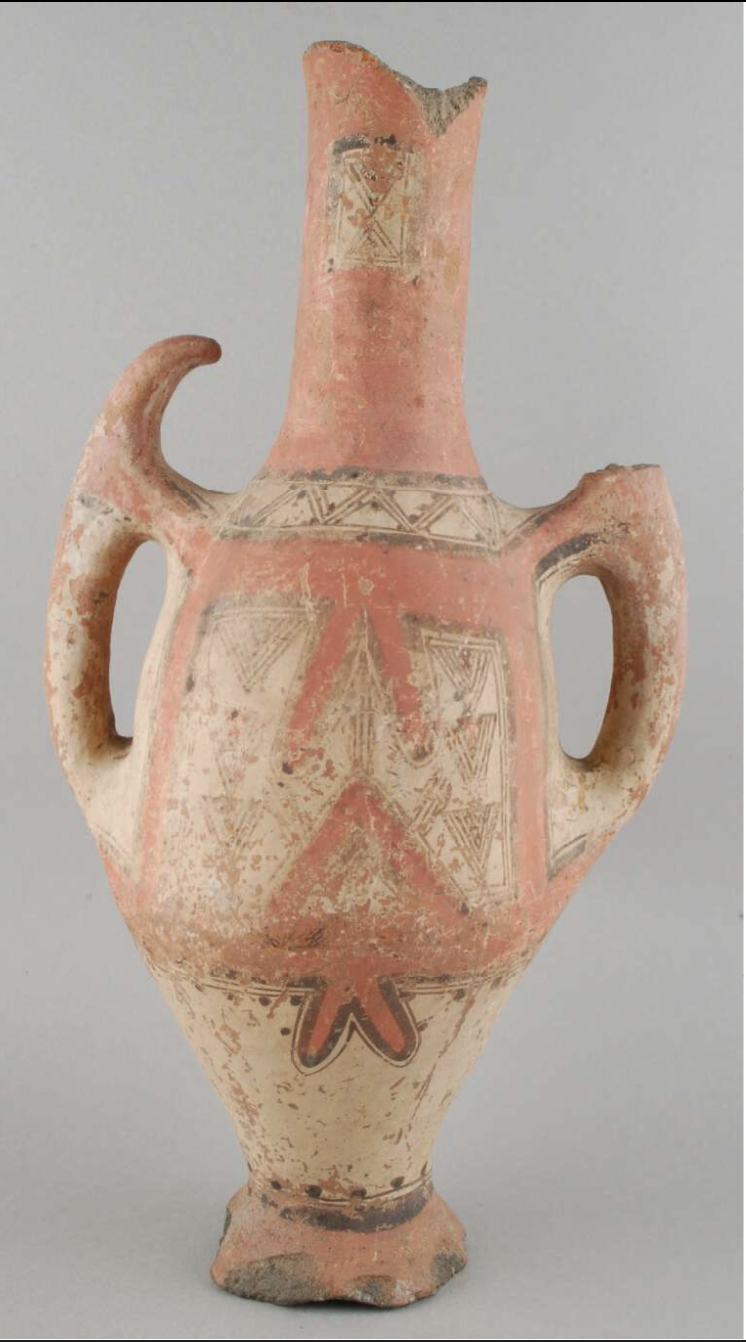
Amphora, Kabylie, Algeria. The British Museum


Heddle pulley with Goli Glin mask from the Baoulé people - via The MET

Kuba Anthropomorphic Cup DRC. Via Christies
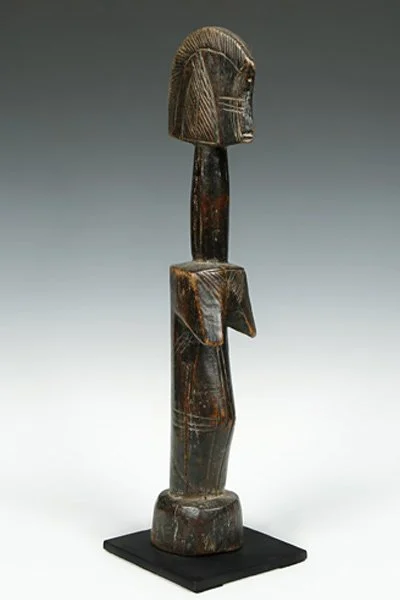
z'West African biiga doll, from the Mossi people of Burkina Faso." via https://www.beprimitive.com/blog/believing-is-magic
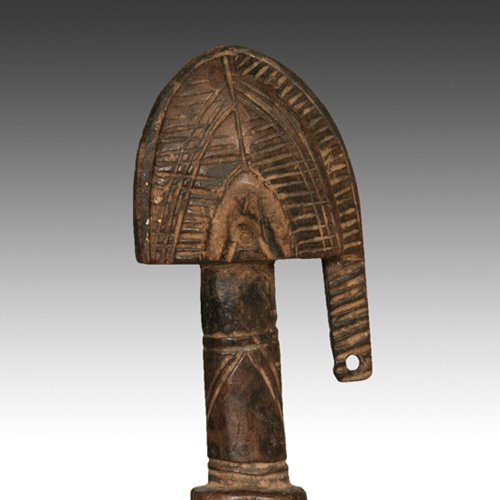
"Above: Example of a biiga doll with extended crown, with detail (1)" https://www.beprimitive.com/blog/believing-is-magic
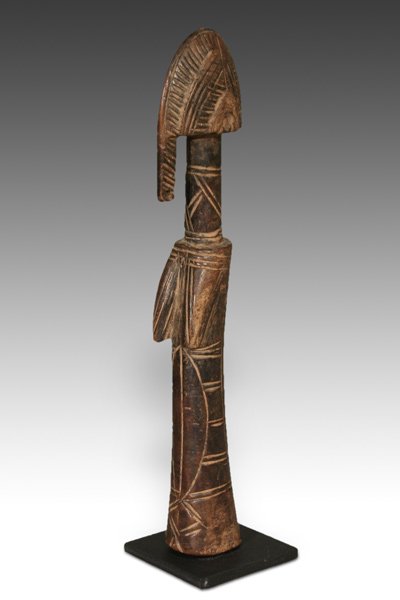
"Above: Example of a biiga doll with extended crown, with detail (2)" https://www.beprimitive.com/blog/believing-is-magic
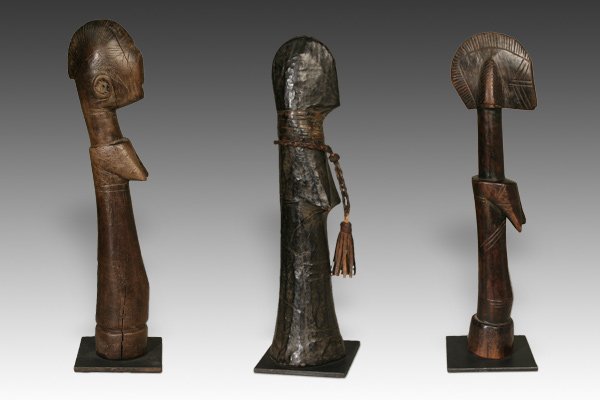
"Examples of various biiga dolls in PRIMITIVEs collection – some are crowned, some beaded – but all are magical." via https://www.beprimitive.com/blog/believing-is-magic